
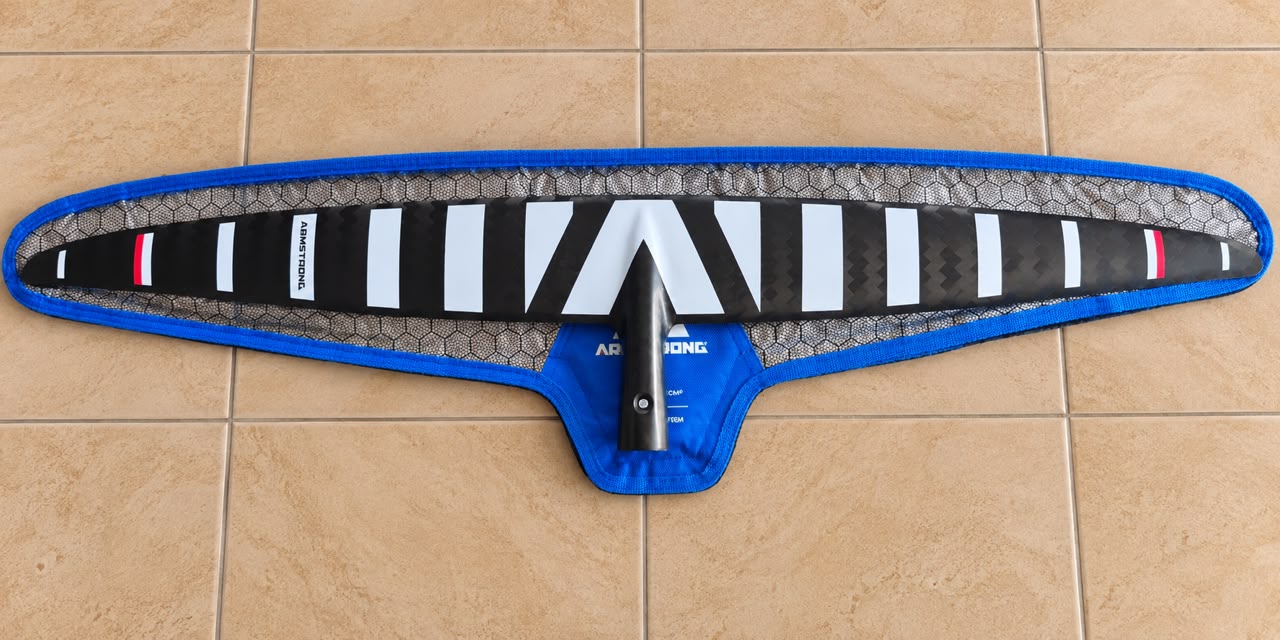
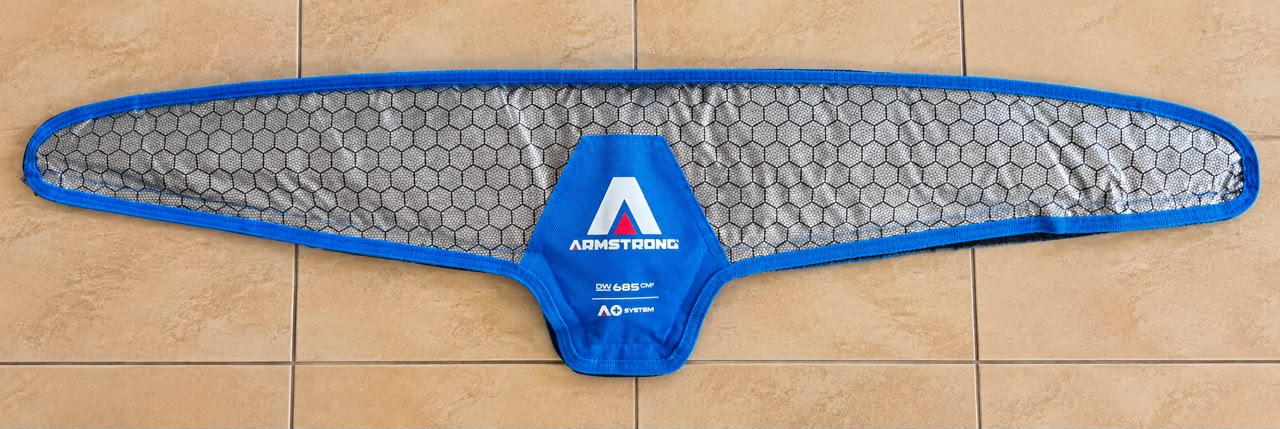
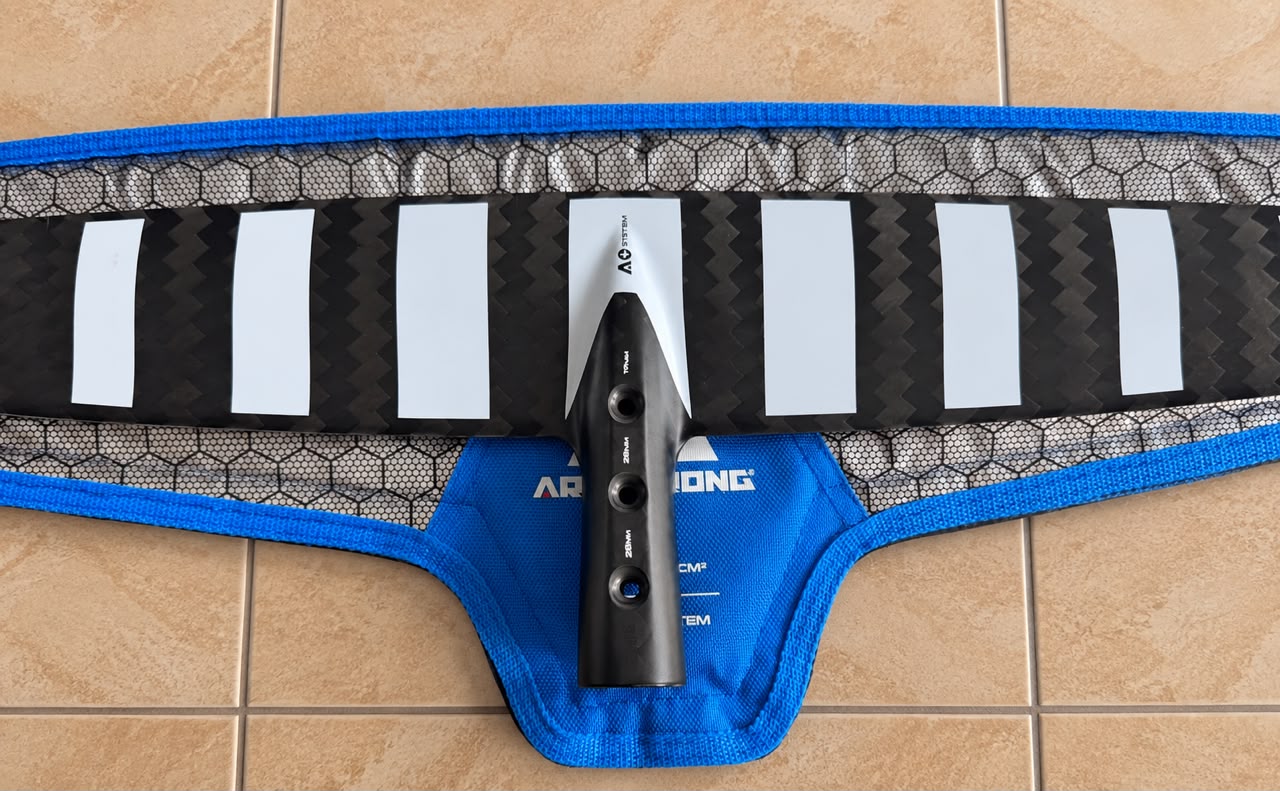
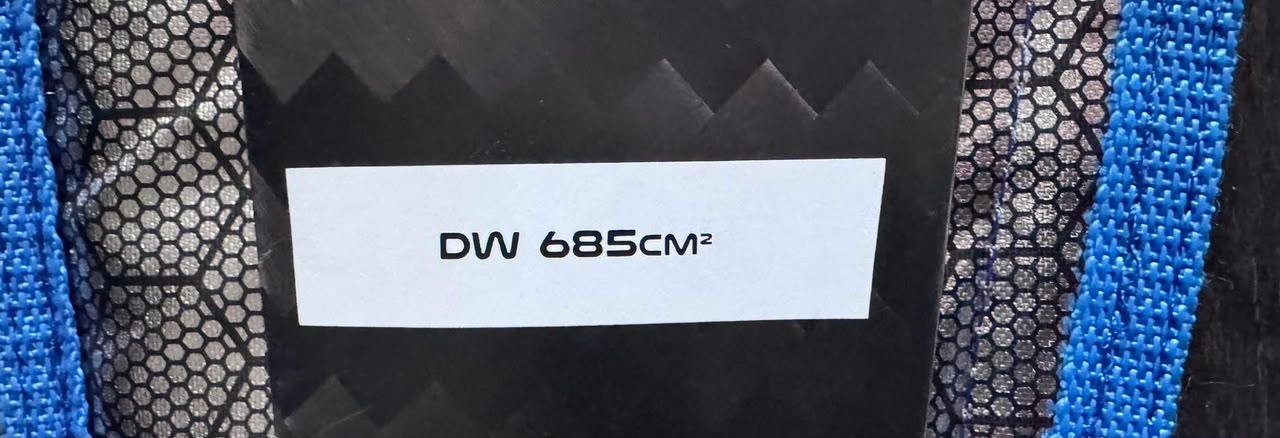
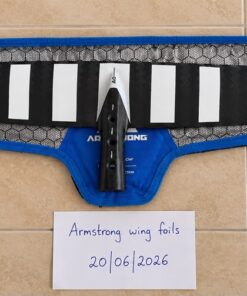

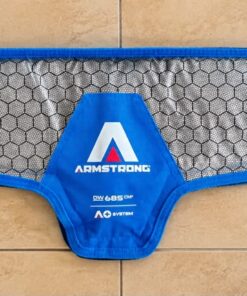
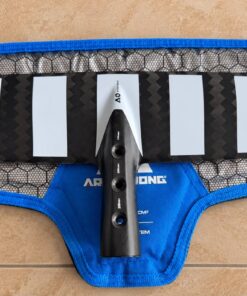
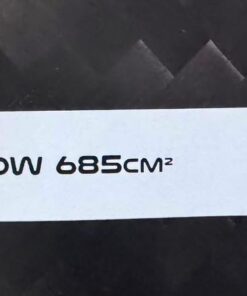
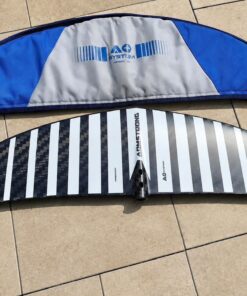
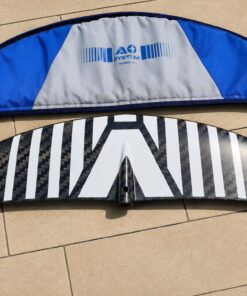
Used Armstrong 685 DWP foil

€500.00
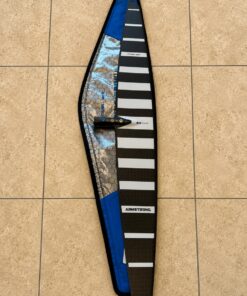
The Used Armstrong DWP 685 Foil is a high-performance carbon front wing built for experienced riders seeking exceptional glide, speed, pumping efficiency, and precise control. With a 685 cm² surface area, 960 mm span, and 13.55 aspect ratio, it delivers low drag, strong speed retention, and efficient swell connection. Ideal for advanced downwind, wing, and surf foiling, this used foil offers premium Armstrong performance at a more accessible price. Inspect the leading edge, tips, mounting surfaces, and carbon structure carefully when evaluating overall condition.
Used Armstrong DWP 685 Foil Overview, Design, Speed, Glide, and Performance
The Used Armstrong DWP 685 Foil is a performance-focused front wing developed for experienced riders who prioritize speed, exceptional glide, efficient pumping, and stability across fast-moving swell.
Armstrong developed the Downwind Performance series using real-world waveform and riding data gathered from Hawaii’s inter-island channels. Fluid-dynamics development was then used to create a very high-aspect foil capable of combining significant top-end speed with enough lower-speed lift to remain practical in real-world downwind conditions.
The DWP 685 has an official 685 cm² surface area, 960 mm wingspan, and 13.55 aspect ratio. Its thin foil section, high camber, swept tips, and carefully developed profile are intended to minimize drag while maintaining controlled lift.
HA Front Foil
As an HA Front Foil, the 685 emphasizes efficiency used Armstrong 685 DWP foil, speed retention, and long glide rather than the extremely early lift associated with much larger wings.
armstrong foils
Among armstrong foils, this model sits firmly toward the performance end of the range and particularly suits experienced riders.
armstrong integrated foil masts price
Riders researching armstrong integrated foil masts price should consider mast stiffness and compatibility alongside cost when building a complete high-performance setup.
armstrong foil board
Pairing the front wing with an appropriate armstrong foil board can create a responsive and connected system for downwind or wing-powered sessions.
surf foil board
A suitable surf foil board may also be used by skilled riders who want fast carving and efficient wave connection.
armstrong downwind board
An armstrong downwind board complements the wing especially well when efficient paddle acceleration and open-water glide are priorities.
armstrong midlength
An armstrong midlength setup can provide easier acceleration while retaining a compact feel compared with dedicated long downwind boards.
armstrong downwind foil
This model is specifically an armstrong downwind foil, developed around sustained speed, swell linking, and efficient glide.
armstrong mid length board
An armstrong mid length board can work well when the rider wants additional board glide to help reach takeoff speed.
armstrong downwind boards
Modern armstrong downwind boards emphasize narrow outlines, efficient acceleration, and reduced water resistance before takeoff.
wing foil front wing
Experienced riders can also use the 685 as a wing foil front wing when wind and skill level provide enough power for takeoff.
HA Front Foil for sale
Anyone searching for an HA Front Foil for sale should consider the rider level carefully because the 685 is performance oriented rather than beginner focused.
kite armstrong
The phrase kite armstrong can relate to performance foil setups, although the 685 is most strongly associated with downwind and advanced foiling applications.
armstrong foil boards
Different armstrong foil boards allow riders to tune flotation, acceleration, stability, and maneuverability around the foil.
surf foil
For surf foil use, the 685 offers speed and glide that can help experienced riders connect multiple wave sections efficiently.
armstrong foiling
Within armstrong foiling, the DWP range represents a technical approach focused heavily on hydrodynamic efficiency.
foiling board
Choosing the correct foiling board is important because board length and volume influence how easily the rider reaches the wing’s takeoff speed.
armstrong foils for sale
When examining armstrong foils for sale, used condition, leading-edge condition, mounting surfaces, and previous repairs should be inspected carefully.
foiling boards
Longer, narrower foiling boards can help generate the acceleration needed to make smaller high-aspect front wings more accessible.
surf foilboard
A performance surf foilboard can create a responsive pairing for experienced riders seeking fast rail-to-rail transitions.
armstrong performance mast
An armstrong performance mast can provide the stiffness and direct feedback desirable when using a high-aspect front wing at greater speeds.
armstrong wing
An armstrong wing can provide the propulsion needed to use this foil during powered wing sessions.
surf foil boards
Compact surf foil boards may emphasize maneuverability, while longer platforms generally make initial acceleration easier.
armstrong wings
Different armstrong wings allow the rider to select power according to wind strength, body weight, and riding style.
armstrong fuselage
The armstrong fuselage forms the structural connection between the front wing, mast, and stabilizer in the complete foil assembly.
armstrong v1 downwind board
An armstrong v1 downwind board can provide the long waterline and efficient paddle acceleration associated with dedicated downwind setups.
armstrong integrated foil masts price 2025
Buyers comparing armstrong integrated foil masts price 2025 should also consider whether a used mast offers acceptable structural condition and connection integrity.
foil for sup
As a foil for sup, the 685 is most appropriate for proficient riders capable of generating adequate paddle speed and controlling a small high-aspect wing.
armstrong wing foil
An armstrong wing foil configuration using the 685 can deliver impressive speed and glide for skilled riders in adequately powered conditions.
armstrong downwind foil board
A narrow armstrong downwind foil board is particularly suitable because its efficient hull helps generate the speed required before lift-off.
hydrofoil front wing
As a hydrofoil front wing, the 685 determines much of the complete setup’s lift, speed range, roll response, and glide characteristics.
front foil
This front foil is designed primarily for riders who value efficiency and speed rather than maximum low-speed lift.
hydrofoil lift stability
Strong hydrofoil lift stability at speed is one of the major characteristics of the design, with the thin profile and carefully controlled geometry helping the wing remain composed as velocity increases.
Why Choose the DWP 685?
The primary reason to choose this wing is its combination of speed and glide.
Its relatively small 685 cm² area reduces drag, while the 13.55 aspect ratio creates an efficient planform for carrying momentum across open water. Armstrong specifically developed the range for high-speed downwind use, where maintaining energy between swells can determine whether a rider successfully connects the next bump.
How Good Is the Glide?
Glide is one of its strongest qualities.
The very high aspect ratio, thin profile, and 960 mm span allow the wing to retain speed efficiently after acceleration. Consequently, experienced riders can travel through flatter sections with less rapid loss of momentum.
How Precise Is the Control?
The foil is designed to remain stable at high velocity without feeling excessively locked into one direction.
Its subtle transition through anhedral and dihedral geometry helps create pitch and roll stability as speed increases while retaining useful maneuverability.
Pumping Performance
Efficient pumping is another major advantage.
Low drag helps the rider preserve energy between pumping cycles, while the high-aspect platform carries momentum effectively. This makes it particularly attractive for connecting swells and extending rides once airborne.
Speed Performance
The 685 represents the smallest and most performance-oriented option in the DWP family.
Armstrong describes it as a choice for expert downwind SUP racers in powered conditions, highlighting its emphasis on speed rather than maximum low-end accessibility.
Where Should It Be Used?
The wing is especially suitable for open-ocean downwind runs, powered swell conditions, advanced wing foiling, experienced surf foiling, and high-speed flat-water sessions.
Its characteristics reward riders who can already take off efficiently and maintain controlled foil flight.
When Should You Choose the 685 Size?
Choose the 685 when speed, glide, reduced drag, and fast swell connection are more important than extremely early takeoff.
Larger riders or users operating predominantly in weak conditions may find a larger wing easier to access.
Used Foil Condition
Because this example is used, the leading edge, trailing edge, tips, carbon surfaces, mounting interface, screw holes, and underside should be inspected carefully.
Minor cosmetic marks may be acceptable. However, deep impacts, exposed carbon, significant cracking, water intrusion, or poorly repaired structural damage should receive closer attention.
Important Technical Information
The official specifications are 685 cm² area, 960 mm span, and 13.55 aspect ratio. The DWP range uses premium carbon construction, and Armstrong’s performance-series documentation describes Toray intermediate- and high-modulus carbon fiber construction.
Overall Performance
The Used Armstrong DWP 685 is a specialized high-performance front wing built for riders who understand efficient takeoff, speed management, pumping, and swell connection.
Its exceptional aspect ratio, compact 685 cm² area, high-speed stability, thin hydrodynamic profile, and efficient glide make it particularly compelling for advanced downwind riders seeking a fast, precise, and highly efficient foil.
Construction, Hydrodynamic Efficiency, Glide, Pumping, Turning, and Used Condition
High-Performance Construction
The foil is built around a lightweight, rigid composite structure designed to maintain shape under significant hydrodynamic load.
High stiffness is especially important at greater speeds because unwanted flex can reduce precision, alter pitch response, and make the setup feel less predictable.
A rigid front wing allows rider input to be transferred more directly through the mast and fuselage.
Carbon Structure
Carbon construction helps create a favorable combination of strength, low weight, and stiffness.
This allows the foil to remain structurally efficient without requiring excessive material thickness.
For performance-focused riders, this can improve both responsiveness and overall feedback.
Thin Foil Profile
The relatively thin profile is a major part of the wing’s high-speed character.
A thinner section can reduce drag when the foil is moving quickly through the water.
However, this type of design also requires good technique because it generally provides less low-speed forgiveness than significantly thicker or larger wings.
High-Aspect Geometry
The long span relative to surface area creates a highly efficient planform.
This geometry helps the foil preserve momentum once flying and reduces induced drag compared with lower-aspect designs.
The result is a noticeably longer glide when sufficient speed has already been generated.
Hydrodynamic Efficiency
Efficiency is one of the most important characteristics of the design.
The foil is intended to convert rider input and available wave energy into sustained forward movement rather than losing speed quickly.
This makes it particularly rewarding for riders who already understand energy management.
Glide Performance
Once the foil reaches an efficient operating speed, it can carry momentum extremely well.
This allows riders to move through flatter sections while maintaining flight.
The feeling is less about maximum initial lift and more about preserving speed after takeoff.
Speed Retention
Speed retention becomes especially valuable during long open-water runs.
A foil that loses little energy between swells gives the rider more time to locate and connect the next usable section.
This can reduce the amount of aggressive pumping required.
Pumping Efficiency
Pumping performance depends on rhythm, rider technique, and foil setup.
A low-drag wing rewards smooth, efficient pumping movements.
Instead of relying on large body movements, experienced riders can maintain momentum through controlled pressure changes.
Cadence and Timing
Correct pumping cadence is important.
Too much movement can disturb the foil and waste energy.
A smoother rhythm generally allows the wing to carry speed more effectively.
Pitch Control
Pitch stability becomes increasingly important as speed rises.
The rider needs to manage front-foot and rear-foot pressure carefully to maintain a consistent flight height.
A well-balanced setup gives clear feedback without feeling excessively sensitive.
Roll Response
Despite its long span, the wing is designed to remain maneuverable.
Roll response allows the rider to initiate turns and transition between swells.
The exact turning feel will also depend on mast height, stabilizer selection, fuselage length, and rider position.
Carving Behavior
Carving becomes smooth and controlled when the foil is kept within its preferred speed range.
The rider can use subtle body movements to redirect the setup.
Because the wing carries momentum efficiently, turns can feel fast without requiring excessive force.
Turning Radius
The turning radius is influenced by speed and rider technique.
At higher speed, wider flowing turns may feel especially natural.
With correct pressure, the foil can still be redirected confidently between sections.
Downwind Control
Open-water riding requires constant adjustment to changing swell direction and speed.
The foil’s efficient glide allows the rider to focus on reading the water rather than continually rebuilding lost momentum.
This can make longer runs feel more fluid.
Linking Swells
The ability to link one swell to another is a major performance advantage.
Momentum can be carried across sections that might otherwise require heavy pumping.
Good swell-reading skills become increasingly valuable with this type of high-efficiency wing.
Flat-Water Behavior
In flat water, the foil can provide excellent glide once flying.
However, takeoff requires sufficient speed and effective technique.
Riders who can generate strong initial acceleration will benefit most from its efficiency.
Powered Conditions
The wing is particularly rewarding when conditions provide enough energy.
Stronger wind, faster swell, or sufficient towing speed makes it easier to access the foil’s preferred performance range.
Once flying, the setup can feel exceptionally free and efficient.
Light-Wind Limitations
Smaller high-aspect wings are generally less forgiving in very light conditions.
They require more speed before producing useful lift.
Riders should consider body weight, board choice, and available power carefully.
Rider Skill Requirements
This is best suited to riders with established foiling skills.
A beginner may find a larger and more forgiving wing easier to control at low speeds.
Experienced users, however, can take advantage of the foil’s efficiency and speed.
Mast Influence
Mast stiffness has a direct effect on the riding experience.
A stiff mast helps preserve control at speed and makes roll and pitch input feel more immediate.
Excessive mast flex can make the setup feel less precise.
Stabilizer Influence
The stabilizer also changes overall behavior.
A smaller stabilizer can produce a looser and faster feel, while a larger option may increase stability.
The complete setup should be selected according to rider preference.
Fuselage Setup
Fuselage length affects turning, pitch stability, and overall responsiveness.
A longer configuration may feel more settled, while a shorter setup can increase maneuverability.
The best choice depends on the intended riding style.
Mounting Interface
The connection between the front wing and fuselage should remain clean and secure.
Any movement in the mounting interface can reduce precision and create unnecessary wear.
Hardware should fit properly without forcing.
Leading Edge Inspection
On a used foil, the leading edge should be checked carefully.
Small cosmetic marks are common, but deep impacts may affect hydrodynamic performance or expose structural material.
Any significant damage should be assessed before regular use.
Trailing Edge Condition
The trailing edge should remain straight and structurally sound.
Chips or rough damage can create additional drag or vibration.
Minor imperfections may be repairable if addressed correctly.
Wingtip Inspection
The wingtips are vulnerable to impacts during transport and launching.
They should be checked for cracks, exposed fibers, or poorly repaired sections.
Tip condition matters because damage can influence flow and handling.
Surface Finish
A smooth surface helps maintain efficient water flow.
Small scratches may not noticeably affect performance, but deeper damage should be repaired carefully.
Any repair should preserve the original profile as closely as possible.
Fastener Condition
Used hardware should be checked for corrosion, damaged threads, or deformation.
Clean fasteners make assembly easier and reduce the chance of connection problems.
Damaged hardware should be replaced promptly.
Saltwater Care
After saltwater sessions, the foil should be rinsed thoroughly with fresh water.
Salt buildup can affect hardware and connection surfaces.
Regular rinsing supports long-term reliability.
Transport Protection
A padded cover is highly recommended during transport.
The thin profile and long span deserve careful handling.
Proper protection helps prevent unnecessary edge and tip damage.
Storage
The foil should be stored dry and protected from heavy objects.
It should not be placed where the tips or trailing edge can be crushed.
Stable storage helps preserve both structure and surface condition.
Long-Term Value
A high-performance used foil can continue delivering excellent results when the carbon structure, edges, and mounting surfaces remain sound.
Cosmetic wear is less important than structural integrity.
A carefully maintained example can therefore offer strong performance value.
Overall Section Summary
The foil combines rigid carbon construction, a thin hydrodynamic profile, high-aspect geometry, excellent glide, strong speed retention, and efficient pumping characteristics.
Its design rewards riders who understand takeoff speed, pitch management, smooth pumping, and swell connection.
When the structure, leading edge, tips, mounting interface, and hardware remain in good condition, the foil can continue providing fast, precise, and highly efficient performance over many sessions.
Real-World Riding Experience, Speed Control, Swell Connection, Pumping, Carving, and Session Performance
Real-World Riding Experience
The foil shows its strongest qualities once it is moving efficiently through open water.
Its performance character is built around speed retention, glide, and controlled movement rather than maximum low-speed lift.
For experienced riders, this creates a fast and connected feeling that can make long runs feel smoother and more efficient.
Takeoff Characteristics
Takeoff depends heavily on rider technique, board choice, available power, and water conditions.
Because the wing is relatively small and performance-focused, it benefits from strong initial acceleration.
Once enough speed is generated, lift develops cleanly and the foil begins to feel much more efficient.
Building Initial Speed
The rider should focus on creating forward momentum before expecting the foil to lift.
Efficient board acceleration can make this process easier.
Longer or narrower boards may help generate speed more effectively in lighter conditions.
Transition Onto Foil
The transition from water contact into full flight should feel progressive when the rider has sufficient speed.
Smooth weight transfer helps maintain control during this stage.
Abrupt movements can disturb the foil and reduce efficiency.
Speed Management
Speed is one of the major strengths of this design.
Once flying, the foil rewards riders who maintain momentum rather than repeatedly allowing the setup to slow down.
Good speed management makes the complete experience feel smoother.
High-Speed Stability
At higher speeds, stability becomes increasingly important.
The foil is designed to remain composed while still allowing the rider to redirect the setup.
This balance creates confidence during fast open-water sections.
Glide Between Swells
One of the most useful characteristics is the ability to maintain glide between energy sources.
When one swell begins to weaken, the foil can carry momentum into the next section.
This reduces the need for constant aggressive pumping.
Reading the Water
Experienced riders can gain a major advantage by reading swell direction and timing carefully.
Choosing the correct line helps maintain energy.
A highly efficient foil rewards riders who can position themselves where the water provides the most usable push.
Connecting Multiple Sections
The ability to connect multiple sections is central to advanced open-water riding.
A rider can move from one swell to another while preserving speed.
The foil’s low-drag character helps make these transitions more practical.
Pumping Technique
Pumping should be smooth and efficient.
Large or aggressive movements are not always necessary when the foil already carries momentum well.
Controlled rhythm allows the rider to maintain speed without wasting energy.
Pumping Cadence
The correct cadence depends on speed and water conditions.
Faster movement may require smaller and quicker inputs.
Slower sections may require deeper movements to maintain flight.
Energy Conservation
Efficient riders avoid unnecessary body movement.
The goal is to maintain momentum while using the least amount of effort possible.
This becomes increasingly important during longer sessions.
Carving Response
Carving feels fast and fluid once the foil is operating within its preferred speed range.
The rider can redirect the setup through body position and pressure.
Smooth movements are generally more effective than abrupt steering.
Rail-to-Rail Movement
Quick transitions from one direction to another depend on coordinated roll input.
The wing’s performance-oriented design allows experienced riders to create responsive directional changes.
This contributes to a lively riding feel.
Turn Entry
Entering a turn with sufficient speed helps maintain lift.
The rider should control body position and avoid excessive front-foot pressure.
A smooth entry usually leads to a cleaner exit.
Turn Exit
Maintaining momentum through the exit of a turn helps preserve efficiency.
If too much speed is lost, additional pumping may be required.
Good timing allows the rider to continue into the next section naturally.
Wave Riding
In waves, the foil can provide a fast and responsive experience.
Its efficient glide helps the rider move across flatter sections of the wave.
This can make it useful for connecting different parts of a long ride.
Down-the-Line Performance
During faster down-the-line riding, the foil can maintain speed while allowing controlled carving.
This performance suits riders who enjoy flowing turns and high-speed lines.
The exact feel depends on wave energy and complete setup configuration.
Open-Water Sessions
Open-water conditions highlight the foil’s efficiency.
Long sections of swell can be connected with fewer interruptions.
The rider can focus more on line choice and less on rebuilding speed.
Flat-Water Sessions
Flat water places more emphasis on takeoff technique.
Once airborne, however, the foil’s low drag becomes noticeable.
The rider can practice pumping, speed control, and turning without significant wave interference.
Wind-Powered Riding
When used with wind power, the foil responds well once adequate acceleration is achieved.
Stronger conditions make it easier to access the higher-performance range.
Riders can then benefit from strong speed retention and glide.
Light-Wind Considerations
In lighter wind, takeoff becomes more demanding.
Board efficiency and rider technique become especially important.
A larger or more buoyant board may make the setup easier to use.
Choppy Conditions
Choppy water can make initial acceleration less predictable.
Once flying, the foil becomes less affected by surface texture.
The rider can then focus on maintaining height and direction.
Body Position
Balanced body position helps maintain stable flight.
Too much rear pressure can cause excessive lift, while too much front pressure can reduce flight height.
Small corrections are usually more effective than large movements.
Foot Pressure
Precise foot pressure helps control pitch.
Experienced riders learn to adjust pressure continuously as speed changes.
This creates smoother flight and more predictable handling.
Confidence at Speed
Confidence improves when the rider understands how the foil behaves.
Repeated sessions help develop familiarity with turning, pumping, and lift response.
This makes high-speed riding feel increasingly natural.
Rider Progression
This type of foil can reward advanced skill development.
It encourages riders to improve water reading, pumping efficiency, and speed control.
Over time, these skills can significantly extend ride length.
Session Efficiency
Longer glide can reduce physical effort during extended sessions.
The rider spends less time rebuilding speed and more time moving efficiently.
This can make demanding runs feel more manageable.
Used Foil Reliability
For a used example, reliable performance depends on structural condition.
A sound leading edge, trailing edge, wingtip, and mounting interface are especially important.
Cosmetic marks do not necessarily reduce performance if the underlying structure remains intact.
Routine Session Checks
Before use, the rider should inspect mounting hardware and connection surfaces.
Any movement, cracking, or unusual damage should be addressed before entering the water.
A quick inspection helps preserve both safety and equipment condition.
Post-Session Care
After riding, the foil should be rinsed with fresh water and dried thoroughly.
Salt and sand should be removed from connection points.
Good maintenance helps preserve long-term reliability.
Practical Ownership Experience
The foil is best suited to riders who appreciate efficiency and technical performance.
It rewards thoughtful riding rather than relying on oversized lift.
For the right user, this creates a highly engaging and responsive experience.
Overall Riding Performance
In real-world conditions, the foil delivers excellent glide, strong speed retention, efficient pumping, and responsive carving.
Its performance is most accessible to riders who already understand takeoff technique and energy management.
When matched with the right board and setup, it can provide fast, efficient, and highly controlled sessions across a wide range of advanced foiling conditions.
Maintenance, Inspection, Storage, Transport, Surface Care, and Long-Term Reliability
Importance of Proper Maintenance
Regular maintenance helps preserve the performance, structural integrity, and long-term value of a high-performance foil.
Even though carbon construction is designed to be strong and rigid, the foil still experiences repeated hydrodynamic loads, vibration, transport stress, and occasional impacts.
A consistent care routine helps identify problems early and keeps the equipment performing as intended.
Pre-Session Inspection
Before every session, the foil should be checked carefully.
The rider should inspect the leading edge, trailing edge, tips, mounting surfaces, fasteners, and surrounding carbon structure.
Any unusual cracking, looseness, or deformation should be investigated before entering the water.
Post-Session Inspection
After riding, another quick inspection is useful.
Impacts can occur without being immediately noticeable, especially during shallow-water launching, transport, or contact with debris.
Checking the foil after use makes new damage easier to identify.
Freshwater Rinsing
After saltwater use, rinsing with fresh water is strongly recommended.
Salt can accumulate around fasteners, connection surfaces, and small gaps between components.
Regular rinsing helps reduce corrosion and keeps assembly and disassembly easier.
Drying After Use
The foil should be allowed to dry completely before long-term storage.
Trapped moisture around hardware can contribute to corrosion.
Dry components are also easier to inspect properly.
Leading Edge Care
The leading edge is one of the most important hydrodynamic surfaces.
Small scratches may be cosmetic, but deeper impacts can disturb water flow or expose structural material.
Damage should be assessed carefully before continued use.
Trailing Edge Inspection
The trailing edge should remain straight, clean, and structurally sound.
Chips, dents, or rough repairs can create additional drag.
A damaged edge may also affect vibration and handling at speed.
Wingtip Protection
The tips are especially vulnerable during transport and launching.
A small impact can create cracking or surface damage in this area.
Protective covers can reduce the likelihood of accidental tip damage.
Surface Condition
A smooth surface helps preserve efficient water flow.
Minor cosmetic marks are common on used equipment and often have little effect on performance.
However, deep scratches or exposed fibers should receive proper attention.
Carbon Structure Inspection
The carbon laminate should feel solid and rigid.
Any unusual flexing, bubbling, separation, or soft area may indicate structural damage.
These issues should not be ignored because they can worsen under load.
Mounting Surface Care
The mounting interface should remain clean, flat, and free from debris.
Sand or salt trapped between components can interfere with alignment.
A clean connection also reduces unnecessary wear.
Fastener Condition
Fasteners should be checked for damaged threads, corrosion, or deformation.
Worn hardware can make assembly less secure.
Replacing damaged fasteners early is much easier than dealing with a seized or stripped connection later.
Correct Tightening
Hardware should be secure without being excessively tightened.
Too much force can damage threads or place unnecessary stress on the connection.
A controlled and consistent installation is preferable.
Avoiding Cross-Threading
Fasteners should enter smoothly.
If resistance appears immediately, the screw should be removed and checked rather than forced.
Cross-threading can damage expensive components.
Salt and Sand Management
Salt and sand are common sources of long-term wear.
Fine particles can become trapped in mounting surfaces and fasteners.
Rinsing after beach sessions helps preserve smooth assembly.
Impact Awareness
Carbon foil components are very strong under normal riding loads but can still be damaged by sharp impacts.
Contact with rocks, concrete, reef, or vehicle equipment should be avoided.
Even a small impact can affect a thin hydrodynamic edge.
Shallow-Water Use
Extra care is required in shallow water.
The foil should not be allowed to strike the bottom during launching or landing.
Ground contact can damage the tips, leading edge, or mounting structure.
Transport Protection
A padded cover is strongly recommended during transport.
The long span and thin profile make careful handling important.
Protection is especially useful when several foil components are carried together.
Vehicle Transport
Inside a vehicle, the foil should be secured so it cannot move or strike other equipment.
Hard objects should not rest directly against the leading edge or tips.
Proper positioning reduces accidental damage.
Roof Transport
If transported externally, the foil should be protected from unnecessary vibration and direct impact.
Components should be secured carefully without placing pressure on delicate edges.
Whenever possible, transporting the foil disassembled is safer.
Storage Environment
The foil should be stored in a dry and protected location.
Extreme heat, prolonged direct sunlight, and heavy pressure from other equipment should be avoided.
A stable environment helps preserve composite materials and hardware.
Storage Position
The foil should not rest on its tips or trailing edge.
Supporting it across a broader surface reduces concentrated pressure.
Heavy objects should never be stacked on top of it.
Disassembled Storage
Storing components separately can reduce stress on mounting points.
It also makes cleaning and inspection easier.
Protective sleeves or covers help prevent accidental contact.
Used Equipment Assessment
A used foil should be judged primarily by structural condition rather than cosmetic appearance.
Surface scratches may be acceptable, while cracks, delamination, or poorly repaired damage require greater attention.
The mounting interface is particularly important.
Previous Repair Inspection
A professional repair can restore performance effectively.
However, the repaired area should be smooth, rigid, and properly sealed.
Any new cracking around the repair may indicate continued stress.
Edge Repairs
Small edge damage can sometimes be repaired successfully.
The repaired profile should remain smooth because hydrodynamic shape affects performance.
Poorly shaped repairs can create drag or vibration.
Corrosion Awareness
Metal hardware should be inspected regularly for corrosion.
Saltwater exposure increases this risk.
Clean and properly maintained hardware improves long-term reliability.
Routine Maintenance Schedule
A practical routine includes inspection before use, freshwater rinsing afterward, complete drying, hardware checks, and periodic close examination of all carbon surfaces.
These simple habits require little time but can prevent expensive damage.
Performance Changes
Changes in vibration, turning response, speed, or stability may indicate that something requires inspection.
Even subtle changes can provide useful warning signs.
Riders familiar with their equipment often notice these differences quickly.
Professional Assessment
Significant structural damage should be inspected by someone experienced with composite foil repair.
Proper materials and techniques are important.
Temporary or poorly executed repairs may not withstand repeated hydrodynamic loading.
Preserving Resale Value
Well-maintained equipment generally retains stronger resale value.
Clean hardware, undamaged mounting surfaces, documented repairs, and careful storage all improve buyer confidence.
Honest condition descriptions are equally important.
Long-Term Reliability
A high-quality carbon foil can provide many seasons of dependable use when maintained properly.
Avoiding impacts, controlling corrosion, keeping connections clean, and repairing damage early all contribute to durability.
Final Maintenance Summary
Long-term reliability depends on consistent inspection, freshwater rinsing, careful drying, clean hardware, protected transport, and proper storage.
For a used foil, structural condition is far more important than cosmetic perfection.
When the carbon structure, leading edge, trailing edge, tips, and mounting surfaces remain sound, the foil can continue delivering fast, efficient, and dependable performance for many future sessions.
Be the first to review “Used Armstrong 685 DWP foil”
Related products


Used Product
Used Product
Used Product
Used Product
Used Product
Used Product
Used Product
Used Product
Reviews
There are no reviews yet.