

USED ARMSTRONG WKT109 BOARD
€750.00
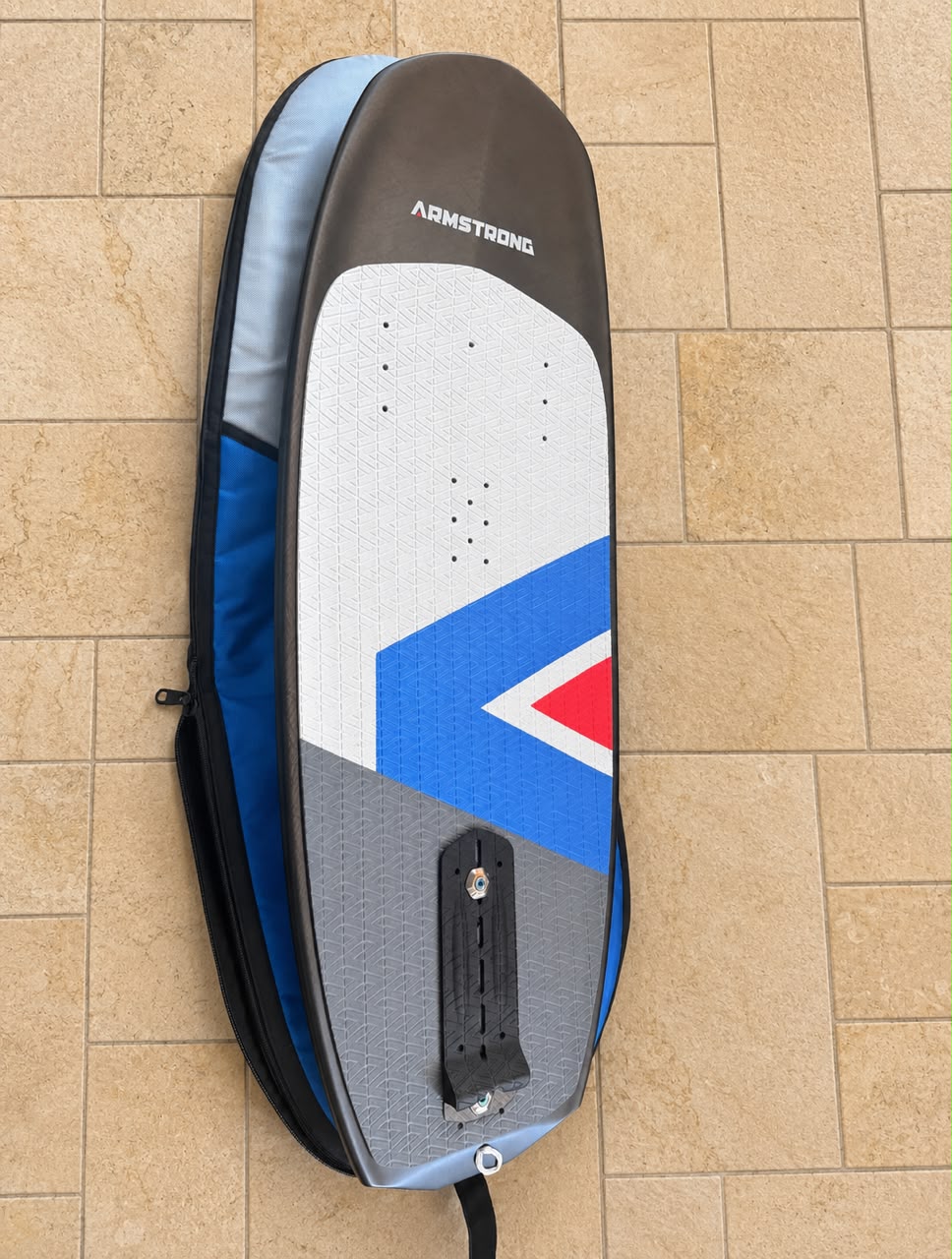
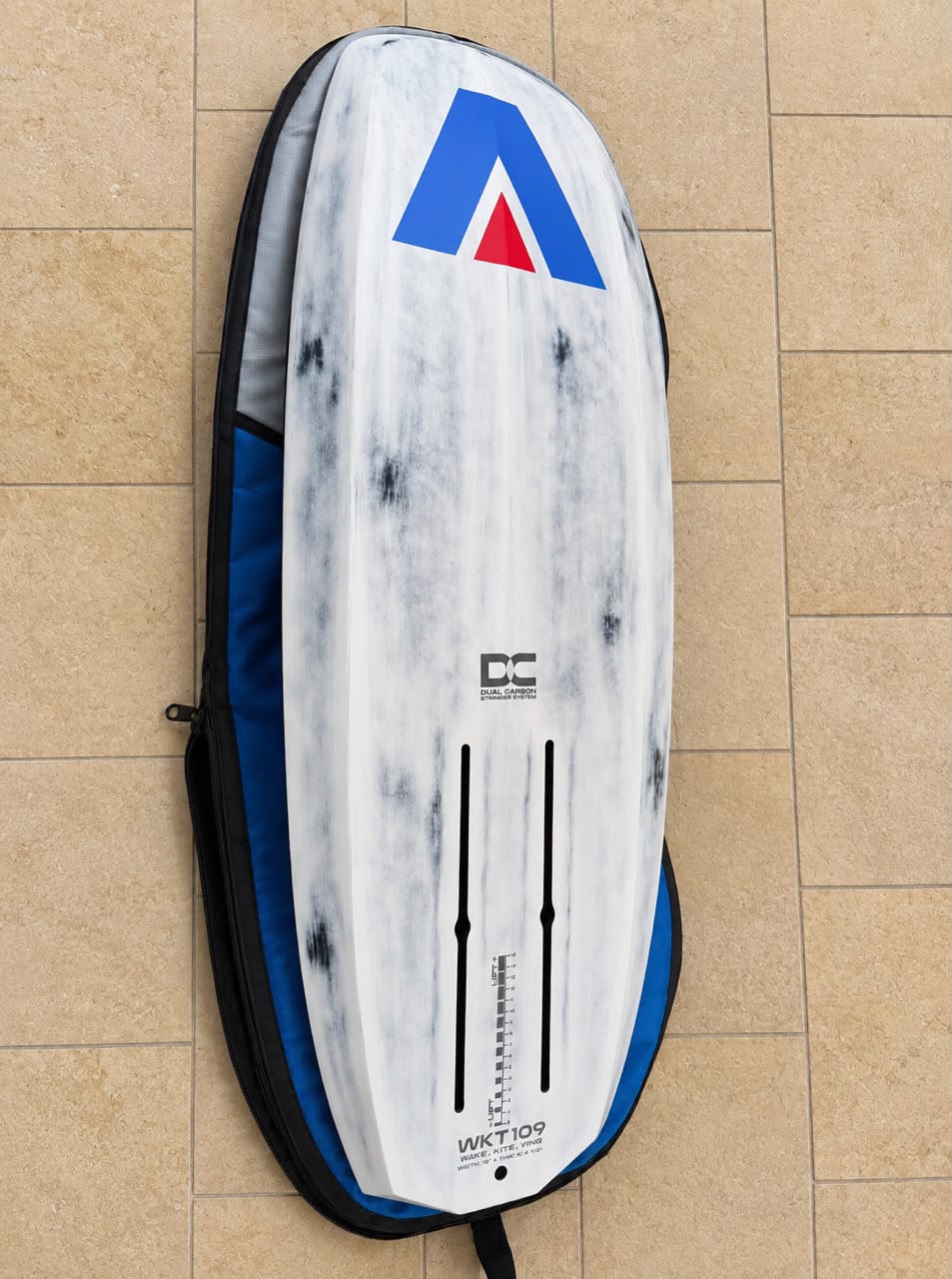
Used Armstrong WKT109 Board
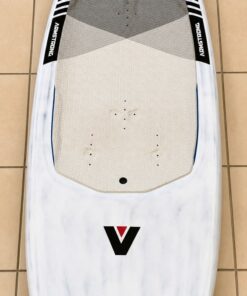
The Used Armstrong WKT109 Board is a premium carbon foil board engineered for experienced wake, kite, tow, and pump foiling enthusiasts who value precision, responsiveness, and lightweight performance. Featuring an ultra-compact 109 cm design with a low-volume profile, it delivers direct foil feedback, quick maneuverability, and excellent control during dynamic riding sessions.
Built with durable carbon construction and reinforced mast tracks, this used board remains an excellent choice for riders seeking high-end performance at a more affordable price. Before purchase, the board should be inspected for normal cosmetic wear and any previous repairs typical of pre-owned equipment.
Whether you’re expanding your foil setup or looking for a compact, performance-oriented board, the Used Armstrong WKT109 Board offers exceptional handling, responsive control, and the premium craftsmanship Armstrong is known for.
Used Armstrong WKT109 Board – Ultra-Thin Carbon Wake, Kite, Tow, and Pump Foil Board
Used Armstrong WKT109 Board Overview, Construction, Performance, and Compatibility
What Is the Used Armstrong WKT109 Board?
The Used Armstrong WKT109 Board is the 109 cm version of Armstrong’s original WKT, meaning Wake, Kite, and Tow. It was created as an exceptionally thin, low-volume platform for riders who want immediate feedback from the foil beneath their feet. The original model measures 109 cm long, 16.5 inches wide, and approximately one inch thick, with an 8.2-litre volume and a listed weight of about 2.7 kg.
Because little material separates the rider’s feet from the mast connection, movements are transmitted quickly. Therefore, the board is aimed primarily at experienced wake, kite, tow, and pump-foiling riders who value maneuverability over flotation. Independent testing also describes the WKT109 as the smallest and most advanced-rider-focused size in the original range.
Why Choose a Used Ultra-Low-Volume Foil Board?
A used model may provide access to premium molded-carbon construction at a lower cost than buying a current-generation board. However, value depends heavily on its actual condition. Before purchase, inspect the rails, nose, deck, underside, mast tracks, footstrap inserts, repair areas, and carbon surface for cracks, soft spots, water intrusion, separation, or impact damage.
The original WKT was designed to feel stiff, direct, and highly responsive. Its subtle deck scoop and rocker help it recover from brief touchdowns, while the thin profile limits the disconnected feeling often created by thicker boards.
Carbon Construction and Mast Connection
The original WKT uses molded-carbon construction intended to combine low weight, stiffness, and impact resistance. Retail specifications also identify C-beam construction, high-strength carbon mast tracks, and titanium M6 footstrap inserts.
An armstrong performance mast may be paired with the board when its mast plate and mounting hardware are compatible. Likewise, shoppers researching armstrong integrated foil masts price or armstrong integrated foil masts price 2025 should understand that mast cost is separate from the price of a used board unless the listing expressly includes one.
The mast tracks allow the foil position to be adjusted for rider weight, foil choice, stance, and preferred balance. Nevertheless, all hardware should be checked for corrosion, thread damage, and proper engagement before assembly.
Wake, Kite, Tow, and Pump-Foiling Performance
The WKT109 is not a conventional surf foil board, surf foilboard, or high-volume foiling board intended for paddling into waves. Its 8.2 L volume provides minimal flotation. Therefore, it is best suited to powered starts behind a boat, with a kite, during tow sessions, or in pump-foiling situations where the rider already has sufficient skill.
Although it may be grouped online with surf foil, surf foil boards, armstrong foil board, armstrong foil boards, foiling boards, and general armstrong foiling equipment, its intended use remains more specialized. Armstrong currently describes the WKT family as suitable for wake, kite, tow, and pump foiling.
Foil and Front-Wing Compatibility
The board can form part of a wider foil setup containing a mast, fuselage, stabilizer, front wing, and mounting hardware. An armstrong fuselage should be selected according to the mast and foil system being used.
Searches such as HA Front Foil, HA Front Foil for sale, wing foil front wing, hydrofoil front wing, and front foil refer to foil components rather than the board itself. A high-aspect front wing may support glide and pumping efficiency, while other wing profiles may emphasize turning, lift, or control. However, the best choice depends on rider weight, skill, speed, water conditions, and discipline.
The phrase hydrofoil lift stability describes two important performance characteristics. Lift helps the system rise and remain flying, whereas stability affects control across pitch, roll, and yaw. The board does not generate these characteristics alone; they result from the complete foil configuration and rider input.
How It Differs from Other Armstrong Boards
The WKT109 should not be confused with an armstrong downwind board, armstrong downwind boards, armstrong downwind foil board, or armstrong v1 downwind board. Downwind models use greater length and volume to support paddling, early acceleration, and open-water swell riding.
Similarly, armstrong midlength and armstrong mid length board refer to longer, higher-volume designs created for a different balance of takeoff performance, glide, and maneuverability. Armstrong’s current collection separates WKT, surf, wing, midlength, and downwind designs according to their intended disciplines.
The terms armstrong downwind foil and foil for sup also describe different uses. A SUP foil board must provide enough flotation and deck area for paddling, whereas this compact platform is intended to be ridden once powered or already moving.
Using It with Wings and Kites
An armstrong wing, armstrong wings, or armstrong wing foil setup normally uses a board with enough volume for water starts unless the rider has advanced sinker-board skills. As a result, the WKT109 is generally more practical for wake, tow, pump, and kite-powered riding than for ordinary wing-foil progression.
The phrase kite armstrong may be used by shoppers looking for Armstrong equipment suitable for kite foiling. In that context, the compact size, low swing weight, and direct connection can support rapid turns and powered maneuvers.
Evaluating Used Condition Before Purchase
A used board should be evaluated carefully rather than judged only by photographs. Check the following areas:
- Mast tracks for cracks, movement, or damaged threads
- Deck pad for lifting, compression, or excessive wear
- Footstrap inserts for corrosion or spinning hardware
- Rails and nose for repaired impacts
- Carbon laminate for soft areas or separation
- Bottom surface for deep scratches or exposed fibers
- Board bag and footstraps, when advertised as included
The original package included a board bag and a pair of straight footstraps with hardware, but a used listing may not include every factory accessory.
Important Search and Buying Information
People comparing armstrong foils, armstrong foils for sale, or premium foil equipment should verify whether a listing includes only the board or a complete setup. A board-only sale normally excludes the mast, armstrong fuselage, front wing, rear stabilizer, and fastening hardware unless these parts are specifically listed.
Ultimately, the Used Armstrong WKT109 Board is best understood as a compact, ultra-responsive specialty platform. Its minimal thickness, molded-carbon structure, and direct mast connection make it particularly relevant for capable riders seeking precise foil feedback during wake, kite, tow, or pump sessions.
Construction, On-Water Performance, Maintenance, and Long-Term Durability
Understanding the Design Philosophy
Every high-performance board is designed with a specific purpose in mind. In this case, the focus is placed on responsiveness, efficiency, control, and direct rider feedback. Rather than emphasizing buoyancy and maximum flotation, the overall design concentrates on precision and maneuverability.
This approach creates a closer connection between the rider and the water because the distance between the feet and the foil assembly is minimized. As a result, movements often feel more immediate and natural.
Furthermore, a lower-volume design frequently allows experienced riders to make rapid adjustments while maintaining excellent control.
Why Weight Distribution Matters
Weight distribution influences nearly every aspect of performance. Balance, stability, turning efficiency, acceleration, and overall responsiveness are all affected by the way weight is positioned across the board.
Several factors contribute to effective balance:
- Rider stance
- Foil placement
- Water conditions
- Board dimensions
- Riding speed
- Equipment configuration
Because each rider has different preferences, adjustments are often required before the ideal position is achieved.
Carbon Construction and Structural Strength
Modern carbon construction techniques are intended to achieve a balance between strength and weight reduction. Although lightweight materials improve maneuverability, sufficient rigidity remains equally important because structural flex may influence control and efficiency.
Several characteristics contribute to overall durability:
- High-strength carbon reinforcement
- Precision manufacturing techniques
- Impact resistance
- Corrosion resistance
- Long-term structural stability
- Consistent maintenance practices
Although advanced materials offer excellent durability, regular inspections remain essential because repeated exposure to water and sunlight gradually affects every piece of equipment.
How Shape Influences Performance
Board geometry directly affects handling characteristics. Length, width, thickness, and rocker profile all influence the way energy is transferred through the entire system.
Several important characteristics deserve attention:
- Stability during takeoff
- Turning response
- Recovery after contact with the water
- Control at higher speeds
- Overall maneuverability
Consequently, even small changes in dimensions may produce noticeable differences in performance.
Understanding Lift, Glide, and Efficiency
Efficient performance depends upon the interaction between the board, the foil system, environmental conditions, and rider technique. Because all these elements work together continuously, improvements in one area frequently influence the others.
Several factors contribute to efficiency:
- Stable positioning
- Consistent body movement
- Appropriate equipment selection
- Proper balance
- Smooth transitions
- Environmental awareness
As experience increases, riders often become more effective at identifying the combination that best matches their individual style.
Environmental Conditions and Their Effects
Environmental conditions should always be considered because they influence both performance and durability. Wind speed, water movement, air temperature, and surface conditions all affect the overall riding experience.
The following factors deserve particular attention:
- Wind direction
- Wave conditions
- Surface texture
- Water temperature
- Air temperature
- Visibility conditions
Understanding these variables often allows riders to prepare more effectively before entering the water.
Maintenance and Equipment Care
Routine maintenance contributes significantly to long-term durability. Salt, moisture, sand, and debris accumulate gradually, and therefore equipment should always be inspected carefully after each session.
Several maintenance procedures are commonly recommended:
- Rinse all surfaces thoroughly with fresh water.
- Remove salt deposits and accumulated debris.
- Dry every component carefully.
- Inspect attachment points and mounting hardware.
- Store equipment in an appropriate location.
Although these steps are relatively simple, they frequently provide substantial long-term benefits.
Transportation and Storage Recommendations
Transportation procedures require careful planning because repeated impacts and excessive heat may gradually affect structural integrity.
Several recommendations may help preserve long-term condition:
- Protect equipment from direct sunlight.
- Store equipment in a cool and dry environment.
- Avoid unnecessary impacts during transportation.
- Inspect equipment regularly.
- Keep protective covers clean and dry.
These habits often contribute to improved durability and a longer service life.
Long-Term Ownership Considerations
Long-term ownership involves much more than routine maintenance. Continuous learning, disciplined preparation, and careful observation all contribute to a safer and more rewarding experience.
Several important principles should always be remembered:
- Develop effective maintenance routines.
- Continue improving riding techniques.
- Monitor environmental conditions carefully.
- Protect equipment from avoidable damage.
- Perform inspections regularly.
These habits frequently help preserve both performance and reliability throughout years of use.
Riding Characteristics, Equipment Care, Performance Optimization, and Ownership Guidance
Understanding Real-World Performance
Real-world performance is determined by much more than dimensions and construction methods. Rider experience, water conditions, weather patterns, equipment configuration, and maintenance routines all contribute to the overall experience.
Although advanced materials provide impressive strength and rigidity, successful performance still depends heavily upon preparation and technique. Consequently, riders often spend time refining their setup until they discover a combination that complements their preferred style.
As experience increases, confidence usually develops as well, allowing smoother transitions and more precise control.
Why Board Control Is So Important
Control influences every aspect of riding performance. Stable positioning allows riders to react more effectively to changing conditions while maintaining balance and efficiency throughout each session.
Several factors influence overall control:
- Foot placement
- Body position
- Water conditions
- Wind direction
- Equipment adjustments
- Riding speed
Because these variables constantly change, flexibility and awareness remain extremely important.
How Efficiency Improves the Riding Experience
Efficiency allows energy to be transferred more effectively between the rider and the water. Instead of relying entirely upon strength, experienced riders often focus on timing, balance, and smooth movements.
Several habits frequently improve efficiency:
- Maintaining a stable stance
- Making gradual adjustments
- Anticipating changes in water movement
- Remaining aware of environmental conditions
- Practising consistent techniques
Over time, these habits often become instinctive and contribute to more predictable results.
The Importance of Environmental Awareness
Environmental conditions influence performance in countless ways. Changes in wind direction, wave size, visibility, water temperature, and surface texture all affect the overall experience.
Several conditions deserve close attention:
- Wind speed and direction
- Water currents
- Wave patterns
- Tidal movement
- Visibility conditions
- Water temperature
A careful understanding of these factors frequently improves both safety and overall performance.
Protecting Equipment from Wear
Every piece of equipment experiences wear as a result of repeated use. Therefore, regular maintenance should be regarded as an essential responsibility rather than an optional activity.
Several recommendations may help preserve long-term durability:
- Remove accumulated sand and salt deposits.
- Dry equipment thoroughly after each session.
- Inspect surfaces for signs of damage.
- Protect exposed components during transportation.
- Perform routine maintenance checks.
Although these practices require time and attention, they often extend the useful life of the equipment considerably.
Transportation and Storage Practices
Transportation procedures should always be approached carefully because impacts, vibration, and environmental exposure may gradually affect structural integrity.
The following practices are often recommended:
- Protect surfaces from direct sunlight.
- Avoid prolonged exposure to excessive heat.
- Store equipment in a dry environment.
- Inspect attachment points regularly.
- Keep storage areas clean and organized.
These precautions often reduce the possibility of avoidable damage.
Developing Effective Riding Habits
Long-term progress is frequently achieved through patience, repetition, and continuous learning. Instead of attempting to master every skill immediately, experienced riders often concentrate on building a strong foundation.
Several habits commonly contribute to improvement:
- Maintaining consistent routines
- Studying changing conditions
- Refining body positioning
- Practising smooth movements
- Learning from previous experiences
These habits frequently strengthen confidence while supporting steady progress.
Frequently Asked Questions
Why is preparation important before entering the water?
Preparation allows riders to inspect equipment, evaluate environmental conditions, and make necessary adjustments before beginning a session.
How do environmental conditions influence performance?
Environmental factors such as wind, waves, currents, and temperature directly affect balance, efficiency, and control.
Why should equipment be inspected regularly?
Regular inspections help identify signs of wear before more significant problems develop.
What contributes most to long-term durability?
Careful maintenance, responsible storage practices, proper transportation methods, and consistent inspections all contribute to preserving equipment.
Final Thoughts
Long-term performance depends upon preparation, experience, discipline, and attention to detail. Riders who establish effective habits often discover that consistency and patience provide the foundation for continuing improvement.
Advanced Riding Techniques, Long-Term Care, and Performance Development
Building Confidence Through Experience
Every session on the water provides an opportunity to develop better balance, greater awareness, and more refined control. While high-quality equipment plays an important role, experience often becomes the factor that separates an average session from an exceptional one.
Progress usually occurs gradually because timing, coordination, and positioning improve with repetition. Consequently, riders who remain patient frequently develop stronger techniques and a deeper understanding of how different conditions influence performance.
Rather than focusing exclusively on speed, experienced riders often place equal importance on efficiency, consistency, and control.
Why Body Positioning Matters
Body positioning influences balance, responsiveness, and maneuverability. Even slight adjustments in posture can create noticeable changes in handling characteristics.
Several elements contribute to improved positioning:
- Foot placement
- Weight distribution
- Head position
- Shoulder alignment
- Knee movement
- Balance control
Because water conditions constantly change, riders often adapt their position continuously throughout a session.
Understanding Turning Performance
Turning ability depends upon the interaction between equipment setup, rider technique, and environmental conditions. Smooth movements generally create more predictable results than sudden adjustments.
Several factors influence turning characteristics:
- Entry speed
- Body movement
- Weight transfer
- Surface conditions
- Equipment configuration
- Overall balance
As riders gain experience, they often become more comfortable making subtle adjustments that improve fluidity and control.
Environmental Awareness and Adaptation
Changing environmental conditions present both opportunities and challenges. Wind strength, water movement, and surface conditions may all influence the quality of a session.
The following factors deserve close attention:
- Wave size
- Wind direction
- Current strength
- Water depth
- Air temperature
- Visibility
Understanding these conditions often allows riders to make better decisions before entering the water.
Protecting Equipment Between Sessions
Regular care contributes significantly to long-term durability. Although modern materials are designed to withstand demanding conditions, routine maintenance remains essential because prolonged exposure to salt, sand, and sunlight may gradually affect performance.
Several maintenance recommendations are commonly followed:
- Wash exposed surfaces thoroughly with fresh water.
- Remove sand and salt deposits.
- Dry equipment completely before storage.
- Inspect all connection points carefully.
- Store equipment in a suitable location.
These simple practices frequently help preserve both appearance and functionality.
Transportation and Storage Considerations
Transportation introduces additional stresses that should never be overlooked. Repeated impacts, excessive heat, and prolonged exposure to moisture may influence structural integrity over time.
Several precautions often prove beneficial:
- Protect surfaces during transportation.
- Avoid unnecessary impacts.
- Keep storage areas clean and dry.
- Limit exposure to direct sunlight.
- Conduct regular inspections.
By following these recommendations consistently, riders often extend the lifespan of their equipment.
Developing Long-Term Riding Habits
Long-term development depends upon patience, consistency, and continuous learning. Every session provides valuable information that can be applied to future experiences.
Several practices frequently contribute to improvement:
- Establishing regular routines
- Studying changing conditions
- Refining movement patterns
- Maintaining equipment carefully
- Reviewing previous experiences
These habits often strengthen confidence while supporting steady progress over time.
Frequently Asked Questions
Why does experience play such an important role?
Experience improves awareness, confidence, and the ability to respond effectively to changing conditions.
Why should equipment be cleaned after every session?
Regular cleaning helps remove salt, sand, and moisture that may contribute to premature wear.
How can durability be improved?
Durability is often improved through proper maintenance, careful transportation, and appropriate storage procedures.
Why is environmental awareness important?
Environmental awareness allows riders to prepare more effectively while reducing unnecessary risks.
Final Remarks
Successful long-term ownership depends upon preparation, discipline, and continuous improvement. Riders who develop effective habits frequently experience greater confidence, more reliable performance, and a more enjoyable experience on the water.
Long-Term Ownership, Performance Refinement, and Equipment Preservation
Establishing a Long-Term Approach
Long-term performance is achieved through consistent care, regular practice, and a willingness to continue learning. Although modern construction methods provide impressive durability, every piece of equipment benefits from careful handling and routine maintenance.
With time and experience, riders often discover that small adjustments can produce significant improvements. Therefore, patience and consistency frequently become just as valuable as the equipment itself.
A structured approach not only improves reliability but also helps create a safer and more enjoyable experience on the water.
Why Consistency Creates Better Results
Consistency remains one of the most important elements of long-term development. Repeating effective habits allows riders to build confidence while gradually refining their skills.
Several factors contribute to greater consistency:
- Balanced body positioning
- Smooth transitions
- Awareness of environmental conditions
- Regular maintenance procedures
- Careful preparation before each session
As these habits become established, overall efficiency often improves.
Understanding the Importance of Regular Inspections
Regular inspections allow owners to identify signs of wear before more significant problems develop. Since environmental exposure continuously affects equipment, even minor damage should be addressed promptly.
A thorough inspection should include the following areas:
- External surfaces
- Mounting points
- Protective coverings
- Connection hardware
- Areas exposed to repeated stress
These inspections often help preserve both performance and structural integrity.
Protecting Equipment From Environmental Exposure
Environmental conditions influence durability throughout the entire ownership experience. Saltwater, sunlight, heat, sand, and moisture may gradually affect different materials over time.
Several precautions may help reduce unnecessary wear:
- Store equipment in a cool environment.
- Rinse surfaces thoroughly after each session.
- Dry components completely before storage.
- Avoid prolonged exposure to direct sunlight.
- Protect surfaces from unnecessary impacts.
Although these steps appear simple, they frequently provide considerable long-term benefits.
How Preparation Improves Performance
Preparation begins long before entering the water. Careful planning allows riders to evaluate conditions, inspect equipment, and make adjustments that may improve comfort and efficiency.
Several recommendations are commonly followed:
- Review weather conditions carefully.
- Inspect all visible components.
- Confirm that every connection remains secure.
- Prepare appropriate safety equipment.
- Select a suitable location for the session.
Because conditions may change unexpectedly, flexibility remains extremely important.
Transportation and Storage Best Practices
Transportation and storage procedures should always be approached carefully. Impacts, vibration, and excessive heat may gradually influence the condition of various components.
The following practices are frequently recommended:
- Use protective covers whenever possible.
- Avoid placing heavy objects on stored equipment.
- Keep storage areas dry and well ventilated.
- Inspect surfaces regularly.
- Protect equipment during transportation.
These habits often contribute to improved reliability and durability.
Developing Effective Habits for Continued Improvement
Progress is rarely achieved in a single session. Instead, improvement generally results from dedication, observation, and repeated practice over an extended period.
Several habits frequently contribute to continued development:
- Studying changing conditions
- Refining balance and positioning
- Maintaining equipment consistently
- Recording valuable observations
- Learning from previous experiences
These practices often strengthen confidence while encouraging steady progress.
Frequently Asked Questions
Why should inspections be performed regularly?
Regular inspections help identify wear and damage before they influence performance or safety.
How can long-term durability be improved?
Appropriate maintenance, careful storage, and responsible handling all contribute to improved durability.
Why are transportation procedures important?
Transportation exposes equipment to movement, vibration, and environmental conditions that may influence long-term reliability.
Why is preparation important before each session?
Preparation allows riders to assess conditions, inspect equipment, and reduce the possibility of avoidable problems.
Final Thoughts
Long-term success depends upon patience, discipline, preparation, and continuous learning. Riders who establish effective routines often preserve the condition of their equipment while creating more consistent and rewarding experiences on the water.
Be the first to review “USED ARMSTRONG WKT109 BOARD”
Related products
Used Product
Used Product
Used Product
Used Product
Used Product
Used Product
Used Product


Used Product
Reviews
There are no reviews yet.