



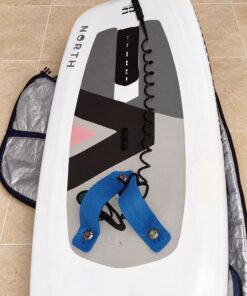
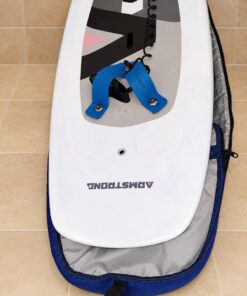

Used Armstrong Wing SUP 4’11” 60L
€750.00
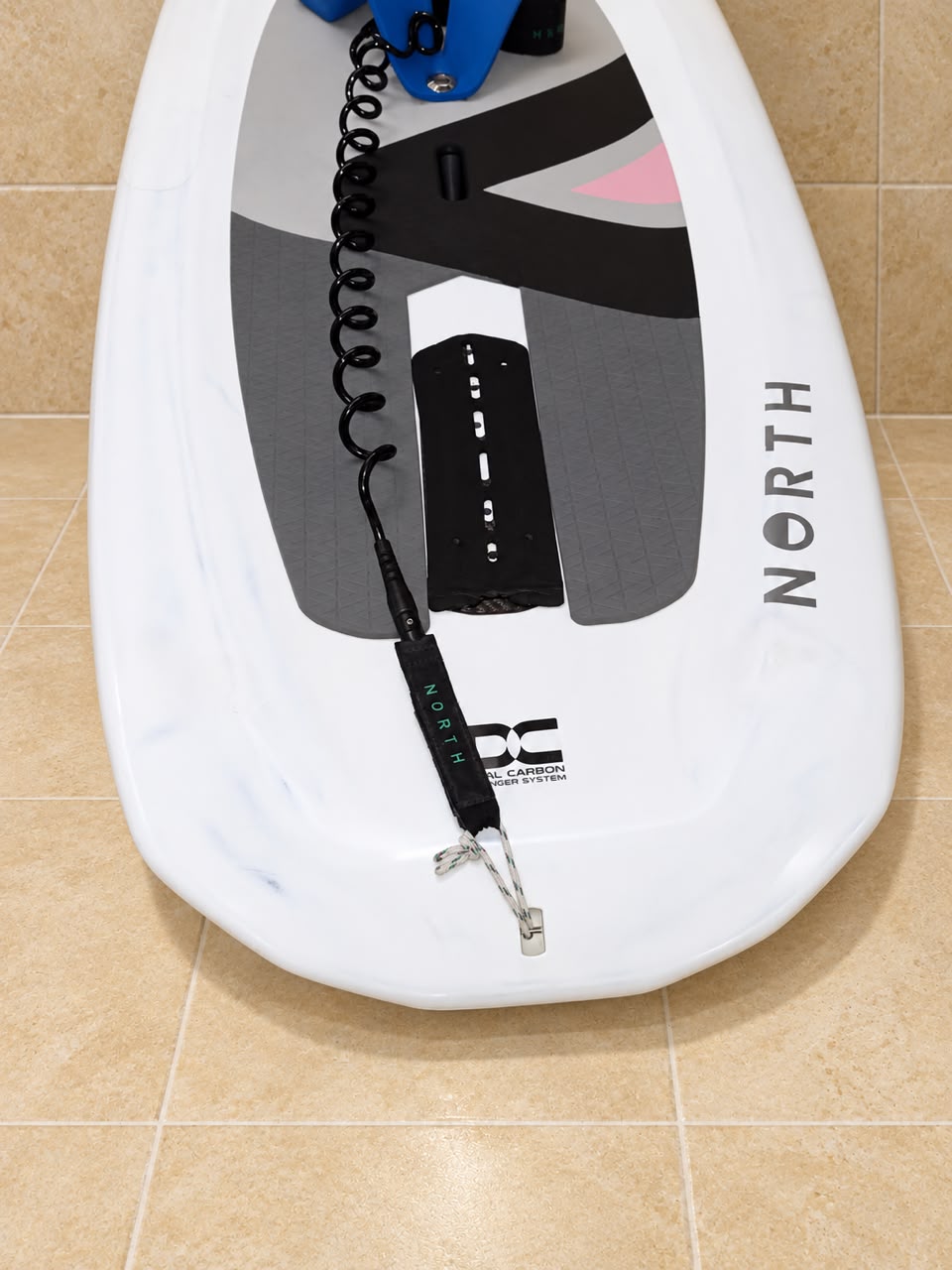
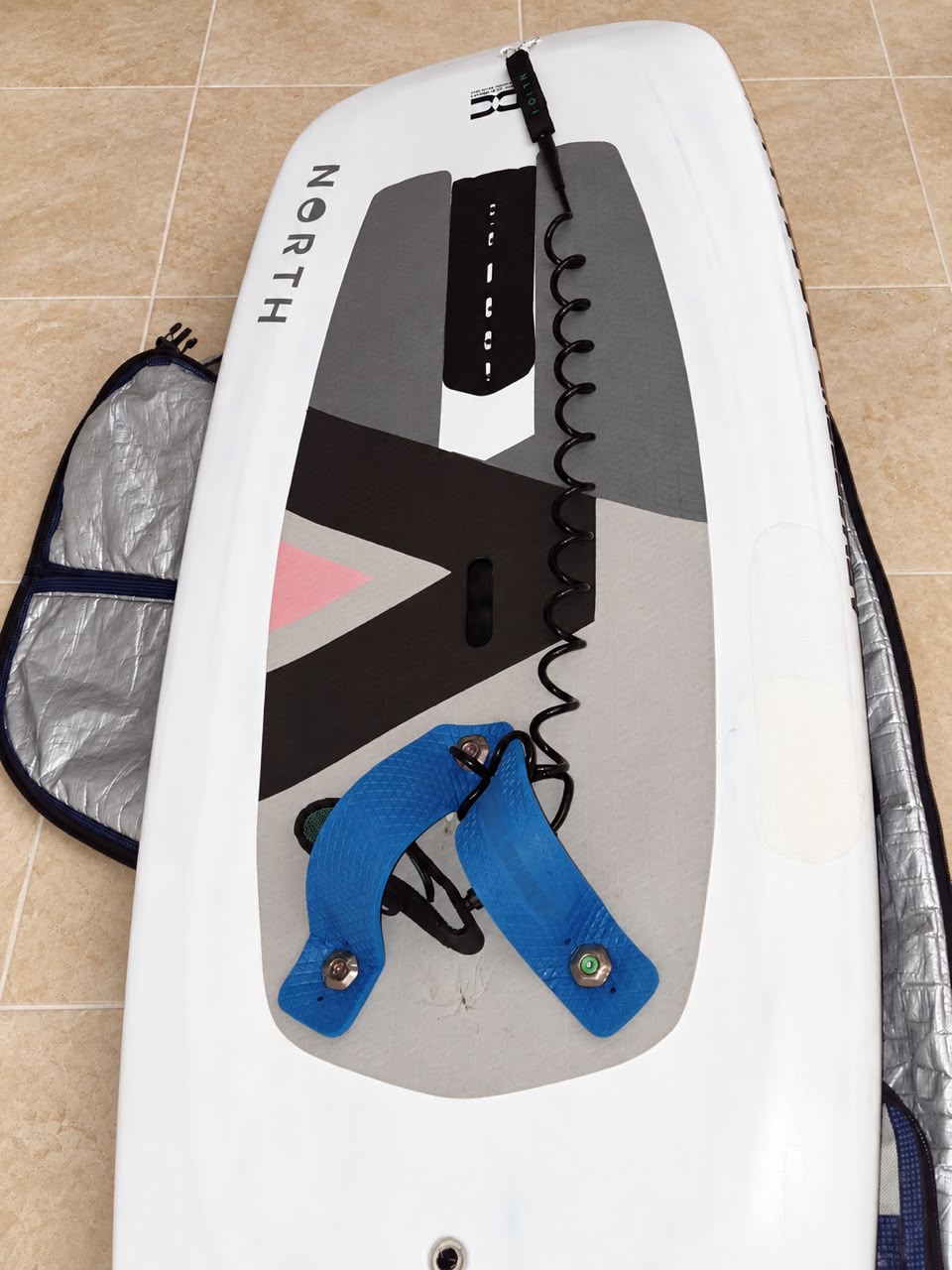
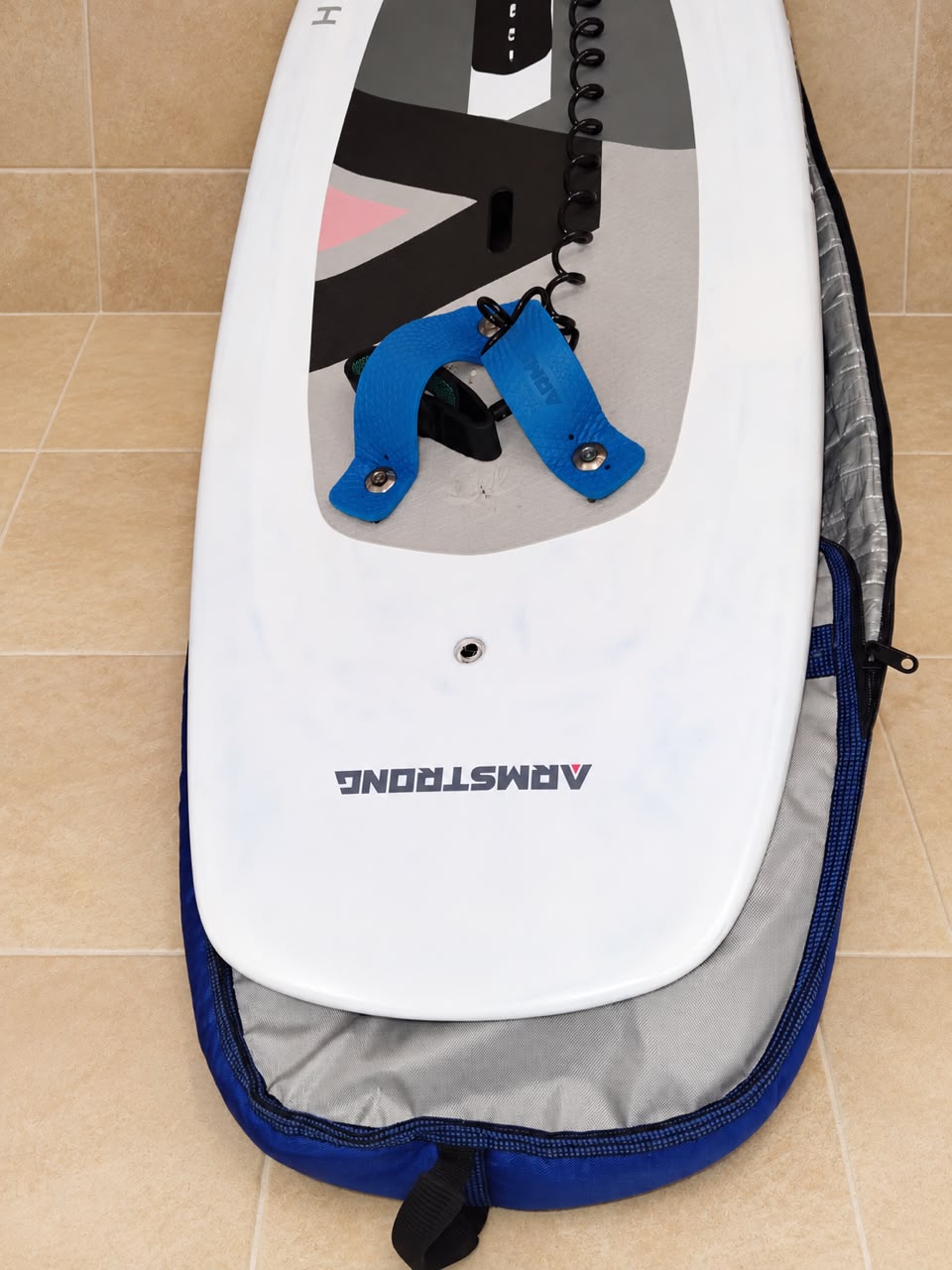
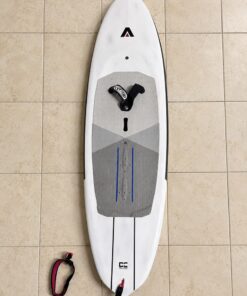
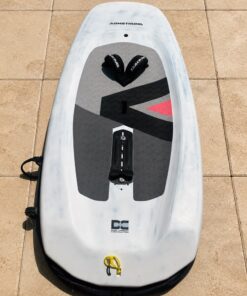
This Used Armstrong Wing SUP FG 4’11” 60L is a lightweight, compact foil board in very good condition, designed for riders who want excellent stability, low swing weight, and direct foil control. Its 60L volume, recessed deck, compact outline, and stiff dual-carbon construction give it a responsive feel once airborne while still providing useful balance before takeoff.
The board features Armstrong’s performance-focused construction with dual carbon stringers, carbon fibre reinforcement, Dyneema material, and strong mast-track support, making it both light and rigid for precise handling. Its chisel-style nose, shaped rails, and efficient tail help with acceleration, water release, and smoother touchdown recovery.
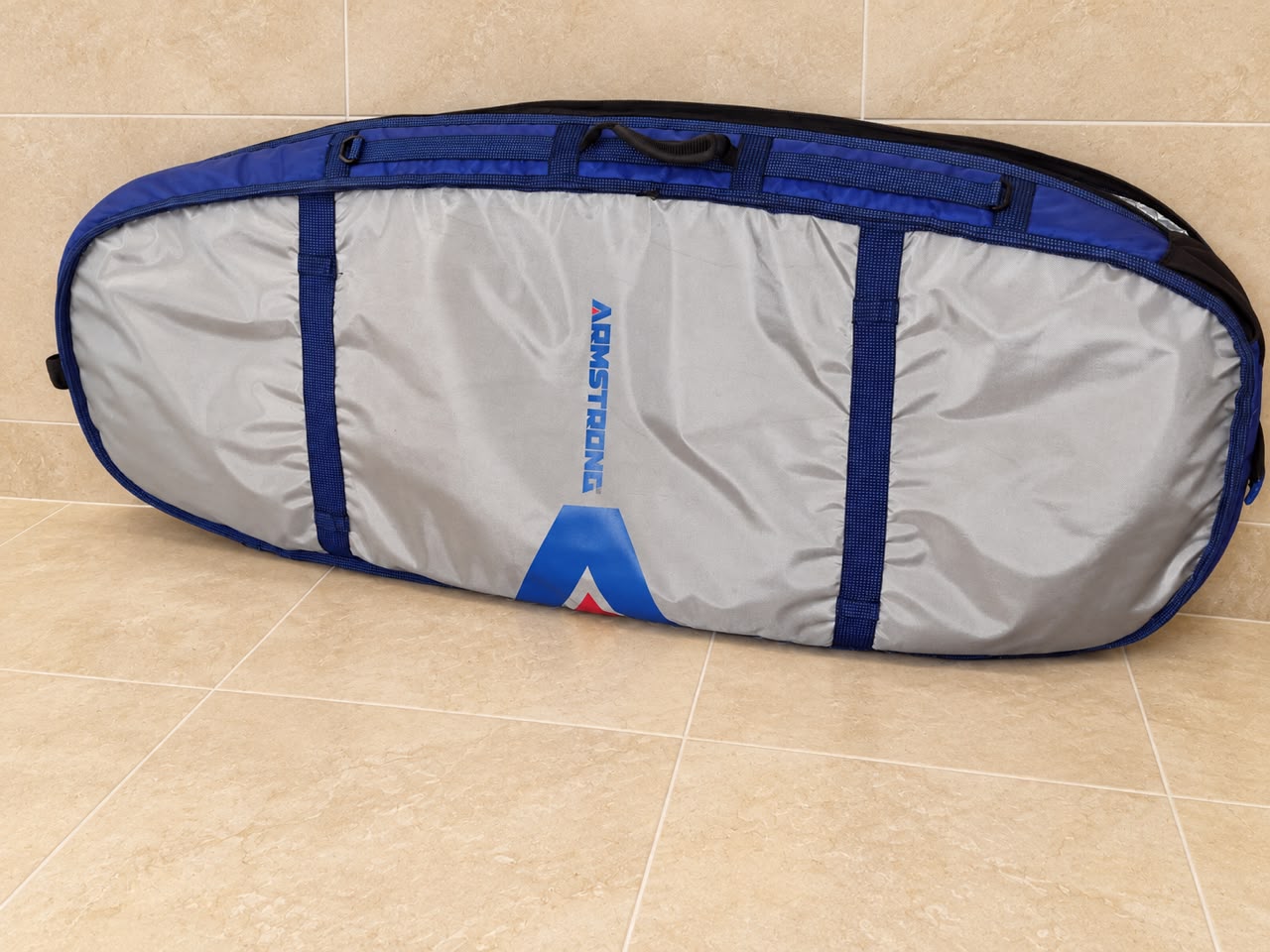
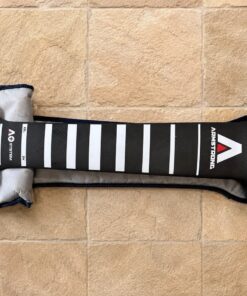
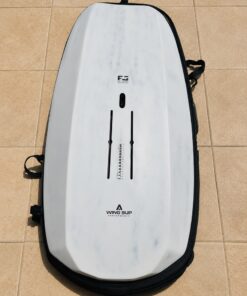
This board comes with an Armstrong protective case. Foot straps and leash are included.
Overall, it is a strong used option for intermediate to advanced riders looking for a compact, responsive, and well-built 60L wing-foil board with excellent control and very good reported condition.
Used Armstrong Wing SUP FG 4’11” 60L – Lightweight Dual-Carbon Wing Foil Board with Outstanding Stability
This Used Armstrong Wing SUP FG 4’11” 60L is a compact, lightweight and highly responsive foil board designed to combine impressive stability with direct foil control.
The board is reported to be in very good overall condition and comes with an Armstrong protective case.
Foot straps and leash are not included.
With a length of 4’11”, width of approximately 23.5 inches, thickness of approximately 4.25 inches, and volume of 60 litres, this board offers a compact outline while retaining enough volume to provide useful stability for appropriately matched riders Used Armstrong Wing SUP 4’11 60L.
Its average listed weight is approximately 4.7 kg / 10.3 lb, which helps keep swing weight low once the board is flying.
The construction is one of the board’s strongest technical features.
A lightweight foam core is reinforced with multiple PVC sections, while dual carbon stringers, carbon fibre and Dyneema cloth provide stiffness and structural strength.
That combination allows the board to feel light underfoot without relying on a fragile construction concept.
Used Condition
This board is described as being in very good used condition.
It is being sold as a used board rather than because of a stated defect.
Before purchase, a buyer should still inspect:
Deck condition
Bottom surface
Rails
Nose
Tail
Mast tracks
Foil mounting area
Deck pad
Carry handle
Any previous repairs
Cosmetic marks are normal on used foil boards, but structural damage should always be distinguished from ordinary surface wear.
Included Equipment
The sale includes:
Armstrong Wing SUP FG 4’11” 60L board
Armstrong protective board case
The following are not included:
Foot straps
Leash
Foil
Mast
Fuselage
Front wing
Rear stabilizer
This makes the listing clear for buyers who may already own compatible components.
Technical Dimensions
Length: 4’11”
Width: approximately 23.5″
Thickness: approximately 4.25″
Volume: 60L
Average published weight: approximately 4.7 kg / 10.3 lb
Construction: foam core, PVC reinforcement, dual carbon stringers, carbon fibre and Dyneema cloth
Board family: Forward Geometry Wing SUP
The compact dimensions make the board particularly attractive to riders who want low swing weight and direct handling once on foil.
Why the Forward Geometry Design Matters
The board’s shape was developed to improve acceleration before takeoff.
A long usable waterline helps the board move forward efficiently rather than simply pushing water.
The chisel-shaped nose contributes stability while directing water beneath the board.
This helps the board build speed toward foil takeoff.
Recessed Deck
The recessed deck lowers the rider’s feet relative to the foil connection.
This creates a more direct relationship between the rider and foil.
The result can be a more connected feel when controlling pitch and roll.
Why a Lower Standing Position Helps
Reducing the vertical distance between the rider’s feet and the foil can reduce leverage losses.
The board can therefore feel more precise and responsive.
This becomes especially noticeable once airborne.
Stable Volume Distribution
The relatively rectangular outline and wide nose allow volume to be distributed efficiently throughout the board.
This improves stability while waiting for wind, positioning the wing or preparing for takeoff.
For a compact 60L board, this stability is one of its most useful characteristics.
Chisel Nose
The broad nose helps support the front of the board before takeoff.
It also encourages water to pass under the hull rather than simply being pushed around the sides.
This can help with acceleration.
Nose Rocker
The nose uses substantial rocker leading into a double-concave lower surface.
This geometry helps the board recover when the nose contacts the water.
It can also help direct water smoothly toward the rear of the board during acceleration.
Tail Design
The tail is shaped to release water efficiently.
A clean release helps reduce drag as the board accelerates.
That can make the transition onto foil feel quicker and cleaner.
Accentuated Chines
The rails are designed with pronounced chines.
As the board rises, less of the hull remains in contact with the water.
This reduces drag.
The chines can also help the board recover from touchdowns without catching as aggressively as a flatter rail shape might.
Lightweight Construction
The lightweight build reduces swing weight once airborne.
That can improve:
Pitch control
Turning response
Pumping
Touchdown recovery
Overall maneuverability
A lighter board can also feel less tiring during longer sessions.
Dual Carbon Construction
The dual-carbon stringer concept adds stiffness through the board.
A stiff board can transfer rider input to the mast more directly.
That is especially useful during pumping, carving and rapid pitch adjustments.
Why Carbon Stiffness Matters
If a board flexes excessively between the rider and mast, some input can be lost.
A stiff platform allows changes in foot pressure to be transferred more directly to the foil.
Dyneema Reinforcement
Dyneema is used as part of the overall shell construction to increase toughness without excessive weight.
This supports the board’s combination of lightness and strength.
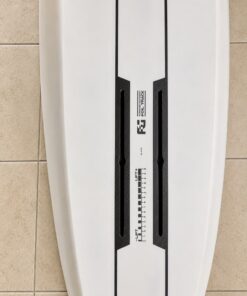
Carbon Mast Tracks
The board uses high-strength carbon mast tracks rather than basic plastic track components.
These tracks provide the mounting interface for compatible foil systems.
The mounting area should remain clean and free from cracks or compression damage.
Why Mast Track Position Matters
Changing mast position can alter how much front-foot or back-foot pressure is required.
A small change can make a significant difference to board balance.
HA Front Foil
An HA Front Foil can complement this board when the rider wants efficient glide and pumping performance.
Actual foil size should be selected according to rider weight, skill and conditions.
armstrong foils
armstrong foils can be paired with the board using compatible mast and foil components.
The complete setup determines how quickly the board lifts and how it behaves once airborne.
armstrong integrated foil masts price
Searches for armstrong integrated foil masts price generally relate to mast upgrades and complete foil-system costs.
Mast choice can significantly affect stiffness and drag.
armstrong foil board
This armstrong foil board is designed specifically around hydrofoil performance rather than conventional board riding.
surf foil board
Although primarily designed around wing and SUP-style foil use, a compact surf foil board shares several characteristics with this board, including low swing weight and direct foil response.
armstrong downwind board
An armstrong downwind board is generally longer and designed to accelerate efficiently through paddle power and bumps.
This 4’11” board is much more compact.
armstrong midlength
An armstrong midlength board provides more waterline than this compact 4’11” platform.
However, the smaller board offers reduced swing weight and more compact handling.
armstrong downwind foil
An armstrong downwind foil setup prioritizes glide and efficient energy transfer.
A suitable high-aspect foil can be paired with this board depending on rider skill and conditions.
armstrong mid length board
An armstrong mid length board generally offers easier acceleration than a very short board while retaining more maneuverability than a long downwind platform.
armstrong downwind boards
armstrong downwind boards serve a different primary purpose, but many of the same design principles involving acceleration, glide and foil connection remain important.
wing foil front wing
Choosing the correct wing foil front wing is essential.
A larger front wing can provide earlier lift.
A smaller wing can provide more speed and maneuverability.
HA Front Foil for sale
A rider searching for an HA Front Foil for sale may combine one with this board to build an efficient high-aspect foil setup.
kite armstrong
The phrase kite armstrong may relate to Armstrong foil equipment used in kite-powered foiling.
The board itself is primarily aimed at wing and SUP foil disciplines.
armstrong foil boards
armstrong foil boards are produced in different sizes and shapes to match rider weight, experience and discipline.
The 60L model is one of the more compact Wing SUP options.
surf foil
A surf foil configuration generally places strong emphasis on low swing weight and responsive turning.
The compact length of this board supports those characteristics.
armstrong foiling
armstrong foiling equipment is designed as a complete ecosystem of boards, masts, front wings, fuselages and stabilizers.
foiling board
A good foiling board needs to combine adequate volume before takeoff with minimal interference once airborne.
This model is designed around that balance.
armstrong foils for sale
Buyers searching armstrong foils for sale should confirm that the selected mast and foil components are compatible with the board’s track system.
foiling boards
Different foiling boards prioritize different characteristics.
Some focus on beginner stability.
Others prioritize paddle efficiency.
This compact model emphasizes wing-foil responsiveness while maintaining useful stability for its size.
surf foilboard
A surf foilboard often uses compact dimensions for direct control.
The 4’11” outline provides a similarly compact feel.
armstrong performance mast
An armstrong performance mast can complement the rigid board construction by improving overall system stiffness.
armstrong wing
An armstrong wing can provide the handheld power source for wing foiling.
Wing size should match wind conditions and rider weight.
surf foil boards
surf foil boards typically keep swing weight low to improve turning and pumping.
This board’s lightweight construction delivers similar advantages.
armstrong wings
armstrong wings come in different sizes for different wind ranges.
Board volume and foil size should be matched to the chosen wing and rider.
armstrong fuselage
The armstrong fuselage connects the mast, front foil and stabilizer.
Its length and design can influence pitch stability and turning.
armstrong v1 downwind board
The armstrong v1 downwind board belongs to another board category designed around longer waterline and paddle acceleration.
This 4’11” board remains significantly more compact.
armstrong integrated foil masts price 2025
Searches for armstrong integrated foil masts price 2025 may help buyers compare earlier mast pricing when planning a complete used or mixed-generation setup.
foil for sup
A foil for SUP should provide suitable lift for the rider and board.
A larger foil can make takeoff easier in slower conditions.
armstrong wing foil
This board is particularly relevant to an armstrong wing foil setup because its compact geometry, carbon construction and recessed deck are designed for wing-foil control.
armstrong downwind foil board
An armstrong downwind foil board is typically longer than this model.
The additional length makes paddle acceleration easier, while this board prioritizes compact handling once airborne.
hydrofoil front wing
The hydrofoil front wing generates most of the lift in the foil system.
Its size has a major effect on takeoff speed and overall board behaviour.
front foil
The front foil should be selected according to rider weight, wind, skill and preferred riding style.
hydrofoil lift stability
Hydrofoil lift stability comes from the interaction between front wing, stabilizer, mast, fuselage, board and rider technique.
The board’s recessed deck and stiff construction help create direct control over that complete system.
Why This Used Board Is Worth Considering
The board is particularly attractive because it combines a compact 60L platform with relatively sophisticated construction.
It offers:
Very good reported condition
4’11” compact length
60L volume
Approximately 4.7 kg average published weight
Dual carbon stringers
Carbon fibre construction
Dyneema reinforcement
Recessed deck
Carbon mast tracks
Protective Armstrong case
That is a strong combination for a rider who already understands foil-board balance.
Why Stability Is Impressive for Its Size
A compact board normally sacrifices some surface stability.
However, the broad nose, rectangular outline and carefully distributed volume help make this 60L platform more stable than its short length may suggest.
That is particularly useful while getting onto the board and preparing for takeoff.
Why Low Weight Matters
Once airborne, board weight becomes especially noticeable.
A heavy board can feel slower to respond.
A lighter board changes pitch and roll more easily.
This can improve carving, pumping and transitions.
Why the 60L Volume Matters
Sixty litres creates a relatively low-volume platform compared with larger Wing SUP models.
That means rider weight becomes important.
For some riders it may remain partially buoyant.
For others it may function more like a sinker-style board.
Experience should therefore guide selection.
Where This Board Performs Well
The board is most naturally suited to:
Wing foiling
Compact foil setups
Higher-performance riding
Pumping
Carving
Intermediate to advanced progression
Its suitability for any rider depends heavily on body weight and experience.
When This Board Makes Sense
It makes sense when a rider wants:
A compact board
Low swing weight
Direct foil control
Carbon construction
Useful stability
A 60L platform
Responsive handling
A board that is easier to maneuver once airborne
Why It May Not Suit Every Rider
A beginner who needs a highly buoyant board may prefer more volume.
Likewise, a heavier rider may find 60L demanding during starts.
Board volume should be considered in relation to rider weight and water-start technique.
Foot Straps Not Included
Foot straps are not included in the sale.
A buyer who prefers strapped riding will need to obtain compatible straps separately.
Leash Not Included
A leash is also not included.
A suitable leash should be sourced separately according to the intended discipline and local conditions.
Armstrong Case Included
The included Armstrong case adds useful value.
Foil boards are vulnerable to impact around rails, nose, tail and mast-track areas during transport.
A padded case helps protect these areas.
Used Board Inspection
Before purchase, inspect:
Nose
Rails
Tail
Deck
Bottom
Mast tracks
Track inserts
Carbon surface
Deck pad
Carry handle
Any repaired areas
Any soft spots
Why Soft Spots Matter
A soft area can indicate internal damage or delamination.
The deck and bottom should feel structurally consistent.
Inspecting the Mast Tracks
Mast tracks experience substantial load.
They should be checked for cracking, deformation or separation from the surrounding board structure.
Surface Marks
Minor scratches or paint marks are normal on many used boards.
They should be distinguished from deeper structural damage.
Saltwater Care
After use in saltwater, the board should be rinsed with fresh water.
The mast-track area deserves particular attention.
Storage
The board should be stored dry and protected from prolonged direct sunlight.
Heat Exposure
Foil boards should not be left for long periods in extreme heat.
Using the Case
The protective case should be used during transportation and storage whenever practical.
Final Section 1 Assessment
This Used Armstrong Wing SUP FG 4’11” 60L is a highly capable compact foil board that combines impressive stability with light weight, stiffness and direct foil control.
At approximately 4’11” × 23.5″ × 4.25″ with 60 litres of volume, it provides a compact platform designed for riders who want reduced swing weight without giving up all pre-flight stability.
The construction is particularly noteworthy.
A foam core is reinforced with multiple PVC sections, dual carbon stringers, carbon fibre and Dyneema cloth.
The result is a lightweight but stiff platform designed to transfer rider input effectively.
Its recessed deck positions the rider closer to the mast.
The chisel nose provides useful stability.
The extended waterline helps acceleration.
The bottom contours and pronounced chines help the board release from the water and recover from touchdowns.
The tail is designed to reduce drag as speed builds.
Combined, these features make the board well suited to riders who want a responsive wing-foil platform rather than a large, heavy beginner board.
The board is reported to be in very good condition and includes an Armstrong protective case, while foot straps and leash are not included.
For an appropriately sized rider with the experience to use a 60L board, it can provide a lightweight, direct and highly responsive platform for wing foiling and other compatible foil disciplines.
Section 2 – Real-World Performance, Stability, Takeoff, Handling, Construction, Care and Buyer Considerations
Understanding the Board in Real-World Use
The Armstrong Wing SUP FG 4’11” 60L is designed for riders who want a compact foil board with low swing weight, direct mast connection and useful stability before takeoff.
Its short length and relatively low volume give it a performance-oriented character once airborne.
At the same time, the wide outline, nose shape, recessed deck and carefully distributed volume help make the board more manageable than its compact dimensions might suggest.
This balance is one of the main reasons the board can appeal to intermediate and experienced riders who want a smaller platform without moving into an excessively unstable shape.
Why the 60L Volume Matters
Board volume strongly influences how the board behaves before takeoff.
A 60L platform can feel very different depending on the rider’s body weight.
For a lighter rider, 60 litres may provide useful flotation.
For a heavier rider, the board may sit lower in the water and require more technique during starts.
This means volume should always be considered alongside rider weight and experience.
Why Rider Weight Changes the Experience
The same board can feel stable and manageable for one rider while feeling demanding for another.
A lighter rider may find it easier to remain balanced while waiting for wind.
A heavier rider may need stronger wind, more efficient starting technique or more experience.
This is why 60L should never be judged in isolation.
Compact Length
The 4’11” length reduces the amount of board extending in front of and behind the rider.
Once airborne, that can make the board feel more responsive.
It also reduces swing weight during turns.
Why Shorter Boards Can Feel More Direct
A shorter board has less mass distributed far from the rider.
This allows the board to react more quickly to changes in foot pressure.
Pitch adjustments can feel immediate.
Turns can feel more connected.
Pumping can feel more efficient.
Stability Before Takeoff
Compact foil boards are often less stable than larger boards.
However, this model uses a relatively broad outline to improve surface stability.
The width helps provide a larger platform under the rider.
Why Width Matters
A wider board resists rolling more effectively while still on the water.
That can make it easier to:
Kneel.
Stand.
Handle the wing.
Wait for a gust.
Position the board.
Prepare for takeoff.
Recessed Deck
The recessed deck is a major performance feature.
By lowering the rider’s feet closer to the mast connection, the board can feel more connected to the foil.
Why a Lower Standing Position Helps
When the rider stands closer to the mast and foil, less leverage is lost through the board structure.
Foot pressure can be transferred more directly.
This can improve:
Pitch control.
Roll control.
Carving.
Pumping.
Overall feedback.
Board Stiffness
The dual-carbon construction contributes to board stiffness.
A stiff board can feel more precise than a flexible platform.
Why Stiffness Matters
If a board flexes too much between the rider and mast, some input may be absorbed before reaching the foil.
A stiffer platform helps transfer movement directly.
This becomes especially noticeable during:
Pumping.
Carving.
Rapid pitch corrections.
Transitions.
Acceleration.
Carbon Construction
The use of carbon fibre helps reduce weight while maintaining stiffness.
This supports the board’s performance-oriented design.
Why Low Weight Matters
Once the board is airborne, excess weight becomes less useful.
A lighter board can:
Turn more easily.
Respond faster.
Pump more efficiently.
Recover from touchdowns more quickly.
Feel less cumbersome underfoot.
Dyneema Reinforcement
Dyneema reinforcement contributes additional durability without adding excessive weight.
This helps balance strength and lightness.
Foam Core
The internal foam core provides the basic volume and shape of the board.
The outer reinforcement structure provides strength and stiffness.
PVC Reinforcement
Reinforced zones help support high-stress areas.
These areas can include mast-track regions and other structural points.
Why Construction Matters on a Used Board
Used foil boards experience repeated loading through the mast connection.
A well-designed internal structure helps manage those loads.
However, condition should still be checked carefully.
Mast Track Area
The mast tracks are one of the most important inspection points.
They transfer load from the foil into the board.
What to Inspect Around the Tracks
Look for:
Cracks.
Compression marks.
Movement.
Softness.
Separation.
Water intrusion.
Damaged screw channels.
Any unusual condition should be investigated before use.
Why Track Integrity Matters
The mast connection experiences significant leverage during riding.
A secure mounting area is essential.
Mast Position
Mast position changes how the board balances.
Moving the mast forward generally increases front-wing influence and can change foot pressure.
Moving it backward can reduce that effect.
Why Small Adjustments Matter
A small change in mast position can noticeably alter balance.
Adjustments should be made gradually.
Board and Foil Balance
The board does not determine the full riding experience by itself.
The front foil, stabilizer, mast and fuselage all contribute.
Why the Complete Setup Matters
The same board can feel very different with:
A larger front foil.
A smaller front foil.
A longer fuselage.
A shorter fuselage.
A stiff mast.
A different stabilizer.
This is why setup should be considered as a complete system.
Takeoff Performance
Takeoff depends on several factors.
These include:
Board speed.
Foil size.
Wind strength.
Rider weight.
Board volume.
Technique.
Why the Waterline Matters
The board shape is designed to accelerate efficiently before takeoff.
A longer effective waterline helps reduce unnecessary drag.
Nose Shape
The nose is broad enough to provide useful stability.
Its shape also helps the board move through the water without creating excessive resistance.
Why the Chisel Nose Helps
A broader nose can resist sudden sinking when the rider moves forward.
It can also help redirect water during touchdowns.
Nose Rocker
The rocker helps prevent the nose from catching aggressively.
This can be useful during imperfect touchdowns.
Touchdown Recovery
Touchdowns are a normal part of foiling.
A well-shaped board can re-enter and release from the water more smoothly.
Why Bottom Shape Matters
The bottom contours influence how water flows under the board.
Good flow can reduce drag and improve recovery.
Chines
The pronounced chines help reduce the amount of surface area contacting the water as the board rises.
Why Chines Matter
When the board touches down during a turn, the rail can contact the water.
Pronounced chines can help reduce sudden catching.
Tail Release
A clean tail release helps the board separate from the water.
This can improve acceleration during takeoff.
Why Tail Shape Matters
If water sticks to the tail, extra drag is created.
A cleaner release reduces resistance.
Early Flight
Once the foil begins lifting the board, the rider should maintain controlled pressure.
Abrupt movements can create excessive pitch changes.
Why Smooth Inputs Work Better
A smooth transition allows the foil to build lift gradually.
This creates a more predictable takeoff.
Pitch Control
Pitch control determines whether the board rises, stays level or descends.
The rider should develop a neutral stance.
Front-Foot Pressure
Front-foot pressure helps control excessive rise.
Too much pressure can drive the board downward.
Back-Foot Pressure
Back-foot pressure helps generate lift.
Too much can cause the foil to rise too quickly.
Finding the Neutral Position
The goal is to find a stance where the board remains balanced without excessive effort.
Mast position and foil setup can influence this.
Roll Control
Roll controls the bank angle of the foil.
This determines turning direction.
Why the Compact Board Helps
A small board can make roll changes feel more immediate.
This supports responsive carving.
Turning
The board’s reduced swing weight can help it feel agile through turns.
The board does not resist direction changes as strongly as a longer, heavier platform.
Why Carving Feels Direct
Because the rider stands close to the mast, foot pressure is transferred quickly.
This can make carving feel precise.
Pumping
The light construction can help during pumping.
Less board weight means less mass to move.
Why Pumping Matters
Pumping allows the rider to maintain or build speed without continuous external power.
This can be useful during:
Wave connection.
Wind gaps.
Flat sections.
Downwind riding.
Pumping Technique
Smooth rhythm is more efficient than abrupt bouncing.
The rider should coordinate board pitch and body movement.
Wing Foiling Use
The board is particularly well suited to wing foiling.
The compact shape makes it easier to control once airborne.
Light-Wind Considerations
In lighter wind, a larger board or more volume can make starts easier.
A 60L board may require stronger technique.
Strong-Wind Conditions
In stronger wind, the compact board can feel especially responsive.
The rider may appreciate the reduced swing weight.
Intermediate Rider Use
An intermediate rider with reliable takeoff technique may find the board a useful progression option.
Advanced Rider Use
An advanced rider may appreciate the low weight and direct feel.
Beginner Considerations
A complete beginner may find the 60L volume challenging.
A larger board can make early learning easier.
Why Volume Should Match Skill
Too little volume can make starts unnecessarily difficult.
Too much volume can make the board feel bulky once airborne.
The right choice balances stability and performance.
Foot Strap Setup
Foot straps are not included.
A buyer who wants strapped riding will need compatible straps.
Why Strap Position Matters
Foot-strap placement affects stance and control.
The rider should select positions that match mast placement and personal stance.
Riding Without Straps
The board can also be ridden strapless.
Some riders prefer the freedom of moving their feet.
Advantages of Strapless Riding
Strapless riding allows easier stance adjustment.
It can also make learning foot placement more intuitive.
Leash Requirement
A leash is not included.
The buyer should obtain a suitable leash according to the intended use.
Why a Leash Matters
A board can move quickly away after a fall.
A suitable leash helps maintain connection.
Leash Inspection
Leashes should be checked regularly for wear.
Protective Case
The included Armstrong case adds practical value.
It protects the board during transport and storage.
Why a Case Matters
Foil boards can be damaged by:
Car doors.
Garage walls.
Other boards.
Hard objects.
Sharp foil components.
A padded case reduces that risk.
Transporting the Board
The board should be secured during transport.
It should not be allowed to move freely inside a vehicle.
Protecting the Rails
Rails can be damaged by repeated impact.
The case helps protect them.
Protecting the Nose
The nose is vulnerable during carrying and loading.
Protecting the Tail
The tail should also be kept away from hard surfaces.
Storage
The board should be stored dry.
It should be kept away from prolonged direct sunlight.
Why UV Exposure Matters
Long-term ultraviolet exposure can affect surface materials and colour.
Heat Exposure
High temperatures should be avoided.
Why Heat Can Be a Problem
Excessive heat can increase internal pressure inside a sealed board.
Proper venting and storage practices should follow manufacturer guidance.
Saltwater Care
After saltwater use, the board should be rinsed with fresh water.
Why the Tracks Need Rinsing
Salt and sand can accumulate around the mounting tracks.
Cleaning helps prevent buildup.
Sand
Sand should be removed before installing a mast.
Why Sand Around the Track Is a Problem
Sand can interfere with proper mast seating.
It can also scratch mounting surfaces.
Board Cleaning
A mild freshwater rinse is generally sufficient for routine care.
Harsh chemicals should be avoided.
Deck Pad Care
The deck pad should be kept clean.
Inspect it for:
Peeling.
Cuts.
Loose edges.
Excessive compression.
Why the Deck Pad Matters
Good grip allows the rider to maintain control.
A damaged pad can reduce comfort.
Bottom Inspection
The bottom should be checked for:
Cracks.
Deep scratches.
Dents.
Soft spots.
Repair areas.
Rail Inspection
Rails should be checked carefully.
Why Rail Damage Matters
Rails can absorb impacts during falls and transport.
Nose Inspection
Inspect the nose for impact damage.
Tail Inspection
The tail should also be checked for cracks or repairs.
Soft Spots
A soft spot may indicate internal damage.
Why Soft Spots Need Attention
Delamination or core damage can reduce structural strength.
Water Intrusion
Any suspected water ingress should be addressed.
Signs of Water Intrusion
Possible signs can include:
Unusual weight increase.
Persistent drainage.
Soft areas.
Visible cracks.
Used Board Buyer Questions
A buyer may want to ask:
Has the board been repaired?
Has it taken major impacts?
Has the mast box ever been repaired?
Has water entered the board?
Has it been stored in extreme heat?
How often was it used?
Repair History
A repair is not automatically a problem.
Good repairs can restore function.
Why Repair Transparency Matters
The buyer should know whether work was cosmetic or structural.
Cosmetic Marks
Small scratches and paint marks are common on used boards.
They do not necessarily affect performance.
Structural Damage
Structural damage is more important.
Examples include:
Mast-box cracks.
Soft spots.
Deep rail damage.
Delamination.
Major nose damage.
Why Condition Matters More Than Appearance
A visually perfect board can still have hidden damage.
A cosmetically scratched board can still be structurally excellent.
Used Value
Value depends on:
Overall condition.
Construction.
Size.
Demand.
Included case.
Repair history.
Age.
Why the Included Case Adds Value
A good board bag reduces the need for an additional purchase.
Why Missing Straps Should Be Mentioned Clearly
Foot straps are not included.
This should be stated clearly so the buyer knows what must be purchased separately.
Why the Missing Leash Should Also Be Clear
The buyer should know a leash must be sourced separately.
Setup Cost
A buyer may need to budget for:
Foil.
Mast.
Fuselage.
Front wing.
Rear stabilizer.
Foot straps.
Leash.
Hardware.
Why the Board Alone Is Only One Part of the Setup
The board provides the platform.
The foil system determines much of the lift and underwater performance.
Choosing a Front Foil
A larger front foil can improve low-speed lift.
A smaller foil can improve speed and maneuverability.
Rider Weight and Front Foil
Heavier riders generally need more lift.
Lighter riders may use smaller wings more comfortably.
Wind Conditions
Light wind generally favors more lift and more board volume.
Strong wind allows smaller equipment.
Board Volume and Wind
A low-volume board becomes easier when wind is strong enough to generate reliable power.
Wave Use
The board can also be used in suitable foil-surf or wave-oriented conditions depending on rider skill.
Why Compact Boards Work Well in Waves
Less board length reduces swing weight during turns.
Touchdown Performance in Waves
The nose rocker and rail shape can help during brief water contact.
Pumping Between Sections
The low weight can support efficient pumping.
Downwind Considerations
While not a dedicated long downwind board, it can still be used within appropriate foil disciplines by experienced riders.
Why Dedicated Downwind Boards Are Different
Longer boards provide more paddle and waterline efficiency.
This board instead prioritizes compact control.
Board Feel Once Airborne
Once flying, the rider primarily feels the foil through the board.
The compact design helps make that connection direct.
Why Reduced Swing Weight Is Important
Less swing weight allows faster pitch and roll changes.
Precision
Precision comes from the combination of:
Rigid construction.
Recessed deck.
Compact outline.
Secure mast tracks.
Balanced foil setup.
Correct stance.
Why Stance Matters
Even a precise board can feel unstable if the rider’s feet are poorly positioned.
Finding Foot Placement
The rider should adjust foot position gradually.
Marking Preferred Stance
Some riders remember or lightly mark their preferred foot positions for consistency.
Fatigue
A lighter board can reduce the effort required to control the setup.
Why Weight Matters During Long Sessions
Repeated starts, pumping and carrying can become tiring.
A lighter platform can improve comfort.
Carrying the Board
The board should be carried carefully.
The compact dimensions make it relatively easy to handle.
Carry Handle
The carry handle should be inspected for secure attachment.
Board Bag Use
The bag should be used whenever the board is transported over long distances.
Airport Travel
If travelling by air, the board should be packed carefully.
Additional padding may be useful around nose, tail and rails.
Protecting the Mast Track During Travel
The track area should not carry heavy external pressure.
Long-Term Ownership
A properly maintained carbon foil board can remain useful for many seasons.
What Helps Preserve It
Good habits include:
Rinsing after use.
Drying before storage.
Using the case.
Avoiding hard impacts.
Inspecting tracks.
Keeping sand away from hardware.
Avoiding prolonged heat.
Preventive Inspection
A brief inspection after each session can reveal damage early.
Why Early Repairs Are Better
Small cracks are easier to address before they spread.
Resale Value
The board will usually retain better value if it remains clean and structurally sound.
Keep the Case
The included case should be kept in good condition.
Keep Documentation
Any purchase receipt or repair record may help future resale.
Who May Appreciate This Board
The board may suit riders who want:
Compact dimensions.
Low swing weight.
60L volume.
Direct foil feedback.
Carbon construction.
Responsive handling.
Good stability for its size.
A high-quality protective case.
Who May Prefer More Volume
A heavier rider or beginner may prefer a larger board.
Who May Prefer Less Volume
A highly experienced lightweight rider may prefer an even smaller platform.
Why There Is No Universal Ideal Size
The correct size depends on:
Rider weight.
Skill.
Wind.
Foil choice.
Preferred discipline.
Starting technique.
First Sessions on the Board
A buyer moving from a larger board should start in comfortable conditions.
Focus on:
Balance.
Takeoff.
Foot placement.
Pitch control.
Turning.
Touchdown recovery.
Why Adaptation Takes Time
A smaller board reacts faster than a large platform.
The rider may need several sessions to adjust.
Adjusting Mast Position
If the board feels excessively rear-foot heavy, mast position may need adjustment.
If it feels excessively front-foot heavy, the opposite adjustment may help.
Change One Setting at a Time
This makes setup testing more useful.
Final Section 2 Assessment
The Used Armstrong Wing SUP FG 4’11” 60L offers a strong combination of compact dimensions, high-quality construction, low weight and useful surface stability.
Its 60L volume keeps the board relatively small while still providing enough buoyancy to support experienced riders in a range of conditions.
The broad outline and nose shape improve stability before takeoff.
The recessed deck lowers the rider closer to the foil.
The dual-carbon construction improves stiffness.
The lightweight build reduces swing weight.
The bottom contours and chines help with water release and touchdown recovery.
Once airborne, these features combine to create a direct and responsive riding feel.
The board is particularly well suited to riders who already understand foil control and want to move away from larger, heavier platforms.
At the same time, the compact volume means it may be demanding for complete beginners or heavier riders in light wind.
The used example is reported to be in very good condition and includes an Armstrong protective case.
Foot straps and leash are not included.
Before purchase, the buyer should inspect the mast tracks, rails, nose, tail, deck, bottom surface and any repair areas.
The board should then be matched with an appropriate foil, mast, fuselage and stabilizer according to rider weight, skill and conditions.
With correct setup and sensible maintenance, this 4’11” 60L platform can provide a light, precise and highly responsive foundation for wing foiling and related foil disciplines.
Be the first to review “Used Armstrong Wing SUP 4’11” 60L”
Related products
Used Product
Used Product
Used Product
Used Product
Used Product
Used Product
Used Product
Used Product
Reviews
There are no reviews yet.