
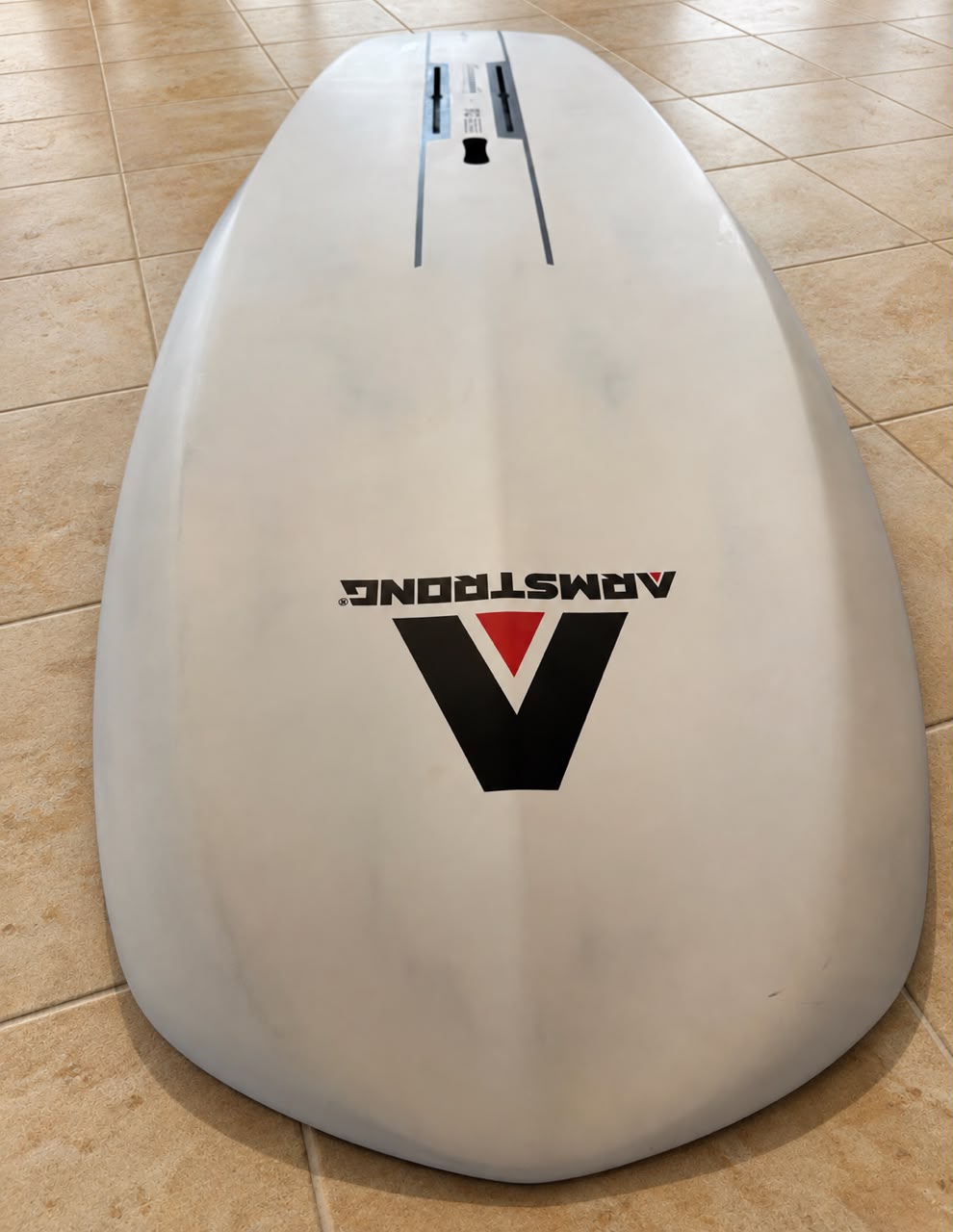
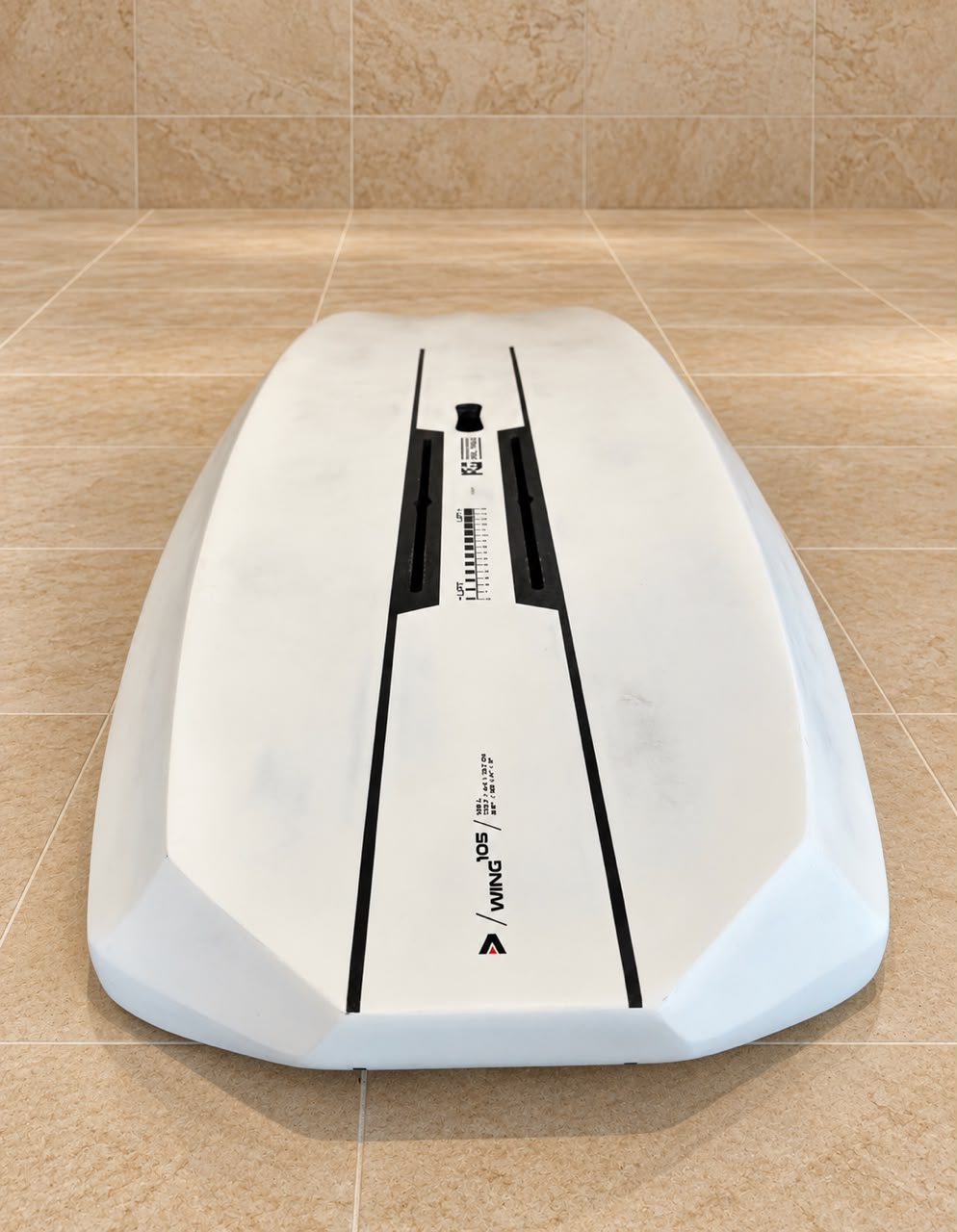
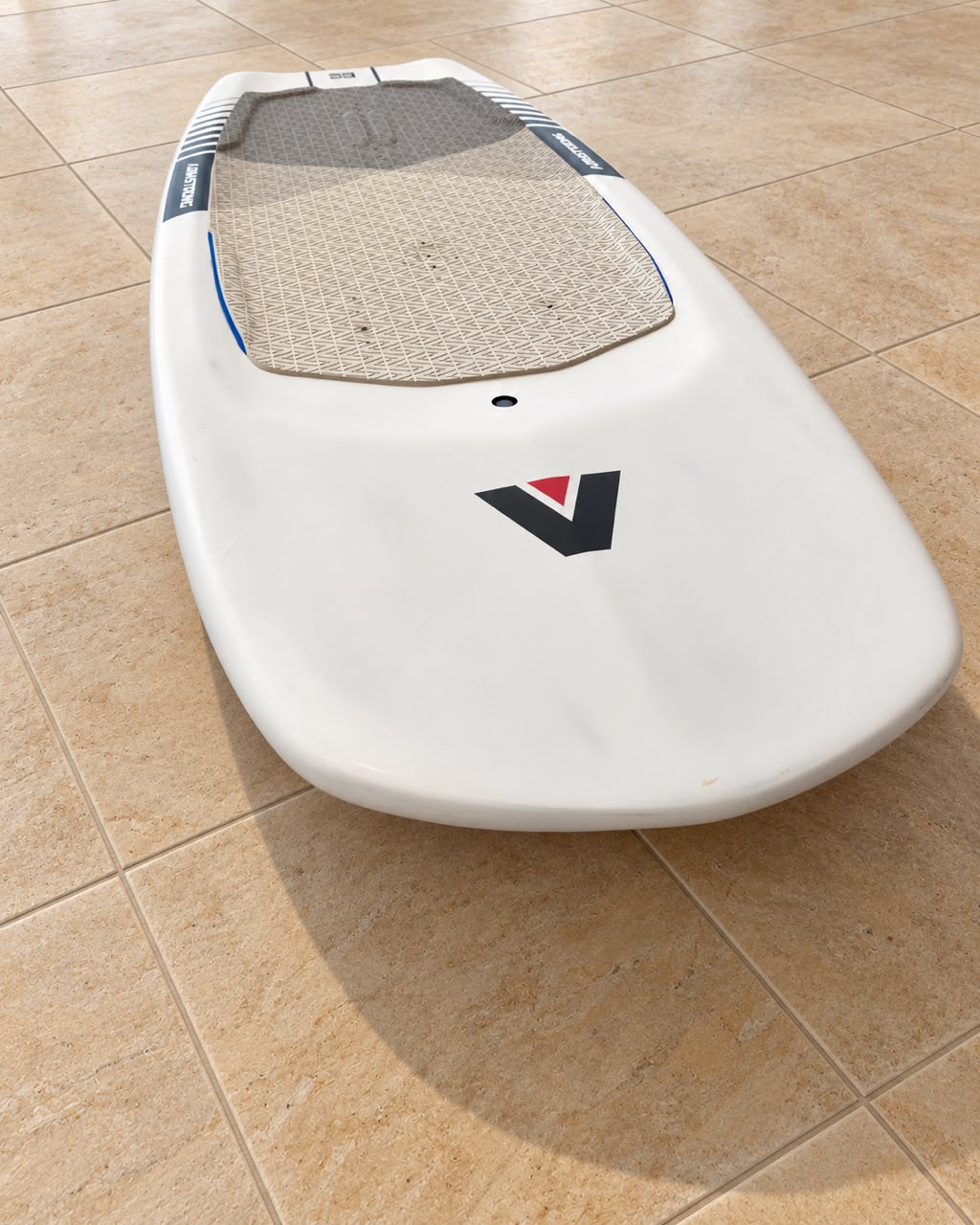
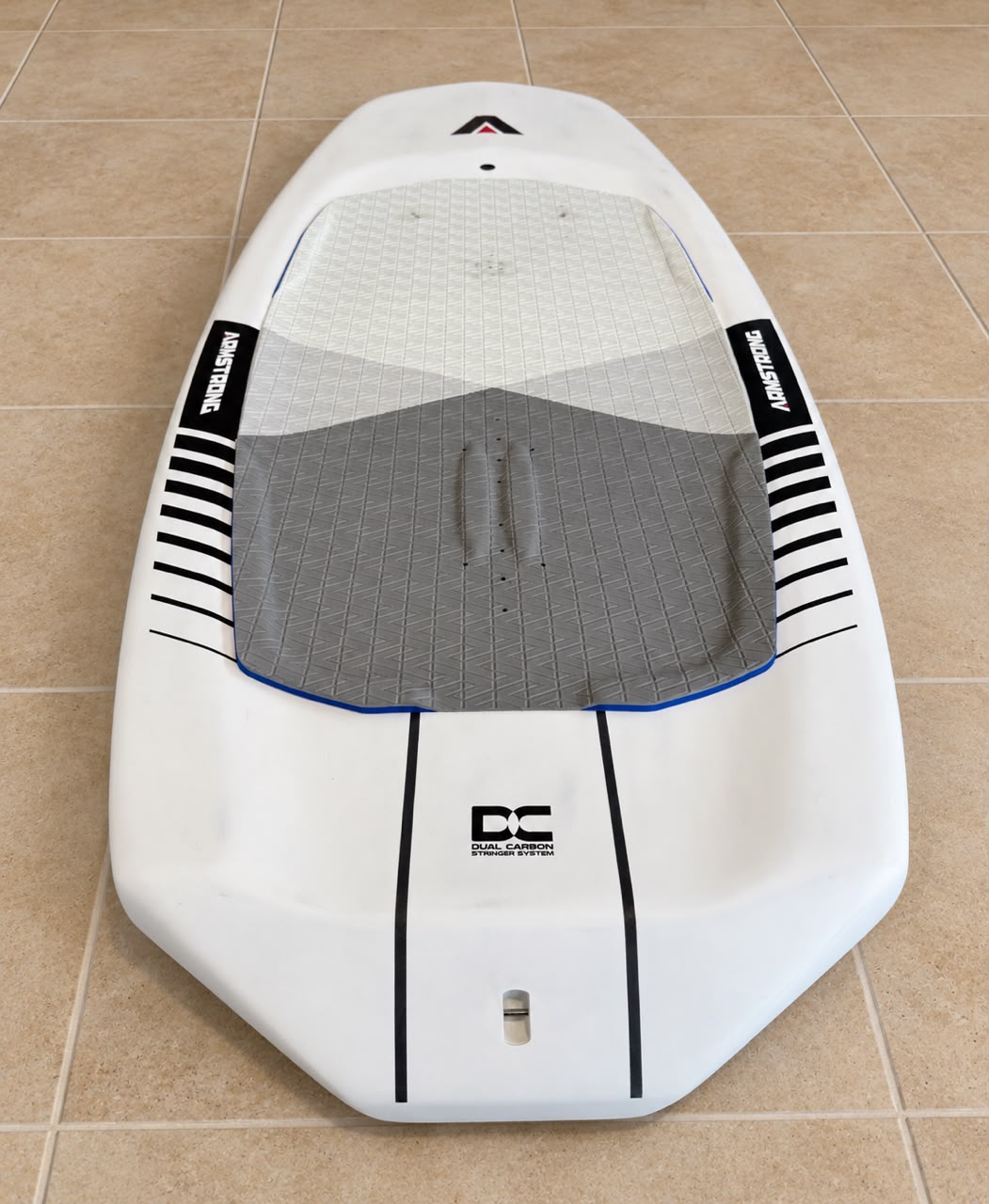
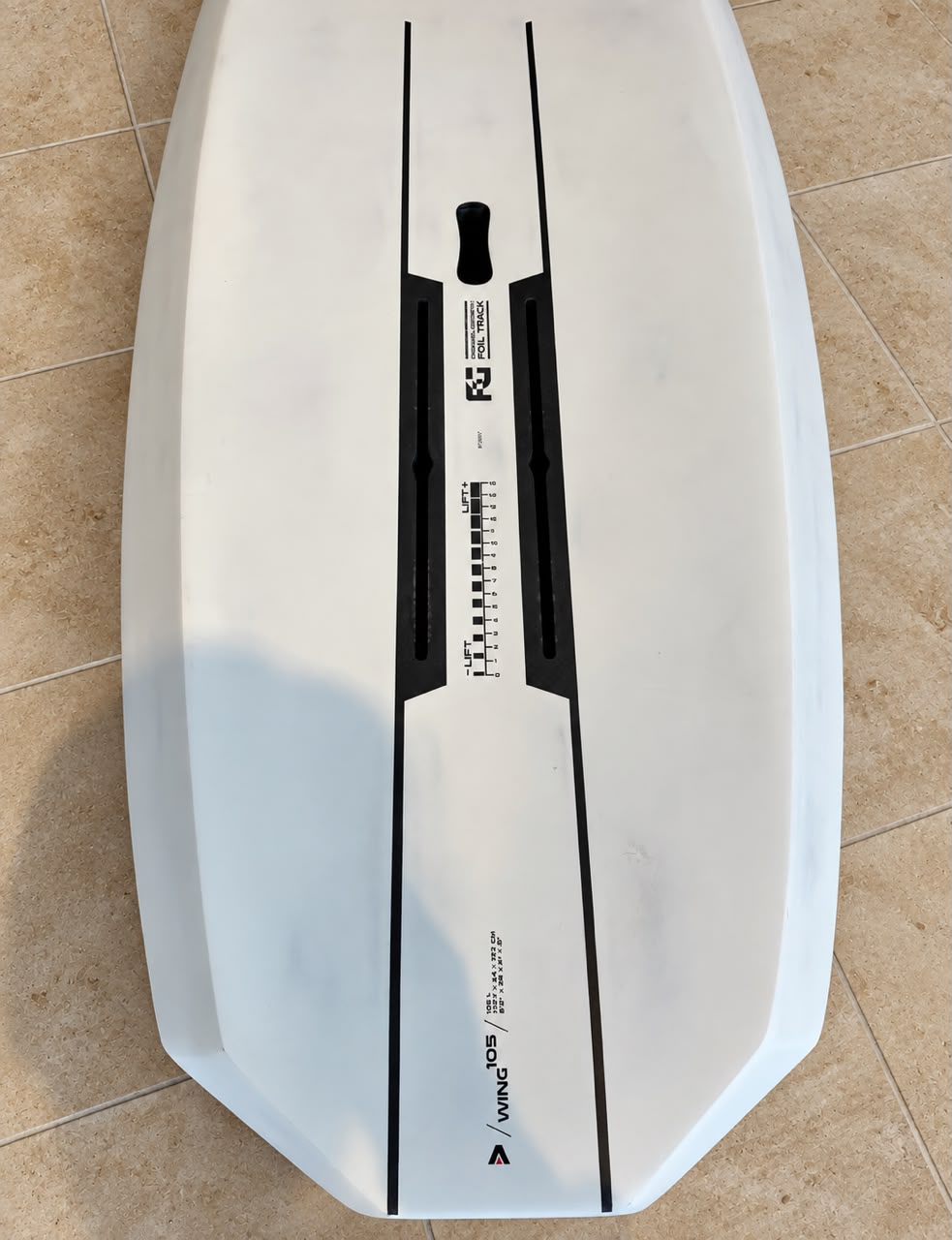



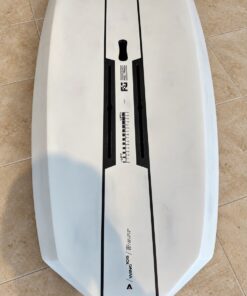
Used Armstrong Wing FG wingfoil board

€800.00
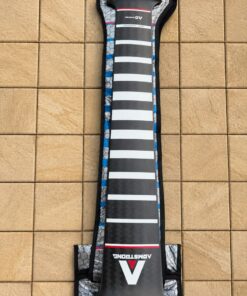
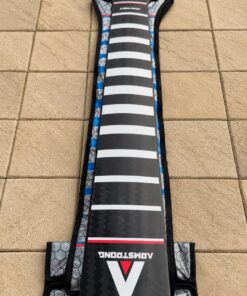
The Used Armstrong Wing FG 105L Wingfoil Board is a premium 2024 model in perfect condition, with fewer than 10 sessions on the water. It is an excellent option for riders who want a stable, responsive, and progression-friendly board without paying full new-board pricing.
With 105 liters of volume, this board provides strong flotation and useful stability for starts, kneeling, standing, and light-wind sessions. At the same time, its compact Forward Geometry design helps it feel more responsive once on foil, making it suitable for riders who want a board they can continue using as their skills improve.
The stiff construction and reinforced foil connection provide direct feedback through the feet, while the shaped hull and rails support efficient takeoff and smoother recovery from light touchdowns. The compact outline also helps reduce unnecessary swing weight during carving, pumping, and directional changes.
This board has been very lightly used and remains in excellent overall condition with plenty of service life remaining.
Important Details
- Model: Armstrong Wing FG
- Year: 2024
- Volume: 105L
- Condition: Perfect / very lightly used
- Usage: Fewer than 10 sessions
- Included: Original Armstrong board bag
- Foot Straps: Not included
- Best For: Wing foiling, progression, freeride, light-wind use, and riders wanting stability with responsive handling
- Construction: Lightweight, stiff performance build with reinforced foil mounting area
- Performance: Stable before takeoff, efficient release, responsive carving, and direct foil control
Overall, this is a clean, low-use 105L performance board offering an excellent balance of stability, compact handling, durability, and long-term progression potential.
Used Armstrong Wing FG 105L Wingfoil Board – 2024 Model in Perfect Condition
2024 Armstrong Wing FG 105L Overview
The Used Armstrong Wing FG 105L Wingfoil Board is a premium 2024 performance board designed to combine stability, compact dimensions, efficient takeoff, and responsive handling. This particular board is in perfect condition, has been used fewer than 10 times, and is sold with its original Armstrong board bag. Foot straps are not included.
The 105L version measures approximately 5’8″ long, 25 1/4″ wide, and 5″ thick, with a manufacturer-listed weight range of roughly 6.4–6.9 kg. Armstrong designed the Wing FG range to pack substantial volume into relatively compact dimensions, giving riders the flotation and stability associated with a larger board while retaining the responsiveness of a shorter platform.
For riders searching for an armstrong foil board, foiling board, armstrong foil boards, or versatile foiling boards, this 105L model provides a strong balance between progression-friendly stability and more advanced on-foil performance.
105-Liter Volume for Stability and Progression
The 105-liter volume is one of the most important characteristics of this board Used Armstrong Wing FG wingfoil board.
It gives the rider significantly more flotation than smaller low-volume platforms, making starts, balance, and recovery easier for many riders.
Because Armstrong concentrates the volume efficiently through the outline, the board does not need excessive length to achieve this flotation.
That means the rider gains useful surface stability while still benefiting from a relatively compact shape once airborne.
This makes the 105L size particularly attractive to riders progressing beyond oversized beginner boards while still wanting enough volume for practical water starts.
Compact 5’8″ Forward Geometry Design
Armstrong’s Forward Geometry concept places the foil tracks more centrally within the board’s overall length.
This reduces unnecessary swing weight in front of and behind the rider and creates a more connected feel once the foil rises from the water. Armstrong specifically describes this geometry as improving responsiveness and maneuverability while allowing compatibility with foils from different brands.
The 5’8″ length is therefore not simply about making the board smaller.
Instead, the shape is intended to preserve flotation while reducing excess board movement during turns.
For riders comparing an armstrong midlength, armstrong mid length board, or much longer armstrong downwind board, the Wing FG follows a more compact design philosophy.
Swept Wedge Nose
The board uses a swept wedge-style nose designed to balance usable displacement surface with efficient glide.
This matters before takeoff.
A wider, carefully shaped nose can help the rider remain stable while waiting for wind pressure or building speed.
At the same time, the compact outline helps prevent the board from feeling unnecessarily long once airborne.
This combination makes the board suitable for riders who want stability during starts without sacrificing responsive performance once flying.
Full-Length Chines and Water Release
Full-length chines form an important part of the hull design.
These angled surfaces help reduce drag as the board accelerates and can support cleaner release from the water.
They can also help when the board briefly touches down during a session.
Rather than presenting a large flat surface directly to the water, the shaped rails help the board move through contact more progressively.
That can make recovery smoother.
Dual Carbon Stringer Construction
The Wing FG uses a pair of top-to-bottom i-beam carbon stringers that form the structural backbone of the board.
Armstrong also integrates proprietary carbon foil tracks directly into these stringer fibers.
This creates a stiff connection between the board and foil mounting area, which is important because rider input must travel through the board into the mast and foil system.
A stiff platform can provide more immediate feedback and reduce unnecessary flex during pumping, carving, and directional changes.
Perfect Condition With Very Low Use
This specific board has been used less than 10 times.
It remains in perfect condition, making it particularly attractive for riders who want a lightly used performance board without the wear normally associated with second-hand equipment.
Low-use condition is especially important around the deck, rails, mast track, and foil connection area.
These are the parts of a board that experience the greatest loads during riding and transportation.
For buyers researching armstrong foils for sale, used boards can represent strong value when structural condition remains excellent.
Original Armstrong Board Bag Included
The board is supplied with its original bag.
The purpose-built Wing FG board bag uses durable coated fabric, full surrounding padding, padded carrying handles, and tie-down points for transportation. Armstrong lists the dedicated 105L bag at approximately 182 × 73 × 12.2 cm externally.
A proper bag protects the rails, deck, nose, and tail from accidental impacts during storage and transport.
It also adds meaningful value to the complete package.
No Foot Straps Included
This sale does not include foot straps.
However, the board itself is designed with multiple strap insert positions, allowing riders who prefer strapped riding to configure their own setup later.
This can actually be advantageous because strap size and positioning are highly personal.
A buyer can select straps that match riding style, foot size, and preferred stance rather than being limited to previously used accessories.
Pairing With a Front Foil
The board can be paired with a wide range of foil systems.
Riders researching a HA Front Foil, HA Front Foil for sale, wing foil front wing, hydrofoil front wing, or front foil should choose the underwater setup according to rider weight, wind strength, desired speed, and skill level.
A larger front wing generally supports earlier lift and stability.
A smaller or higher-aspect design may emphasize glide, speed, or efficiency.
The board itself provides the platform, while hydrofoil lift stability is determined mainly by the complete foil combination.
Mast and Fuselage Compatibility
The board’s reinforced track system can be paired with equipment such as an armstrong performance mast, armstrong fuselage, or other compatible foil systems.
Buyers comparing armstrong integrated foil masts price or armstrong integrated foil masts price 2025 should remember that mast stiffness, length, and construction can significantly influence feedback and control.
A premium mast can complement the rigid board construction by creating a more direct relationship between rider movement and foil response.
Armstrong Wing Integration
The board is particularly well suited to use with an armstrong wing, armstrong wings, or a complete armstrong wing foil setup.
The 105L volume gives many riders enough support to kneel, balance, and prepare the wing before takeoff.
Once sufficient speed is generated, the compact outline helps the board transition from surface riding into foil flight.
This combination is useful for progression because the rider does not have to choose between extreme stability and responsive handling.
Comparison With Surf and Downwind Boards
A surf foil board, surf foilboard, or compact surf foil setup is generally smaller and more focused on wave riding.
Likewise, surf foil boards prioritize low swing weight and maneuverability.
In contrast, an armstrong downwind board, armstrong downwind boards, armstrong downwind foil board, or armstrong v1 downwind board uses a longer, narrower outline to improve paddling speed and bump-catching efficiency.
Current Armstrong downwind shapes around 105L are considerably longer than this 5’8″ Wing FG platform.
Therefore, the Wing FG is better understood as a compact wing-focused all-rounder rather than a long-distance displacement board.
Other Foiling Applications
Riders may also encounter related searches such as foil for sup, kite armstrong, armstrong downwind foil, and broader armstrong foiling equipment.
These disciplines share similar hydrofoil technology, but the ideal board dimensions differ substantially.
The 105L Wing FG is optimized primarily around winging progression and all-around performance rather than dedicated SUP downwind paddling or ultra-small prone surfing.
Why Choose This Used 2024 Board?
The strongest reasons are simple: perfect condition, fewer than 10 sessions, 105 liters of useful flotation, compact Forward Geometry, stiff carbon construction, reinforced foil tracks, excellent stability, and the original board bag included.
The 5’8″ platform is compact enough to remain responsive once airborne, yet the 105L volume makes it significantly more practical than a low-volume performance board.
For someone looking for a premium used board that still feels close to new, this example offers an excellent balance of condition, engineering quality, progression potential, and long-term usability.
Real-World Performance, Stability, Takeoff, Balance, and Practical Ownership
The 105-liter platform is designed to make progression easier without sacrificing the responsive feel that more experienced riders want once the board is flying. Its compact outline, concentrated volume, firm construction, and carefully shaped bottom work together to create a board that feels stable enough for controlled starts yet lively enough for confident carving and pumping.
Because this particular board has been used fewer than 10 times and remains in excellent condition, it also offers the advantage of limited wear. That matters around the deck, rails, mast track, and bottom surface, where repeated use can eventually leave visible signs of impact or compression.
Stability on the Water
The 105-liter volume gives the board useful flotation before takeoff.
That makes it easier to kneel, organize the wing, position the feet, and prepare for acceleration.
A higher-volume board can also reduce the amount of time the rider spends fighting for balance.
Instead, more attention can be placed on wing control and foil timing.
This is especially helpful during progression because fewer corrections are needed before the board begins moving.
Compact Length and Responsive Feel
Although the board carries substantial volume, the overall length remains compact.
This helps reduce swing weight.
Once the board rises onto foil, there is less unnecessary length moving ahead of and behind the rider.
That can make directional changes feel quicker.
It also gives the rider a more direct sense of what the foil is doing.
The result is a board that can feel more responsive than its volume might suggest.
Takeoff Efficiency
Takeoff depends on speed, foil choice, rider weight, wind strength, and technique.
The board’s hull shape is designed to reduce unnecessary drag as speed increases.
The rider should focus on building speed progressively rather than forcing the board upward.
As the foil begins to create lift, pressure should remain controlled.
Sudden movements can cause the system to rise too quickly.
A smooth transition is more efficient.
Early Lift and Acceleration
The board should be allowed to accelerate before the rider asks too much from the foil.
The compact hull helps reduce resistance once enough speed is achieved.
A larger front wing may lift earlier.
A smaller foil may require more speed.
The board does not replace foil selection.
Instead, it provides a stable platform from which the rider can manage the complete system more effectively.
Standing Balance
Once standing, the rider should remain centered.
The upper body should stay relaxed.
Most balance corrections should come from the legs and hips.
Large movements can make the system less stable.
Small corrections are more effective.
As the rider gains confidence, balancing becomes increasingly automatic.
The 105-liter volume helps make this learning process less demanding than it would be on a much smaller board.
Foot Position
Foot position should be adjusted according to foil setup and rider preference.
The rear foot generally controls lift and turning response.
The front foot helps manage pitch and maintain level flight.
The rider should not assume that one stance works for every foil.
Small adjustments can significantly change the feel of the board.
Finding a balanced stance can reduce fatigue and improve control.
Managing Pitch
Pitch control is one of the most important skills in foiling.
Too much rear-foot pressure can cause the foil to climb rapidly.
Too much front-foot pressure can push the board back toward the water.
The best approach is to make small and progressive pressure changes.
The rider should aim for smooth height control rather than reacting aggressively.
A balanced setup makes this easier.
Managing Roll
Roll controls the board’s lean from side to side.
This is especially important during carving.
The rider should shift weight smoothly.
A sudden lean can create an abrupt turn.
A gradual transition produces better control.
Because the board is relatively compact, it responds quickly to rider input.
That responsiveness becomes more useful as skill develops.
Carving Performance
Once airborne, the board can feel significantly smaller than its 105-liter volume might suggest.
The compact outline allows the rider to initiate turns without moving a large amount of board mass.
Good carving begins with speed.
The rider should look through the turn and maintain balanced pressure.
If speed is preserved, the foil can continue carrying the rider smoothly through the arc.
Pumping
Pumping is most efficient when the rider works with the foil rather than against it.
The movement should come from coordinated leg and hip pressure.
Large vertical motions can waste energy.
A smaller, rhythmic movement is usually more effective.
The compact board helps because there is less swing weight.
This makes repeated pumping cycles feel more direct.
Touchdown Recovery
Touchdowns are normal during progression.
If the board contacts the water briefly, the rider should stay centered.
Abrupt movement can increase drag.
The shaped bottom and rails are intended to help the board release from the water again once speed returns.
A smooth recovery is usually more successful than trying to force the board upward immediately.
Light-Wind Use
In lighter wind, the 105-liter volume can be especially useful.
The rider has more flotation while waiting for enough wind to generate speed.
However, the board still needs sufficient forward movement for the foil to lift.
Efficient wing handling becomes important.
The rider should use the available wind to build speed before attempting takeoff.
Stronger-Wind Use
In stronger wind, the compact outline becomes increasingly valuable.
The board can feel more controlled once airborne because there is less unnecessary length.
The rider should still maintain a relaxed stance.
Excessive pressure can make the system feel nervous.
A balanced setup allows the board to respond predictably.
Progression Benefits
The board can support a wide range of progression.
A developing rider can use the volume to build confidence during starts.
As skill improves, the compact shape becomes more relevant.
The same board can then be used for more confident carving, pumping, and faster transitions.
This gives it stronger long-term value than a board that is useful only during the earliest learning stage.
Mast Position
Mast position has a major influence on balance.
Moving the mast forward generally increases lift under the rider.
Moving it backward can reduce front-foot pressure.
Adjustments should be small.
A few millimeters can change the feel noticeably.
The correct position should allow the rider to maintain level flight without constant pressure from either foot.
Setup Tuning
The board should be tuned as part of the complete system.
Foil size, mast position, stabilizer choice, rider weight, and wind conditions all affect performance.
Only one adjustment should be changed at a time.
This makes it easier to understand what each change actually does.
Randomly changing several components at once can make setup more confusing.
Board and Foil Relationship
The board provides flotation, stance, and structural connection.
The foil creates lift and determines much of the speed, glide, and turning behavior.
A stable board cannot compensate fully for a poorly matched foil.
Likewise, an excellent foil can feel difficult if the board setup is incorrect.
The best performance comes when both components are balanced.
Deck Feel
The deck should feel firm and supportive underfoot.
A rigid platform helps transfer rider input directly into the foil.
Softness or excessive flex can reduce precision.
Because this board has seen very limited use, maintaining the deck condition should remain a priority.
The owner should avoid leaving heavy objects on the board during storage.
Mast Track Care
The mast track should be kept clean.
Sand and debris should be removed before mounting hardware.
Bolts should thread smoothly.
They should be tightened evenly.
Overtightening is unnecessary and can damage components.
A secure but sensible connection is the goal.
Hardware Maintenance
Hardware should be rinsed after saltwater use.
Threads should remain clean.
Corrosion should not be allowed to build up.
If a bolt begins to feel rough, it should be inspected.
Forcing damaged hardware can make removal difficult and may affect the mast track.
Fresh-Water Rinsing
Fresh-water rinsing is one of the simplest maintenance steps.
Salt should be removed from the board, track area, and hardware.
The board should then be allowed to dry properly.
This helps maintain appearance and reduces unnecessary corrosion around metal parts.
Drying the Board
The board should not be stored wet.
Moisture trapped in the bag can cause odor and material wear.
After rinsing, the board should be dried in a shaded, ventilated area.
Once dry, it can be placed back into the original bag.
Board Bag Use
The original bag adds practical value.
It protects the rails, nose, tail, and deck during transport.
The bag should also be kept dry and clean.
Sand inside the bag can scratch the board.
The board should therefore be rinsed before being stored for extended periods.
Transport Protection
The board should be secured during travel.
It should not slide freely inside a vehicle.
Heavy gear should not be placed on top of it.
If carried externally, straps should be secure without excessive pressure.
The goal is to prevent unnecessary impact and compression.
Rail Protection
Rails are vulnerable during setup and transport.
The board should be placed on a soft surface when the foil is installed.
Concrete, rocks, and sharp edges should be avoided.
A small impact can damage the outer skin.
Preventing damage is easier than repairing it later.
Bottom Surface Inspection
The bottom should be checked regularly for scratches, dents, or cracks.
Minor surface marks may be cosmetic.
Deep damage should be inspected more carefully.
Any area that appears to allow water into the structure should be repaired before further use.
Heat Protection
The board should not be left in extreme heat for long periods.
A closed vehicle in strong sunlight can become very hot.
Heat can increase internal pressure.
A cool and shaded storage area is preferable.
This helps protect both the board structure and the deck pad.
Long-Term Storage
Before long-term storage, the board should be clean and dry.
The foil should normally be removed.
Hardware should be rinsed and stored separately.
The board should be placed where nothing heavy presses against it.
The bag should also be dry.
Condition Preservation
Because the board currently has very limited use, preserving its condition should be straightforward.
The mast track should be kept clean.
The rails should be protected.
The deck should not be compressed unnecessarily.
The board should be rinsed after saltwater sessions.
These habits can help maintain both performance and resale value.
Who Will Benefit Most
This board is well suited to riders who want more flotation than a small performance board but do not want the slow, bulky feel of an oversized learning platform.
It can support progression while still offering enough responsiveness for more advanced riding.
That combination makes it useful for riders who expect their skills to improve over time.
Overall Practical Value
The strongest real-world advantage is the balance between volume and compactness.
The 105 liters provide useful stability.
The shorter outline improves maneuverability.
The stiff construction supports direct feedback.
The shaped hull helps with takeoff and recovery.
The original bag adds practical protection.
With fewer than 10 sessions, the board also offers excellent remaining service life.
For someone seeking a clean, versatile, and progression-friendly board that can remain enjoyable as ability improves, this example provides a strong combination of stability, responsiveness, condition, and long-term usability.
Progression, Control, Setup Refinement, Durability, and Long-Term Use
A 105-liter foil board can support a wide range of riders because it combines useful flotation with a relatively compact outline. That balance makes it suitable for someone who wants enough stability to build confidence while still having a board that feels responsive once airborne.
Because this particular board has been used fewer than 10 times and remains in excellent condition, it provides a strong foundation for continued progression. The key is to understand how stance, mast position, foil choice, wind strength, rider weight, and technique work together.
Building Confidence on the Water
Progress usually begins with stability.
Before worrying about advanced maneuvers, the rider should become comfortable kneeling, standing, controlling the wing, and recovering from small balance errors.
The 105-liter volume helps because the board provides useful support before takeoff.
A rider who feels stable on the surface can focus more effectively on wing control and foil timing.
Learning Efficient Starts
A good start should feel controlled rather than rushed.
The rider should position the board so that the wing can generate steady forward movement.
Once speed begins to build, body position should remain centered.
The foil should be allowed to create lift progressively.
Trying to force the board into the air too early can reduce stability.
Using the Wing Effectively
The wing should be used to create controlled forward drive.
Excessive pulling can disturb balance.
A smoother approach allows the rider to accelerate while keeping the board stable.
As speed increases, the foil begins to carry more of the load.
The rider should then gradually transition from surface balance to foil control.
Maintaining a Neutral Stance
A neutral stance is important.
The knees should remain slightly bent.
The upper body should stay relaxed.
The rider should avoid leaning too far forward or backward.
Most corrections should come from the legs.
This creates better control and reduces fatigue.
A relaxed stance also makes it easier to respond to changing wind or water conditions.
Understanding Front-Foot Pressure
Front-foot pressure helps control ride height.
If the foil begins climbing too quickly, slightly more pressure through the front foot can stabilize the system.
The movement should remain subtle.
Large corrections often cause instability.
The rider should learn how small changes affect pitch.
With practice, height control becomes more instinctive.
Understanding Rear-Foot Pressure
Rear-foot pressure influences lift and turning response.
Too much pressure can cause a sudden rise.
Too little can keep the board low.
The goal is to find a balanced position where neither foot has to work excessively.
A well-tuned setup should feel neutral once the board reaches cruising speed.
Mast Position Refinement
The mast position can significantly change the balance of the board.
Moving it slightly forward usually increases front-wing influence.
Moving it backward can reduce excessive lift.
Adjustments should be small.
The rider should change one thing at a time.
This makes it easier to understand the effect.
Once a balanced position is found, it should be marked or remembered.
Foot Placement Refinement
Foot placement should complement mast position.
If the rider constantly struggles to keep the nose down, the stance may need adjustment.
If the board feels reluctant to rise, the stance may be too far forward.
The correct position should allow the rider to maintain level flight without constant effort.
That reduces fatigue and improves control.
Progressing to Longer Flights
Once takeoffs become consistent, the next goal is maintaining steady foil flight.
The rider should focus on smooth pressure rather than constant correction.
Looking ahead helps.
Watching the nose too closely can cause overreaction.
The body should remain centered while the legs absorb small changes.
Longer flights come from calm, repeatable control.
Improving Pumping Technique
Pumping can help maintain speed through softer wind or transitions.
The movement should be rhythmic.
The rider should compress and release through the legs.
Large movements are usually less efficient.
The board’s compact outline helps because there is less swing weight.
That makes the response feel more immediate.
Linking Pumping With Wing Power
Pumping becomes more effective when it works together with the wing.
The rider should avoid treating them as separate actions.
A small wing pump can create forward acceleration while the legs help the foil maintain lift.
The movements should remain coordinated.
Smooth timing produces better results than excessive effort.
Turning With Control
Turning should begin with good speed.
The rider should look toward the exit.
Weight should shift gradually.
The foil will follow the rider’s body position.
Because the board is compact relative to its volume, turns can feel responsive.
The rider should avoid abrupt movements.
Smooth pressure creates a more predictable carve.
Developing Carving Confidence
Carving becomes easier when the rider trusts the foil.
The board should remain relatively quiet underfoot.
The rider should use the knees and hips to guide the turn.
Upper-body movement should remain controlled.
As confidence increases, the turn radius can gradually become tighter.
Managing Touchdowns
Touchdowns are normal during progression.
The rider should stay centered.
If the board touches the water briefly, the goal is to preserve momentum.
Sudden weight shifts can create more drag.
A smoother recovery allows the hull to release again.
The shaped bottom helps the board move through light contact rather than stopping immediately.
Riding in Choppy Water
Chop can make surface balance more difficult.
The rider should keep the knees flexible.
This allows the body to absorb movement.
Once airborne, the foil can smooth out much of the surface disturbance.
However, the rider still needs to anticipate changes.
A relaxed stance performs better than a rigid one.
Riding in Light Wind
Light wind requires efficient technique.
The rider should avoid wasting energy.
A larger wing or more lift-oriented foil setup may be useful.
The 105-liter volume helps provide flotation while waiting for sufficient speed.
The rider should use gusts effectively and avoid forcing takeoff when there is not enough power.
Riding in Stronger Wind
In stronger wind, the board becomes easier to accelerate.
The rider should remain controlled.
Too much wing power can pull the body out of position.
The compact outline helps the board feel manageable once airborne.
A smaller wing may be more comfortable in stronger conditions.
Rider Weight and Board Feel
The board can feel very different depending on rider weight.
A lighter rider may experience more flotation.
A heavier rider may sit lower in the water.
That does not automatically make the board unsuitable.
It simply changes how starts and balance feel.
The rider should match volume, wind, and foil size realistically to body weight.
Foil Size and Stability
A larger foil usually provides more lift and can make low-speed flight easier.
A smaller foil may feel faster and more responsive.
The correct choice depends on rider skill and intended conditions.
For progression, stability is often more useful than outright speed.
As skill improves, a rider may choose a smaller or more performance-focused setup.
Mast Length Considerations
Mast length also affects the riding experience.
A shorter mast can feel easier during early progression because the rider is closer to the water.
A longer mast provides more clearance once flying.
However, it can also make height control feel more demanding.
The rider should choose a mast length that matches experience and local conditions.
Keeping the Mast Track Clean
The mast track should be inspected before every setup.
Sand, salt, and grit should be removed.
Bolts should thread smoothly.
A clean track helps prevent wear.
Hardware should be tightened evenly.
Overtightening is unnecessary.
The goal is a secure connection without stressing the board.
Checking the Deck
The deck should feel firm.
Any unusual soft area should be inspected.
The pad should remain secure.
Edges should not lift.
Because this board has seen very little use, preserving the current condition should be easy with regular care.
Inspecting the Rails
The rails should be checked for chips, cracks, or impact marks.
Small cosmetic marks can happen.
Structural damage should not be ignored.
If a crack reaches the core, the board should be repaired before further use.
Preventing water entry helps preserve long-term durability.
Inspecting the Bottom
The bottom should remain smooth.
Deep scratches or dents should be inspected.
The hull shape plays an important role during takeoff and touchdown recovery.
Keeping the bottom in good condition helps preserve that performance.
Rinsing After Saltwater Use
Fresh-water rinsing should become routine.
Salt can remain around the mast track, hardware, deck pad, and rails.
A thorough rinse removes residue.
The board should then dry completely.
This simple habit helps preserve appearance and reduces corrosion around metal components.
Drying Before Storage
The board should never be stored wet for long periods.
Moisture trapped in the bag can create odor and unnecessary material wear.
The board should be dried in a shaded area.
The bag should also be allowed to dry.
Once both are dry, the board can be stored safely.
Using the Original Bag
The original bag provides useful protection.
It helps shield the rails, nose, tail, and deck.
However, the bag should remain clean.
Sand inside the bag can scratch the surface.
The board should be dry before long-term storage.
The zipper and handles should also be checked periodically.
Protecting the Board From Heat
Extreme heat should be avoided.
The board should not be left inside a closed vehicle under strong sunlight for long periods.
Heat can increase internal pressure.
A shaded and ventilated storage area is preferable.
This helps protect the board structure and deck materials.
Transport Preparation
The foil should normally be removed before transport.
Loose hardware should be kept separately.
The mast track should remain protected.
The board should be placed inside the bag.
Heavy equipment should not be stacked on top.
Careful preparation reduces the chance of accidental damage.
Vehicle Transport
Inside a vehicle, the board should be secured so it cannot slide.
If transported externally, straps should be firm without excessive tension.
Protective padding should be used where necessary.
Metal buckles should not press directly against the board.
The goal is secure transport without compression damage.
Long-Term Storage
Before long-term storage, the board should be cleaned and dried.
The foil should be removed.
Hardware should be rinsed and stored separately.
The board should not rest under heavy objects.
A cool, dry, shaded location is best.
The original bag can provide additional protection.
Preserving Resale Value
Condition has a strong influence on resale value.
A board with clean rails, a solid mast track, an undamaged deck, and minimal cosmetic wear will remain more attractive to future buyers.
The original bag also adds value.
Because this example has fewer than 10 sessions, careful ownership can preserve that advantage.
When Repair Is Needed
Repair should be considered if there is a deep crack, soft deck area, damaged mast track, or clear evidence of water entry.
Small cosmetic marks can usually be monitored.
Structural damage should be addressed properly.
Continuing to ride a compromised board can make the problem larger.
Long-Term Progression Potential
One of the strongest advantages of this 105-liter platform is that it can remain useful as skills improve.
At first, the rider benefits from the flotation and stability.
Later, the compact outline becomes more important.
It can then support smoother carving, more confident pumping, and more advanced control.
This gives the board meaningful long-term value.
Overall Riding Experience
The board is designed to balance stability and responsiveness.
The volume helps during starts.
The compact outline improves airborne handling.
The stiff construction supports direct feedback.
The shaped hull helps with release and touchdown recovery.
Together, these characteristics create a platform that can support progression without feeling oversized once the rider becomes more experienced.
Final Ownership Perspective
With fewer than 10 sessions, this board remains a very clean example with substantial life ahead of it.
Its 105-liter volume offers useful support.
Its compact dimensions help maintain responsive handling.
The original bag adds practical protection.
Regular rinsing, careful hardware maintenance, protected transport, and sensible storage can help preserve both performance and appearance.
For a rider seeking a stable yet responsive platform that can continue to feel rewarding as skills develop, this board offers a strong combination of progression potential, durability, condition, and long-term usability.
Be the first to review “Used Armstrong Wing FG wingfoil board”
Related products
Used Product
Used Product
Used Product
Used Product
Used Product
Used Product
Used Product
Used Product
Reviews
There are no reviews yet.