
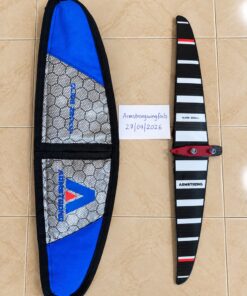

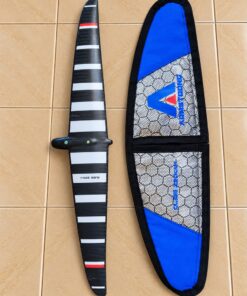
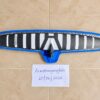
Used Armstrong glide 220 rear stab
€150.00
Used Armstrong Glide 220 Rear Stabilizer
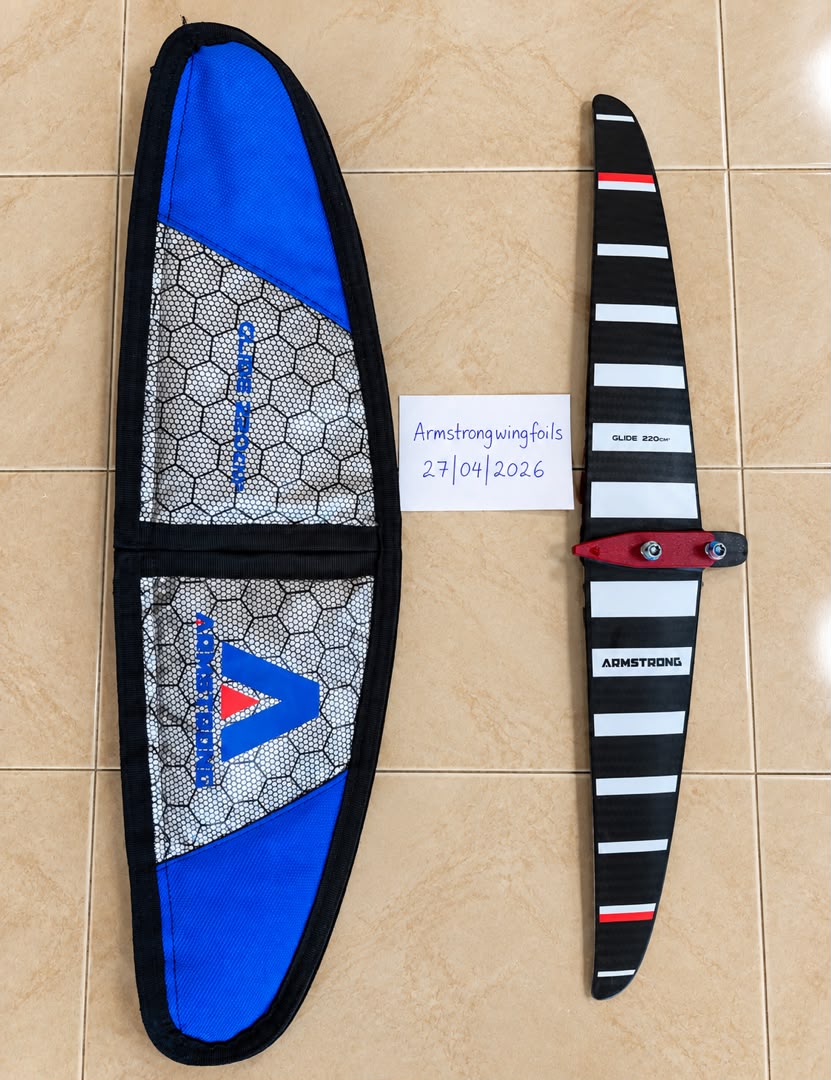
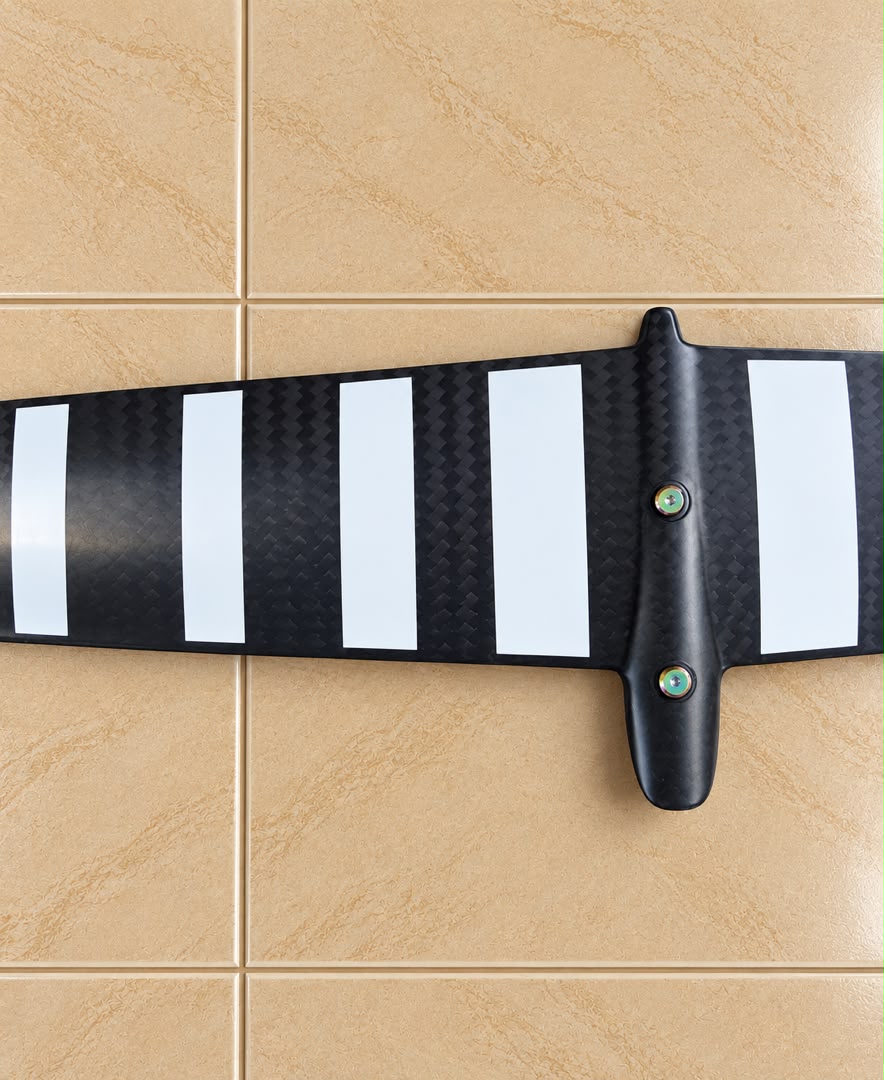
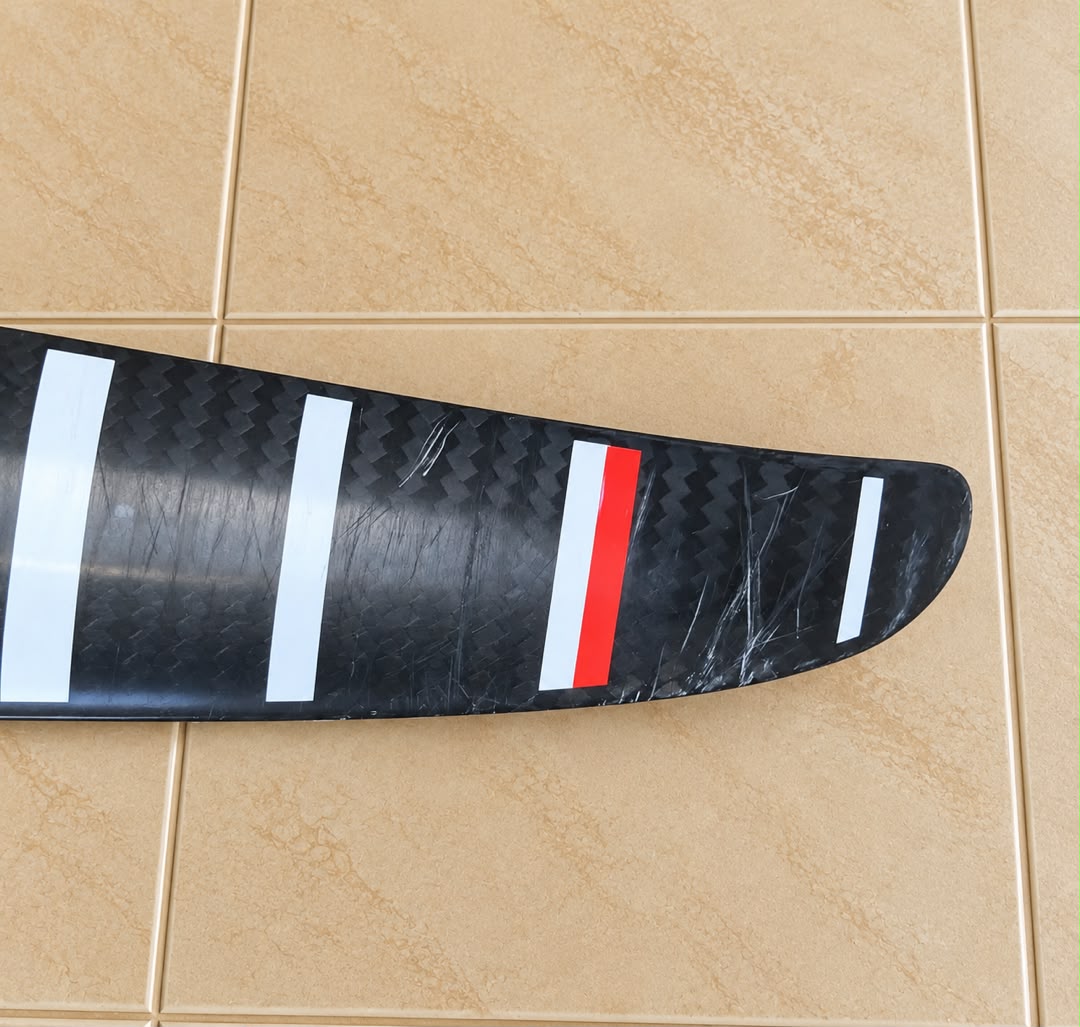
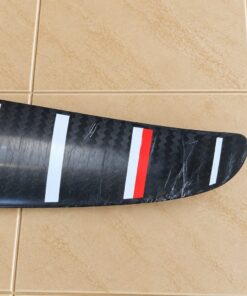
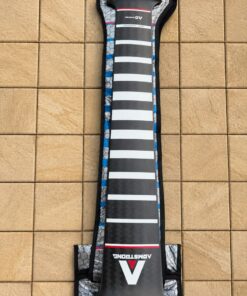
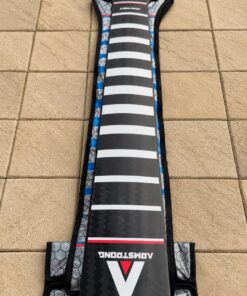
Used Armstrong Glide 220 rear stabilizer in good condition, with only a few light surface scratches that are reported not to affect performance.
Designed for riders who value stability, long glide and efficient pumping, the Glide 220 delivers a calm, predictable rear-end feel while helping the foil maintain speed between turns, pumps and weaker sections of swell. Its high-aspect profile is especially well suited to downwind riding, wing foiling, pumping and smooth surf connections.
Key features include:
- Armstrong Glide 220 rear stabilizer
- Good overall condition
- Light cosmetic surface scratches only
- No reported performance issues
- Stable and confidence-inspiring ride feel
- Excellent glide efficiency
- Strong pumping performance
- Low-drag high-aspect design
- A+ System compatibility
- Suitable for wing, surf, pump and downwind setups
Compared with smaller, more reactive stabilizers such as the Surf 130 or Dart 140, the Glide 220 places greater emphasis on support, control and distance efficiency.
Before use, buyers should inspect the leading edge, trailing edge, wing tips, carbon structure and mounting interface and confirm compatibility with their existing Armstrong foil system.
Used Armstrong Glide 220 Rear Stabilizer – High-Aspect Tail Foil for Maximum Glide, Stability and Efficient Foiling
The Used Armstrong Glide 220 Rear Stabilizer is a high-aspect tail foil designed for riders who prioritize efficient glide, predictable stability and reduced drag across a wide variety of foiling disciplines.
According to the supplied condition information, this particular Glide 220 remains in good condition, with only a few light surface scratches. Those marks are described as cosmetic and are reported not to affect its performance.
The Glide 220 sits at the efficiency-focused end of Armstrong’s stabilizer lineup. Armstrong describes it as the choice for riders seeking maximum glide from their foil setup. Its narrow outline, wide span, high-aspect shape and thin foil section are designed to reduce drag, maintain speed and cover greater distance efficiently.
That character makes it particularly attractive for riders who enjoy long glides, pumping between sections, downwind connections, efficient wing foiling and smooth surf lines.
Unlike a very small tail designed primarily for looseness and aggressive response, the 220 places greater emphasis on support and efficiency. Consequently, riders can use it to calm the rear of the foil system and create a predictable platform while still benefiting from a low-drag design.
Armstrong Glide 220 Stab
The Armstrong Glide 220 stab is built around maximum efficiency.
Armstrong specifically identifies the Glide 220 as its stabilizer for riders who want to achieve the greatest possible glide from an Armstrong foil setup.
Why the Glide 220 Works
Its engineering combines:
- High-aspect outline
- Wide effective span
- Narrow chord
- Thin foil section
- Flat rondure
- Low-drag profile
- A+ System interface
Together, these characteristics help the foil carry momentum while reducing unnecessary hydrodynamic resistance.
Good Overall Condition
This used stabilizer is described as being in good condition.
Why Condition Matters
Rear stabilizers operate continuously under hydrodynamic load.
Therefore, important areas should remain structurally sound.
Inspect:
Leading edge
Trailing edge
Wing tips
Mounting holes
Mounting face
Carbon laminate
Fastener areas
Light Surface Scratches
A few light surface scratches are reported.
Why Light Scratches Are Usually Different From Structural Damage
Superficial scratches generally affect appearance much more than structural integrity.
However, deep cuts, cracks, delamination or significant edge damage should be evaluated separately.
Why Inspection Still Matters
A used carbon component should always be inspected before installation.
Reported No Performance Effect
The seller reports that the light scratches do not affect performance.
Why This Is Plausible
Minor superficial marks often have negligible hydrodynamic effect when the foil section, edges and structural laminate remain intact.
What Matters More
Deep leading-edge damage
Trailing-edge deformation
Cracked carbon
Damaged mounting points
Delamination
Why the Glide 220 Is Stable
A larger stabilizer generally supplies greater rear support than a very small performance tail.
Why This Helps
The foil can feel calmer in pitch.
Consequently, riders may find it easier to maintain a consistent ride height.
Stability Helps With
Long-distance riding
Downwind connections
Pumping
Light-wind riding
Progression
Long surf glides
Why It Glides So Well
Glide efficiency comes from minimizing drag while maintaining the required stabilizing force.
High Aspect Helps
The long, narrow shape improves efficiency.
Thin Section Helps
A thinner foil profile reduces hydrodynamic drag.
Why That Matters
Less energy is lost as the foil travels through the water.
Therefore, the rider can maintain speed longer after a pump, swell or wing-power input.
Why the 220 Can Improve Pumping
Pumping depends heavily on the foil system retaining energy between rider inputs.
Why Low Drag Helps
A low-drag stabilizer wastes less speed.
Why Stability Helps
A predictable rear foil allows the rider to concentrate on pump timing rather than continuously correcting pitch.
Why It Can Help Downwind Riding
Downwind foiling involves connecting sections of moving swell.
Why Glide Is Essential
A rider frequently crosses lower-energy gaps before reaching the next usable bump.
The Glide 220 is designed specifically around distance and efficiency.
Why It Works for Wing Foiling
Wing riders can benefit from a tail that carries speed efficiently after power is reduced.
Why This Matters in Gusty Conditions
When wind pressure drops temporarily, the foil can preserve more momentum.
Why It Matters During Transitions
Efficient glide can help through tacks, gybes and periods when the wing is partially depowered.
Why It Can Work in Surf
The stabilizer can also be used in surf-oriented systems when smooth glide and predictable support are priorities.
Why Some Riders May Choose a Smaller Tail Instead
A smaller rear wing can create:
Faster roll response
Looser turning
Reduced rear support
More reactive handling
That is where options such as Surf 130 or Dart 140 can create a different ride character.
Surf 130 Comparison
The Surf 130 represents a more maneuverability-focused alternative.
Why a Rider Might Choose It
A rider focused heavily on carving may prefer a smaller surf-oriented stabilizer.
Why the Glide 220 Is Different
The Glide 220 prioritizes efficiency and distance rather than maximum looseness.
Dart 140 Comparison
The Dart 140 is a much smaller, performance-focused rear stabilizer.
Armstrong describes it as quick, highly reactive and low drag.
Why Dart 140 Feels Different
Its reduced area creates less stabilizing influence.
Therefore, it generally suits riders seeking faster and more sensitive response.
Why the Glide 220 May Be Preferable
Choose the Glide 220 when glide, support and efficient distance matter more than maximum looseness.
Why Stabilizer Choice Changes an Entire Foil Setup
The rear stabilizer may be smaller than the front wing, but it has a substantial influence on the riding feel.
It Affects
Pitch stability
Turning response
Pump efficiency
Top speed
Front-foot pressure
Glide
Why This Matters
Changing only the rear stabilizer can make a familiar front wing feel noticeably different.
Why the Glide 220 Makes a Good Efficiency Upgrade
A rider may not need to replace the entire foil system to change its character.
Installing a more efficiency-focused rear foil can noticeably improve the way momentum is retained.
Flat Rondure Design
Armstrong specifies the Glide 220 with a flat rondure.
Why This Matters
Rondure refers to the curvature across the stabilizer.
A flatter design can contribute to direct, efficient hydrodynamic behavior.
High-Aspect Outline
The Glide 220 uses a high-aspect outline.
Why This Matters
A longer span relative to area can improve hydrodynamic efficiency.
Practical Benefits
Longer glide
Efficient pumping
Reduced induced drag
Better distance retention
Thin Foil Section
The thin foil section is another important feature.
Why Thin Sections Matter
Reduced frontal profile lowers drag.
Why Lower Drag Improves Performance
The foil maintains more of its speed between power inputs.
Rapid Ventilation Recovery
Armstrong states that the thin section is designed to shed air rapidly if ventilation occurs.
Why This Matters
A stabilizer can approach or breach the surface during turns or high riding.
Rapid recovery can help restore normal water flow.
A+ System Compatibility
The Glide 220 uses Armstrong’s A+ System.
Why This Matters
The stabilizer is intended to integrate with compatible Armstrong fuselage components.
Why Compatibility Should Be Confirmed
Different product generations or interfaces should never be assumed to fit simply because they carry the same brand name.
HA Front Foil
A HA Front Foil can pair naturally with a low-drag rear stabilizer when the rider wants to emphasize glide and efficient pumping.
The final feel still depends on front-wing size, fuselage, mast and rider weight.
armstrong foils
armstrong foils are built as modular systems containing front wings, rear stabilizers, masts, fuselages and associated hardware.
The Glide 220 provides the rear stabilizing element within a compatible setup.
armstrong integrated foil masts price
The phrase armstrong integrated foil masts price relates to mast pricing rather than the stabilizer itself.
Nevertheless, mast stiffness can strongly influence how clearly a rider feels the Glide 220.
armstrong foil board
An armstrong foil board provides the platform for controlling the complete foil system.
Board length, volume and mast position can all influence how the rear stabilizer feels.
surf foil board
A surf foil board can be paired with a compatible foil setup when prone or surf foiling is intended.
A Glide 220 may suit riders who prioritize smooth connections and longer glide.
armstrong downwind board
An armstrong downwind board emphasizes efficient acceleration and displacement.
Pairing an efficient board with an efficient rear foil can create a system focused strongly on glide.
armstrong midlength
armstrong midlength designs bridge compact foil boards and longer downwind-style boards.
The rear stabilizer can then be selected according to the rider’s preference for stability, glide or maneuverability.
armstrong downwind foil
An armstrong downwind foil setup benefits heavily from low drag.
That makes the Glide 220’s efficiency-oriented design relevant to riders connecting open-water bumps.
armstrong mid length board
An armstrong mid length board can improve acceleration while remaining more compact than a dedicated long downwind board.
armstrong downwind boards
armstrong downwind boards are developed to accelerate efficiently and release onto foil in rolling water.
An efficient rear stabilizer complements that objective.
wing foil front wing
A wing foil front wing supplies most of the foil system’s lift.
The stabilizer controls the rear balance and helps determine pitch feel.
HA Front Foil for sale
A HA Front Foil for sale may attract riders looking for glide-oriented front-wing performance.
Pairing it with a Glide 220 can further emphasize stability and efficiency.
kite armstrong
The phrase kite armstrong may refer to Armstrong foil equipment used for kite foiling.
Stabilizer selection should reflect speed, rider experience and desired handling.
armstrong foil boards
armstrong foil boards cover different disciplines, including wing, surf and downwind riding.
The Glide 220 can be incorporated into compatible foil assemblies beneath those boards.
surf foil
A surf foil setup should balance glide with turning ability.
The Glide 220 leans toward efficiency and stability, while smaller tails can provide a looser feel.
armstrong foiling
armstrong foiling involves an integrated modular system where front foil, stabilizer, mast, fuselage and board setup work together.
The rear stabilizer should never be considered in isolation.
foiling board
A foiling board influences takeoff, balance and mast positioning.
Those characteristics affect the way stabilizer tuning is felt by the rider.
armstrong foils for sale
armstrong foils for sale include front wings, rear stabilizers and complete compatible components.
This used Glide 220 offers an efficiency-focused rear-wing option.
foiling boards
foiling boards range from compact surf designs to longer downwind shapes.
The same Glide 220 can feel different depending on the board and complete foil configuration.
surf foilboard
A surf foilboard emphasizes foil-specific takeoff and maneuverability rather than conventional rail surfing.
armstrong performance mast
An armstrong performance mast is intended to provide high stiffness and direct control.
Why Stiffness Matters
A rigid mast allows rider inputs to reach the foil system with less unwanted flex.
armstrong wing
An armstrong wing supplies handheld power during wing foiling.
Once the rider reduces wing power, efficient foil components help maintain momentum.
surf foil boards
surf foil boards can be paired with appropriately sized front foils and stabilizers according to rider mass and wave conditions.
armstrong wings
armstrong wings generate propulsion above the water, while the Glide 220 works beneath the surface to stabilize the foil system.
armstrong fuselage
An armstrong fuselage connects the mast, front wing and stabilizer.
Correct interface condition is particularly important when buying a used rear foil.
armstrong v1 downwind board
An armstrong v1 downwind board belongs to an earlier generation of Armstrong’s downwind-focused board designs.
Efficiency-focused tail foils can complement such boards where system compatibility is confirmed.
armstrong integrated foil masts price 2025
The phrase armstrong integrated foil masts price 2025 refers to mast pricing information rather than Glide 220 specifications.
Current pricing can vary according to mast design, construction and length.
foil for sup
A foil for sup often benefits from predictable pitch stability and good low-drag efficiency, particularly for longer glides.
armstrong wing foil
An armstrong wing foil setup combines the board, mast, fuselage, front wing, stabilizer and handheld wing into one tuned system.
armstrong downwind foil board
An armstrong downwind foil board prioritizes efficient acceleration and long-distance glide.
That goal aligns naturally with the Glide 220’s low-drag character.
hydrofoil front wing
A hydrofoil front wing generates most of the system’s primary lift.
The Glide 220 operates behind it to provide balance and stability.
front foil
The front foil and stabilizer should be considered together.
Changing one component can alter the pressure balance across the complete system.
hydrofoil lift stability
hydrofoil lift stability depends on the relationship between front-wing lift, stabilizer force, mast position and rider input.
A larger, efficiency-oriented rear stabilizer such as the Glide 220 can create a more supportive pitch character than a smaller, looser tail.
Why the Glide 220 Can Feel More Stable
The larger effective stabilizing surface contributes additional rear support.
Why This Helps
The foil may require fewer constant pitch corrections.
Why That Can Build Confidence
A rider can concentrate more on line choice and pumping rhythm.
Why Stability Does Not Mean Slow
The Glide 220 uses a thin, high-aspect shape specifically to reduce drag.
Therefore, additional stability does not necessarily require a bulky or inefficient tail.
Why Glide Matters
A foil that maintains momentum makes many disciplines easier and more enjoyable.
Glide Helps When
Linking swells
Crossing flat sections
Pumping back out
Depowering a wing
Connecting multiple waves
Why Efficiency Saves Rider Energy
Every pump requires physical effort.
A more efficient system carries more speed between those inputs.
Consequently, fewer aggressive movements may be required.
Why This Matters on Long Sessions
Lower physical demand can allow riders to stay on foil longer.
Why the Glide 220 Can Complement High-Aspect Front Wings
High-aspect front wings are already designed around efficient lift.
Adding an efficiency-focused stabilizer can strengthen the overall glide-oriented character.
Why Some Riders Prefer a Smaller Tail
Smaller tails can produce:
More responsive pitch
Faster carving
Less rear support
Higher-speed freedom
Why the Glide 220 Remains Valuable
Not every rider wants maximum looseness.
Many value predictable support, long glide and pump efficiency more highly.
Why Rider Weight Matters
Heavier riders place greater load on the foil system.
Why This Can Affect Tail Choice
A larger stabilizer may provide useful additional support.
Why Lighter Riders May Feel More Stability
The same rear foil can feel comparatively powerful beneath a lighter rider.
Why Skill Level Matters
An experienced rider may deliberately choose the 220 for long-distance efficiency.
A progressing rider may appreciate its calmer stability.
Why Front-Wing Choice Matters
A very large front foil combined with a large stabilizer can create substantial support.
Why This May Feel Different
The setup may prioritize low-speed control over maximum looseness.
With a Smaller Front Wing
The stabilizer can provide stability while the front wing supplies greater speed.
Why Mast Position Matters
Moving the mast changes the rider’s effective balance over the foil.
Why This Changes Tail Feel
A setup that feels overly front-footed or back-footed may require tuning.
Why Shims Matter
Armstrong includes Pro Shims with new Glide 220 stabilizers.
Why This Is Important
Shimming allows the rider to tune rear-wing angle.
Why Small Changes Matter
Tiny changes in stabilizer angle can noticeably alter pitch balance.
Why You Should Change One Variable at a Time
Adjusting mast position, tail angle and foot position simultaneously makes tuning difficult.
Better Approach
Establish a baseline.
Change one setting.
Test it.
Record the result.
Why Precision Matters
A rear stabilizer influences the entire foil’s balance.
Therefore, precise mounting and consistent setup help deliver predictable performance.
Mounting Surface Inspection
Check the interface carefully before installation.
Look For
Deep scratches
Cracks
Damaged holes
Deformation
Debris
Why This Matters
The stabilizer should sit flat and secure.
Fastener Inspection
Bolts should remain clean and undamaged.
Why
Damaged hardware can compromise assembly.
Why Correct Torque Matters
Over-tightening may damage threads or the component.
Under-tightening can allow unwanted movement.
Always follow current manufacturer assembly guidance.
Leading Edge Inspection
The leading edge should remain smooth.
Why
It is the first surface to meet water flow.
Trailing Edge Inspection
The trailing edge should remain straight and undamaged.
Why
Clean water release contributes to predictable hydrodynamic behavior.
Tip Inspection
Wing tips can be vulnerable to impacts.
Check For
Chips
Cracks
Deep scratches
Why Cosmetic Scratches Are Less Concerning
Light surface scratches commonly occur through normal handling.
If the laminate remains structurally sound, they may have little practical effect.
Why Structural Cracks Are Different
Cracks can indicate damage through the composite structure.
Such damage deserves proper assessment.
Why Delamination Matters
Composite layers must remain bonded.
Soft spots or separation should be investigated.
Why Used Buyers Should Inspect the Underside
Damage around mounting points can be less obvious from above.
Check
Interface
Bolt holes
Edges
Surface condition
Why Rinsing Matters
Saltwater leaves residue.
After Saltwater Sessions
Rinse the stabilizer and hardware with fresh water.
Why Drying Matters
Allow the equipment to dry before long-term storage.
Why
Trapped moisture can encourage corrosion around metal hardware.
Why Sand Should Be Removed
Fine sand can act as an abrasive.
Why This Matters
It can damage fasteners and mating surfaces.
Storage
Store the tail in a clean and protected environment.
Avoid
Direct sunlight
Extreme heat
Heavy objects
Sharp equipment
Why a Cover Is Useful
A protective cover reduces accidental scratches and impact damage.
If a cover accompanies this used example, its inclusion should be confirmed with the seller.
Transport
Keep the stabilizer separated from loose metal hardware.
Why
Carbon surfaces can be chipped during vehicle movement.
Why Long-Term Vehicle Storage Is Poor Practice
Vehicle interiors can reach extremely high temperatures.
Composite equipment is better stored under moderate conditions.
Where the Glide 220 Performs Well
The stabilizer can make sense for:
Wing foiling
Downwind foiling
Pump-focused sessions
Surf foiling
Long-distance riding
Foil-assisted disciplines
When the Glide 220 Makes Sense
Choose it when your priority is:
Maximum glide
Efficient pumping
Predictable pitch support
Long connections
Stable riding character
When a Smaller Tail May Make More Sense
A smaller stabilizer may be preferable when the main objective is:
Maximum looseness
Aggressive carving
Minimum drag
Faster pitch response
Highly reactive handling
Why It Can Be Good for Progression
Stable equipment can help riders build consistent technique.
Why This Matters
Progress often comes more quickly when the foil behaves predictably.
Why Experienced Riders Also Use Efficient Tails
Stability is not exclusively a beginner feature.
Advanced riders may select a stable, efficient tail specifically for downwind distance or pumping performance.
Why This Used Glide 220 Can Offer Strong Value
The supplied condition is encouraging:
Good overall condition
Only light surface scratches
No reported effect on performance
Why This Matters
The fundamental hydrodynamic shape can remain highly useful when superficial marks are minor.
Important Buyer Inspection
Before use, inspect:
Leading edge
Trailing edge
Wing tips
Carbon laminate
Mounting face
Fastener holes
Hardware
Any existing repair areas
Why Seller Condition and Buyer Inspection Should Work Together
A seller can accurately describe visible condition, while the buyer can confirm whether the component meets their own expectations.
Why This Stabilizer Can Transform an Existing Setup
A rear foil change can alter the character of the entire hydrofoil without requiring a new front wing.
Potential Changes
Greater pitch support
Longer glide
More efficient pumping
Different foot pressure
More predictable tracking
Why the Glide 220 Is Not Simply a Large Tail
Its high-aspect design allows Armstrong to provide useful area while keeping drag low.
That distinction is important.
A larger, inefficient stabilizer could add excessive drag.
The Glide 220 is specifically shaped around efficiency.
Why You Should Use the Glide 220
The strongest reasons include:
Long-distance glide
Stable pitch behavior
Efficient pumping
Reduced drag
Multi-discipline potential
Tuning flexibility
Compatible A+ System design
How Good Is the Glide 220?
Its strength lies in a clear design purpose.
It is not trying to be the loosest or smallest tail in Armstrong’s range.
Instead, it focuses on preserving energy and extending glide.
For riders whose priorities match that objective, it can be an extremely effective stabilizer.
Precision in Real-World Riding
The Glide 220 rewards controlled setup and smooth riding.
Precision Comes From
Correct installation
Consistent mast position
Appropriate front-wing pairing
Suitable shim choice
Smooth rider inputs
Why Smooth Riding Matters
Every unnecessary correction adds drag.
Efficient foil riding depends on preserving momentum.
Important Ownership Information
Before buying, confirm:
Exact product identity
A+ System compatibility
Condition of carbon
Condition of mounting holes
Included hardware
Any cover included
Repair history
Final Section 1 Assessment
The Used Armstrong Glide 220 Rear Stabilizer is a high-aspect performance tail designed primarily around maximum glide, efficient pumping and predictable foil stability.
Armstrong describes the Glide 220 as its choice for riders who want to get the greatest possible gliding distance from their setup. Its narrow outline, broad span, high-aspect geometry and thin foil section are all intended to reduce drag and preserve speed.
That combination makes the stabilizer useful across multiple foil disciplines.
For downwind riders, the long glide can help bridge gaps between bumps.
For wing foiling, efficient speed retention can help the rider pass through light-wind sections and transitions.
For surf sessions, the 220 can support long connections and controlled lines.
Meanwhile, pump-focused riders may appreciate the way a low-drag tail preserves momentum between pump cycles.
Stability is another major strength.
Compared with a much smaller rear foil, the Glide 220 provides a more supportive pitch character. That can make the complete foil feel calmer and more predictable, particularly when maintaining ride height over longer distances.
However, riders wanting a significantly looser, faster-reacting setup may prefer a smaller alternative.
Armstrong currently describes the Dart 140 as a quick, highly reactive stabilizer with minimal drag, whereas the Glide 220 emphasizes maximum glide.
Your mention of the Surf 130 and Dart 140 therefore makes useful comparison context: smaller tails can shift the setup toward maneuverability and responsiveness, while the Glide 220 remains the stronger choice when stability and distance are the priorities.
This particular used example is reported to remain in good condition, with only a few light surface scratches that do not affect its performance.
Those scratches should be considered cosmetic seller-reported wear rather than automatically treated as structural damage. Nevertheless, a prospective buyer should inspect the leading edge, trailing edge, wing tips, mounting face, fastener holes and carbon laminate before use.
Armstrong confirms that the Glide 220 uses the A+ System, meaning compatibility with the intended Armstrong fuselage should also be verified before purchase. A new Glide 220 is currently supplied with a protective cover, two Torx M6 17 mm stainless-steel dome-head screws and three Pro Shims, although the accessories included with this used example should be confirmed separately.
For a rider wanting to make an Armstrong foil setup feel more efficient, stable and capable of carrying speed over longer distances, the Glide 220 remains a highly focused and practical rear stabilizer.
Its biggest advantage is straightforward: it helps the foil preserve energy.
That benefit can translate into longer glides, easier connections, more efficient pumping and a calmer overall ride.
When correctly matched to the front wing, fuselage, mast, board and rider, this Used Armstrong Glide 220 can offer strong value for anyone who prioritizes efficiency and controlled performance over an extremely loose or highly reactive tail feel.
Ride Feel, Stability, Glide, Pumping, Setup, Tuning, Compatibility, Condition and Long-Term Ownership
Overall Riding Character
The Armstrong Glide 220 rear stabilizer is built around one clear objective: making the foil system feel efficient, calm and capable of carrying speed for longer distances.
Its role is not to create the loosest possible turn or the most aggressive tail response.
Instead, it is designed to help the complete foil maintain momentum, remain predictable in pitch and support smooth transitions between energy sources.
That can be particularly useful when the rider wants to conserve speed between swell lines, maintain foil through light-wind patches, pump farther, or simply enjoy a more settled feeling beneath the board.
According to the supplied condition information, this used example remains in good overall condition and has only a few light surface scratches that are reported not to affect performance.
That makes it attractive as a used performance component because minor cosmetic marks matter far less than structural condition, mounting integrity and hydrodynamic shape.
Why the Rear Stabilizer Matters So Much
The rear wing is smaller than the front foil, but its influence on the complete setup is substantial.
It affects how the system balances around the mast and how much resistance the rider feels when changing pitch.
The Stabilizer Influences
Pitch stability
Front-foot pressure
Back-foot pressure
Glide
Pumping rhythm
Turning response
Speed retention
Overall control
Why Changing Only the Tail Can Transform a Setup
A rider can keep the same front wing, mast, board and fuselage yet experience a noticeably different ride simply by changing the stabilizer.
That makes the rear wing one of the most effective tuning tools in a modular foil system.
Stability in Pitch
One of the strongest characteristics of the Glide 220 is its supportive pitch feel.
Why This Matters
A stable pitch response means the rider does not need to make constant fore-and-aft corrections.
Why Fewer Corrections Help
Every unnecessary movement can create drag.
A calmer foil allows the rider to concentrate on line choice, pumping cadence and water conditions instead of fighting ride height.
Ride Height Control
Maintaining a consistent ride height becomes easier when the foil responds predictably.
Why This Matters in Chop
Surface movement can make the foil rise and fall relative to the board.
A stable rear wing can make those changes easier to manage.
Why It Matters in Downwind Conditions
Open-water bumps often produce rapid changes in acceleration.
A calmer pitch character helps the rider adapt without overcorrecting.
Glide Performance
Glide is the main reason many riders choose this stabilizer.
What Glide Means in Practice
The foil continues travelling efficiently after the initial power source weakens.
Why This Matters
The rider may be able to:
Connect another swell
Pump across flat water
Coast through a lull
Maintain speed through a turn
Reach the next wave section
Why Low Drag Helps
The less energy the foil loses to hydrodynamic resistance, the farther it can travel before slowing significantly.
Why the Rear Wing Matters
Even though the front wing generates most of the lift, the stabilizer contributes to total system drag.
Reducing unnecessary drag at the rear can therefore improve the overall efficiency of the setup.
Pumping Efficiency
The Glide 220 can be especially useful for riders who value pumping.
Why Pumping Demands Efficiency
Each pump adds energy to the foil.
The goal is to lose as little of that energy as possible between strokes.
Why a Stable Tail Helps
A supportive rear wing allows the rider to pump with a more predictable rhythm.
Why Timing Matters
Efficient pumping is not about bouncing as hard as possible.
Instead, it relies on coordinated body movement and the correct cadence.
How to Find the Right Pump Rhythm
Start with moderate movements.
Observe how long the foil carries between inputs.
Gradually adjust cadence.
Why Bigger Movements Are Not Always Better
Excessive pumping can create drag.
Why Smoothness Wins
The most efficient riders usually preserve momentum rather than continually rebuilding it.
Downwind Use
This stabilizer is particularly well suited to long-distance riding.
Why Downwind Riding Rewards Glide
The rider is constantly moving between stronger and weaker sections of swell.
Why the Rear Wing Helps
A low-drag stabilizer allows the setup to carry speed across the weaker sections.
Connection Distance
More efficient glide can increase the rider’s ability to bridge gaps.
Why That Matters
Longer connections reduce the amount of pumping required.
Why Stability Helps in Open Water
Downwind conditions can be dynamic.
The rider may accelerate suddenly when dropping into a bump and then slow while crossing the back of another.
A predictable pitch response helps manage those transitions.
Wing-Foiling Use
The Glide 220 can work very well for wing foiling.
Why
Once on foil, the rider often wants to reduce the amount of power required from the wing.
Why Efficient Foils Help
A low-drag setup can keep moving with less constant wing pressure.
Light-Wind Benefit
In marginal wind, speed retention can make the difference between staying on foil and touching down.
Why This Matters
Once the rider loses foil, restarting can require much more energy.
Transitions
Tacks and gybes involve periods where the handheld wing produces less power.
Why Glide Matters
A foil that carries speed well can make those transitions easier.
Surf Use
The stabilizer can also work in surf-oriented setups.
Why
Its stable feel can make long lines and wave connections easier to manage.
Why Some Surf Riders Prefer Smaller Tails
A smaller tail can feel:
Looser
More reactive
Faster through turns
Less supportive in pitch
Why the Glide 220 Still Has a Place
Not every surf rider wants maximum looseness.
Some riders prefer smooth, flowing turns and long sections.
Pump-Focused Riding
Pump riders often prioritize efficiency over aggressive carving.
Why
Distance depends heavily on how little speed is lost between strokes.
Why the Glide 220 Helps
Its design supports energy retention.
Flat-Water Practice
Smooth water is ideal for learning how the stabilizer changes the system.
Why
The rider can focus on pitch and pumping without wave interference.
How to Evaluate the Setup
Ride at a consistent speed.
Observe front-foot pressure.
Observe how long the foil coasts.
Try gentle pumps.
Why Controlled Testing Is Better
Changing too many variables at once makes tuning difficult.
Setup Baseline
A reliable baseline should be established before changing mast position or shim angle.
Start With
Normal mast position
Familiar front wing
Standard stabilizer angle
Normal stance
Why Baseline Matters
It provides a reference point.
Mast Position
The mast location has a major effect on balance.
Moving the Mast Forward
Generally increases front-foot pressure.
Moving It Back
Generally reduces front-foot pressure.
Why Small Adjustments Matter
A change of only a few millimeters can be noticeable.
Why the Rear Wing Influences This
The stabilizer changes the moment balance around the mast.
Shim Tuning
Rear stabilizer angle can be fine-tuned with shims.
Why This Matters
A small angle change can noticeably alter pitch pressure.
More Tail Effect
Can create greater pitch support.
Less Tail Effect
Can create a freer, faster-feeling setup.
Why Shims Should Be Changed Gradually
Large changes can make the foil feel unfamiliar.
Best Tuning Method
Change one variable.
Ride it.
Take notes.
Then change another variable.
Why This Works
It isolates the effect of each adjustment.
Front Wing Pairing
The rear stabilizer should always be considered together with the front wing.
Larger Front Wing
Produces more overall lift.
Why a Stable Tail May Work Well
It can help control the greater low-speed support.
Smaller Front Wing
May create more speed and less total lift.
Why the Glide 220 Can Still Be Useful
It can preserve stability while the front wing becomes more performance-oriented.
Why the Combination Matters More Than Either Component Alone
Foil behavior is a system result.
Rider Weight
The same stabilizer can feel very different under riders of different weights.
Heavier Rider
May appreciate additional rear support.
Lighter Rider
May experience the tail as comparatively more influential.
Why This Matters
Setup tuning should reflect the rider, not just the equipment.
Skill Level
The Glide 220 can suit both progressing and experienced riders for different reasons.
Progressing Rider
May appreciate:
Stability
Predictability
Smooth pitch response
Experienced Rider
May appreciate:
Glide
Pump efficiency
Long-distance performance
Why Stability Is Not Only for Beginners
Advanced riders often choose stability deliberately when efficiency is the goal.
Why Ride Style Matters
A rider focused on aggressive turns may prefer a smaller tail.
A rider focused on efficiency may prefer the 220.
Why There Is No Single Best Stabilizer
The best choice depends on:
Front wing
Rider weight
Board
Mast
Conditions
Riding style
Turning Character
The Glide 220 is not primarily designed for maximum looseness.
Why
A more supportive tail resists rapid pitch and roll changes more than a very small stabilizer.
Why This Can Still Feel Good
The result can be smooth, drawn-out carving rather than twitchy movement.
Why Smooth Turns Preserve Speed
Abrupt turns create more drag.
Why This Matters for Long Glide
A flowing line helps maintain energy.
Roll Response
The stabilizer influences how freely the foil rolls into a turn.
Why Smaller Tails Feel Looser
They apply less stabilizing influence.
Why the 220 Feels More Settled
It provides more rear support.
Speed Retention
One of the most noticeable practical benefits is how well the foil can carry momentum.
Why
The design emphasizes low drag.
Why This Matters in Real Sessions
The rider can spend more time gliding and less time rebuilding speed.
High-Speed Riding
The Glide 220 can still work at speed, but riders seeking the most reactive feel may choose a smaller tail.
Why
More rear support can create a calmer ride.
Why Calmer Can Be Good
Stability reduces unwanted pitch movement.
Ventilation Recovery
Rear wings can approach the surface during hard turns or high riding.
Why
A breach can allow air onto the foil.
Why Recovery Matters
The tail should return to clean water flow quickly.
How to Reduce Ventilation Risk
Avoid excessive ride height.
Use smooth turns.
Maintain clean foil surfaces.
Ride Height
Riding too high increases the chance of the stabilizer approaching the surface.
Why Moderate Height Helps
It leaves room for pitch corrections.
Choppy Conditions
The stabilizer’s stable character can be valuable in chop.
Why
The foil has to manage frequent changes in water surface height.
Why a Predictable Tail Helps
The rider can maintain control with smaller corrections.
Smooth Conditions
In calm water, efficiency becomes easier to feel.
Why
There is less environmental disturbance.
Small Swell
The 220 can help connect rolling sections.
Why
It maintains speed between low-energy areas.
Larger Swell
The rider may experience more acceleration.
Why Setup May Need Adjustment
Higher speeds can change pitch pressure.
Why Some Riders Use a Smaller Tail in Bigger Conditions
A smaller rear wing can free up the system.
Board Influence
Board design affects how the stabilizer feels.
Compact Board
Reduces swing weight.
Why This Helps Turning
Less mass is moved during direction changes.
Mid-Length Board
May improve takeoff and glide.
Why This Can Complement the Tail
Both emphasize efficiency.
Downwind Board
Can accelerate easily and maintain waterline speed.
Why This Pairs Well
Efficient board and foil components can work together.
Mast Stiffness
Mast flex can influence perceived stability.
Why a Stiff Mast Helps
It transfers input more directly.
Why This Matters With a Stable Tail
The rider receives clearer feedback from the system.
Fuselage Condition
The stabilizer mounts to the fuselage.
Why the Interface Matters
Any play reduces precision.
Inspect
Mounting face
Fasteners
Threads
Alignment
Why Alignment Matters
A misaligned tail can cause uneven handling.
Fastener Condition
Bolts should remain clean and undamaged.
Why
Damaged hardware can compromise assembly.
Torque
Fasteners should be tightened correctly.
Why Over-Tightening Is Wrong
It can damage threads or the component.
Why Under-Tightening Is Wrong
It can allow movement.
Mounting Face
The mating surfaces should remain clean.
Why
Sand or salt can prevent full contact.
Why Full Contact Matters
The stabilizer should sit squarely on the fuselage.
Condition of This Used Example
The seller reports only light surface scratches.
Why This Is Usually Acceptable
Superficial marks generally affect appearance more than function.
Why Structural Inspection Is Still Important
Used carbon parts should be checked for:
Cracks
Deep gouges
Delamination
Soft spots
Mount damage
Leading Edge
The leading edge should remain smooth.
Why
It meets the water flow first.
Minor Surface Marks
Small scratches may have negligible effect.
Deep Damage
Can change flow and indicate structural impact.
Trailing Edge
The trailing edge should remain straight.
Why
It controls water release.
Why Damage Here Can Be Noticeable
Uneven edges may create additional drag.
Wing Tips
The tips are vulnerable during transport.
Inspect For
Chips
Cracks
Deep marks
Why Tips Matter
They are relatively thin and exposed.
Carbon Structure
The stabilizer should feel rigid and consistent.
Signs of Concern
Unusual flex
Cracking sounds
Soft areas
Visible layer separation
Why Professional Inspection May Be Needed
Composite damage can be difficult to judge visually.
Cosmetic Versus Structural Wear
Light scratches are normal used-equipment wear.
Structural Issues Are Different
Cracks or delamination require more attention.
Why Seller Condition Is Encouraging
The reported wear appears minor.
Why Buyers Should Still Inspect
Every rider has different standards and intended loads.
Water Cleaning
Fresh-water rinsing is useful after saltwater use.
Why
Salt residue can remain around hardware.
Why Sand Should Be Removed
Sand is abrasive.
Where It Accumulates
Fasteners
Mounting face
Fuselage interface
Drying
Allow the component to dry before storage.
Why
Moisture can remain around stainless hardware.
Disassembly
Periodic removal allows the interface to be inspected.
Why
Hidden salt buildup can be removed.
Why Constant Unnecessary Removal Is Not Required
Excessive handling can create wear.
Storage
Keep the stabilizer protected.
Avoid
Heat
Direct sunlight
Sharp tools
Heavy objects
Why Surface Protection Matters
Carbon components can be chipped by other equipment.
Protective Cover
If a cover is included with the used stabilizer, it is useful during transport.
Why
It reduces accidental scratching.
Why a Wet Cover Should Be Removed
It can trap moisture.
Vehicle Storage
Avoid leaving the component in a very hot vehicle.
Why
Extreme heat is undesirable for composite equipment.
Travel
Protect the tips and edges.
Why
Baggage movement can create impacts.
Board Bag Packing
Separate the tail from loose bolts and metal hardware.
Why
Hard parts can damage the foil surface.
Beach Handling
Avoid placing the stabilizer directly onto rough rock or concrete.
Why
Small scratches can accumulate quickly.
Pre-Session Inspection
Before riding, confirm:
Stabilizer security
Fasteners
Surface condition
Fuselage connection
Why
A short check can identify loose hardware.
Post-Session Inspection
Look for new marks.
Why
Fresh damage is easier to diagnose immediately.
Repair History
A used buyer should ask whether the stabilizer has ever been repaired.
Why
Cosmetic refinishing is different from structural repair.
Why Sanding History Matters
Aggressive sanding can alter the foil section.
Why Profile Integrity Matters
Hydrodynamic performance depends on shape.
Edge Refinishing
Minor cosmetic work should preserve the original profile.
Why Over-Sanding Is Wrong
It can make the foil asymmetrical.
Used-Buyer Questions
Ask about:
Impact history
Repairs
Sanding
Storage
Saltwater use
Included hardware
Why Impact History Matters
A hard strike can damage internal laminate even if the surface looks reasonable.
Compatibility
Confirm the stabilizer matches the intended fuselage.
Why
Brand alone is not enough to guarantee generation compatibility.
Why the Mounting System Matters
The component must seat correctly.
Why Using Incorrect Hardware Is Risky
Bolt length and thread type must match.
Session Tuning
The rider should approach tuning systematically.
Step One
Install the tail in a known neutral configuration.
Step Two
Ride in familiar conditions.
Step Three
Assess foot pressure.
Step Four
Assess glide and turning.
Step Five
Make one small change.
Why This Method Works
It prevents confusion.
Front-Foot Pressure
Too much can make the setup tiring.
Back-Foot Pressure
Too much can make takeoff feel unstable.
Why Tail Angle Affects Pressure
The stabilizer creates a balancing force.
Why Small Changes Can Be Powerful
Rear-wing leverage acts at a distance from the mast.
Pumping Setup
A rider focused on pumping may favor settings that preserve glide.
Why
Distance matters more than ultra-loose turning.
Surf Setup
A surf rider may reduce tail influence for more maneuverability.
Why
Sharper turns may be more important than absolute glide.
Downwind Setup
A downwind rider may prioritize stability and efficiency.
Why
Long connections matter most.
Wing Setup
A wing rider may want a middle ground.
Why
The setup must handle takeoff, speed, transitions and carving.
Why One Stabilizer Can Serve Multiple Disciplines
Tuning changes can alter the final feel.
Why This Extends Value
The same component can remain useful across different sessions.
Quiver Role
The Glide 220 can serve as the efficiency-oriented tail in a multi-stabilizer setup.
Smaller Companion Tail
Can cover more aggressive carving.
Why Keeping Both Can Be Useful
The rider can change the personality of the same front wing.
Long-Term Ownership Cost
Rear stabilizers require relatively little maintenance.
Likely Costs
Hardware replacement
Professional repair if damaged
Cover replacement
Why Routine Care Is Cheap
Most maintenance is inspection and cleaning.
Why Preventive Care Matters
Avoiding impacts is easier than repairing carbon.
Resale Value
A stabilizer with only light cosmetic wear can remain attractive.
Factors Affecting Value
Condition
Compatibility
Repair history
Hardware
Surface integrity
Why Surface Scratches Matter Less
Buyers often accept superficial wear on used foil components.
Why Mount Damage Matters More
The connection area affects safety and alignment.
Why the Glide 220 Can Remain Relevant
Even if a rider later adds smaller stabilizers, the 220 can remain useful for:
Light wind
Long pumping
Downwind sessions
Stable cruising
Why This Makes It a Practical Quiver Component
It fills a clear performance role.
Why Efficiency Becomes More Valuable With Experience
Experienced riders often learn that conserving energy can matter more than chasing maximum responsiveness.
Why Smooth Riding Is Fast Riding
Efficient lines reduce drag.
Why Stable Equipment Helps
It allows the rider to make smaller corrections.
Precision in Setup
The component rewards careful installation.
Precision Includes
Clean mounting surfaces
Correct hardware
Consistent mast position
Known shim setting
Why Setup Records Help
The rider can recreate successful configurations.
Note Useful Information
Front wing
Stabilizer shim
Mast position
Board
Conditions
Why This Helps Progression
Patterns become easier to recognize.
Overall Ownership Approach
Keep the stabilizer clean.
Protect it from impacts.
Check the mount.
Use correct hardware.
Tune gradually.
Why This Is Enough
The component itself is mechanically simple.
Final Section 2 Assessment
The Used Armstrong Glide 220 Rear Stabilizer is best suited to riders who value efficiency, smooth pitch behavior and long-distance glide more than maximum looseness.
Its performance strength is not based on dramatic handling.
Instead, it works by helping the complete foil retain energy.
That can improve pumping distance, downwind connections, light-wind efficiency and the overall calmness of the ride.
The stabilizer can also be tuned significantly through the rest of the setup.
Mast position influences balance.
Rear-wing angle influences foot pressure.
Front-wing choice changes the amount of lift the tail must balance.
Board and mast characteristics affect how clearly those changes are felt.
For that reason, the most effective way to use the stabilizer is to establish a known baseline and make small adjustments one at a time.
The condition of this example is also encouraging.
The seller describes it as being in good condition, with only a few light surface scratches and no reported performance effect.
Those cosmetic marks are much less important than the condition of the leading edge, trailing edge, tips, mounting face and carbon laminate.
A buyer should inspect those areas carefully, confirm the correct interface and make sure the included or intended hardware is suitable.
Long-term maintenance is simple.
Rinse the component after saltwater use.
Remove sand and debris.
Dry the equipment before storage.
Protect the edges during transport.
Avoid high heat and hard impacts.
Periodically inspect fasteners and mounting surfaces.
For riders who want their foil to feel efficient and controlled, the Glide 220 can provide a valuable tuning option.
It can make the system easier to pump, calmer in pitch and better able to preserve speed across weak sections.
That makes it useful not only for progressing riders but also for experienced riders who deliberately prioritize glide and distance.
With correct compatibility, careful tuning and proper maintenance, this used Glide 220 can remain an effective rear stabilizer for winging, surf, pumping and downwind sessions over a long period of ownership.
Be the first to review “Used Armstrong glide 220 rear stab”
Related products


Used Product
Used Product
Used Product
Used Product


Used Product
Used Product
Used Product
Used Product
Reviews
There are no reviews yet.