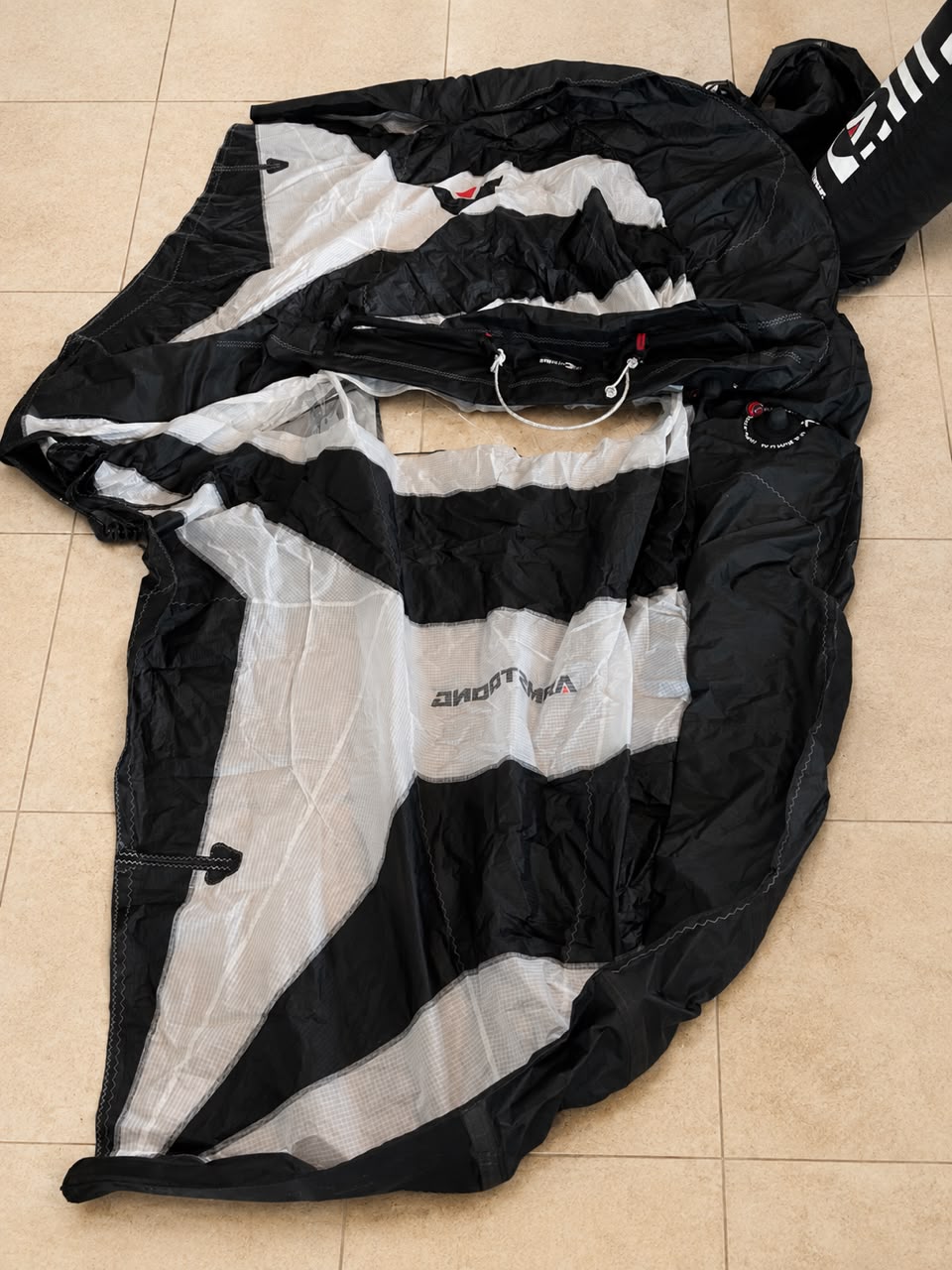
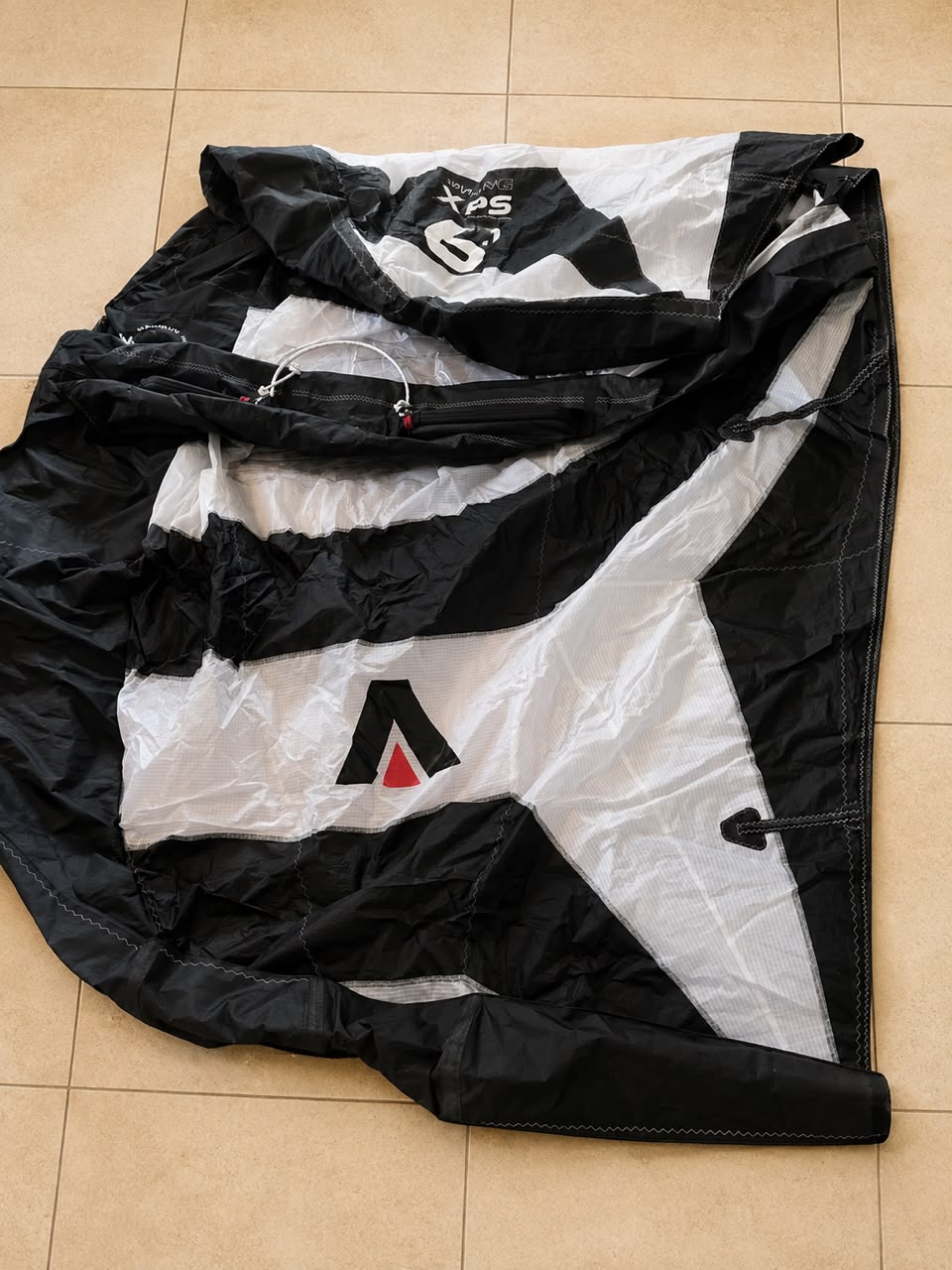

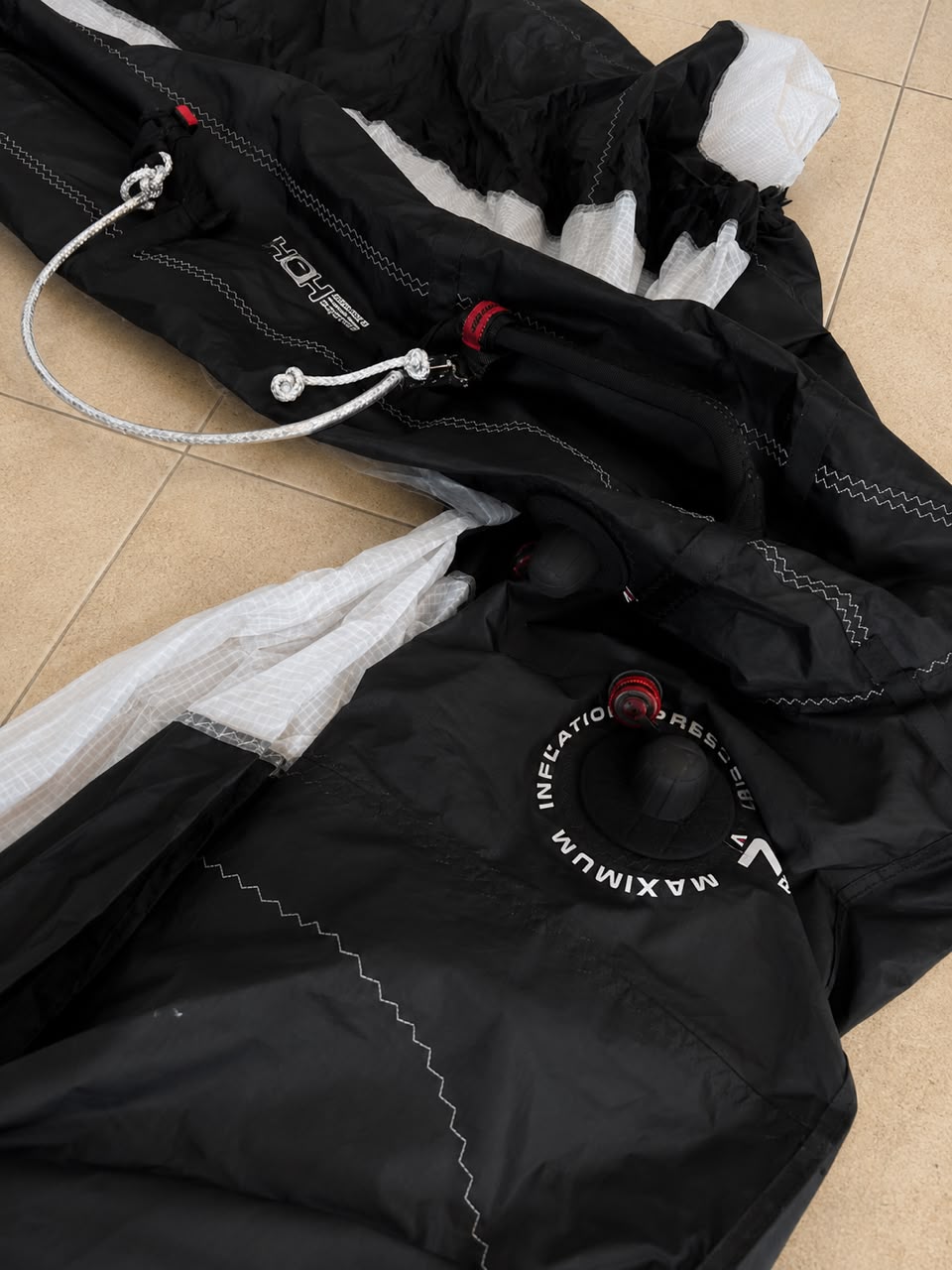
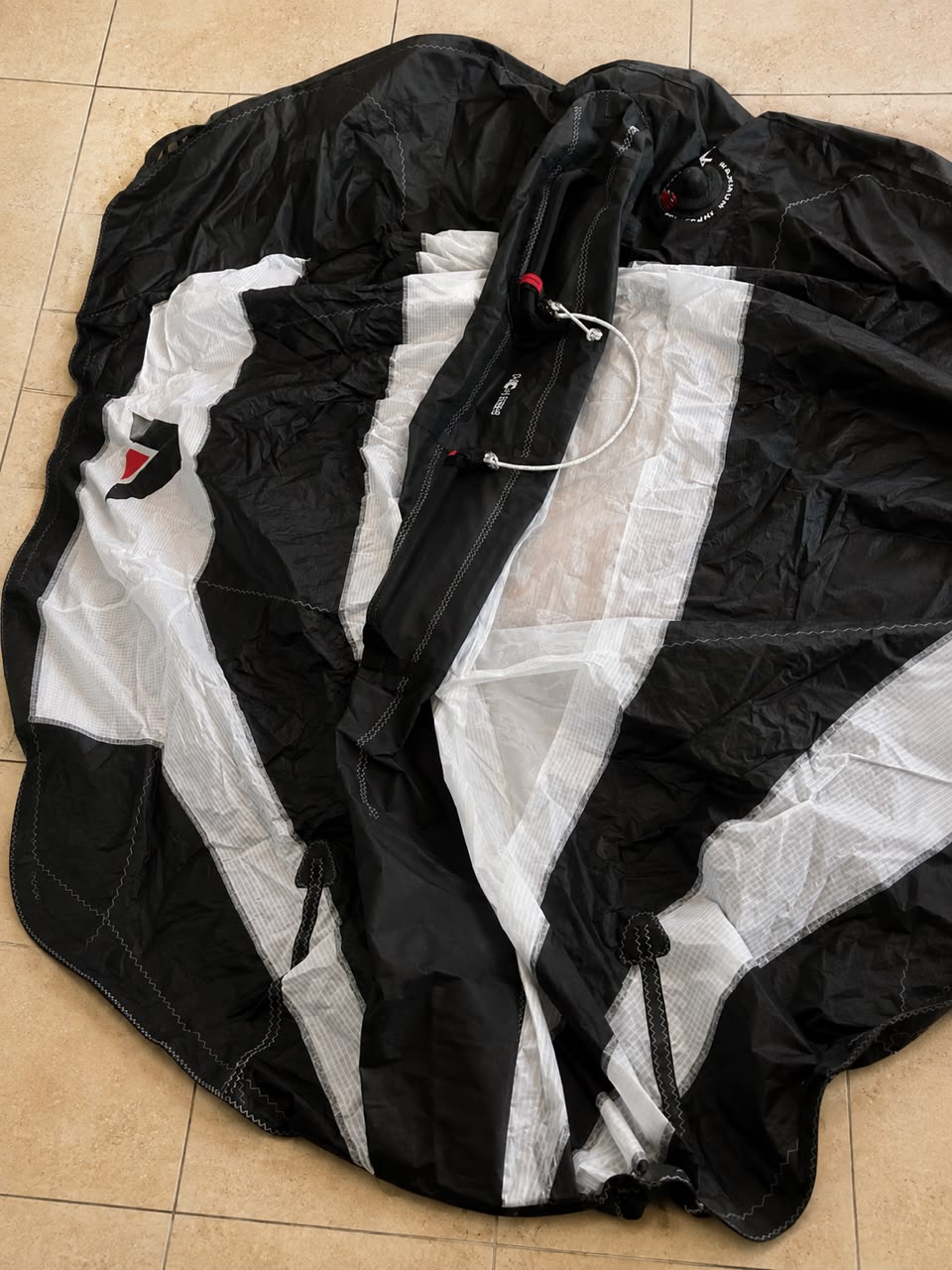


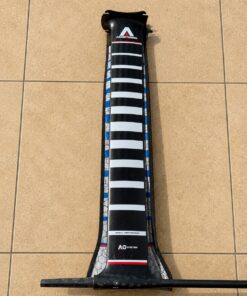
Used Armstrong A-Wing XPS (6.1m²)


€600.00
The Used Armstrong A-Wing XPS 6.1m² is a performance-focused wing built for smooth power delivery, efficient light-wind riding, stable handling, and responsive control. Its generous 6.1m² size provides useful power for getting onto foil in lighter conditions, while its engineered canopy and supportive airframe promote predictable handling and comfortable cruising.
As a used wing, actual condition should be confirmed before purchase, including canopy tension, seams, leading edge, center strut, valves, handles, bladder pressure retention, leash attachment points, and any previous repairs. When properly maintained and matched with a suitable board and foil setup, it offers a versatile option for riders seeking capable light-wind performance at used-equipment value.
Used Armstrong A-Wing XPS (6.1m²) – Premium Used Wing Foiling Performance, Light-Wind Power, and Technical Design
Used Armstrong A-Wing XPS 6.1m² Overview, Design, Performance, Construction, and Foiling Compatibility
The Used Armstrong A-Wing XPS (6.1m²) combines substantial canopy area with a performance-oriented airframe intended to deliver useful low-end power, controlled handling, and efficient forward drive. The 6.1m² size is particularly relevant when lighter wind requires greater aerodynamic surface area, although rider weight, board dimensions, underwater setup, water conditions, and experience all influence its practical range.
Because this example is used, buyers should evaluate more than appearance. Canopy tension, leading-edge integrity, center-strut condition, valves, bladders, seams, handles, attachment points, and evidence of previous repairs all provide important information about remaining condition.
HA Front Foil
An HA Front Foil can complement a larger wing when the rider wants efficient glide and reduced drag once airborne. High-aspect designs typically emphasize glide and momentum retention, although exact performance depends on area, profile, stabilizer, mast, and rider ability.
Armstrong Foils
armstrong foils form the underwater component of the broader riding system. While the handheld wing creates aerodynamic drive, the hydrofoil converts forward water speed into lift. Selecting an appropriate foil therefore has a major influence on takeoff and cruising behavior.
Armstrong Integrated Foil Masts Price
Searches for armstrong integrated foil masts price generally come from riders building or upgrading a complete setup. Mast selection matters because stiffness, length, profile, and compatibility can influence responsiveness and underwater drag.
Armstrong Foil Board
An armstrong foil board provides the platform connecting rider and hydrofoil. Board volume influences flotation, while length and hull efficiency affect acceleration before takeoff. Consequently, the board should be selected according to rider weight, experience, and intended conditions.
Surf Foil Board
A surf foil board generally emphasizes maneuverability and wave-oriented performance. Although the 6.1m² wing is primarily relevant to wind-powered riding, experienced riders may own equipment that crosses between several foil disciplines.
Armstrong Downwind Board
An armstrong downwind board uses a longer, more glide-oriented shape to generate water speed efficiently. Such efficiency can become valuable in lighter wind because the rider needs less resistance to accelerate toward foil takeoff.
Armstrong Midlength
The armstrong midlength concept occupies useful territory between very compact boards and dedicated long downwind shapes. Increased waterline length can improve acceleration while retaining more compact handling than a full downwind platform.
Armstrong Downwind Foil
An armstrong downwind foil generally prioritizes efficient glide and the ability to connect moving swell energy. The same emphasis on hydrodynamic efficiency can also benefit riders seeking improved momentum retention.
Armstrong Mid Length Board
An armstrong mid length board can be particularly interesting when pairing a large wing with an efficient setup. Better board glide may reduce the amount of aggressive pumping required during marginal conditions.
Armstrong Downwind Boards
Different armstrong downwind boards provide varying combinations of length, volume, width, and glide. Board selection should therefore reflect rider size and intended discipline rather than being based solely on wing area.
Wing Foil Front Wing
A wing foil front wing provides the majority of underwater lift. Larger surfaces generally favor lower-speed lift, whereas smaller performance-oriented designs can prioritize speed and maneuverability.
HA Front Foil for Sale
When searching for an HA Front Foil for sale, compatibility and condition deserve the same attention as price. Used carbon components should be checked for cracks, substantial impact damage, delamination, and compromised mounting interfaces.
Kite Armstrong
The phrase kite armstrong sometimes appears in broader wind-sports searches. However, an inflatable handheld wing operates differently from a conventional kite because the rider directly controls it through handles rather than flying it through long lines.
Armstrong Foil Boards
The broader family of armstrong foil boards allows riders to build setups around different conditions. Compact boards can emphasize maneuverability, while longer platforms generally provide more pre-takeoff glide.
Surf Foil
surf foil riding uses wave energy to maintain hydrofoil flight. Although the power source differs from wing-powered riding, both disciplines rely heavily on foil efficiency, pitch control, and rider balance.
Armstrong Foiling
armstrong foiling describes the wider equipment ecosystem involving boards, hydrofoils, masts, fuselages, stabilizers, and handheld wings. The 6.1m² model serves as the aerodynamic power source within a wing-powered configuration.
Foiling Board
A foiling board must perform two distinct jobs. Initially, it provides flotation and acceleration on the water. After takeoff, it becomes the rider’s platform above the surface while the underwater assembly carries the load.
Armstrong Foils for Sale
Buyers searching armstrong foils for sale should consider the complete system rather than selecting components independently. Front-wing size, stabilizer characteristics, mast dimensions, board volume, and rider weight can dramatically change practical performance.
Foiling Boards
Different foiling boards suit different levels of experience. Beginners commonly benefit from additional stability and volume, whereas experienced riders may choose smaller equipment for increased responsiveness.
Surf Foilboard
A surf foilboard usually features dimensions suited to wave entry and maneuverability. Its requirements differ from those of a dedicated light-wind wing board, particularly before takeoff.
Armstrong Performance Mast
An armstrong performance mast provides the structural connection between board and underwater assembly. Rigidity contributes to precise control because rider movements must travel through the mast before reaching the foil.
Armstrong Wing
The armstrong wing provides aerodynamic power without requiring traditional kite lines. The rider controls its angle and power directly through the handle system, making hand position and canopy stability important parts of the riding experience.
Surf Foil Boards
Different surf foil boards vary in volume, outline, length, and intended wave conditions. Riders who participate in multiple foil disciplines may therefore maintain several board configurations around one broader equipment collection.
Armstrong Wings
armstrong wings are available in different sizes because wind strength and rider requirements vary. A larger 6.1m² canopy primarily addresses situations where additional aerodynamic area is desirable.
Armstrong Fuselage
An armstrong fuselage connects major underwater components and helps establish the relationship between the front lifting surface and rear stabilizer. Fuselage geometry can influence pitch stability and turning behavior.
Armstrong V1 Downwind Board
The armstrong v1 downwind board represents earlier downwind-focused equipment within the wider ecosystem. Used buyers should always confirm generation-specific compatibility when combining older and newer components.
Armstrong Integrated Foil Masts Price 2025
The search phrase armstrong integrated foil masts price 2025 reflects interest in historical mast pricing. However, pricing changes over time, so buyers should distinguish current retail information from older price references when calculating the cost of a complete setup.
Foil for SUP
A foil for SUP typically requires enough usable lift and stability to complement paddle-powered takeoff. Rider weight, board length, foil size, swell energy, and skill level all influence the appropriate configuration.
Armstrong Wing Foil
An armstrong wing foil setup combines aerodynamic power above the water with hydrodynamic lift below it. This relationship explains why changing the board or front foil can dramatically change how the same 6.1m² wing feels.
Armstrong Downwind Foil Board
An armstrong downwind foil board emphasizes efficient acceleration before takeoff. In marginal wind, reduced board resistance can help the rider build the speed required for the underwater system to begin producing sufficient lift.
Hydrofoil Front Wing
The hydrofoil front wing is the principal underwater lifting surface. Its area, span, aspect ratio, section profile, and geometry determine much of the system’s takeoff speed, glide, turning response, and speed potential.
Front Foil
A front foil should be matched carefully to rider weight and conditions. A larger surface may provide earlier lift, while a smaller design may deliver greater speed and responsiveness once adequate velocity has been achieved.
Hydrofoil Lift Stability
hydrofoil lift stability describes how predictably the underwater system maintains lift as speed and rider input change. Stable pitch behavior can make the complete setup easier to control, particularly through gusts, transitions, and changes in water texture.
Why Choose the 6.1m² Size?
The primary reason to consider this size is usable aerodynamic surface area. In lighter wind, additional area can help generate the forward drive needed to accelerate the board.
However, larger does not automatically mean better. Rider size, skill, wind conditions, board efficiency, and foil selection should determine whether 6.1m² is appropriate.
How the Wing Produces Useful Performance
The inflatable frame establishes structural shape while the tensioned canopy interacts with airflow. The rider changes the wing’s angle through the handles, controlling how aerodynamic force is delivered.
Once the board accelerates sufficiently, the underwater lifting surface begins carrying more of the combined rider-and-equipment weight.
Where It Performs Best
The 6.1m² format is particularly relevant to open-water and coastal riding where lighter wind creates a need for additional power. It can also suit inland locations, although gusty or turbulent wind can make larger equipment more demanding.
Local weather, currents, obstacles, and water conditions should always be assessed before launching.
When You Should Consider It
Consider this size when your normal conditions frequently fall toward the lighter end of your equipment range or when your board and foil setup benefits from additional power during takeoff.
More experienced riders may also use a large wing to extend session opportunities when smaller sizes would require excessive pumping.
Used Condition and Buyer Inspection
Because this is used equipment, condition should influence purchasing decisions substantially. Inspect the canopy for excessive stretching, pinholes, repairs, UV deterioration, and trailing-edge wear.
Likewise, examine the inflatable frame, valves, seams, handles, leash attachment, and high-load reinforcement areas. The wing should retain pressure correctly without unexplained softening.
Overall Technical Assessment
The Used Armstrong A-Wing XPS (6.1m²) is best understood as a large performance-oriented wing intended to generate useful power when available wind is limited while integrating into a complete board-and-hydrofoil system.
Its real value as used equipment depends on structural integrity, canopy tension, reliable inflation, secure handles, sound seams, and appropriate pairing with the rider’s board and underwater setup. When those factors align, the 6.1m² format can provide an effective combination of low-end power, controlled handling, acceleration, and versatile recreational foiling performance.
Aerodynamic Performance, Light-Wind Capability, Handling, Stability, Comfort, and Real-World Riding Experience
The 6.1m² configuration is designed around a fundamental challenge in wing foiling: producing enough usable aerodynamic force when the wind becomes relatively light without making the equipment unnecessarily difficult to control. A larger canopy provides more surface area for interacting with airflow, but successful performance still depends on aerodynamic shaping, structural rigidity, rider technique, board efficiency, and the underwater setup. With used equipment, condition becomes another major variable because stretched fabric, pressure loss, damaged seams, or weakened attachment areas can change the original riding characteristics.
Overall Riding Character
The overall riding experience combines substantial low-end power with a performance-oriented feel.
Its larger dimensions make it particularly relevant when a rider needs additional aerodynamic assistance to accelerate the board before takeoff.
Nevertheless, it should not be viewed simply as a solution for every light-wind situation. Rider weight, ability, water conditions, and equipment selection remain important.
Light-Wind Performance
Lighter conditions require efficient use of every available increase in wind speed.
A large canopy can capture more airflow than a substantially smaller alternative, helping the rider develop forward momentum.
However, the board must still accelerate efficiently enough for the underwater lifting system to begin working.
Low-End Power
Low-end power becomes particularly valuable during initial acceleration.
Before takeoff, the board remains in contact with the water and experiences considerably more resistance than it does once flying.
Therefore, useful aerodynamic force during this stage can reduce the effort required to build speed.
Progressive Power Delivery
Controllable power is generally more useful than sudden pull.
As wind pressure increases, a properly shaped canopy should provide progressive aerodynamic loading that the rider can manage through positioning and hand input.
Healthy fabric tension plays an important role in maintaining this predictable response.
Canopy Profile
The canopy’s three-dimensional profile influences how efficiently air travels around the wing.
A stable profile helps transform airflow into useful forward-driving force.
If a used canopy has become substantially stretched, its original shape may change under load, potentially affecting responsiveness and efficiency.
Structural Rigidity
The inflatable frame provides the foundation that supports the canopy.
Appropriate rigidity helps preserve designed geometry when aerodynamic loads increase.
Incorrect inflation or pressure loss can allow excessive deformation, reducing the directness of the riding experience.
Leading-Edge Performance
The leading edge defines much of the wing’s overall shape.
Its curvature, stiffness, and structural condition influence how the canopy presents itself to incoming airflow.
Abrasion, major repairs, or pressure problems should therefore be considered carefully when inspecting used equipment.
Center-Strut Function
The center strut supports the canopy while providing the primary control interface for the rider.
Because handle loads pass through this structure, it must remain firm and correctly inflated.
Areas surrounding handle attachments deserve particular attention during inspection.
Handle Response
Rigid handles can provide a direct connection between rider movement and wing response.
This allows relatively small hand movements to influence positioning.
For longer sessions, grip shape and placement can also affect wrist and forearm comfort.
Rider Comfort
Comfort becomes increasingly important when using larger equipment because aerodynamic loads can remain substantial during powered riding.
Efficient posture can reduce unnecessary tension through the arms and shoulders.
The rider should avoid relying exclusively on upper-body strength to control the wing.
Pumping Characteristics
Pumping involves coordinated movement designed to temporarily increase aerodynamic force and board acceleration.
A properly tensioned canopy and rigid frame generally provide more immediate feedback.
If fabric has become heavily stretched, some of that movement may be absorbed through deformation rather than translated efficiently.
Board Acceleration
Takeoff performance depends heavily on how easily the board moves across the water.
A board that develops forward speed efficiently can make lighter-wind riding considerably easier.
Conversely, a less efficient platform may require stronger wind or more active rider input.
Transition to Foil Flight
As water speed increases, the underwater lifting surface gradually begins supporting more weight.
Eventually, the board rises clear of the surface.
This transition dramatically reduces water resistance and allows the complete system to accelerate more efficiently.
Cruising Efficiency
Once airborne, considerably less aerodynamic force may be required to maintain movement than was necessary during initial takeoff.
The rider can therefore adjust the wing position and reduce unnecessary loading.
Efficient underwater equipment makes this phase particularly noticeable.
Upwind Riding
Traveling efficiently against the wind requires coordination between aerodynamic drive and underwater lateral resistance.
The rider must maintain sufficient speed while positioning both body and equipment appropriately.
Water current and wind consistency can substantially influence the achievable angle.
Downwind Riding
When traveling more directly with the wind, aerodynamic loading can decrease.
The rider may reposition the wing or allow it to become more neutral.
Good balance becomes important because the underwater system may continue carrying significant speed even when the wing produces relatively little power.
Flagged-Out Handling
During swell or wave riding, the rider may hold the wing primarily from the front and allow it to follow.
Weight distribution, canopy stability, and frame condition influence how naturally it behaves in this position.
A heavily worn canopy may flutter more than one retaining good structural tension.
Gust Management
Real-world wind often changes rapidly.
A gust can substantially increase aerodynamic loading within seconds.
Riders should respond progressively rather than fighting the equipment with excessive force.
Appropriate wing selection remains essential when conditions become stronger.
Lull Management
A lull creates the opposite problem.
When wind strength falls, maintaining board and foil speed becomes increasingly important.
Efficient glide can help preserve momentum until stronger airflow returns.
Turning Response
Large wings naturally require different timing from smaller alternatives.
Additional span creates greater physical dimensions that must move through space during transitions.
Smooth, deliberate movements generally provide better control than abrupt inputs.
Wingtip Awareness
Tip clearance becomes particularly relevant with larger equipment.
A tip contacting the water can interrupt a maneuver or alter the wing’s position suddenly.
Rider height, stance, hand position, and water conditions all influence clearance.
Tack Performance
A tack requires the rider and wing to transition while changing direction through the wind.
Timing and control are particularly important with a larger canopy.
Learning should occur progressively in suitable conditions with adequate open space.
Gybe Performance
During a gybe, the rider changes direction while maintaining controlled foil flight.
Smooth hand transitions and consistent board speed help preserve stability.
The larger dimensions reward deliberate positioning.
Flat-Water Conditions
Flat water can make acceleration and takeoff easier because the board encounters fewer interruptions.
It also provides a useful environment for developing fundamental transitions and control.
Choppy Conditions
Chop repeatedly changes board angle and water resistance.
This can make takeoff and sustained flight more demanding.
Riders may need greater control and additional margin in their equipment selection.
Rider Weight Considerations
A heavier rider generally requires more total lift than a lighter rider.
Consequently, practical performance cannot be predicted from canopy size alone.
Board volume and underwater lifting area should also be considered.
Experience Level
Experienced riders can often generate speed more efficiently through coordinated pumping, board control, and positioning.
Developing riders may benefit from more forgiving conditions and stable equipment while learning fundamental techniques.
Used Canopy Condition
A used canopy should retain reasonable tension without extensive softness or deformation.
Minor cosmetic wear may have little practical effect, whereas severe stretching can alter aerodynamic response.
Inspection under full inflation can reveal condition more clearly.
Air Retention
Reliable pressure retention is essential.
A wing that gradually becomes soft during a session loses structural rigidity and may behave differently from its intended design.
Persistent leakage should be addressed before water use.
Seam Integrity
Structural seams experience repeated loading during inflation and riding.
Loose stitching, separation, or significant distortion should receive attention.
Previous repairs should also be inspected for continuing deterioration.
Environmental Influence
Temperature, sunlight, salt, sand, and repeated wetting can gradually affect equipment.
Appropriate rinsing when necessary, thorough drying, careful packing, and protection from prolonged ultraviolet exposure can help preserve condition.
Real-World Used Equipment Assessment
A used example should ultimately be judged by how well its critical structures have been preserved. Reliable inflation, healthy canopy tension, secure handles, intact seams, sound valves, and undamaged reinforcement areas matter considerably more than minor cosmetic marks.
When these areas remain in good condition, the larger configuration can provide strong light-wind usefulness, smooth acceleration, comfortable cruising, and versatile handling. Its performance still depends on the complete system, however. Rider technique, body weight, board efficiency, underwater lift, water state, and wind quality must work together for the equipment to deliver its intended riding experience.
Used Condition, Inspection, Maintenance, Canopy Care, Storage, Transportation, and Long-Term Reliability
Buying a used wing requires a different evaluation from buying new equipment. Factory specifications explain how the equipment was originally designed to perform, but its present condition determines how much of that performance remains. Fabric tension, inflatable-frame integrity, valve condition, stitching, handles, attachment points, previous repairs, ultraviolet exposure, and storage history can all influence reliability. Therefore, a thorough inspection should be completed before the first session and repeated periodically throughout ownership.
Overall Used Condition Assessment
Begin by examining the entire wing while it is clean, dry, and fully opened.
Look across the canopy from several angles because stretched areas, repairs, and irregularities may be difficult to identify when the material remains folded.
Ordinary cosmetic wear should be distinguished from structural deterioration.
Inspection While Inflated
A second inspection should be completed after proper inflation.
Inflation places the fabric and structural sections under their normal tension, making some problems easier to identify.
The leading edge and center strut should become appropriately firm and maintain their intended shape.
Canopy Condition
The canopy is fundamental to aerodynamic performance.
Look for excessive softness, unusual stretching, punctures, tears, abrasions, repaired areas, and deterioration around stitching.
Minor marks may have little influence, whereas extensive stretching can change the designed aerodynamic profile.
Canopy Tension
Fabric gradually changes through repeated loading.
Healthy tension helps the canopy retain its intended shape as wind pressure increases.
If large sections appear unusually loose, flutter may increase and the riding feel may become less direct.
Leading-Edge Inspection
The inflatable leading edge forms the structural backbone of the wing.
Inspect its entire circumference for abrasion, cuts, weakened stitching, repairs, or unusual deformation.
Areas that frequently contact beaches or storage surfaces deserve additional attention.
Center-Strut Inspection
The center strut supports the canopy and carries loads from the rider interface.
Examine the fabric surrounding attachment areas carefully.
There should be no substantial tearing, separation, or abnormal movement around heavily loaded sections.
Pressure Retention
Reliable pressure retention provides an important indication of pneumatic condition.
After inflation, the structure should remain appropriately firm rather than gradually becoming noticeably softer.
Persistent pressure loss may indicate a bladder, valve, connection, or sealing problem that requires attention.
Internal Bladder Condition
Internal bladders are protected by the external structure but can still develop punctures or valve-related problems.
Repeated unexplained leakage should not simply be accepted as normal aging.
The source should be identified and repaired appropriately.
Valve Inspection
Valves experience repeated handling during inflation and deflation.
Check for cracking, separation, contamination, and signs of leakage.
Connections should remain clean and secure without requiring excessive force.
Seam Condition
Structural seams distribute substantial loads throughout the wing.
Loose stitching, separated fabric layers, or progressively widening gaps should receive attention.
Small cosmetic thread ends should not automatically be confused with structural seam failure.
Handle Condition
Handles should remain securely attached and structurally sound.
Check for cracking, unusual flexibility, damaged padding, looseness, or deterioration around attachment points.
Because rider input passes directly through these areas, compromised components should be addressed before continued use.
Leash Condition
The leash serves an important retention function.
Inspect elastic sections, webbing, stitching, attachment points, and closures for deterioration.
A heavily worn or damaged leash should be replaced rather than relied upon indefinitely.
Previous Repairs
Used equipment may contain previous repairs.
A repair does not automatically indicate poor condition. Instead, evaluate its location, workmanship, size, and current integrity.
A well-executed repair that remains stable can be considerably less concerning than an unrepaired structural tear.
Repair Inspection
Look around patch edges and stitched repairs for renewed separation.
The surrounding material should not show continuing tearing or excessive distortion.
Structural repairs involving major inflatable sections may deserve professional evaluation.
Ultraviolet Exposure
Sunlight gradually affects technical fabrics.
Extended ultraviolet exposure can contribute to fading, reduced material strength, and aging of coatings.
Therefore, equipment should not remain unnecessarily exposed to direct sunlight for prolonged periods when it is not being used.
Saltwater Care
Salt residue can accumulate after marine sessions.
Appropriate freshwater rinsing can help remove deposits from fabric, handles, valves, and attachment areas.
However, the equipment should subsequently be allowed to dry thoroughly before extended storage.
Sand Management
Sand creates abrasion and can work into folds, valves, seams, and bags.
Avoid dragging the wing across beaches whenever practical.
Before packing, remove excessive sand so that abrasive particles are not repeatedly compressed between fabric layers.
Drying Procedure
Drying is particularly important before long-term storage.
Moisture trapped inside folds can contribute to odor, staining, and deterioration.
Both the wing and storage bag should be reasonably dry before being packed for an extended period.
Freshwater Sessions
Freshwater reduces concerns associated with salt deposits, but drying remains necessary.
Mud, vegetation, and other contaminants should also be removed before storage.
Clean equipment is easier to inspect for developing damage.
Packing Technique
Careful packing reduces unnecessary stress.
Avoid creating severe folds around valves, reinforced junctions, or other sensitive areas.
Do not force the wing into an excessively compressed package merely to reduce storage volume.
Storage Environment
Choose a dry, ventilated location with moderate temperature.
Avoid areas exposed to excessive heat, persistent moisture, chemicals, sharp objects, or direct sunlight.
Heavy equipment should not be stacked on top of the packed wing.
Heat Protection
High temperatures can accelerate material aging.
Vehicles exposed to strong sunlight can become extremely hot, so they are generally unsuitable for prolonged storage.
A cooler indoor environment provides better protection.
Cold-Weather Storage
Very low temperatures can make some materials temporarily less flexible.
If equipment has been stored in cold conditions, allow it to return gradually toward normal temperature before aggressive unfolding or manipulation.
Transportation
During transportation, the wing should remain protected from sharp equipment and unnecessary compression.
Foil components, tools, fins, and other hard objects should not press directly against the packed canopy.
Separate padding can reduce accidental punctures.
Pre-Session Inspection
Before entering the water, check inflation, valves, handles, leash, canopy, seams, and attachment points.
This short routine can reveal damage that developed during transportation or storage.
Wind and water conditions should also be evaluated before launching.
Post-Session Inspection
After each session, briefly examine the equipment again.
Look for new abrasion, punctures, stitching damage, or pressure changes.
Finding a developing problem early usually makes maintenance easier.
Cleaning Products
Aggressive chemicals should generally be avoided unless specifically approved for the materials involved.
Routine cleaning should remain gentle.
Harsh solvents can potentially affect coatings, adhesives, or synthetic components.
Avoiding Unnecessary Modifications
Structural modifications can alter both reliability and aerodynamic behavior.
Handle attachments, inflatable sections, valves, and reinforcement areas should not be casually modified.
Compatible replacement components and appropriate repair techniques are preferable.
Long-Term Maintenance Routine
Maintenance does not need to be complicated.
Regular inspection, correct inflation, gentle cleaning, adequate drying, careful packing, appropriate storage, and prompt repair of developing problems provide the foundation for responsible ownership.
Evaluating Remaining Service Life
Age alone cannot determine remaining service life.
A carefully maintained older wing may remain in better condition than a newer example that experienced extensive ultraviolet exposure, abrasive beach handling, or poor storage.
Physical condition provides the more meaningful indication.
Warning Signs
Persistent leakage, major seam separation, substantial canopy deterioration, damaged attachment points, failing repairs, or significant inflatable-frame damage should not be ignored.
When structural reliability becomes uncertain, professional assessment is appropriate before continued water use.
Final Maintenance Perspective
A used wing can continue providing dependable performance when its critical components remain healthy. The most important areas are the canopy, inflatable frame, seams, valves, handles, leash connections, and reinforcement zones.
Minor fading and superficial marks may simply demonstrate previous recreational use. In contrast, extensive fabric stretching, repeated pressure loss, structural tearing, or deteriorating repairs can directly affect performance and reliability. Consistent inspection and careful storage therefore provide the best foundation for preserving the equipment’s aerodynamic character and extending its useful service life.
Be the first to review “Used Armstrong A-Wing XPS (6.1m²)”
Related products


Used Product
Used Product


Used Product
Used Product
Used Product
Used Product
Used Product
Used Product
Reviews
There are no reviews yet.