

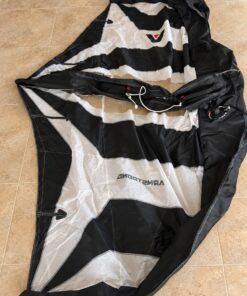

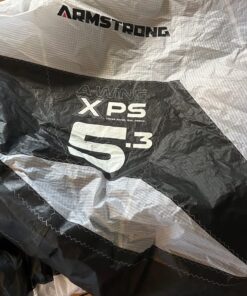
Used Armstrong A-Wing XPS 5.3 wingfoil

€490.00
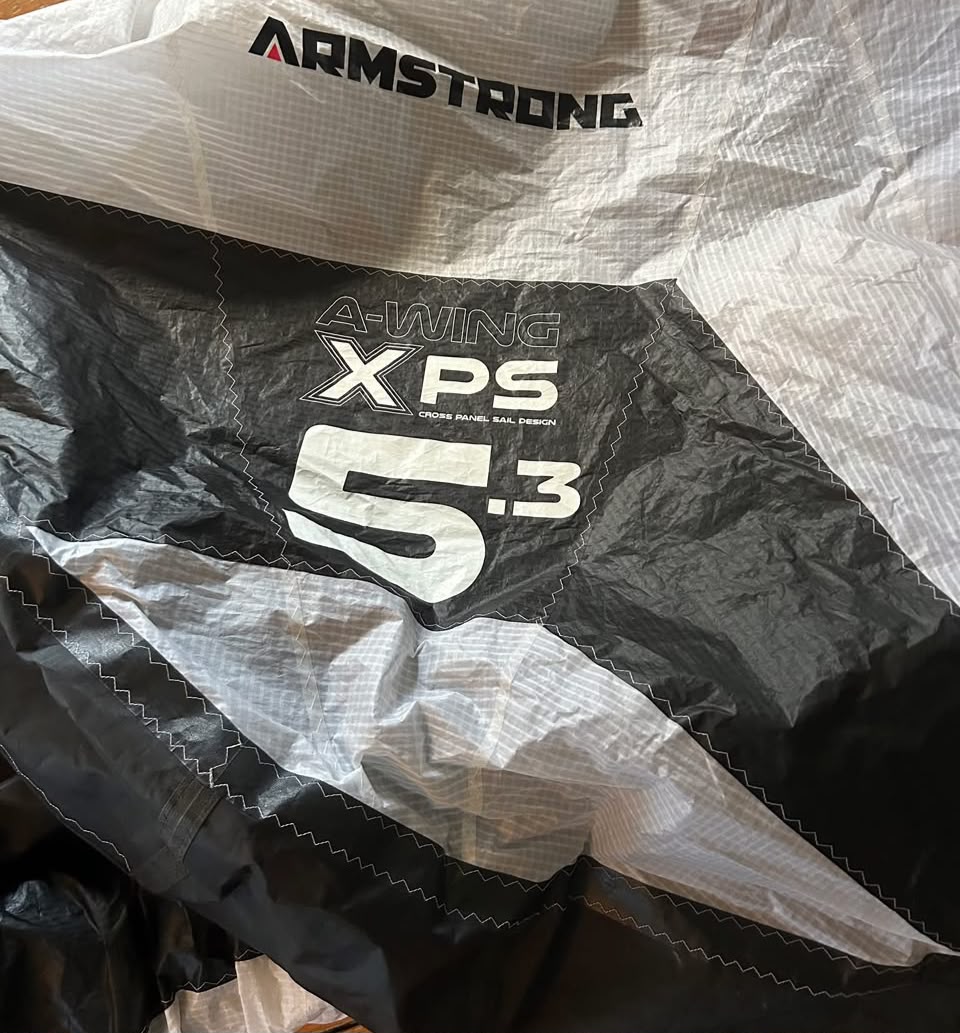
Used Armstrong A-Wing XPS 5.3 Wingfoil
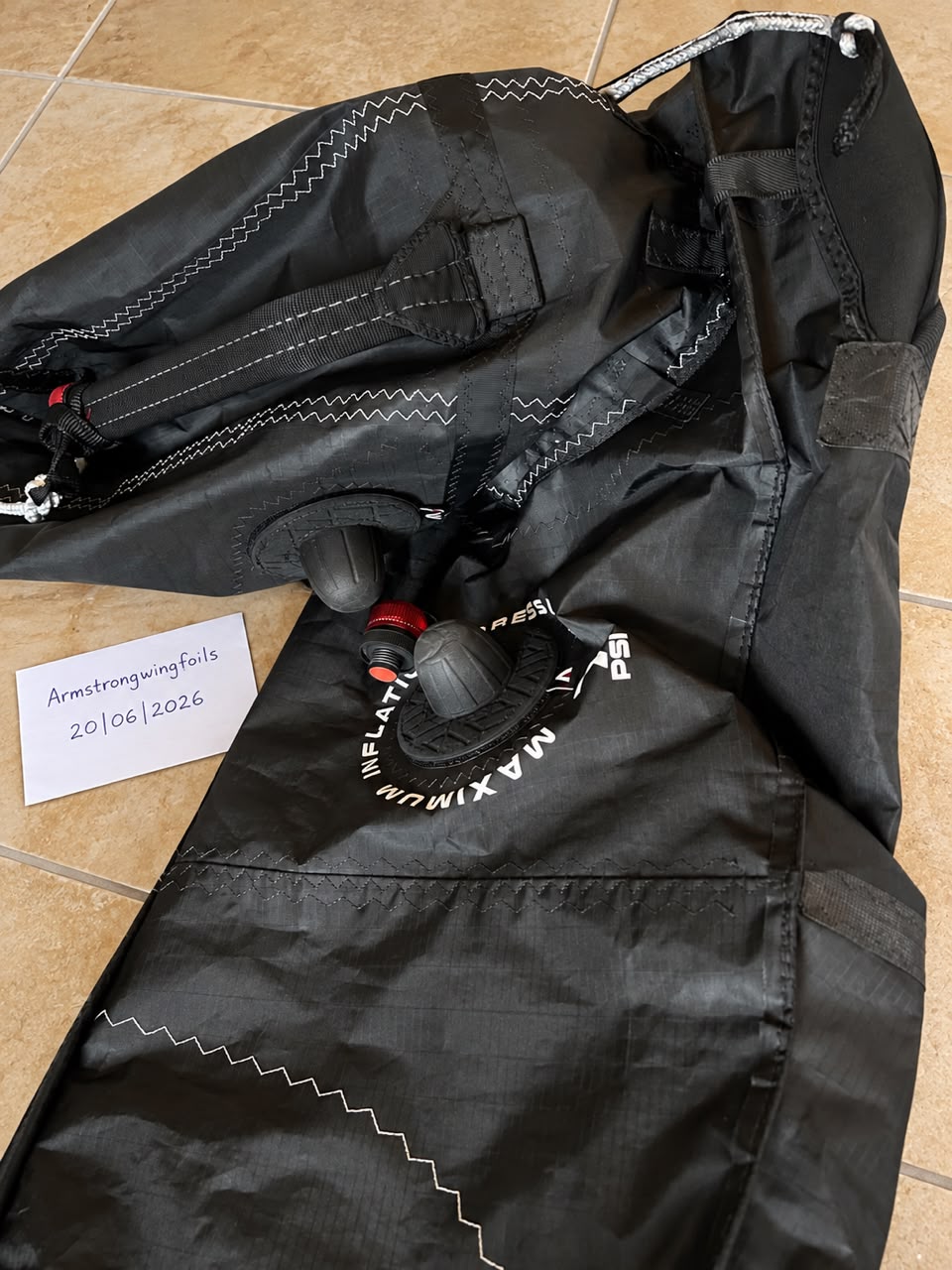
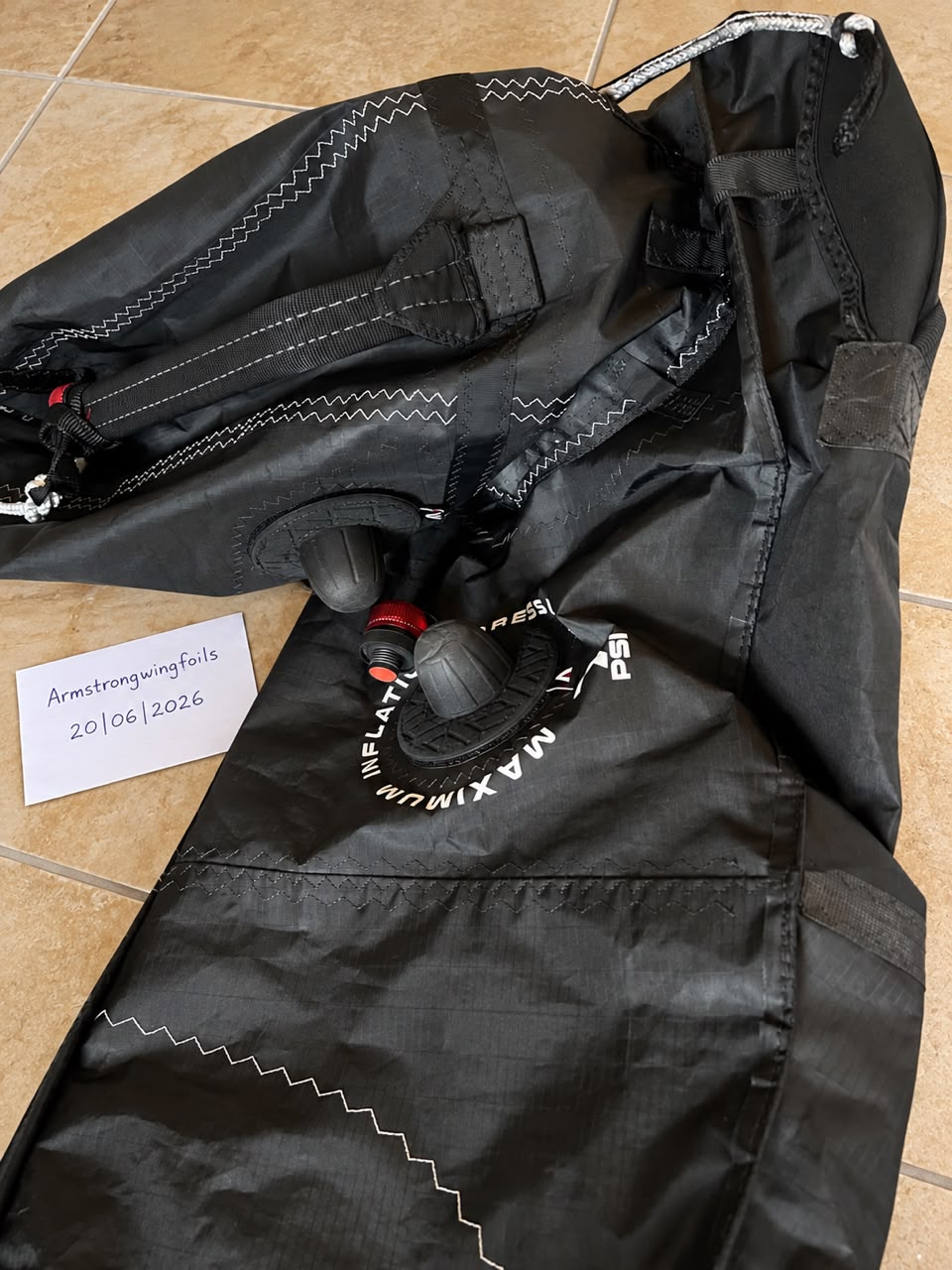
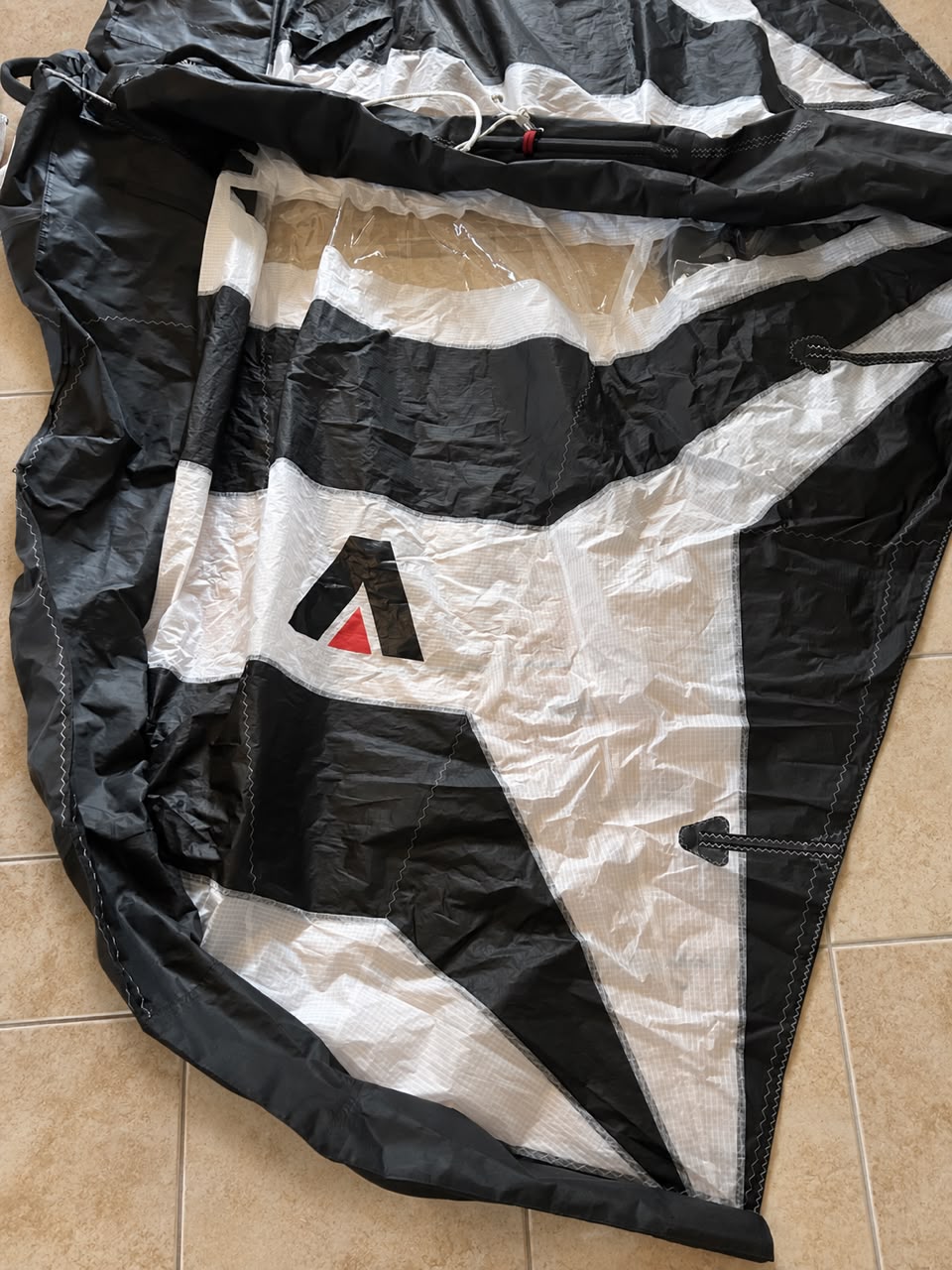
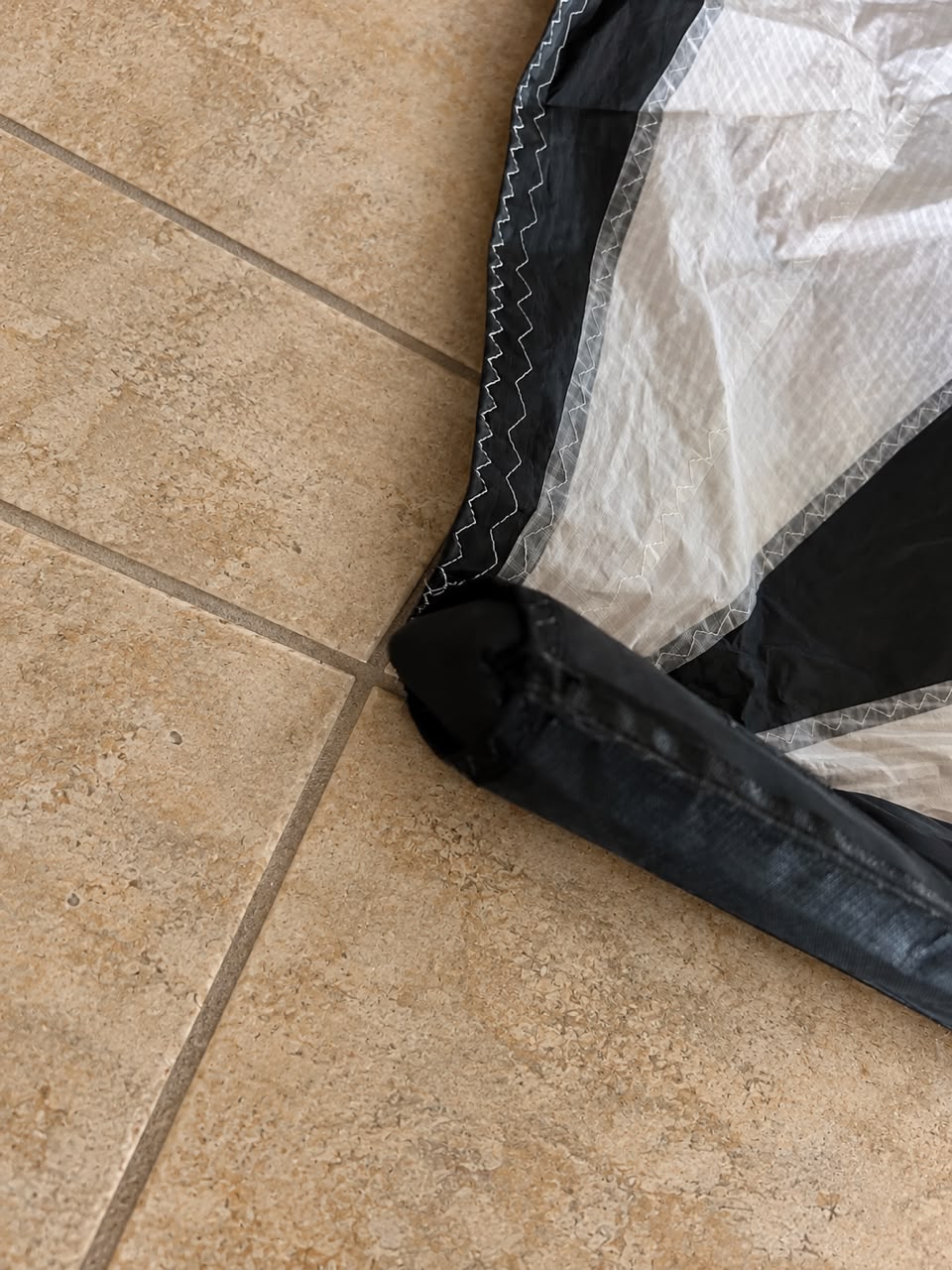
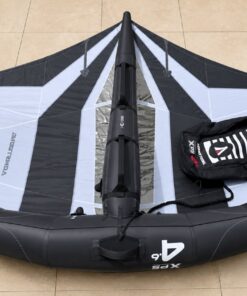
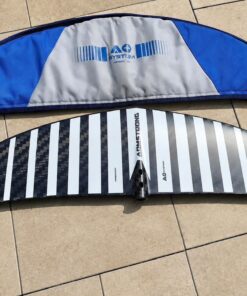
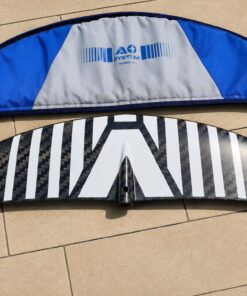
This Used Armstrong A-Wing XPS 5.3 Wingfoil is in excellent condition and has only been used around 10 times. It has been washed after every session, has barely ever touched sand, and has no rips or tears.
The 5.3 m² size offers a versatile balance of power, control, and handling for everyday wingfoiling. Its performance-focused design provides smooth power delivery, stable handling, and responsive control, making it suitable for freeride, progression, wave riding, and general recreational use.
The wing has been carefully maintained and shows very limited signs of use. Because it has seen minimal sand exposure and consistent cleaning, the canopy, seams, handles, and inflatable structure have been kept in very good overall condition.
Key Details
- Model: Armstrong A-Wing XPS
- Size: 5.3 m²
- Condition: Excellent used condition
- Usage: Approximately 10 sessions
- Maintenance: Washed after every session
- Sand Exposure: Minimal
- Damage: No rips or tears
- Performance: Smooth power, responsive handling, and stable control
- Suitable For: Freeride, wave riding, progression, and general wingfoiling
- Overall: Clean, lightly used, and ready for many more sessions
This is a strong choice for someone looking for a well-maintained performance wing without paying full new-equipment pricing. Its low usage, careful maintenance history, and excellent physical condition make it an attractive option for riders upgrading or completing their setup.
Used Armstrong A-Wing XPS 5.3 Wingfoil
Used Armstrong A-Wing XPS 5.3 Wingfoil Overview
This Used Armstrong A-Wing XPS 5.3 Wingfoil is in excellent condition and has only been used approximately 10 times. It was washed after every session, was barely ever exposed to sand, and has no rips, making it an attractive option for riders who want premium Armstrong equipment without the wear that often comes with heavily used wingfoil gear.
The A-Wing XPS was developed as an all-around performance wing for freeride, wave riding, and freestyle. Armstrong describes the XPS platform as focused on balanced power, control, and real-world versatility. In the 5.3 m² size, the manufacturer lists a 319 cm span, 3.4 kg weight, and a recommended wind range of approximately 10–20 knots.
5.3 m² Size and Real-World Wind Range
The 5.3 m² size is a practical choice for riders who want useful low-end power without moving into an oversized light-wind wing.
Its published 10–20 knot range gives it broad usefulness for everyday wingfoiling, although actual suitability depends on rider weight, foil size, board volume, technique, and local conditions.
That makes the wing especially useful for riders building an armstrong wing foil setup around moderate winds.
It can also complement an armstrong foil board, armstrong foil boards, foiling board, foiling boards, surf foil board, or surf foilboard, depending on the rider’s chosen discipline and foil configuration.
Cross Panel Sail Design
One of the defining engineering features of the A-Wing XPS is Armstrong’s Cross Panel Sail Design.
Instead of arranging the canopy entirely in conventional straight panel sections, Armstrong uses diagonally oriented panels to improve load distribution, reduce sail distortion, and increase frame rigidity. The result is intended to create a more connected and controlled feel in the rider’s hands.
For riders comparing armstrong wings, armstrong wing, or general armstrong foiling equipment, this construction is one of the reasons the XPS feels more performance-focused than a basic recreational wing.
Removable Carbon Battens
The A-Wing XPS also uses removable carbon-fiber battens along the trailing edge.
These battens are designed to reduce flutter and allow some tuning of canopy behavior across different wind strengths. Armstrong continues to offer replacement battens for the 5.3 size, which is useful for long-term ownership.
This feature helps the canopy maintain cleaner tension while riding and contributes to the more direct feel associated with the XPS platform.
Pre-Twist Geometry and Upwind Performance
Armstrong combines the airfoil shape with pre-twist geometry to improve speed and upwind efficiency.
The company specifically highlights the design’s ability to remain stable when powered and to behave cleanly when flagged out during wave riding.
For freeride users, this can translate into smoother forward drive and improved ability to maintain a useful course upwind.
For wave riders, stable flagged-out behavior allows more attention to remain on the foil and wave rather than constant wing correction.
Hybrid Carbon Handles
The wing uses Armstrong’s Hybrid Carbon Handle system.
These handles combine a rigid carbon-fiber internal structure with a softer padded exterior. Armstrong designed them to provide direct control while remaining comfortable during longer sessions.
The strut geometry positions the handles ergonomically, which can help reduce unnecessary arm fatigue.
This makes the 5.3 particularly useful for riders who spend longer periods on the water and want a more precise connection to the wing.
Pairing With Armstrong Foil Equipment
The wing can be used as part of a broader Armstrong setup.
Riders may combine it with armstrong foils, an armstrong fuselage, an armstrong performance mast, an appropriate wing foil front wing, or an HA Front Foil depending on their preferred riding style.
Those researching HA Front Foil for sale, front foil, hydrofoil front wing, or hydrofoil lift stability should remember that these underwater foil components perform a completely different job from the handheld inflatable wing.
The A-Wing creates wind power above the water, while the foil system generates lift below the board.
Board Pairing and Riding Styles
Different board choices can significantly change how the 5.3 feels.
An armstrong downwind board, armstrong downwind boards, armstrong downwind foil board, or armstrong v1 downwind board can prioritize glide and efficient takeoff in lighter conditions.
Meanwhile, an armstrong midlength or armstrong mid length board can offer a compromise between compact handling and efficient acceleration.
Traditional surf foil boards may suit riders prioritizing surf-style handling, while larger boards can provide more stability during starts.
Mast and Foil System Considerations
The wing works independently of the underwater foil hardware, but the complete riding experience depends strongly on the foil setup.
Riders researching armstrong integrated foil masts price or armstrong integrated foil masts price 2025 are generally looking at the structural connection between board and foil rather than the handheld wing itself.
Likewise, an armstrong performance mast can influence stiffness and feedback, while the armstrong fuselage and front wing influence lift, pitch stability, turning behavior, and glide.
The correct combination depends on rider weight, skill level, and conditions.
Surf, Downwind, SUP and Kite-Style Search Context
The A-Wing XPS 5.3 is fundamentally a handheld wingfoiling wing, but riders researching related equipment may also encounter terms such as surf foil, armstrong downwind foil, foil for sup, and kite armstrong.
These disciplines can share some board, mast, or foil components, but the riding techniques and propulsion systems differ.
For that reason, buyers should make sure they are selecting equipment that fits their intended setup rather than assuming every Armstrong component serves the same purpose.
Why This Used 5.3 Is Worth Considering
The strongest selling point of this particular wing is its condition.
It has only been used around ten times, was rinsed after every session, barely touched sand, and has no rips.
That limited exposure can help preserve canopy condition, seams, handles, and inflation-system components compared with equipment that has seen several seasons of heavy use.
Combined with the 5.3 m² size, 10–20 knot published wind range, Cross Panel Sail structure, carbon battens, pre-twist geometry, and Hybrid Carbon Handles, this used wing offers a strong combination of performance and value.
For riders looking for a clean, lightly used Armstrong wing suitable for freeride, wave riding, and general performance wingfoiling, this A-Wing XPS 5.3 provides a well-maintained option with plenty of usable life remaining.
Performance, Handling, Wind Range, Durability, and Real-World Use
This 5.3 m² wing is designed to deliver a balanced combination of usable power, control, and handling across a broad range of everyday riding conditions. Because this particular example has only been used around ten times, washed after every session, and rarely exposed to sand, it remains especially attractive for riders who want performance equipment without the heavy wear commonly found on frequently used wings.
Its size makes it particularly practical for moderate wind days, while its construction is intended to provide dependable canopy tension, smooth power delivery, and predictable response. Actual performance will always depend on rider weight, board choice, foil size, water conditions, and skill level, but the 5.3 size offers a versatile middle ground for many riders.
Smooth and Progressive Power Delivery
Power delivery is one of the most important characteristics of any handheld wing.
Rather than producing an abrupt surge, a well-designed wing should build power progressively as the rider sheets in. This makes acceleration easier to control and helps the rider maintain a more stable stance.
During takeoff, smooth power can make a noticeable difference.
The rider can gradually increase speed until the foil begins to lift rather than fighting sudden changes in pull.
Once the board rises from the water, less force is usually required to maintain speed.
This allows the rider to relax the upper body and concentrate more on balance and direction.
Handling in Moderate Wind
The 5.3 size is particularly useful when conditions are neither extremely light nor heavily powered.
In moderate wind, it can provide enough drive to accelerate efficiently while still remaining manageable.
A correctly sized wing should not require excessive effort to control.
When the rider is properly powered, the canopy can remain stable and provide steady forward drive.
This makes longer reaches more comfortable and can reduce unnecessary arm fatigue.
As wind strength increases, the rider can adjust hand position and sheeting angle to manage the additional power.
Low-Wind Performance
In lighter conditions, technique becomes increasingly important.
The rider may need to pump both the wing and board to generate enough speed for takeoff.
A wing with good structural tension can help convert pumping movements into useful forward acceleration.
Board length and foil efficiency also become important.
A rider using a larger or more efficient foil may be able to take off earlier than someone using a smaller, higher-speed setup.
For this reason, published wind ranges should always be treated as guidance rather than an absolute guarantee.
Powered Conditions
As the wind increases, control becomes more important than raw power.
The rider should avoid oversheeting because excessive pressure can make the wing harder to manage.
A stable stance and relaxed grip help reduce fatigue.
When properly trimmed, the wing can remain composed while producing strong forward drive.
Experienced riders may also appreciate the ability to depower quickly by changing the wing angle.
This becomes especially useful when entering gusts or preparing for turns.
Upwind Riding
Efficient upwind performance depends on wing angle, foil efficiency, rider stance, and board speed.
Once on foil, water resistance is greatly reduced.
The rider can then use the wing more efficiently to maintain an upwind course.
Proper body position is important.
The rider should keep enough pressure through the legs to resist the pull of the wing without overloading the arms.
Small adjustments often produce better results than aggressive movements.
Downwind and Flagged-Out Riding
When riding downwind or following swell, the wing may be held in a neutral position rather than continuously powered.
A balanced wing can feel significantly easier to control in this mode.
Reduced pull allows the rider to focus on the foil and water surface.
This is particularly useful when carving across swell or riding waves.
The rider should maintain control of the front handle and keep the wing positioned where it will not interfere with body movement.
Turning and Transitions
Smooth transitions depend on maintaining speed and controlling the wing through the turn.
During a gybe, the rider generally moves the wing across the body while shifting weight to guide the board.
The timing of these movements is important.
If speed drops too much, the foil may touch down.
A wing that remains predictable through the transition can make the maneuver easier.
Practice allows the rider to reduce unnecessary movements and complete turns more efficiently.
Tacking
Tacking usually requires more precise timing than a basic gybe.
The rider moves through the wind while transferring the wing from one side of the body to the other.
Maintaining foil speed is important because the board must pass through a point where forward drive temporarily decreases.
The wing should remain controlled throughout the movement.
A stable canopy and direct handle response can help the rider maintain confidence during the maneuver.
Jumping and Freestyle Use
More experienced riders may use the wing for jumping or freestyle maneuvers.
In these situations, predictable power delivery becomes especially important.
The rider needs to know how the wing will respond when loaded before takeoff.
After leaving the water, the wing must remain manageable enough to control body position.
Landing also requires coordinated movement between wing and foil.
Because freestyle places greater loads on equipment, the canopy, handles, seams, and inflation system should be inspected regularly.
Handle Feel and Control
Rigid or semi-rigid handles can provide more direct input than soft webbing handles.
The rider can feel changes in pressure more immediately.
This can make sheeting adjustments more precise.
Comfort is equally important.
A handle that is too hard or poorly positioned can increase hand fatigue during longer sessions.
The combination of structural support and padding can provide a useful balance between precision and comfort.
Canopy Tension
Proper canopy tension contributes to efficient performance.
A loose canopy may flutter excessively and feel less responsive.
A well-tensioned canopy generally transfers power more directly.
The rider may notice cleaner acceleration and more predictable handling.
Canopy condition is therefore important when evaluating used equipment.
Because this particular wing has limited use and no rips, it remains a strong candidate for riders who want a cleaner and better-preserved example.
Battens and Structural Support
Supporting elements near the trailing edge can help reduce excessive flutter.
This contributes to a more stable canopy shape.
Reduced flutter can also make the wing feel quieter and more efficient.
These components should be inspected periodically to ensure they remain properly seated.
If removable parts are used, they should be handled carefully during packing and transport.
Inflation Pressure
Correct inflation pressure is essential.
Underinflation can make the frame feel soft and reduce response.
Overinflation can place unnecessary stress on seams and valves.
The rider should follow the manufacturer’s recommended pressure rather than estimating.
The pump gauge should also be checked periodically.
A wing that is inflated correctly will usually hold its intended shape more effectively under load.
Pre-Session Inspection
Before entering the water, the wing should be checked carefully.
The leading edge should be inspected for cuts or abrasion.
The canopy should be examined for tears.
Handles should remain firmly attached.
Valves should close securely.
The leash attachment should also be checked.
A few minutes of inspection can identify small issues before they become more serious.
Cleaning After Use
Fresh-water rinsing is particularly important after saltwater sessions.
Salt residue can accumulate around valves, seams, handles, and other areas.
The wing should be rinsed thoroughly and allowed to dry before long-term storage.
This particular example has already benefited from being washed after each session.
Maintaining the same routine will help preserve its condition.
Avoiding Sand and Abrasion
Sand can be surprisingly abrasive.
Dragging an inflated wing across a beach can gradually wear the canopy or leading edge.
Sand can also enter valves and other connection areas.
Whenever possible, the wing should be placed on a clean surface while being inflated or packed.
Because this example has barely touched sand, unnecessary abrasion has already been minimized.
Packing and Folding
The wing should be allowed to dry before being packed.
Folding should be performed carefully without forcing sharp creases into the canopy.
The valves should remain protected.
Hard objects should not be placed inside the bag against the fabric.
A consistent packing method can reduce unnecessary wear over time.
Transport and Storage
During transport, the wing should be protected from sharp objects, heavy equipment, and excessive heat.
It should not be left for extended periods inside an extremely hot vehicle.
For longer storage, the wing should be clean and completely dry.
A cool, dry storage area is preferable.
Moisture trapped inside the bag can contribute to odor or material deterioration.
Overall Condition and Ownership Value
The strongest advantage of this particular 5.3 m² wing is its combination of limited use and careful maintenance.
Approximately ten sessions represent relatively light use.
Regular washing after every outing demonstrates good care.
Minimal contact with sand reduces the likelihood of unnecessary abrasion.
The absence of rips is also an important condition benefit.
For a rider seeking a lightly used wing that can still provide responsive handling, useful power, and dependable everyday performance, this example offers a strong balance between condition and value.
With proper inflation, regular inspection, careful drying, and responsible storage, it should continue to provide many more enjoyable sessions on the water.
Real-World Riding, Control, Durability, Setup Checks, and Long-Term Care
A lightly used 5.3 m² wing in excellent condition can provide a strong balance of performance, versatility, and long-term value for riders who want dependable equipment without the cost of buying brand new. Because this particular wing has only been used around ten times, washed after each session, rarely exposed to sand, and has no rips, it offers a reassuring ownership history.
In practical use, however, performance depends on more than condition alone. Wind strength, rider weight, board volume, foil efficiency, water state, skill level, and riding style all influence how the wing feels. Understanding these factors helps the rider get the best possible performance while also preserving the condition of the equipment.
Real-World Power Delivery
One of the most important characteristics of a well-designed wing is how smoothly it delivers power.
When the rider sheets in, power should build progressively rather than arriving suddenly.
This makes acceleration easier to manage.
It also helps the rider remain balanced while preparing for takeoff.
A controlled increase in power is particularly useful for intermediate riders who are developing consistency.
Instead of reacting to abrupt changes, the rider can concentrate on board speed, body position, and foil engagement.
Once the board rises onto foil, less effort is normally needed to maintain forward movement.
Takeoff Technique
Takeoff performance depends on coordination.
The rider should first establish forward speed.
Then the wing can be pumped rhythmically while the board is encouraged to release from the water.
Trying to force the board upward too early can reduce efficiency.
A better approach is to allow speed to build until the foil naturally begins generating enough lift.
The rider can then make small weight adjustments to complete the transition.
A suitable board and efficient foil can make this process easier, especially in lighter conditions.
Riding Comfort
Comfort becomes increasingly important during longer sessions.
A wing that produces smooth, predictable pull can reduce unnecessary tension in the arms and shoulders.
The rider should avoid gripping the handles too tightly.
A relaxed grip allows the wing to move naturally with gusts and changing wind direction.
Body position also matters.
Rather than relying entirely on upper-body strength, the rider should use the legs and core to resist the wing’s pull.
This produces a more efficient and less tiring stance.
Handling Through Gusts
Wind rarely remains completely consistent.
Gusts can increase power quickly, while lulls can reduce forward drive.
A stable wing should allow the rider to respond smoothly to these changes.
When a gust arrives, the rider can reduce power by adjusting the angle of the wing.
During a lull, additional sheeting or pumping can help maintain speed.
These small adjustments become more natural with experience.
Good control is less about fighting the wing and more about allowing it to respond while keeping the rider balanced.
Upwind Efficiency
Riding upwind requires a combination of speed, foil efficiency, and correct wing position.
Once the board is flying above the water, drag is reduced considerably.
The rider can then angle the board and wing to make progress against the wind.
Maintaining speed is important.
If too much pressure is applied too early, the board may slow down and lose lift.
A smooth, consistent course is generally more effective than attempting to point aggressively into the wind.
Downwind Control
Downwind riding places different demands on the wing.
Instead of maintaining constant power, the rider may allow the wing to become more neutral.
This reduces pull and makes it easier to follow swell or changing water movement.
The rider should keep the wing positioned where it does not interfere with balance.
A controlled front-hand position can help the wing remain stable.
This style of riding can feel especially fluid once the rider becomes comfortable with foil control.
Wave Riding
In waves, the rider often wants the wing to become less dominant.
Once the wave provides enough energy, the wing can be held in a neutral position.
This allows greater focus on the foil and wave shape.
A wing that remains stable while lightly held can make wave riding more enjoyable.
The rider can concentrate on carving, maintaining speed, and selecting a clean line.
Crowded conditions should always be avoided because foil equipment requires additional space.
Turning and Gybes
A controlled gybe depends on timing.
The rider should enter the turn with enough speed to remain on foil.
As the board begins carving, the wing is moved smoothly across the body.
The rider then changes hand position and redirects the wing for the new course.
Sudden movements can cause instability.
Maintaining a smooth arc helps preserve momentum.
With practice, the transition can become fluid and require less physical effort.
Tacking
Tacking generally requires greater precision.
The board must pass through the wind while the rider moves the wing to the opposite side.
Speed is important because forward drive temporarily decreases during the maneuver.
The rider should avoid pulling too hard on the wing while changing direction.
Controlled movement helps keep the board balanced.
Tacking usually becomes easier once the rider has developed reliable foil control and consistent body positioning.
Jumping and Freestyle Riding
For experienced riders, the wing can also support more dynamic riding.
Jumping requires coordinated loading of the foil and controlled use of the wing.
Before takeoff, the rider builds speed.
The wing is then used to generate lift while the foil is released from the water.
Landing requires precise positioning.
The rider should bring the board down under control rather than allowing the foil to strike the water aggressively.
Freestyle riding places more stress on seams, handles, and the frame, so inspections become especially important.
Canopy Condition
The canopy plays a major role in performance.
A clean, undamaged canopy maintains its intended shape more effectively.
Excessive stretching or tearing can reduce efficiency.
Because this particular wing has no rips and has seen limited use, the canopy condition is an important advantage.
The rider should continue protecting it from sharp objects and abrasive surfaces.
Any small damage should be addressed early before it develops into a larger tear.
Leading Edge Inspection
The leading edge forms the primary structural frame.
It should be checked before each session.
The surface should remain free from major cuts or abrasion.
Seams should appear secure.
If the wing loses pressure unexpectedly, the valve and leading edge should be inspected carefully.
A firm, properly inflated structure contributes to predictable handling.
Valve Care
Valves should remain clean and free from sand.
Before inflation, the rider should check that the valve area is clear.
Sand trapped around a valve can interfere with sealing.
After use, the valve should be rinsed if necessary and allowed to dry.
The rider should also avoid overtightening components.
Correct handling helps preserve air retention and reduces unnecessary wear.
Handle Inspection
Handles should be checked for looseness, damaged stitching, or wear.
They are exposed to repeated pulling forces during every session.
A secure handle improves control and confidence.
If anything feels unusual, the rider should inspect the attachment points before returning to the water.
Regular inspection is especially important for riders who perform jumps or other high-load maneuvers.
Leash Inspection
The leash is another important component.
It should be checked for cuts, fraying, or weakened attachment points.
A damaged leash should be replaced before use.
The rider should also make sure the connection point on the wing remains secure.
Losing the wing in strong wind can create a serious recovery problem.
A simple pre-session check can prevent this issue.
Rinsing After Saltwater Sessions
Fresh-water rinsing is one of the easiest ways to preserve the wing.
Salt can remain on fabric, seams, handles, and valves after use.
If left for long periods, residue can contribute to material wear.
The wing should be rinsed gently and allowed to dry.
This particular wing has already been washed after every session, which is a strong indication of careful previous ownership.
Drying Before Storage
The wing should be dry before being packed for extended storage.
Trapped moisture can create odor and may affect materials over time.
If the rider must pack the wing while wet, it should be unpacked and dried as soon as possible.
A shaded area is preferable.
Extended exposure to intense sunlight while drying should be avoided.
Sand Protection
Sand is one of the most common causes of unnecessary cosmetic wear.
It can scratch surfaces and enter valves.
The wing should not be dragged across the beach.
A clean mat or board bag can provide a better surface for inflation and packing.
Because this example has barely been exposed to sand, its condition benefits from reduced abrasion.
Continuing this practice can help maintain the same standard.
Packing Correctly
Packing should be done carefully.
The wing should be deflated completely before folding.
Sharp creases should be avoided where possible.
Hard accessories should not be placed directly against the canopy.
Handles and valves should be positioned so they are not crushed.
A consistent packing routine reduces unnecessary stress on the materials.
Transport Protection
During transport, the wing should be protected from sharp equipment and heavy objects.
It should not be left where metal hardware or foil components can rub against the canopy.
The bag should be secured so it does not move excessively inside a vehicle.
High temperatures should also be avoided.
Leaving inflatable equipment in an extremely hot car for long periods can place unnecessary stress on materials and adhesives.
Long-Term Storage
For longer storage periods, the wing should be clean, dry, and loosely packed.
It should be kept in a cool, dry location.
Direct sunlight should be avoided.
Heavy items should not be stacked on top of the bag.
The wing should also be inspected periodically if stored for several months.
This allows any developing issue to be identified before the next riding season.
Condition and Overall Value
The limited-use history of this particular wing is one of its strongest selling points armstrong foils for sale.
Around ten sessions represent relatively low use Used Armstrong A-Wing XPS 5.3 wingfoilUsed Armstrong A-Wing XPS 5.3 wingfoil.
The fact that it was washed after each session further supports its condition.
Minimal sand exposure helps reduce abrasion Used Armstrong A-Wing XPS 5.3 wingfoil.
The absence of rips provides additional reassurancUsed Armstrong A-Wing XPS 5.3 wingfoilUsed Armstrong A-Wing XPS 5.3 wingfoile .
For a rider looking for performance equipment that has been used but carefully maintained, this example offers a strong balance between condition, usability, and value Used Armstrong A-Wing XPS 5.3 wingfoil.
With continued care, proper inflation, responsible handling, regular inspection, and dry storage, it can continue delivering many more enjoyable sessions on the water Used Armstrong A-Wing XPS 5.3 wingfoil.
Be the first to review “Used Armstrong A-Wing XPS 5.3 wingfoil”
Related products
Used Product


Used Product
Used Product
Used Product
Used Product


Used Product
Used Product
Used Product
Reviews
There are no reviews yet.