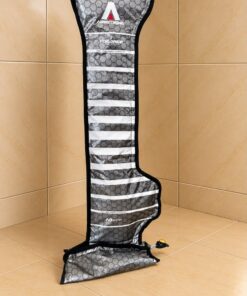
Used Armstrong Performance Mast 795
€900.00
Used Armstrong Performance Mast 795
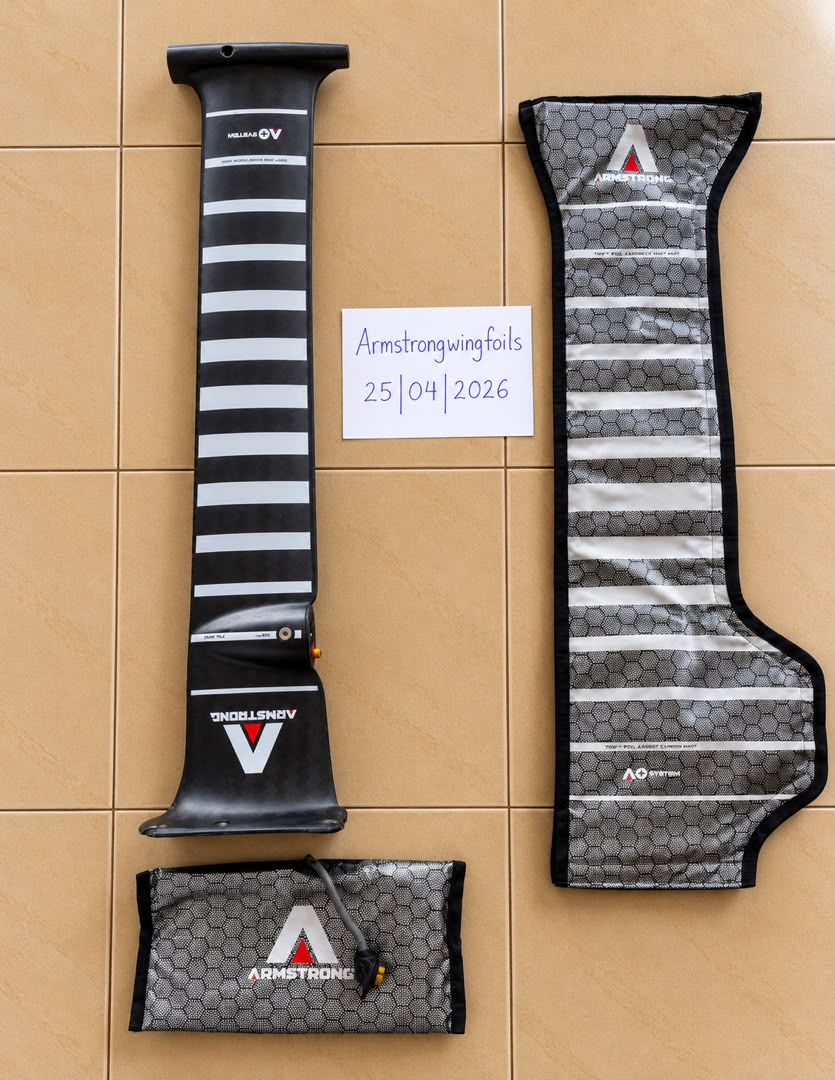
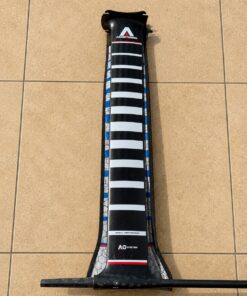
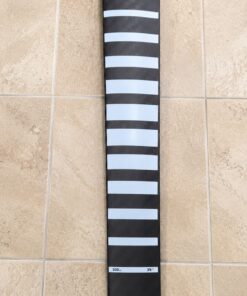
Used Armstrong Performance Mast 795 in excellent condition, carefully stored and regularly checked for any changes or damage.
This premium carbon mast offers a stiff, direct and responsive feel, making it suitable for wing, surf, SUP, wake and downwind foiling.
Key details:
- Length: 795 mm
- Approx. weight: 1750 g ±50 g
- Premium carbon construction
- Excellent reported condition
- Carefully stored and routinely inspected
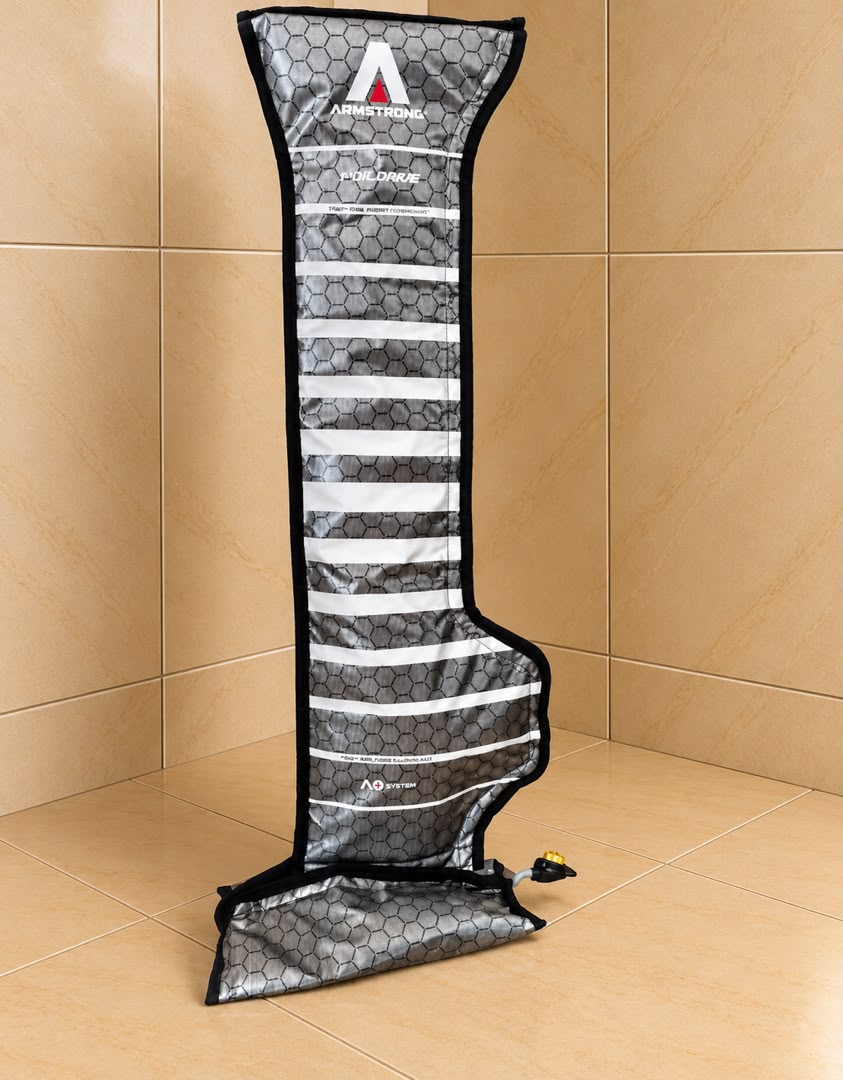
- Original protective cover included
- Mast-track bolts included
- Strong bending and torsional stiffness
- Precise, responsive foil control
- Suitable for a wide range of foil disciplines
Before use, buyers should inspect the leading edge, trailing edge, baseplate, lower connection and carbon laminate, and confirm compatibility with their existing Armstrong foil system.
Used Armstrong Performance Mast 795 – Premium Carbon Foil Mast for Precision, Stiffness, Control and Multi-Discipline Performance
The Used Armstrong Performance Mast 795 is a premium first-generation carbon hydrofoil mast developed for riders who want precise control, strong structural stiffness and an efficient connection between the board and foil system.
According to the supplied condition information, this particular mast remains in excellent condition. It has been stored carefully and has reportedly been checked regularly for any changes in condition.
The mast is also supplied with its original protective cover and mast-track bolts, giving the buyer useful hardware and protection for transport and storage.
Armstrong’s original Performance Mast documentation confirms a length of 795 mm and a listed weight of approximately 1750 g, plus or minus 50 g. The first-generation Performance range was engineered using premium composite materials, a refined baseplate and an efficient fuselage connection while maintaining the stiffness required for increasingly powerful foil systems.
At 795 mm, this mast provides a useful middle-ground height. It offers significantly more clearance than short surf-oriented masts while remaining lower and easier to control than longer 865 mm or 935 mm options.
For that reason, the 795 can suit a broad range of riders and disciplines.
Used Armstrong Performance Mast 795
The Used Armstrong Performance Mast 795 represents Armstrong’s original high-performance carbon mast concept.
It was developed to provide a more direct connection between rider input and the foil beneath the board.
Why the Performance Mast Matters
The mast transfers:
Rider weight
Turning input
Pitch movement
Pump energy
Front-wing lift
Rear-wing balancing forces
Because all of those forces pass through one structural component, mast stiffness has a major influence on ride quality.
795 mm Length
The mast measures 795 mm.
Why 795 mm Is Versatile
A medium-length mast gives the rider useful clearance without creating excessive leverage.
It Can Work Well For
Wing foiling
Surf foiling
SUP foiling
Wake foiling
Downwind riding
Pump-focused sessions
Armstrong’s original Performance Mast information specifically recommended the range for prone surf, SUP surf, wake, wing and downwind use.
Approximately 1750 g
The original Performance Mast 795 was listed at approximately 1750 g ±50 g.
Why Weight Matters
Reducing mast mass can improve:
Carrying comfort
Board handling
Pump response
Swing weight
Why Weight Is Not Everything
Structural stiffness remains equally important.
A very light mast that flexes excessively can produce less precise control.
Premium Carbon Construction
Armstrong developed the original Performance range using high-grade composites.
Why Carbon Works Well
Carbon fiber provides excellent stiffness relative to weight.
Why This Is Important
The mast must resist significant bending and twisting forces while remaining hydrodynamically efficient.
Designed Flex
Armstrong’s original Performance Mast development involved extensive prototype testing to determine fiber orientation for strength and controlled flex.
Why Controlled Flex Matters
Zero movement is not necessarily the only design objective.
A mast should remain rigid enough for precise control while still managing real-world hydrodynamic loads.
Refined Baseplate
The original Performance range introduced a refined mast-top structure.
Why the Baseplate Matters
The baseplate transfers the rider’s load between the board and mast.
Important Characteristics
Flat mounting
Secure hardware
Correct track fit
Clean interfaces
Titanium M7 Top Hardware
Armstrong’s original specification references proprietary titanium M7 mast-top hardware.
Why Titanium Is Useful
Titanium combines:
High strength
Low weight
Strong corrosion resistance
These properties are valuable around saltwater equipment.
Mast Track Bolts Included
This used mast is supplied with mast-track bolts.
Why This Adds Practical Value
The buyer receives essential mounting hardware with the mast.
Why Hardware Should Still Be Inspected
Check for:
Thread damage
Corrosion
Rounded tool interfaces
Bent bolts
Original Cover Included
The original protective cover is also supplied.
Why This Matters
Carbon mast edges can be damaged during transportation or storage.
A Cover Helps Protect
Leading edge
Trailing edge
Baseplate
Carbon surface
Excellent Condition
The seller describes the mast as being in excellent overall condition.
Why Condition Matters
A hydrofoil mast carries substantial structural loads.
Therefore, structural integrity matters more than purely cosmetic appearance.
Important Inspection Areas
Leading edge
Trailing edge
Baseplate
Carbon laminate
Lower fuselage connection
Mounting slots
Carefully Stored
The mast has reportedly been stored well.
Why Storage Matters
Correct storage protects composite equipment from:
Heat
Direct sunlight
Impact damage
Heavy compression
Chemical contamination
Regularly Checked
The seller reports that the mast has been checked routinely for any changes.
Why This Is Good Practice
Composite problems are easier to deal with when discovered early.
Useful Checks Include
New cracks
Soft spots
Edge damage
Loose hardware
Changes in flex
Why Carbon Mast Stiffness Matters
The mast forms the structural bridge between the rider and foil.
Bending Stiffness
Reduces unwanted mast deflection.
Torsional Stiffness
Reduces twisting.
Why Both Matter
A rider needs predictable feedback through turns and acceleration.
Why High-Aspect Front Wings Need Strong Masts
Wide front wings create more leverage.
Why
Force acts farther away from the center of the mast.
Why This Matters
Greater leverage can expose mast flex more clearly.
Why Stiffness Improves Carving
During a turn, the rider rolls the board.
Why a Stiff Mast Helps
The front wing responds more directly to the rider’s input.
Why Stiffness Improves Pumping
Pumping sends force through the complete structure.
Why Flex Can Waste Energy
Some rider movement can be absorbed by a flexible mast.
Why Rigidity Helps
More of the rider’s movement reaches the foil.
Why the 795 Can Feel Agile
A shorter mast generally creates less leverage than a longer mast.
Why This Matters
The foil can feel more responsive during turns.
Why the 795 Can Still Provide Good Clearance
795 mm gives meaningful vertical working range.
Why This Helps
The rider has space between:
Board touchdown
Normal ride height
Front-wing breach
Why It Works for Wing Foiling
Wing riders need a mast capable of handling:
Acceleration
Tacks
Gybes
Pumping
Carving
Variable wind
Why 795 mm Makes Sense
It offers enough clearance for active riding without becoming excessively tall.
Why It Works for Surf Foiling
Surf foilers often value a direct connection and responsive roll.
Why
Wave riding involves frequent direction changes.
Why the 795 Can Help
Its moderate height can create a compact and connected ride feel.
Why It Works for SUP Foiling
SUP setups can use relatively large front wings.
Why Mast Stiffness Matters
Larger foils produce greater leverage.
Why It Works for Wake Foiling
Wake riding often happens at controlled, moderate speeds.
Why the 795 Helps
It provides sufficient clearance while keeping the board reasonably close to the foil.
Why It Works for Downwind Riding
The original Performance Mast range was also recommended for downwind use.
Why This Matters
Downwind riding requires:
Efficient pumping
Glide
Control through swell
Predictable foil response
Why Shorter Masts Can Be Efficient
Shorter masts often create less wetted surface than longer options.
Why This Matters
Less material moving through water can reduce drag.
Why Mast Length Changes Leverage
A longer mast creates a longer lever between rider and foil.
Why This Matters
The rider may feel more movement or flex from the same structure.
Why 795 mm Is a Balanced Choice
It sits between short surf masts and longer high-speed open-water options.
Advantages
Good clearance
Moderate leverage
Agile feel
Multi-discipline versatility
HA Front Foil
A HA Front Foil can benefit from a stiff mast because broad high-aspect wings create meaningful leverage.
Why This Pairing Makes Sense
The mast helps preserve precise roll and pitch response.
armstrong foils
armstrong foils use modular front wings, stabilizers, masts and fuselages.
A performance mast provides the structural connection through the center of that modular system.
armstrong integrated foil masts price
Searches for armstrong integrated foil masts price often relate to newer foil-mast technology.
A used first-generation Performance Mast can provide premium carbon performance at a lower entry cost than current flagship systems.
armstrong foil board
An armstrong foil board connects directly to the mast through its foil tracks.
Why Board Track Condition Matters
The connection should remain secure and correctly aligned.
surf foil board
A surf foil board can pair well with a 795 mm mast where responsive turns and moderate clearance are priorities.
armstrong downwind board
An armstrong downwind board may benefit from the mast’s stiffness during pumping and open-water riding.
armstrong midlength
armstrong midlength boards combine extra waterline efficiency with reduced length compared with full downwind shapes.
Why the Mast Matters
Once on foil, mast stiffness helps preserve direct control.
armstrong downwind foil
An armstrong downwind foil can place significant load through the mast because efficient front wings tend to have wide spans.
armstrong mid length board
An armstrong mid length board can work well with a moderate-length carbon mast for light-wind winging and open-water riding.
armstrong downwind boards
armstrong downwind boards emphasize efficient acceleration.
A performance mast then helps transfer foil input precisely after takeoff.
wing foil front wing
A wing foil front wing generates most of the foil system’s lift.
Why the Mast Is Critical
That lift is transferred directly through the mast into the board.
HA Front Foil for sale
A HA Front Foil for sale may appeal to riders creating a high-efficiency setup.
A stiff carbon mast can complement the leverage and glide produced by high-aspect front wings.
kite armstrong
The phrase kite armstrong may relate to Armstrong foil systems powered by a kite.
A 795 mm mast can provide useful clearance while retaining responsive handling.
armstrong foil boards
armstrong foil boards span different disciplines and dimensions.
The mast should be matched to water depth, rider experience and board design.
surf foil
A surf foil setup often benefits from a responsive mast.
Why
The rider changes direction frequently and wants clean feedback.
armstrong foiling
armstrong foiling relies on multiple interconnected components working together.
The mast is one of the most important structural elements in that system.
foiling board
A foiling board sits above the mast and transfers rider movement into the underwater foil.
armstrong foils for sale
armstrong foils for sale may include older and current-generation components.
Compatibility should always be confirmed before combining generations.
foiling boards
foiling boards can range from short surf boards to long downwind designs.
The same mast can therefore feel different depending on the board.
surf foilboard
A surf foilboard paired with a 795 mm mast can produce a relatively compact, responsive setup.
armstrong performance mast
The armstrong performance mast line was developed specifically to improve stiffness, control and hydrodynamic efficiency.
This 795 represents the original generation of that performance-focused platform.
armstrong wing
An armstrong wing powers the rider above the water during wing foiling.
The mast transfers rider and foil loads beneath the board.
surf foil boards
surf foil boards are often chosen for compact handling and fast response.
A performance carbon mast helps maintain that direct feel.
armstrong wings
armstrong wings create propulsion while the mast and foil operate below the surface.
Why the Complete System Matters
Efficient riding depends on both above-water and underwater components.
armstrong fuselage
An armstrong fuselage connects the mast to the front wing and rear stabilizer.
Why This Connection Matters
The interface must remain tight and correctly aligned.
armstrong v1 downwind board
An armstrong v1 downwind board can form part of an earlier-generation setup where compatibility between foil components is confirmed.
armstrong integrated foil masts price 2025
The phrase armstrong integrated foil masts price 2025 usually relates to newer integrated-mast technologies rather than this first-generation Performance Mast.
Used previous-generation equipment can offer strong value when compatibility and condition are good.
foil for sup
A foil for sup may use relatively large wings and therefore benefit from a stiff carbon mast.
armstrong wing foil
An armstrong wing foil setup combines board, mast, fuselage, front wing, stabilizer and handheld wing.
The Performance Mast 795 sits at the structural center of that system.
armstrong downwind foil board
An armstrong downwind foil board can pair with a performance mast where efficient pumping and open-water control are required.
hydrofoil front wing
A hydrofoil front wing generates the majority of lift.
Why Mast Strength Matters
That lift creates bending and torsional forces through the mast.
front foil
The front foil should be matched to a mast capable of supporting its span, speed range and intended rider weight.
hydrofoil lift stability
hydrofoil lift stability depends on the combined behavior of front wing, stabilizer, mast, fuselage and rider.
A stiff mast helps ensure the rider feels those forces consistently.
Why the Original Performance Mast Was Important
Armstrong developed the first Performance Mast as a top-level carbon mast intended for riders demanding more from their foil systems.
Why It Was Needed
Front wings were becoming:
Wider
Faster
More efficient
More demanding structurally
The Mast Needed Better
Stiffness
Hydrodynamics
Weight control
Connection strength
Why Premium Composite Layup Matters
Carbon fibers can be oriented in different directions.
Why This Matters
Different orientations resist different forces.
Some Fibers Resist
Bending
Others resist
Twisting
Why Good Layup Is Important
A carefully designed mast can be stiff without becoming unnecessarily heavy.
Why the Baseplate Design Matters
The mast top experiences significant leverage.
Why a Refined Baseplate Helps
It distributes loads into the board more efficiently.
Why Titanium Hardware Matters
Saltwater equipment benefits from corrosion-resistant hardware.
Why Titanium Is Attractive
It is strong while remaining relatively light.
Why the Mast Track Bolts Add Value
The included track bolts make installation easier for a buyer with a compatible board.
Why Buyers Should Inspect Them
Even good hardware can show wear over time.
Why the Original Cover Adds Value
Original protective accessories can improve long-term condition.
Why This Supports the Seller’s Condition Claim
Careful storage with a protective cover can reduce unnecessary cosmetic and impact damage.
Why Careful Storage Matters
Composite foil equipment can be damaged outside the water.
Common Storage Risks
Heavy items
Sharp edges
Metal hardware
Excess heat
Direct sun
Why Routine Inspection Matters
The seller reports regularly checking the mast.
Why This Is Valuable
Repeated visual inspection can reveal:
New edge marks
Hairline cracks
Mounting wear
Surface changes
Why a Used Carbon Mast Should Still Be Inspected
Seller care is encouraging but does not replace buyer inspection.
Check Before Use
Leading edge
Trailing edge
Baseplate
Mounting holes
Lower connection
Carbon surface
Why Deep Scratches Matter
Deep scratches may expose structural carbon.
Why Surface Scratches Are Different
Very light cosmetic marks usually affect appearance more than strength.
Why Delamination Matters
Carbon laminate depends on bonded layers.
Warning Signs
Soft areas
Visible separation
Unusual flex
Cracking sounds
Why Leading-Edge Condition Matters
The leading edge controls initial water flow around the mast.
Damage Can Increase
Drag
Noise
Ventilation risk
Why Trailing-Edge Condition Matters
The trailing edge controls water release.
Why Clean Release Matters
Smooth separation reduces turbulence.
Why the Baseplate Should Sit Flat
The board-mast interface should have full contact.
Why
Uneven seating can create localized pressure.
Why Sand Should Be Removed
Sand trapped under the baseplate can scratch both board and mast.
Why Mast-Track Hardware Should Be Clean
Clean threads allow more consistent clamping.
Why Saltwater Care Matters
Salt residue should be rinsed away after use.
Why
Salt can collect around metal hardware and interfaces.
Why the Mast Should Be Dried Before Covering
A cover can trap moisture.
Better Practice
Rinse
Dry
Inspect
Then cover
Why Heat Should Be Avoided
Composite equipment should not be left for extended periods inside extremely hot vehicles.
Why UV Exposure Should Be Limited
Prolonged sunlight is unnecessary when the mast is not being used.
Why the Cover Should Be Used During Transport
The mast can otherwise strike:
Boards
Foil wings
Tools
Car interiors
Concrete surfaces
Why Travel Protection Matters
The mast has long exposed edges.
Why Point Impacts Matter
Carbon can tolerate large distributed riding loads but localized impacts can still damage laminate.
Why the Mast Should Be Checked After an Impact
A hard knock may create damage that was not present previously.
Check For
New cracking
New flex
Soft spots
Visible fiber damage
Why Performance Depends on the Complete Setup
The mast cannot determine the ride alone.
The Final Feel Also Depends On
Board
Front wing
Rear stabilizer
Fuselage
Mast position
Rider weight
Why Mast Position Matters
The mast can usually move within the board tracks.
Moving Forward
Normally increases front-foot pressure.
Moving Backward
Usually reduces it.
Why Small Changes Matter
A few millimeters can noticeably change balance.
Why Setup Should Be Recorded
Marking a successful position makes it easier to reproduce.
Useful Information to Record
Board
Front wing
Rear stabilizer
Mast position
Conditions
Why This Helps Tuning
The rider can compare changes systematically.
Why the 795 Can Feel More Maneuverable Than a Longer Mast
Less mast length reduces leverage and total underwater surface.
Why This Can Improve
Roll response
Pump feel
Low-speed control
Why Longer Masts Still Have Advantages
Longer masts provide more vertical clearance.
Why
The rider can fly higher before the foil approaches the surface.
Why the 795 Is a Balanced Compromise
It provides enough room for most normal riding while keeping the setup relatively compact.
Why Beginner Riders May Appreciate It
Compared with very long masts, the 795 keeps the rider somewhat closer to the foil.
Why This Matters
Pitch movements may feel more manageable.
Why Experienced Riders Also Appreciate It
Advanced riders may intentionally use a 795 for reduced drag and responsive carving.
Why Water Depth Matters
The foil extends below the mast.
Why Shallow Water Needs Caution
A front wing can strike:
Sand
Reef
Rock
Why Bottom Strikes Are Serious
Impact forces can travel through the entire foil structure.
Why Open Water Suits This Mast Well
The rider can fully use the available mast height without worrying as much about bottom clearance.
Why This Mast Can Serve as a One-Mast Solution
Its moderate length makes it adaptable.
Potential Disciplines
Wing
Surf
SUP
Wake
Downwind
Why You Should Consider the Performance Mast 795
It offers a combination of:
Carbon stiffness
Moderate mast height
Versatility
Included original cover
Included mast-track bolts
Excellent reported condition
How Good Is It?
The Performance Mast 795 was originally positioned as a top-tier carbon option rather than an entry-level mast.
Its engineering focused on premium composites, strength, controlled flex and efficient hydrodynamics.
Why Later Generations Do Not Make the MK1 Obsolete
Armstrong’s current Performance Mk II is stated to offer approximately 30% more bending stiffness and 20% more torsional stiffness than the Mk I.
Why This Context Matters
It shows how the newer mast evolved from an already performance-oriented first-generation design.
Why a Used MK1 Still Makes Sense
Not every rider needs the newest stiffness benchmark.
Why the 795 Is Different From Current Performance-X
Armstrong’s current Performance-X 795 has a substantially thinner profile and weighs around 1915 g, while its riding philosophy focuses heavily on reduced drag and a freer feel.
Why Buyers Should Not Mix Specifications
The product in this listing is the earlier Performance Mast and should be evaluated using its own generation-specific specifications.
Why Compatibility Should Be Confirmed
Foil systems evolve.
Confirm
Fuselage generation
Board track hardware
Mounting fasteners
Front-wing compatibility
Why Existing Armstrong Owners May Find This Particularly Attractive
A rider who already owns compatible components can potentially add this mast without rebuilding the entire foil setup.
Why New Buyers Need to Consider the Whole System
A mast is only one component.
A Complete Foil Requires
Board
Mast
Fuselage
Front wing
Rear stabilizer
Hardware
Why Structural Condition Matters More Than Cosmetics
A clean appearance is helpful, but true value lies in structural integrity.
Important Signs of Good Condition
No cracks
No soft spots
No damaged edges
No baseplate damage
No abnormal flex
Why Excellent Storage History Adds Confidence
A carefully stored mast has been less exposed to unnecessary impacts and environmental stress.
Why Included Original Accessories Help Resale
Original covers and hardware make the listing more complete.
Why Long-Term Ownership Is Simple
Carbon masts have few wear components.
Routine Care Mainly Involves
Rinsing
Inspection
Drying
Hardware maintenance
Impact prevention
Why Preventive Care Is Better Than Repair
Carbon structural repair can be more complex than normal cleaning.
Final Section 1 Assessment
The Used Armstrong Performance Mast 795 is a premium first-generation carbon foil mast designed for riders who value stiffness, precision, versatile mast height and direct connection to the foil.
Armstrong’s original product documentation lists the mast at 795 mm long and approximately 1750 g ±50 g, and recommends the Performance range for prone surf, SUP surf, wake, wing and downwind riding.
Those characteristics make the 795 particularly versatile.
It is tall enough to provide useful clearance through chop, swell and carving while remaining shorter and more compact than the longer Performance mast options.
Structurally, the mast was engineered as a premium component.
Armstrong used advanced composite construction, carefully developed fiber orientations, a refined mast top and titanium M7 hardware to achieve a strong combination of stiffness, control and manageable weight.
That stiffness becomes especially useful with larger or high-aspect front wings.
Wide foils create substantial leverage, and a rigid mast helps preserve accurate roll, pitch and pumping response.
This particular used example is reported to be in excellent condition.
It has also reportedly been stored carefully and inspected regularly for any changes, which is exactly the type of maintenance history buyers should look for in a used carbon mast.
The listing includes the original protective cover and mast-track bolts, adding practical value and making the mast easier to transport and mount with compatible equipment.
Even so, buyers should inspect the leading edge, trailing edge, baseplate, lower connection and entire carbon surface before use.
The mast should also be paired only with compatible foil-system components.
One important distinction is that this is the original Performance Mast, not the current Performance Mk II or Performance-X.
Armstrong’s newer Performance Mk II is specifically described as a stiffer evolution of the original Mk I, with approximately 30% higher bending stiffness and 20% greater torsional stiffness.
That does not make the original Performance Mast obsolete.
Instead, it places it as the premium previous-generation platform from which Armstrong’s current mast technology evolved.
For many riders, especially those already using compatible Armstrong equipment, this used 795 can therefore represent excellent value.
It combines a versatile mast length, premium carbon construction, strong structural feedback, multi-discipline potential and a carefully maintained reported condition.
For wing, surf, SUP, wake or downwind riders seeking a precise and dependable carbon mast without moving directly to the latest generation, the Used Armstrong Performance Mast 795 remains a compelling performance component.
Ride Feel, Stiffness, Setup, Compatibility, Inspection, Maintenance and Long-Term Ownership
Overall Riding Character
The Armstrong Performance Mast 795 is designed to give a foil setup a direct, controlled and responsive feel.
The mast forms the structural bridge between the board and the underwater foil assembly, so its stiffness, length, profile and mounting integrity all influence the way the system behaves.
A high-quality mast should transfer rider input accurately without introducing unnecessary flex or delay.
That becomes especially important as front wings become wider, faster and more efficient.
According to the supplied condition information, this example is in excellent overall condition. It has been stored carefully, checked regularly and comes with the original protective cover and mast-track bolts.
Those details make it particularly attractive for a buyer who wants a well-maintained performance carbon mast rather than a heavily used component with uncertain history.
Why 795 mm Is a Useful Mast Length
The 795 mm height provides a practical balance between control and clearance.
It sits between shorter surf-oriented masts and longer open-water options.
Why That Matters
A shorter mast keeps the rider closer to the foil.
A longer mast gives more vertical range.
The 795 provides enough room for active riding without creating the additional leverage associated with a much longer mast.
Where the Extra Clearance Helps
The additional height can be useful when riding through:
Chop
Rolling swell
Banked turns
Wing transitions
Open-water conditions
Why It Still Feels Manageable
Because the mast is not excessively long, the setup can retain a relatively connected and agile feel.
That makes it useful across multiple disciplines.
Structural Stiffness
Stiffness is one of the most important characteristics of a performance mast.
Why Bending Stiffness Matters
The mast can bend under rider and foil loads.
If it bends too much, the foil may feel delayed or vague.
A stiffer mast helps preserve the intended relationship between board and foil.
Why Torsional Stiffness Matters
Twisting is equally important.
During a turn, the rider rolls the board and expects the front wing to respond.
If the mast twists excessively, some of that input is absorbed.
Why This Can Affect Precision
A highly efficient front wing may respond to very small changes in angle.
Direct input therefore becomes more important as performance increases.
Why a Stiff Mast Can Feel More Predictable
Less unwanted movement means the rider receives cleaner feedback.
That can improve confidence.
Ride Feel With High-Aspect Wings
Wide front wings create more leverage.
Why
The force acts farther from the mast centerline.
Why This Matters
The wider the front wing, the easier it is to notice mast flex.
Why a Performance Mast Helps
A stiffer structure resists both bending and twisting.
This can make the setup feel more connected through:
Carving
Pumping
Acceleration
Direction changes
Pumping Performance
Pumping depends on efficient energy transfer.
Why the Mast Matters
The rider creates movement through the board.
That movement travels down the mast to the foil.
Why Excess Flex Can Waste Energy
If the mast bends too much, part of the rider’s input is temporarily absorbed by the structure.
Why Stiffness Helps
More of the rider’s movement reaches the foil directly.
Why Smooth Pumping Still Matters
A stiff mast does not replace technique.
The rider should use coordinated, controlled movement rather than aggressive bouncing.
Why the 795 Can Feel Efficient While Pumping
The moderate mast length reduces some of the leverage associated with taller masts.
That can create a compact and responsive feel.
Wing-Foiling Use
The mast can work very well for wing foiling.
Why
Wing foiling involves:
Acceleration
Carving
Tacks
Gybes
Pumping
Variable speed
Why a Performance Mast Helps
The rider receives more direct feedback through the board.
Why 795 mm Works in Wing Conditions
It provides useful board clearance without placing the rider excessively high above the foil.
Light-Wind Sessions
In light wind, efficient pumping becomes more important.
Why Mast Stiffness Helps
More input can be transferred to the foil.
Why Board Efficiency Still Matters
The mast is only one part of the system.
Board shape, volume and front-wing size also influence takeoff.
Strong-Wind Sessions
Higher speeds create larger hydrodynamic loads.
Why This Matters
Mast stiffness becomes more noticeable as speed increases.
Why Direct Control Helps
Small rider movements can produce more predictable corrections.
Surf Use
The 795 mm length can work well in surf-oriented setups.
Why
It provides enough room for banked turns while retaining a relatively compact feel.
Why Some Riders Prefer a Shorter Mast
Very shallow surf locations may favor less mast length.
Why the 795 Can Be a Strong Compromise
It gives more clearance than a short mast without becoming cumbersome.
SUP Use
Larger boards and larger front wings can place substantial load through the mast.
Why a Stiff Mast Helps
SUP setups often involve greater leverage.
Why the Moderate Mast Length Helps
The rider stays reasonably connected to the foil while gaining useful clearance.
Downwind Use
The mast can also work well for open-water and downwind riding.
Why Clearance Matters
The board rises and falls relative to the water surface.
Why a Mid-Length Mast Helps
It gives enough vertical room for moving swell.
Why Stiffness Helps Downwind
The foil can remain predictable through rapid changes in speed.
Open-Water Conditions
Chop and swell can create constant changes in board height.
Why the Mast Matters
More clearance reduces the chance of unwanted touchdowns.
Why Too Much Height Can Also Be a Tradeoff
Longer masts create more leverage and more surface moving through the water.
The 795 can therefore be a useful middle ground.
Mast Drag
Every mast creates hydrodynamic resistance.
Why Profile Shape Matters
The mast is continuously moving through water.
Why Lower Drag Matters
Less resistance can improve:
Glide
Speed retention
Pump efficiency
Why Surface Condition Matters
A smoother mast maintains cleaner water flow.
Why Minor Cosmetic Marks Usually Matter Less
Small surface marks may have little practical effect.
Deep damage is more important.
Leading-Edge Condition
The leading edge should remain smooth and structurally sound.
Why
It meets the water first.
Check For
Chips
Deep scratches
Impact damage
Visible fibers
Why Damage Here Matters
Significant defects can disturb water flow.
Trailing-Edge Condition
The trailing edge should remain straight.
Why
It controls water release.
Why Uneven Damage Can Be Noticeable
A rough or deformed trailing edge can create additional turbulence.
Carbon Surface
The mast should be inspected along its entire length.
Look For
Cracks
Soft spots
Layer separation
Unusual flex
Why These Signs Matter
Composite strength depends on bonded carbon layers working together.
Baseplate Condition
The mast baseplate connects directly to the board.
Why This Area Matters
Large loads are transferred through this connection.
Inspect
Mounting slots
Edges
Flatness
Carbon around the plate
Why Flatness Matters
The baseplate should sit squarely on the board.
Why Debris Is a Problem
Sand trapped beneath the plate can reduce contact and scratch surfaces.
Mast-Track Bolts
The supplied mast-track bolts add convenience.
Why
They reduce the number of separate parts the buyer must source.
Why Used Hardware Should Still Be Inspected
Check for:
Thread wear
Corrosion
Rounded tool interfaces
Bent shafts
Why Damaged Hardware Should Be Replaced
Fasteners are part of the structural connection.
Tightening Practice
Bolts should be tightened correctly.
Why Over-Tightening Is Wrong
Too much force can damage:
Threads
Board tracks
Hardware
Mounting surfaces
Why Under-Tightening Is Wrong
Loose hardware can allow movement.
Board Track Condition
The board’s foil tracks should also be clean and undamaged.
Why
A strong mast still depends on a secure board connection.
Original Protective Cover
The original cover is a useful part of the listing.
Why
It protects the mast from everyday transport damage.
Areas Most Worth Protecting
Leading edge
Trailing edge
Baseplate
Lower connection
Why Carbon Can Be Damaged Outside the Water
Localized impacts from hard objects can chip the surface.
Common Causes
Loose hardware
Car doors
Concrete floors
Other foil components
Storage racks
Why Good Storage History Matters
The seller states that the mast has been stored carefully.
Why This Is Valuable
Correct storage reduces exposure to:
Impact
Heat
Sunlight
Moisture
Heavy compression
Routine Inspection History
The mast has also reportedly been checked regularly.
Why This Is Good Practice
Small changes are easier to identify when inspections are frequent.
Useful Things to Monitor
New scratches
Edge damage
Cracking
Changes around mounting areas
Abnormal flex
Why Used Carbon Should Still Be Checked by the Buyer
Good seller history is encouraging, but direct inspection remains important.
Why Condition Matters More Than Cosmetic Age
Carbon does not become poor simply because it is not the newest generation.
What Matters More
Structural integrity
Impact history
Mounting condition
Surface condition
Why Later Generations Do Not Automatically Make This Mast Obsolete
Newer designs may offer greater stiffness or lower drag.
However, an earlier premium mast can still provide excellent practical performance.
Why the Original Performance Platform Remains Useful
It was already designed around advanced foil loads and direct rider feedback.
Compatibility
The mast should be paired only with compatible system components.
Why Generation Matters
Foil connection systems can evolve.
Confirm
Fuselage interface
Board mounting hardware
Fasteners
Front-wing compatibility
Why Compatibility Should Be Checked Before Purchase
Buying the mast first and discovering an interface mismatch later can add unnecessary cost.
Fuselage Connection
The lower mast connection should be inspected carefully.
Why
It transfers front-wing and stabilizer loads into the mast.
Check
Mating surfaces
Fastener holes
Edges
Carbon surrounding the interface
Why Play Is Undesirable
Any movement reduces precision.
Why a Clean Connection Matters
Sand or salt can prevent correct seating.
Front-Wing Pairing
Different front wings place different loads through the mast.
Larger Wings
Generate more leverage.
Smaller Wings
Often operate at higher speed.
Why Both Can Benefit From Stiffness
Large wings create more torque.
Small wings can create more dynamic load at speed.
Stabilizer Influence
The rear wing affects pitch balance.
Why This Matters
The mast transmits forces from both front and rear foils.
Complete-System Behavior
The final ride depends on all components working together.
Board Influence
Board length, volume and construction change the feel of the setup.
Compact Board
Can feel more responsive.
Mid-Length Board
Can improve takeoff efficiency.
Downwind Board
Can create more leverage above the mast.
Why Mast Stiffness Becomes Important
A longer board can amplify movement.
Mast Position
The mast can usually be moved within the board tracks.
Why Position Matters
It changes the relationship between rider stance and foil lift.
Moving Forward
Typically increases front-foot pressure.
Moving Backward
Typically reduces it.
Why Small Adjustments Matter
A few millimeters can make a noticeable difference.
Why a Baseline Setting Helps
The rider should establish one known position before experimenting.
Useful Setup Record
Note:
Board
Front wing
Rear wing
Mast position
Conditions
Why This Helps
Successful setups can be repeated.
First Session With the Mast
The first ride should ideally happen in familiar conditions.
Why
It becomes easier to understand how the mast changes the feel.
Avoid Changing Too Many Components
Keep the board and wings familiar if possible.
Why
Multiple simultaneous changes make evaluation difficult.
Initial Ride Feel
A stiffer mast may feel more immediate.
Why
Less flex separates rider movement from foil response.
Why Some Riders Need an Adjustment Period
More direct feedback can initially feel sensitive.
Why This Can Become an Advantage
Small inputs become more useful.
Turning
Carving can feel cleaner on a stiff mast.
Why
Roll input is transmitted more directly.
Why Smooth Input Matters
Abrupt movement can still create unnecessary drag.
High-Speed Control
Speed increases foil load.
Why
Hydrodynamic force rises rapidly with velocity.
Why a Performance Mast Helps
The structure remains more predictable.
Why Confidence Improves
The rider can commit to speed with more consistent feedback.
Ride Height
The 795 provides useful vertical range.
Why the Rider Should Not Fly at Maximum Height Constantly
Operating too close to the surface increases breach risk.
Why Moderate Height Is Better
It leaves correction room.
Ventilation
Air can travel down the mast from the surface.
Why This Matters
It can disturb foil lift.
How to Reduce Risk
Maintain sensible ride height.
Keep the surface clean.
Avoid unnecessary surface contact.
Shallow Water
The mast requires enough depth for the complete foil.
Why
The front wing and rear wing sit below the mast.
Why Bottom Strikes Are Serious
Impact can damage multiple components.
Check Water Depth Before Launch
Especially near:
Reef
Rocks
Sandbars
Carrying the Setup
A foil system can be awkward on land.
Why
The mast length, board and wings create a large structure.
Why Wind Is a Hazard
The board can catch wind and twist unexpectedly.
Protect the Mast During Carrying
Avoid hitting:
Walls
Vehicles
Concrete
Other equipment
Assembly Area
Use a clean, soft area if possible.
Why
Hard ground can scratch carbon.
Saltwater Care
Rinse the mast and hardware after saltwater use.
Why
Salt can accumulate around fasteners and interfaces.
Freshwater Rinse
Use normal clean water.
Why Strong Solvents Are Unnecessary
Aggressive cleaners may affect finishes.
Drying
Allow the mast to dry completely.
Why
Moisture can remain under covers.
Cover After Drying
This reduces trapped moisture.
Sand Removal
Remove sand from:
Baseplate
Hardware
Threads
Lower connection
Why
Sand is abrasive.
Long-Term Storage
Store the mast in a clean environment.
Avoid
Extreme heat
Direct sunlight
Sharp objects
Heavy pressure
Why Vehicle Storage Should Be Limited
A closed vehicle can become extremely hot.
Why Excess Heat Is Undesirable
Composite materials are best stored under moderate conditions.
Horizontal Storage
Support the mast evenly.
Why
Point loading should be avoided.
Vertical Storage
Make sure the mast cannot fall.
Why
A fall can damage an edge or baseplate.
Travel
Use the protective cover.
Why
The mast may contact:
Board hardware
Fuselages
Tools
Other carbon components
Air Travel
Additional padding may be useful.
Why
Baggage handling can involve high-impact movement.
Inspect After Travel
Look for new damage.
Why
Impacts may occur during transport.
After a Crash
Inspect the mast if the foil experiences a hard impact.
Why
Force can travel through the entire system.
Check For
New marks
Cracks
Abnormal flex
Damage at the lower connection
Why Unusual Sounds Matter
Clicking or cracking should not be ignored.
Why Sudden Change in Feel Matters
If the mast begins to feel softer or less precise, inspect it before continuing.
Professional Assessment
Questionable carbon damage may require specialist evaluation.
Why
Composite damage can be difficult to judge from the surface.
Why Aggressive DIY Sanding Is Poor Practice
It can change the mast profile.
Why Shape Matters
Hydrodynamic performance depends on consistent geometry.
Minor Cosmetic Work
Small marks do not necessarily require refinishing.
Why
Unnecessary sanding can create more harm than the original mark.
Long-Term Maintenance
Routine care is straightforward.
Main Tasks
Rinse
Dry
Inspect
Protect
Maintain hardware
Why There Are Few Wear Parts
The mast contains no moving mechanical system.
Why Impact Prevention Is the Main Priority
Structural carbon repair is more complex than routine cleaning.
Used-Buyer Value
A carefully stored performance mast can offer strong value.
Why
The underlying structural and hydrodynamic qualities remain useful.
What Adds Value in This Listing
Excellent reported condition
Original cover
Mast-track bolts
Careful storage
Regular inspection
Why Original Accessories Matter
They make the setup more complete.
Why Buyers Still Need to Confirm the Rest of the System
A mast alone does not create a full foil.
Required Compatible Components
Board
Fuselage
Front wing
Rear wing
Correct hardware
Who May Appreciate This Mast Most
It can suit riders who want:
Responsive control
Moderate mast height
Carbon stiffness
Multi-discipline use
A previous-generation performance option
Who May Prefer a Shorter Mast
A shorter option may make more sense for:
Shallow water
First foil sessions
Dock starts
Very small surf
Who May Prefer a Longer Mast
A longer mast may suit:
Deep-water riding
Heavy chop
Large swell
Maximum carving clearance
Why the 795 Remains Balanced
It avoids the extremes of both categories.
Why This Can Make It a One-Mast Solution
The same mast can potentially support multiple riding disciplines.
Progression Value
The mast can remain useful as rider ability improves.
Why
Its stiffness and height provide enough performance headroom for advanced setups.
Why This Is Important
A component that remains useful over time can offer better value.
Long-Term Resale
A well-maintained performance mast can retain appeal.
Factors That Matter
Condition
Generation
Compatibility
Hardware
Cover
Impact history
Why Excellent Storage Helps Resale
Care history reduces uncertainty.
Why Honest Condition Descriptions Matter
Clear documentation improves buyer confidence.
Practical Strengths
This mast offers:
795 mm versatile height
Performance carbon construction
Direct response
Good stiffness
Multi-discipline suitability
Original protective cover
Included mast-track hardware
Excellent reported condition
Practical Considerations
Buyers should still verify:
Fuselage compatibility
Carbon condition
Baseplate condition
Hardware condition
Board-track fit
Why Structural Inspection Comes First
Appearance is secondary.
Most Important Areas
Leading edge
Trailing edge
Baseplate
Lower connection
Mounting slots
Carbon laminate
Why Correct Setup Matters
Even an excellent mast can perform poorly if assembled incorrectly.
Final Section 2 Assessment
The Used Armstrong Performance Mast 795 offers a strong combination of stiffness, control and versatile mast height for riders who want a performance-focused carbon component without necessarily moving to the newest mast generation.
Its 795 mm length is one of its greatest practical strengths.
It provides useful clearance for chop, turns and open-water riding while avoiding some of the additional leverage and bulk of much longer mast options.
That balance makes it relevant to wing, surf, SUP, wake and downwind use.
The riding benefit comes primarily from the mast’s structural role.
A stiff mast helps preserve direct communication between the rider and foil.
That can improve roll response, pumping efficiency, pitch control and confidence at speed.
The advantage becomes increasingly noticeable as front wings become wider and more powerful.
Condition is another important part of this listing.
The mast is described as being in excellent condition, having been stored carefully and checked regularly for changes.
The original protective cover and mast-track bolts are also included, adding practical value.
Even with that positive history, buyers should inspect the entire mast before use.
Particular attention should be paid to the leading edge, trailing edge, baseplate, lower connection and carbon laminate.
The correct fuselage and board interface should also be confirmed.
Maintenance is straightforward.
Rinse saltwater away.
Keep sand out of mounting areas.
Dry the mast before covering it.
Inspect hardware.
Protect the carbon from hard impacts and excessive heat.
With those simple habits, a performance carbon mast can remain useful for a long period.
For riders already using compatible components, this 795 can be a particularly practical upgrade or replacement.
For riders building a new setup, it can serve as a versatile central component provided the remaining parts are selected correctly.
With its moderate mast height, direct response, reported excellent condition and useful included accessories, the Armstrong Performance Mast 795 remains a capable and valuable option for riders who prioritize precision, stiffness and multi-discipline foil performance.
Be the first to review “Used Armstrong Performance Mast 795”
Related products
Used Product
Used Product
Used Product
Used Product
Used Product
Used Product
Used Product


Used Product
Reviews
There are no reviews yet.