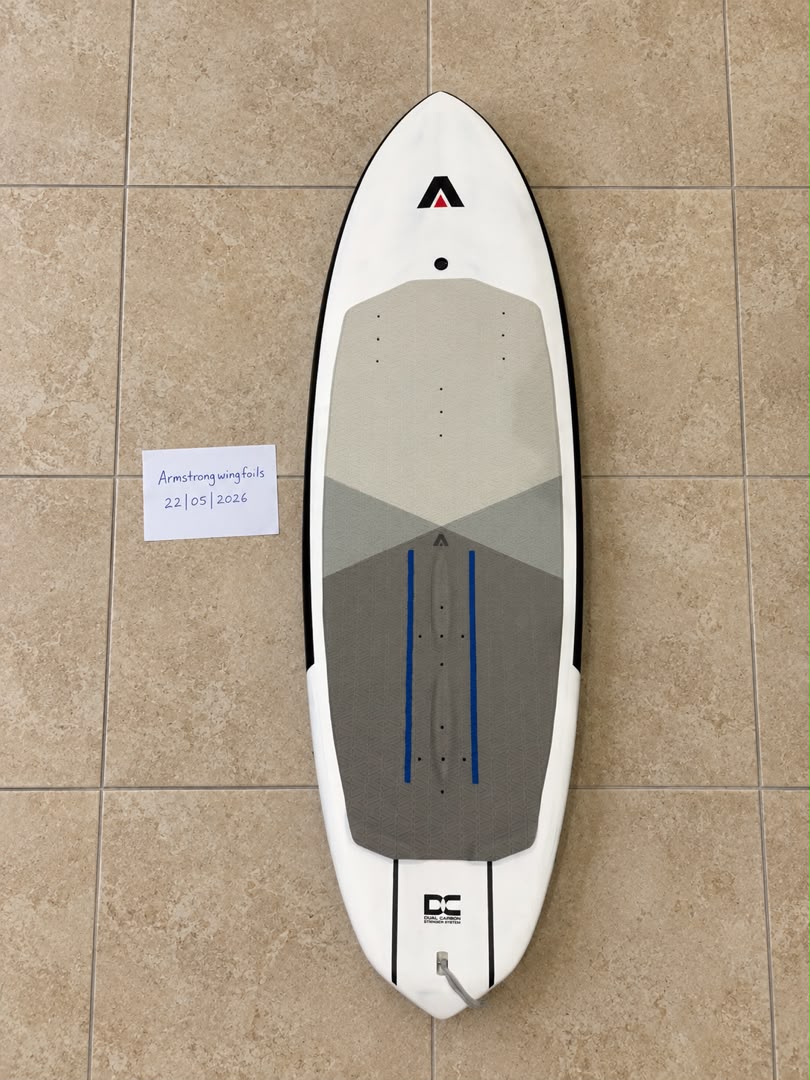




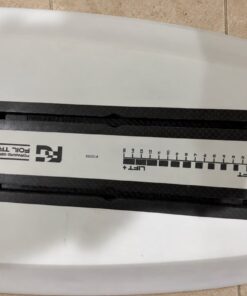
Used Armstrong ML38
€865.00
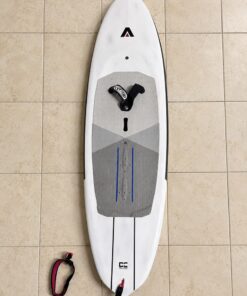
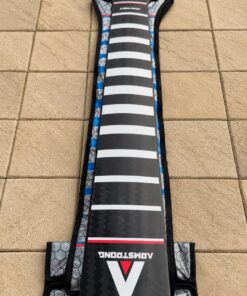
The Used Armstrong ML38 is a compact 38L performance foilboard designed for experienced riders who want efficient takeoffs, low swing weight, and highly responsive handling. Its midlength outline helps build speed smoothly on the water, while the narrow shape keeps the board agile and lively once airborne.
Built with a reinforced structure and strong foil track area, the ML38 delivers direct feedback for carving, pumping, and technical riding. It works especially well for surf, powered sessions, and riders progressing toward smaller high-performance boards.
As a used board, it offers excellent value when the deck, rails, tracks, nose, tail, and underside remain structurally sound. Overall, the ML38 is a strong choice for advanced riders seeking a lightweight, efficient, and maneuverable platform with a precise performance feel.
Used Armstrong ML38 Midlength FG Foilboard – Compact 38L Performance Board for Surf, Wing, Foil Assist, and Advanced Foiling
Used Armstrong ML38 Overview
The Used Armstrong ML38 is the 38-liter version of Armstrong’s Midlength FG Foilboard, designed for experienced riders who want compact volume, efficient glide, responsive handling, and a direct connection to the foil beneath them. Armstrong lists the ML38 at 4’9″ long, 17″ wide, 3½” thick, and 38 liters, with a published weight range of approximately 3.2–3.8 kg.
Its narrow outline and longer waterline give the board a distinctive balance between compact performance and midlength efficiency. Therefore, riders who find a traditional short armstrong foil board too demanding but do not want the extra length of an armstrong downwind board can find the ML38 especially appealing.
Why Choose the Used Armstrong ML38?
The main reason to choose the ML38 is efficiency without excessive size.
Its 4’9″ length helps create smoother forward acceleration than many ultra-short boards. At the same time, the 17″ width keeps the platform narrow enough to feel responsive once airborne.
This makes the board attractive for riders involved in armstrong foiling, especially those who want a compact platform for surf, foil assist, prone riding, and powered sessions.
Armstrong Midlength Design
The ML38 sits at the smallest end of the armstrong midlength range.
Compared with a larger armstrong mid length board, the 38L model places greater emphasis on low swing weight and responsive airborne handling.
However, it still benefits from the efficient outline that defines the Midlength concept.
For riders considering different armstrong foil boards, this creates a useful option between highly compact prone shapes and considerably longer armstrong downwind boards.
Forward Geometry Foil Track
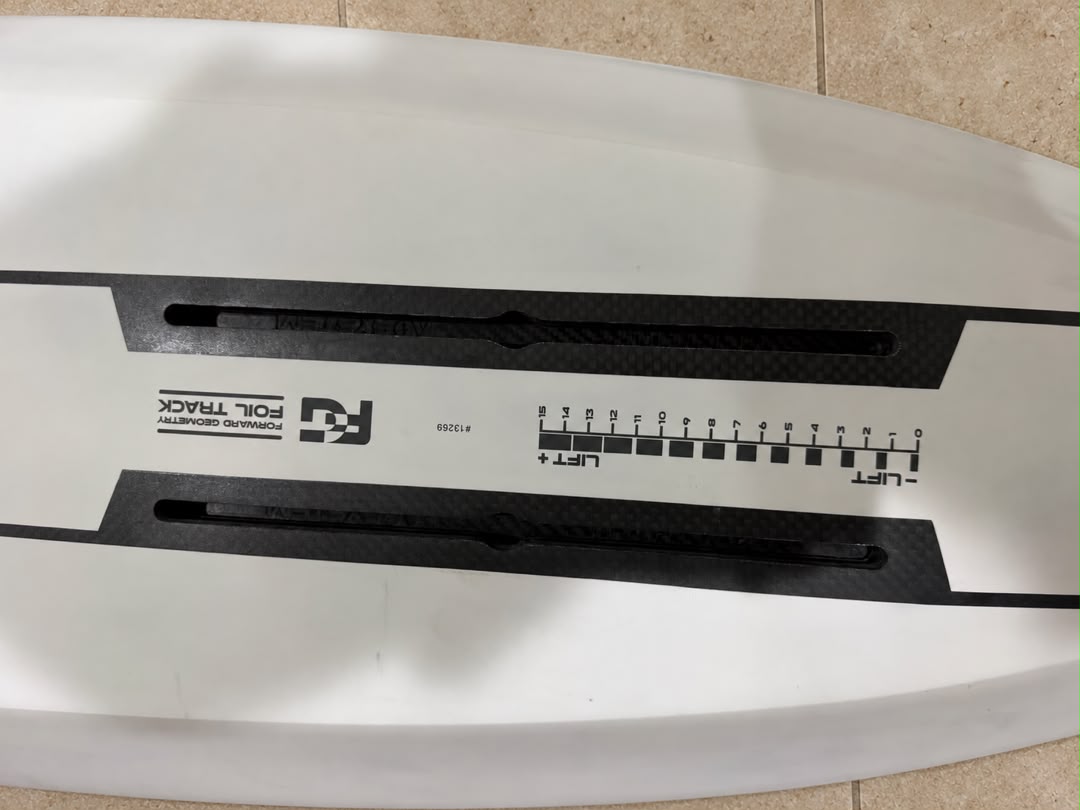
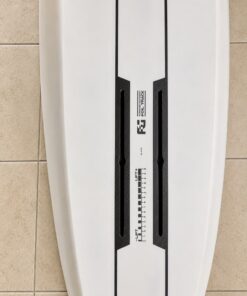
One of the board’s most important engineering features is Armstrong’s Forward Geometry foil track.
The system places the mounting area farther forward relative to the overall board length, which helps reduce the sensation of excess nose length once the board is flying.
Armstrong states that this track layout is designed to work with foils from different brands.
That makes the ML38 useful whether the rider prefers an Armstrong system or another compatible setup.
Dual Carbon Stringer Construction
The board incorporates a dual carbon stringer system designed to increase rigidity.
Armstrong also uses carbon foil tracks to strengthen the mounting area.
This stiffness matters because rider input should transfer directly through the board into the mast.
When paired with an armstrong performance mast and compatible armstrong fuselage, the setup can provide a particularly connected and precise riding feel.
Surf Foiling Performance
The ML38 can work exceptionally well as a compact surf foil board for experienced riders.
Its narrow shape helps reduce bulk while carving.
Meanwhile, the longer outline compared with ultra-short boards can improve paddle acceleration.
Riders researching surf foil, surf foilboard, or other surf foil boards may appreciate this combination of compact volume and forward efficiency.
Wing Foiling Use
Although the 38L volume is performance-oriented, the board can also be paired with an armstrong wing, armstrong wings, or compatible armstrong wing foil setup.
The smaller volume suits riders who already have strong balance and water-start technique.
When combined with the right wing foil front wing, the board can offer a lively and responsive feel once airborne.
Front Wing Selection
The board itself does not determine how early the system lifts.
That depends heavily on the chosen hydrofoil front wing or front foil.
A larger foil may improve early takeoff and hydrofoil lift stability, while a smaller foil may prioritize speed and tighter handling.
Riders comparing an HA Front Foil or searching for an HA Front Foil for sale should match wing size to rider weight, conditions, and skill rather than board volume alone.
Armstrong Foil System Compatibility
The ML38 integrates naturally into the broader armstrong foils ecosystem.
Armstrong’s current A+ system joins mast, fuselage, front foil, and stabilizer through a modular HEX connection designed to maximize stiffness and long-term compatibility.
Therefore, riders searching armstrong foils for sale can build the board into a complete modular setup rather than treating each component independently.
Mast Options and Pricing Context
Mast selection strongly influences stiffness, drag, and overall control.
A rider may combine the board with a carbon performance mast or another compatible option.
People researching armstrong integrated foil masts price or armstrong integrated foil masts price 2025 should remember that mast pricing is separate from the board and may vary significantly depending on generation and construction.
Armstrong’s current mast lineup includes multiple carbon and integrated designs.
Downwind-Inspired Efficiency
The ML38 is not an armstrong downwind foil board, but the Midlength concept borrows some of the efficiency principles found in longer shapes.
Riders familiar with an armstrong v1 downwind board or armstrong downwind foil setup may recognize the same goal of building speed efficiently before takeoff.
However, the ML38 places much more emphasis on compactness and maneuverability.
Foil Assist and SUP Context
The ML38 has also been used successfully for foil-assist riding, where its low volume and compact dimensions keep the board responsive.
A retailer review specifically mentions ML38 use for foil assist.
Someone researching foil for sup should understand that 38L is dramatically smaller than a conventional stand-up platform and requires appropriate experience and technique.
Kite Foiling Context
The term kite armstrong may also bring riders to smaller board setups.
The ML38 can potentially suit experienced riders looking for a compact platform, but the board’s suitability depends on start method, foil size, rider weight, and local conditions.
It should be selected as part of the whole system.
Used Condition and Buyer Value
A used ML38 can provide excellent value when the structure remains sound.
The deck should be inspected for soft areas, while the rails, nose, tail, underside, carbon tracks, and traction pad should be checked for damage.
Minor scratches are normal, but structural cracks or water ingress deserve closer attention.
Why the Used Armstrong ML38 Stands Out
The Used Armstrong ML38 combines a 38L volume, 4’9″ length, 17″ width, 3½” thickness, Forward Geometry track system, carbon foil tracks, and dual carbon stringers in a compact performance package.
For experienced riders comparing different foiling board and foiling boards options, it offers an appealing balance between paddle efficiency, reduced swing weight, rigid foil connection, and responsive carving.
When paired with the correct mast, stabilizer, foil, and board setup, the ML38 becomes a highly capable choice for riders seeking a compact, versatile platform with the efficiency of a midlength design and the direct performance feel expected from premium Armstrong equipment.
Water Start Efficiency, Stability, Paddle Feel, Carving Response, Touchdown Recovery, and Real-World Performance
The Used Armstrong ML38 is designed for experienced riders who want a compact board that still carries enough length to improve acceleration and glide before takeoff. Its relatively narrow outline keeps the board lively and responsive, while the longer waterline helps it move forward more efficiently than many ultra-short shapes. In real-world use, this balance can make starts smoother, reduce unnecessary drag, and create a more direct transition from water contact to controlled flight.
Efficient Acceleration Before Takeoff
One of the most noticeable characteristics of the ML38 is how efficiently it builds forward speed.
The board’s length helps it glide rather than simply push water.
This is particularly useful when the available power is limited or when the rider is relying on paddle speed.
Instead of demanding an explosive start, the board rewards smooth acceleration.
Lower Drag on the Water
A narrow planform can reduce resistance as the board moves forward.
This helps the rider convert effort into speed more efficiently.
Less wasted energy means the board can reach useful takeoff speed with a smoother rhythm.
For an experienced rider, this can make the start feel more controlled.
Progressive Lift Transition
The transition from displacement mode to flight should feel gradual.
As speed increases, the board begins to release from the surface.
The rider can then transfer more load onto the foil without forcing the board upward abruptly.
A progressive takeoff is generally easier to control than a sudden one.
Stability for a Compact Board
The 38L volume is performance-oriented, so the board is not intended to feel like a large beginner platform.
However, the extra length contributes useful directional stability.
Once the rider begins moving, the board becomes noticeably easier to balance.
Forward motion helps settle the board and reduce excessive side-to-side movement.
Balance During Starts
Correct stance is important.
The rider should remain centered and avoid making large weight shifts before sufficient speed has been generated.
Standing too far back can make the board difficult to accelerate.
Standing too far forward can bury the nose.
A balanced stance allows the board to work efficiently.
Paddle Efficiency
For paddle-based use, the board benefits from its longer outline.
It can maintain momentum between strokes more effectively than an extremely short shape.
This allows the rider to focus on timing and positioning rather than constant correction.
Better tracking also reduces wasted effort.
Directional Tracking
Shorter boards can wander during paddling.
The ML38’s extra length helps it hold a cleaner line.
This can make approaches more predictable.
The rider may require fewer corrective strokes, particularly when building speed toward an energy source.
Catching Softer Energy
The improved forward glide can help the rider engage weaker energy earlier.
Instead of waiting until a wave or swell becomes steep, the board can begin accelerating sooner.
This gives the rider more time to establish speed before takeoff.
Wing-Powered Starts
During powered starts, the same efficiency becomes useful.
The rider can use steady forward pull to build speed before asking the foil to lift.
This often requires less aggressive pumping.
The result can be a smoother and less tiring start.
Light-Wind Use
Low-power conditions highlight the benefit of efficient board speed.
A compact board with poor glide may require repeated pumping.
The ML38’s shape helps preserve momentum.
This can improve takeoff consistency when conditions are marginal.
Moderate-Wind Use
In stronger usable wind, the board accelerates quickly.
The rider can spend less time struggling to reach takeoff speed.
Once airborne, the compact volume and narrow outline make the board feel much smaller than its length suggests.
Airborne Responsiveness
Once the board leaves the water, volume becomes less important.
At that point, mass distribution and geometry influence handling more strongly.
The ML38 feels responsive because the rider is not swinging a wide platform through every turn.
Reduced Swing Sensation
The mounting position helps keep the board balanced around the rider.
Although the board is longer than some compact designs, it does not necessarily feel nose-heavy in flight.
This contributes to quicker transitions and easier directional changes.
Carving Response
The board reacts directly to pressure changes.
A rigid connection between the deck and mounting area helps transmit rider input into the foil system.
This makes carving feel cleaner and more immediate.
The rider can initiate turns with smaller movements.
Tight Turns
The narrow shape helps during tighter carving.
Less board width means less sensation of bulk above the foil.
The rider can roll from one edge to the other with greater ease.
This supports more dynamic riding.
Long Drawn-Out Turns
The board is equally comfortable through smoother arcs.
The rider can maintain pressure through the turn without feeling that the board is resisting the movement.
This makes the platform useful across different riding styles.
Pitch Control
Pitch control remains important.
The rider should make small front-to-back adjustments rather than large movements.
A compact board reacts quickly.
Smooth inputs help maintain a stable ride.
Foot Placement
Foot placement should be centered around the balance point of the foil system.
Standing too far rearward can make the setup rise aggressively.
Standing too far forward can suppress lift.
The ideal position should feel neutral and relaxed.
Touchdown Behavior
A good performance board should recover well after brief water contact.
The ML38’s longer nose can help the board continue moving rather than stopping immediately.
This gives the rider a better chance of returning to full flight.
Avoiding Sudden Deceleration
Abrupt nose contact can create an immediate loss of speed.
The rider should remain balanced during touchdowns.
If the board contacts the water flat and continues moving, recovery becomes easier.
Recovery From Minor Mistakes
The board can help experienced riders recover from small errors.
A poor pump, slight pitch mistake, or short touchdown does not always need to end the ride.
Forward glide provides a little extra time to correct the situation.
Pumping Efficiency
Once airborne, the board remains light enough to support efficient pumping.
The rider can create rhythmic changes in height without feeling excessive board inertia.
Good pumping relies on timing rather than brute force.
Maintaining Momentum
The rider should focus on preserving speed.
Large unnecessary movements can create drag.
Smooth pressure cycles generally produce better distance.
The compact feel of the board supports this approach.
Connecting Energy
When moving between sections of usable energy, the board should remain stable and responsive.
The rider can pump through flat sections and then redirect quickly.
This helps extend ride length.
Choppy Conditions
Chop makes small boards harder to manage when stationary.
The best strategy is usually to keep the board moving.
Forward speed improves stability and tracking.
The narrow outline also reduces how much surface area is exposed to side forces.
Smooth-Water Conditions
Glassy conditions are ideal for fine tuning.
The rider can feel small changes in stance, mast position, and balance more clearly.
These conditions are useful for understanding the board’s response.
Higher-Speed Riding
At greater speed, the board benefits from its rigid construction.
Small rider inputs are transferred efficiently.
The platform does not feel delayed or overly soft.
This creates a precise connection between feet and foil.
Slower-Speed Maneuvering
The board also remains controllable at lower speed.
The rider can make small directional adjustments without needing aggressive movements.
This helps during positioning and technical riding.
Rider Weight Considerations
The 38L volume should be matched carefully to rider weight.
A lighter rider may find the board easier to support before takeoff.
A heavier rider will generally rely more on movement and technique.
Experience becomes particularly important with lower-volume equipment.
Skill-Level Considerations
This is not a beginner-oriented platform.
The narrow width and compact volume reward riders who already understand balance, pitch, and start technique.
However, experienced users can benefit greatly from the efficiency and responsiveness.
Used Board Inspection
A used example should be checked carefully.
The deck should remain firm.
The mounting area should not show cracks or movement.
The rails and nose should be inspected for previous impact.
Any repairs should be solid and well sealed.
Checking the Underside
The bottom should remain smooth enough to preserve efficient water release.
Minor scratches are normal.
Deep gouges or structural damage deserve more attention.
Checking for Water Ingress
Unexpected weight can indicate internal moisture.
Previous repairs should be examined carefully.
The board should feel appropriately light for its size.
Practical Real-World Value
The Used Armstrong ML38 delivers a strong combination of compact handling, efficient acceleration, responsive carving, and useful glide.
Its longer shape improves starts.
Its narrow width preserves maneuverability.
Its low volume keeps the airborne feel lively.
Its reinforced structure supports direct feedback.
For experienced riders who want a small performance board without sacrificing forward efficiency, the ML38 offers a refined balance between glide, responsiveness, and precision across a wide range of advanced riding conditions.
Construction Quality, Deck Strength, Track Integrity, Rail Protection, Used-Board Inspection, Care, and Long-Term Durability
The Used Armstrong ML38 is a compact performance board, and its long-term value depends heavily on structural condition. Because lower-volume boards are often ridden dynamically, the deck, mounting area, rails, nose, tail, and underside can experience repeated load and occasional impact. A carefully maintained example can remain highly responsive for many seasons, while hidden damage or poor repairs can reduce stiffness, increase weight, and affect how directly the board responds to rider input.
Understanding Structural Stiffness
Stiffness is one of the most important characteristics of a performance board.
When the board remains rigid, pressure from the rider’s feet transfers more directly into the mast and foil system.
This creates a more immediate connection during carving, pumping, and pitch control.
If the structure becomes soft, part of that input can be absorbed before it reaches the foil.
Deck Strength
The deck takes repeated pressure from the rider’s feet.
Over time, some cosmetic compression can occur.
Minor impressions are usually less important than large soft spots or areas that flex noticeably under hand pressure.
A structurally healthy deck should feel firm and consistent across the standing area.
Inspecting the Standing Area
Before buying or continuing to use a second-hand board, the full deck should be checked carefully.
Look for cracks, lifted traction material, unusual depressions, or sections that feel softer than the surrounding surface.
Any isolated soft area deserves closer inspection because it may indicate internal damage.
Traction Pad Condition
The traction pad should remain securely bonded.
Edges that are beginning to peel can lift further with repeated water exposure.
Compressed sections may still function normally, but large detached areas reduce grip and comfort.
A secure pad also makes it easier to maintain consistent foot placement.
Mounting Area Integrity
The mounting area carries some of the highest loads on the board.
The rider’s body weight, pumping forces, carving loads, and touchdowns are all transferred through this zone.
For that reason, it should be inspected more carefully than ordinary cosmetic surfaces.
The area around the tracks should remain firm and free from cracking.
Inspecting the Tracks
Both tracks should sit straight and solidly within the board.
Look for movement, cracking, deformation, or unusual discoloration.
The slots should be clean and free from excessive wear.
A secure track system is essential because it maintains the connection between the board and the rest of the setup.
Checking for Track Movement
Any visible movement around the mounting system should be treated seriously.
The tracks should not shift when moderate pressure is applied.
Movement can indicate internal separation or damage around the reinforced area.
A board with unstable tracks should be inspected properly before continued use.
Hardware Condition
Bolts and sliding hardware should move smoothly through the tracks.
Corrosion, damaged threads, or bent fasteners can make installation difficult.
Hardware should never be forced into place.
Clean and correctly sized components help protect both the tracks and mounting plate.
Avoiding Overtightening
Bolts should be tightened securely but evenly.
Excessive force can damage threads or create unnecessary stress around the mounting area.
More torque does not automatically improve security.
Correct, balanced tightening is better for long-term durability.
Rail Inspection
The rails are common impact zones.
They may contact hard surfaces during transport, storage, or entry and exit from the water.
Small paint chips can be cosmetic.
Deep cracks, exposed laminate, or soft areas are more important.
Both sides should be inspected from nose to tail.
Nose Condition
The nose is vulnerable during transport and touchdowns.
Look for cracks, repairs, or crushed sections.
A repaired nose can still perform perfectly well if the work was completed properly.
The important factors are strength, sealing, and restored shape.
Tail Condition
The tail should also be checked for chips and impact marks.
Damage near the rear of the board can be more important if it extends close to the mounting area.
Small cosmetic wear is usually manageable.
Structural cracking deserves more attention.
Bottom Surface Inspection
The underside should remain smooth and structurally firm.
Look for punctures, deep scratches, bubbling, or previous repairs.
The bottom interacts directly with the water before takeoff, so severe surface damage can affect acceleration and release.
Checking for Water Ingress
Any crack that penetrates the outer skin can potentially allow moisture into the core.
Water ingress may increase weight and weaken the structure over time.
If the board feels unexpectedly heavy, previous impact areas and repairs should be examined carefully.
Recognizing a Good Repair
A good repair should feel hard, sealed, and properly blended into the surrounding surface.
The area should not flex independently.
It should also follow the original contour closely.
A well-repaired board can continue performing reliably.
Recognizing a Poor Repair
Rough filler, visible cracking, softness, or badly mismatched contour can indicate weak repair quality.
These areas may create drag or allow water penetration.
A cosmetic patch should not be assumed to represent a proper structural repair.
Rinsing After Saltwater Use
Saltwater should be rinsed away after regular sessions.
Fresh water helps reduce salt buildup around the tracks and hardware.
It also makes later inspection easier because dried salt can hide small cracks or surface marks.
Drying Before Storage
The board should be allowed to dry before being sealed inside a bag.
Trapped moisture can remain around hardware and traction material.
Good airflow is preferable.
A dry board is easier to inspect and less likely to develop corrosion around metal components.
Transport Protection
Many boards receive more damage during transport than during riding.
A padded bag can help protect the nose, rails, deck, and tail.
Heavy equipment should not rest directly on the board.
Sharp metal components should also be kept away from the surface.
Roof-Rack Transport
When carrying the board on a roof rack, use suitable padding.
Straps should hold the board securely without crushing the rails.
Excessive tension can damage lightweight construction.
The board should also be positioned so it cannot move in strong wind.
Vehicle Heat
The board should not be left inside a closed hot vehicle for extended periods.
High temperature can create unnecessary internal pressure and stress materials.
Whenever possible, store it in a shaded and ventilated location.
Long-Term Storage
For extended storage, the board should remain clean, dry, and protected from direct sunlight.
It should not be placed where heavy equipment can fall onto it.
The deck and rails should also remain free from constant pressure.
A stable storage position helps preserve shape.
Protecting the Bottom
The underside should not be dragged across concrete or rough ground.
Repeated abrasion can damage the outer skin.
Placing the board on a soft surface or protective bag is a simple way to reduce wear.
Protecting the Rails
When handling the board, avoid leaning it against sharp corners or metal objects.
Rail damage can occur surprisingly easily.
A padded surface is preferable.
Cleaning the Tracks
Sand and salt can collect inside the track channels.
These should be cleaned regularly.
Small particles can make hardware difficult to move and may scratch the mounting surfaces.
Preparing for Reassembly
Before mounting the foil system, the tracks and hardware should be checked for cleanliness.
Sand should be removed.
Threads should remain clean.
The mating surfaces should sit flat.
A clean assembly helps maintain alignment.
Pre-Session Inspection
Before entering the water, perform a short visual check.
Inspect the mounting area.
Check the rails.
Look at the underside.
Confirm that hardware is secure.
This routine can reveal new damage before it becomes worse.
Post-Session Inspection
After riding, check for fresh marks or impacts.
New damage is easier to understand when the session is still fresh.
If the board struck something hard, inspect that area carefully.
Monitoring Flex Changes
A change in stiffness can indicate structural problems.
If the board suddenly feels softer or less direct, the deck and mounting area should be checked.
Changes in flex should not be ignored.
Monitoring Added Weight
If the board begins to feel noticeably heavier, possible water ingress should be considered.
Weight changes can be subtle.
Comparing the board with its normal dry feel can help.
Used-Board Purchase Inspection
A buyer should inspect the board in good light.
Check the deck, tracks, rails, nose, tail, underside, traction pad, and previous repairs.
Ask whether the board has taken any major impacts.
A complete inspection gives a better picture of condition than cosmetic appearance alone.
Cosmetic Wear Versus Structural Damage
Light scratches, small paint chips, and pad compression are normal on used equipment.
These do not necessarily reduce performance.
Structural softness, cracks, moving tracks, exposed laminate, and water ingress are more important.
The distinction matters when assessing value.
Care After Hard Impact
If the board suffers a strong impact, it should be inspected before the next session.
Even if the surface looks acceptable, hidden damage may exist underneath.
The affected area should feel firm and dry.
Avoiding Unnecessary Modifications
Drilling, cutting, or altering the board without proper knowledge can weaken the structure.
Permanent modifications should only be made for a clear reason and with appropriate expertise.
Maintaining Long-Term Value
Good maintenance helps preserve resale value.
A board that is rinsed, dried, protected during transport, and repaired properly will usually remain more desirable than one that has been neglected.
Overall Durability
The Used Armstrong ML38 can provide excellent long-term performance when its structure remains sound.
A firm deck supports direct control.
Strong tracks preserve mounting integrity.
Healthy rails protect the core.
A sealed nose and tail reduce water intrusion.
A clean underside supports efficient water release.
With regular inspection, careful transport, proper drying, and timely repair when needed, a good used example can continue delivering responsive, lightweight, and precise performance across many future sessions.
Be the first to review “Used Armstrong ML38”
Related products
Used Product
Used Product
Used Product
Used Product

Used Product
Used Product
Used Product


Used Product
Reviews
There are no reviews yet.