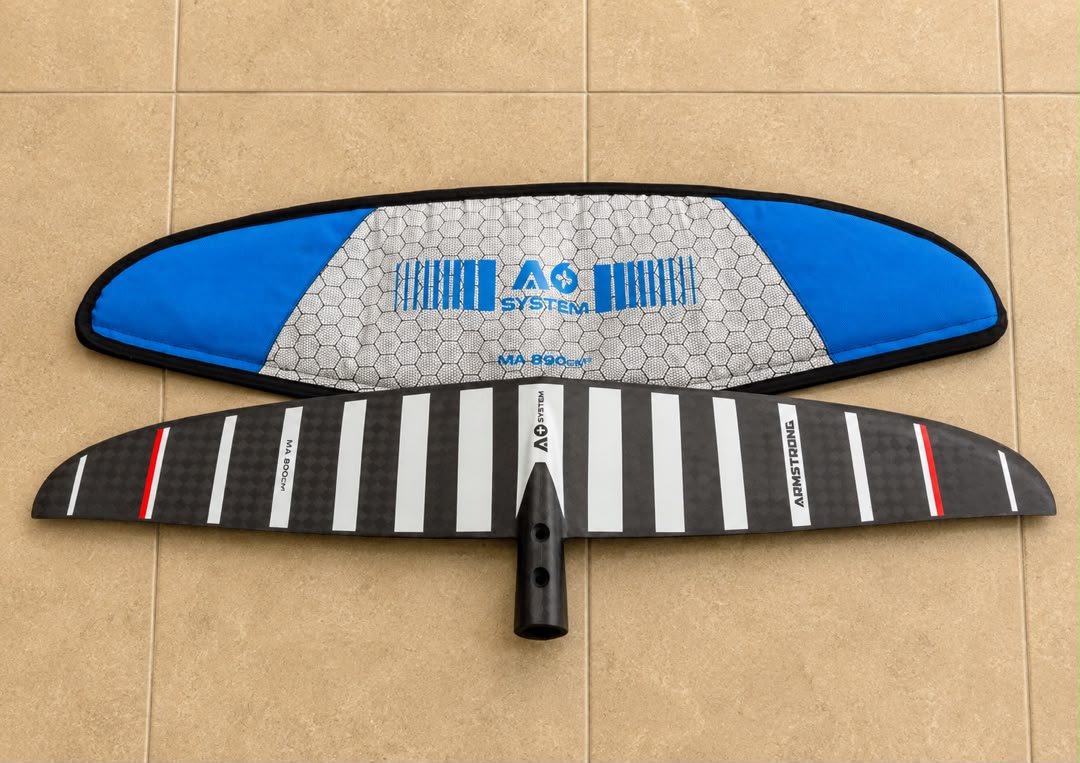
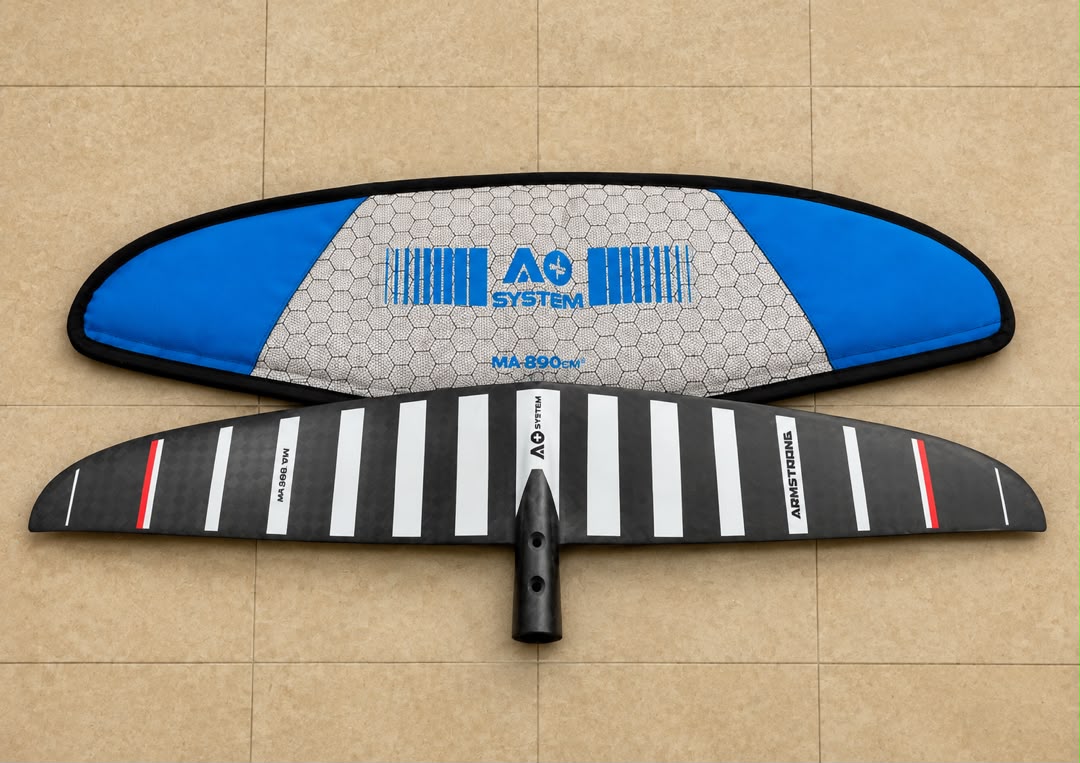
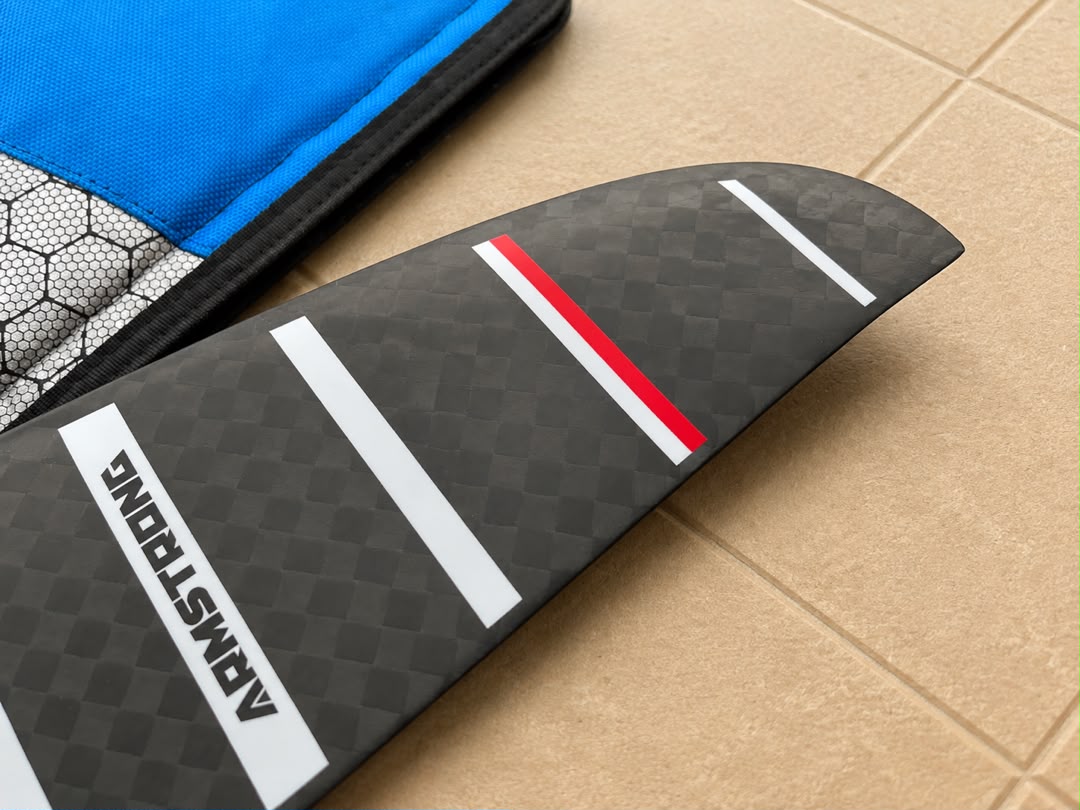
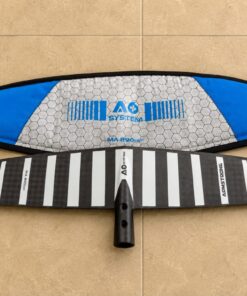
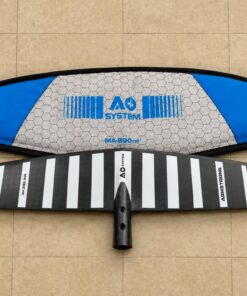


Used Armstrong MA800 Front Wing

€400.00
Used Armstrong MA800 Front Wing
The Used Armstrong MA800 Front Wing is a high-performance hydrofoil component designed for riders seeking smooth lift, efficient glide, stability, and responsive handling. Built with Armstrong’s advanced foil engineering, this versatile front wing is ideal for wing foiling, surf foiling, SUP foiling, and downwind riding.
Offering an excellent balance of speed, control, and efficiency, the MA800 helps riders achieve longer glide, smoother transitions, and improved confidence on the water. A well-maintained used model provides an affordable way to experience premium Armstrong foil performance.
Used Armstrong MA800 Front Wing – High Aspect Efficiency, Smooth Lift, and Versatile Hydrofoil Performance
The Used Armstrong MA800 Front Wing is a performance-focused hydrofoil front wing designed for riders who want an excellent balance between glide efficiency, stability, speed, and maneuverability. Built within the renowned armstrong foils ecosystem, the MA800 delivers the refined hydrodynamic characteristics that experienced riders look for when progressing through wing foiling, surf foiling, and advanced hydrofoil disciplines.
For riders searching for a HA Front Foil, HA Front Foil for sale, front foil, or a premium wing foil front wing, the Used Armstrong MA800 Front Wing offers an opportunity to access high-level foil performance while benefiting from the value of purchasing a pre-owned component.
Why Choose the Armstrong MA800 Front Wing?
The main reason riders choose the MA800 is its balance between efficiency and control. A high-aspect design allows the wing to generate strong lift while maintaining reduced drag, creating smoother acceleration and longer glide phases.
This makes the MA800 suitable for riders who enjoy:
- Wing foiling progression.
- Surf foil performance.
- Longer-distance sessions.
- Pumping techniques.
- Smooth carving.
- Efficient low-energy riding.
Unlike larger beginner-focused wings that prioritize maximum stability, the MA800 provides a more performance-oriented feel while maintaining accessible control.
Armstrong Foil System Compatibility
The MA800 is designed as part of the modular armstrong foils platform, allowing riders to combine different components according to their preferred riding style.
Many riders compare setups involving:
- armstrong foil board
- armstrong foil boards
- armstrong performance mast
- armstrong fuselage
- armstrong wing
- armstrong wings
- armstrong wing foil
A complete foil system depends on how each component works together. The front wing, mast, fuselage, and board all influence speed, lift, handling, and stability.
When these elements are properly matched, riders can achieve a smoother and more predictable experience.
Performance for Wing Foiling
The MA800 is especially appealing for riders searching for a responsive wing foil front wing. Its efficient profile allows riders to maintain speed with less effort while improving glide during transitions.
For those interested in armstrong wing foil setups, the MA800 provides a versatile option that supports progression from intermediate riding toward more advanced techniques.
The design encourages smoother takeoffs, cleaner turns, and improved control during changing water conditions.
Surf Foil Performance and Wave Riding
Riders exploring surf foil, surf foil board, surf foilboard, and surf foil boards often prioritize smooth turning, efficient glide, and predictable handling.
The MA800 is designed to provide a balanced riding experience, allowing users to connect sections of waves while maintaining momentum.
A well-designed front wing helps reduce unnecessary drag, making it easier to maintain speed and flow during wave riding.
Downwind Foiling Capability
Downwind foiling continues to grow in popularity because riders seek longer glide distances and efficient energy use. Equipment choices such as an armstrong downwind foil, armstrong downwind board, armstrong downwind boards, armstrong downwind foil board, and armstrong v1 downwind board are often considered by riders focused on distance and efficiency.
The MA800 can complement riders looking for a versatile wing that provides strong glide characteristics while maintaining responsive handling.
Its efficient profile allows riders to conserve energy and maintain momentum across changing conditions.
Hydrofoil Lift and Stability
A successful foil design requires a careful balance between lift, speed, and control. The MA800 provides the characteristics riders often seek when evaluating hydrofoil lift stability.
The front wing influences:
- Early lift generation.
- Glide efficiency.
- Turning response.
- Speed control.
- Rider confidence.
- Overall handling.
Because of this, selecting the correct front wing is one of the most important decisions when building a foil setup.
Board Compatibility and Setup Options
The MA800 can be paired with different board styles depending on rider preference. Buyers researching foiling board, foiling boards, armstrong midlength, armstrong mid length board, or foil for sup should consider how board volume and shape affect the overall riding experience.
Larger boards generally provide easier starts and improved stability, while smaller boards often provide a more dynamic and responsive feel.
Armstrong’s modular approach allows riders to customize their equipment based on their preferred discipline.
Armstrong Masts and Complete Systems
Many riders researching armstrong integrated foil masts price and armstrong integrated foil masts price 2025 are comparing complete foil solutions rather than individual components.
The mast plays an important role because stiffness, length, and connection strength directly influence control and efficiency.
Pairing the MA800 with a compatible armstrong performance mast and armstrong fuselage helps create a balanced system designed for reliable performance.
Used Armstrong Foils for Sale – Buying Considerations
Searching for armstrong foils for sale provides riders with access to premium equipment at a reduced cost. However, buying used equipment requires careful inspection.
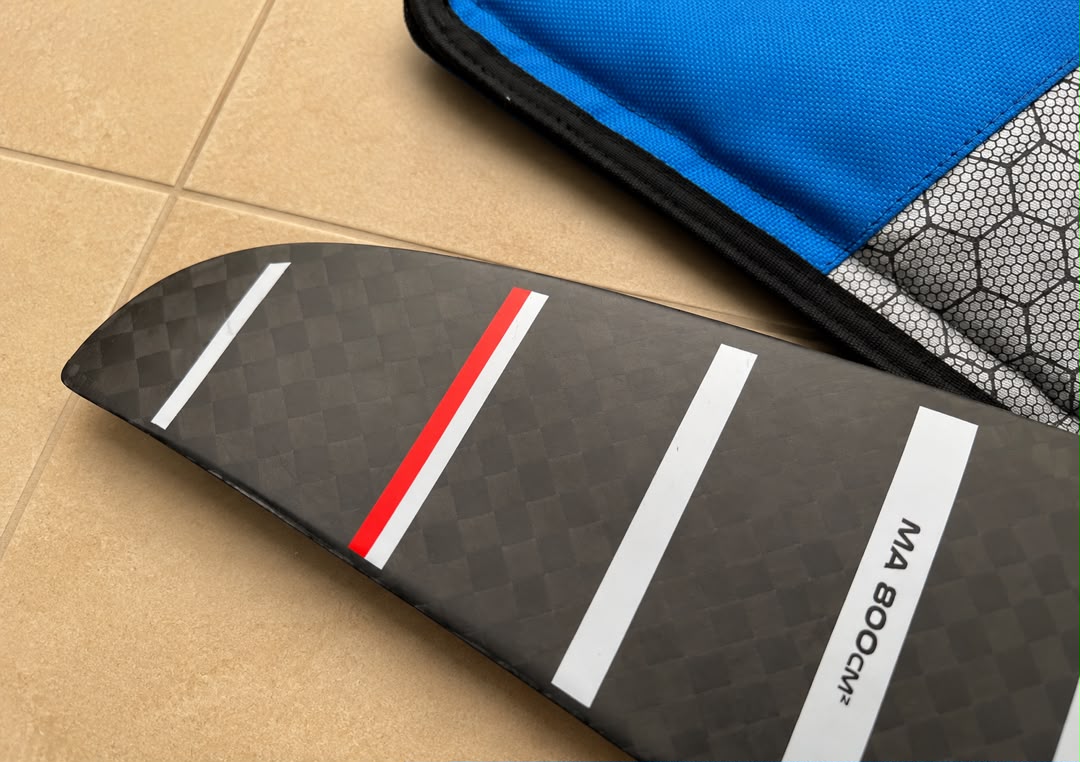
Before purchasing a used MA800 Front Wing, buyers should check:
- Leading-edge condition.
- Trailing-edge condition.
- Surface scratches or damage.
- Mounting areas.
- Hardware condition.
- Signs of previous repairs.
A properly maintained used foil can continue delivering excellent performance for many seasons.
Why the Used Armstrong MA800 Front Wing Is Worth Considering
The Used Armstrong MA800 Front Wing represents a strong choice for riders who want a high-performance hydrofoil component with excellent glide, efficient lift, and versatile applications.
Whether used for wing foiling, surf foiling, SUP foiling, or downwind riding, the MA800 delivers a refined balance of speed, stability, and responsiveness.
For riders looking to expand their foil progression while accessing premium Armstrong engineering at a more affordable price point, the MA800 remains a highly attractive option.
Engineering Design, Performance Balance, and Riding Experience
Designed for Efficient Hydrodynamic Performance
A high-performance component relies on carefully developed geometry, precise construction, and a deep understanding of how movement through water affects overall performance. Every curve, surface, and structural element contributes to the way the equipment responds during use.
The primary goal of advanced design is to create a smooth relationship between lift generation, speed, and control. When these characteristics are properly balanced, riders experience more natural movement, improved confidence, and greater efficiency during longer sessions.
This careful engineering approach allows users to focus more on technique and progression.
The Importance of Profile and Shape
The shape of a performance component has a direct influence on how it behaves in different conditions. Designers carefully refine profiles to achieve predictable responses while maintaining stability and responsiveness.
Several characteristics influence the overall riding experience:
- Smooth acceleration.
- Efficient movement through water.
- Controlled turning response.
- Reduced resistance.
- Improved glide.
- Predictable handling.
Together, these qualities help create a more enjoyable and reliable experience.
Stability and Rider Confidence
Confidence develops when equipment responds consistently. A stable design allows riders to maintain control while adapting to changing conditions and improving their skills.
Stability does not mean sacrificing performance. Instead, effective engineering creates a balance where control and responsiveness work together.
This balance becomes especially valuable when riders begin exploring more advanced techniques and challenging conditions.
Performance Across Different Conditions
Water conditions can change quickly, requiring equipment that can adapt effectively. Wind variations, wave size, current movement, and rider input all influence performance.
A versatile design allows riders to adjust their approach while maintaining control and efficiency.
This adaptability helps create a more rewarding experience because riders are not limited to only one type of environment.
Construction Quality and Durability
Durability is an essential factor in performance equipment because components experience repeated stress during regular use. Materials must provide strength, reliability, and resistance to environmental exposure.
Manufacturing precision plays an equally important role. Careful production methods ensure that every component maintains the intended characteristics throughout its lifespan.
Quality construction provides confidence because riders know their equipment is designed to handle demanding conditions.
Balance Between Speed and Control
Maximum speed is not the only measure of successful design. Effective performance requires a combination of acceleration, stability, responsiveness, and comfort.
A well-balanced component allows riders to maintain control while still benefiting from improved efficiency.
This balance is particularly important because excessive responsiveness can make equipment difficult to manage, while excessive stability may limit progression.
Supporting Rider Progression
Good equipment should support improvement over time. As riders develop their skills, they often seek greater efficiency, smoother handling, and improved performance.
A carefully engineered design provides room for progression by allowing users to explore new techniques without immediately outgrowing their setup.
This makes quality equipment a valuable long-term investment.
The Role of Proper Setup
Even the best-designed equipment depends on correct setup and adjustment. Component alignment, rider ability, and environmental conditions all influence the final experience.
Before each session, riders should consider:
- Equipment condition.
- Connection security.
- Suitable riding conditions.
- Personal skill level.
- Intended riding style.
- Maintenance requirements.
Proper preparation helps maximize performance while improving confidence.
Long-Term Value Through Care
Performance equipment represents an investment, and responsible care helps protect that investment. Regular inspection, careful transportation, and proper storage all contribute to maintaining reliability.
Simple habits such as cleaning after use, checking for damage, and protecting equipment from unnecessary exposure can significantly extend its useful life.
Ultimately, thoughtful engineering combined with responsible ownership creates a more rewarding experience for riders of all levels.
Rider Development, Handling Characteristics, and Long-Term Reliability
Improving Skills Through Experience
Progress in any performance sport comes through consistent practice, observation, and gradual refinement. While advanced equipment provides an excellent foundation, rider ability remains one of the most important factors influencing overall performance.
Each session provides an opportunity to understand movement, balance, timing, and environmental conditions more effectively. Over time, this experience allows riders to develop smoother techniques and greater confidence.
Patience and consistency are essential because meaningful improvement is achieved through continuous learning.
The Importance of Proper Technique
Technique plays a major role in achieving the best possible experience. Small adjustments in body position, movement, and timing can significantly influence control and efficiency.
Developing strong fundamentals helps riders:
- Maintain better balance.
- Improve control.
- Adapt to changing conditions.
- Reduce unnecessary effort.
- Build confidence.
- Progress more naturally.
A strong foundation allows riders to explore more advanced skills with greater confidence.
Understanding Equipment Response
Every performance component has unique characteristics that influence how it responds during use. Learning these characteristics allows riders to make better decisions and adapt their approach effectively.
Experienced riders often develop an understanding of:
- How equipment reacts to different movements.
- How conditions influence performance.
- How adjustments affect handling.
- How to maintain efficiency.
- How to improve control.
This knowledge becomes increasingly valuable as riding ability develops.
Adapting to Changing Conditions
Outdoor environments are constantly changing. Wind direction, water movement, surface conditions, and weather patterns can all influence the riding experience.
Successful riders learn to recognize these changes and adjust accordingly. This ability to adapt improves safety, confidence, and enjoyment.
Preparation before each session helps riders respond more effectively when conditions become unpredictable.
Maintaining Performance Through Proper Care
Long-term reliability depends heavily on responsible ownership. Regular inspection and proper maintenance help preserve performance while reducing unnecessary wear.
Important care practices include:
- Checking components regularly.
- Cleaning equipment after exposure to harsh conditions.
- Protecting surfaces during transportation.
- Storing equipment correctly.
- Addressing damage promptly.
- Maintaining hardware carefully.
These habits help ensure dependable performance throughout many seasons.
Protecting Equipment Investment
Performance equipment represents a valuable investment, making protection an important responsibility. Careful handling helps maintain both functionality and appearance over time.
Owners who follow proper storage and transportation procedures often benefit from:
- Longer equipment lifespan.
- Reduced repair requirements.
- Improved reliability.
- Greater confidence.
- Better overall value.
Small preventive actions frequently provide significant long-term advantages.
Building Confidence Over Time
Confidence develops naturally through familiarity and experience. As riders spend more time using their equipment, they become more comfortable understanding its behavior and capabilities.
This familiarity allows riders to focus less on adjustment and more on technique, progression, and enjoyment.
The relationship between rider and equipment becomes stronger through repeated use and continuous learning.
The Value of Consistent Preparation
Preparation creates a more predictable experience. Before each session, riders should take time to ensure that everything is ready and functioning correctly.
A good preparation routine includes:
- Inspecting equipment condition.
- Reviewing environmental conditions.
- Confirming proper setup.
- Organizing necessary accessories.
- Planning the session appropriately.
These simple steps improve confidence and reduce unnecessary interruptions.
Continuing Progress and Development
Performance equipment is designed to support growth. As riders improve, they often discover new ways to challenge themselves and explore different styles.
Continued practice, careful observation, and responsible equipment care create the foundation for long-term progression.
Ultimately, the combination of quality design, rider development, and proper maintenance leads to a more rewarding experience over many years.
Maintenance, Care, and Maximizing Equipment Lifespan
Establishing a Reliable Care Routine
Proper care plays an essential role in maintaining performance and protecting equipment over time. Even products built with high-quality materials require regular attention because repeated use, environmental exposure, and transportation can gradually influence their condition.
A consistent maintenance routine helps prevent unnecessary wear while ensuring that equipment remains ready for future sessions.
Simple actions performed regularly often provide the greatest long-term benefits.
Inspection Before Every Use
Regular inspections are one of the most effective ways to maintain reliability. Before beginning any activity, riders should take time to examine their equipment carefully and confirm that everything is functioning correctly.
A basic inspection routine should include:
- Checking surfaces for visible damage.
- Examining connection points.
- Confirming secure assembly.
- Looking for unusual signs of wear.
- Ensuring components remain properly aligned.
- Verifying that all parts are in good condition.
These checks help identify potential concerns early and support safer, more enjoyable sessions.
Cleaning and Protection After Use
Environmental exposure can affect equipment over time, especially when used in demanding outdoor conditions. Water, salt, sand, and changing temperatures may gradually influence materials if proper care is not maintained.
After each session, riders should consider:
- Removing dirt and debris.
- Allowing equipment to dry completely.
- Cleaning exposed areas carefully.
- Protecting surfaces from unnecessary damage.
- Storing components correctly.
These practices help preserve appearance and maintain reliable performance.
Proper Storage Practices
Storage conditions have a significant influence on long-term durability. Equipment should be kept in a clean, dry environment where it is protected from unnecessary exposure.
Recommended storage habits include:
- Avoiding prolonged moisture exposure.
- Keeping equipment away from extreme temperatures.
- Protecting components during transport.
- Organizing smaller parts carefully.
- Using protective storage solutions when available.
A well-maintained storage routine helps extend the useful life of valuable equipment.
Transportation Considerations
Moving equipment between locations requires careful attention because accidental impacts can occur during travel. Proper preparation reduces the risk of damage and helps maintain overall condition.
Good transportation practices include:
- Securing components properly.
- Avoiding heavy pressure on sensitive areas.
- Using protective covers.
- Keeping accessories organized.
- Inspecting equipment after transport.
These precautions contribute to long-term reliability and convenience.
Recognizing Normal Wear
All equipment experiences normal wear through regular use. Understanding the difference between ordinary aging and potential issues allows owners to respond appropriately.
Regular observation helps identify:
- Surface changes.
- Hardware wear.
- Reduced performance.
- Unusual movement.
- Possible damage.
Addressing these signs early often prevents larger problems from developing.
Extending Performance Through Responsible Ownership
Responsible ownership is about creating habits that protect equipment throughout its lifespan. Regular inspections, careful handling, and appropriate storage all contribute to maintaining original performance characteristics.
Owners who invest time in proper care often benefit from:
- Improved reliability.
- Longer usable life.
- Reduced maintenance concerns.
- Greater confidence.
- Better overall value.
These benefits demonstrate why maintenance remains an important part of ownership.
Preparing for Future Sessions
Preparation creates a smoother and more enjoyable experience. Taking time before each session to check equipment condition, review surroundings, and organize accessories helps reduce unnecessary interruptions.
A thoughtful preparation process allows riders armstrong foiling to focus more on enjoyment, progression, and improving their skills.
Final Maintenance Perspective
Quality equipment is designed to provide long-term enjoyment, but maintaining that experience requires commitment and attention. Regular inspections, careful cleaning, responsible storage, and thoughtful handling create the foundation for dependable performance.
By following effective care practices, riders can continue enjoying their equipment while protecting their investment for many seasons ahead kite armstrong.
Be the first to review “Used Armstrong MA800 Front Wing”
Related products
Used Product
Used Product
Used Product
Used Product
Used Product

Used Product
Used Product
Used Product
Reviews
There are no reviews yet.