


Armstrong Dart 120 Stabilizer


€120.00
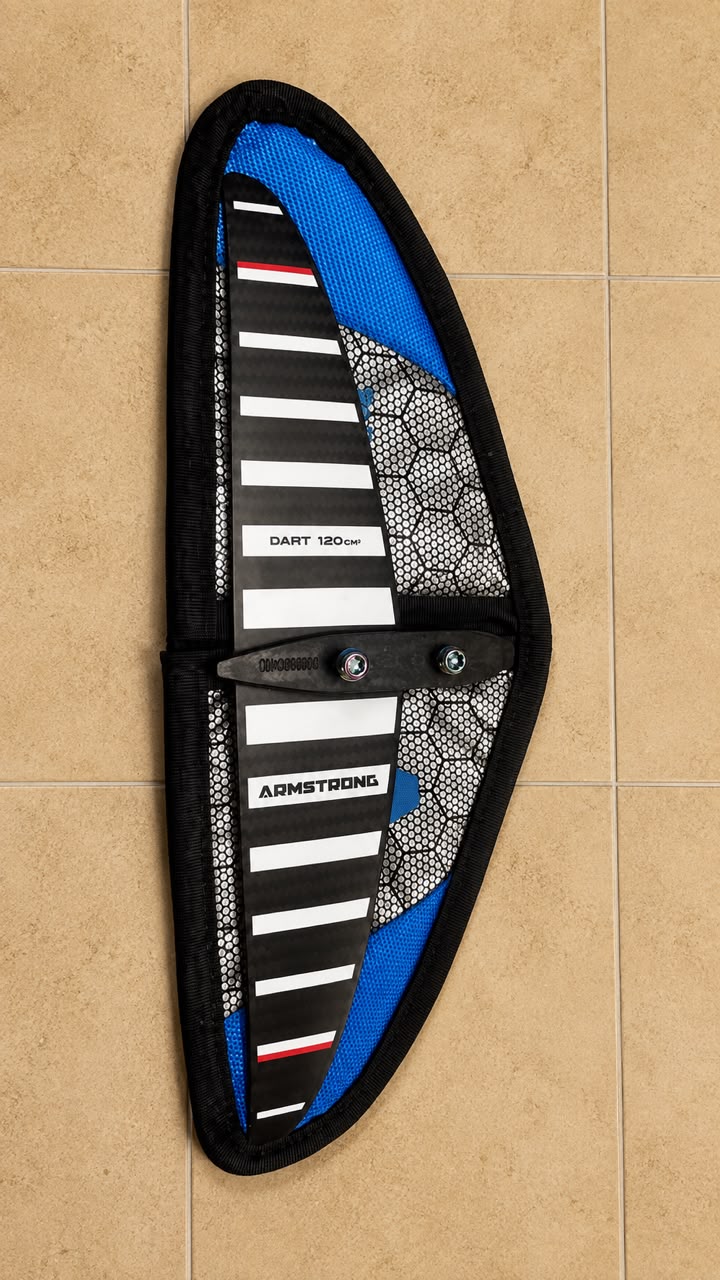
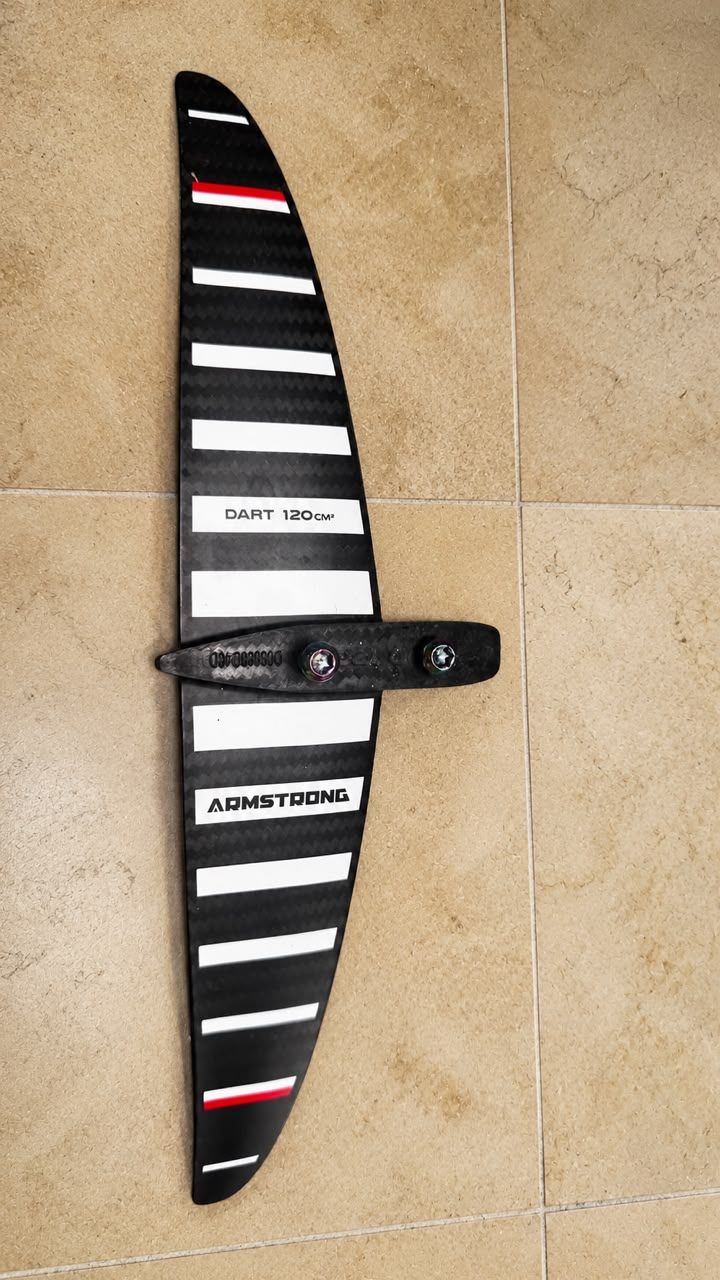
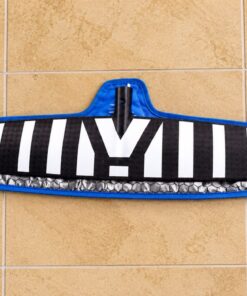
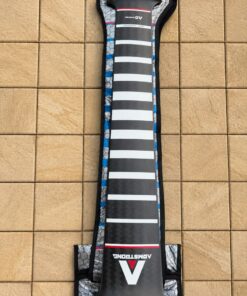
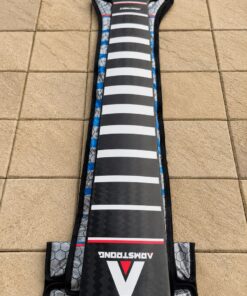
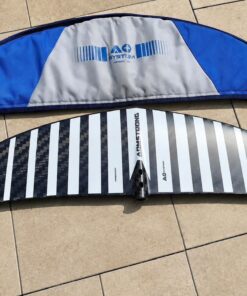
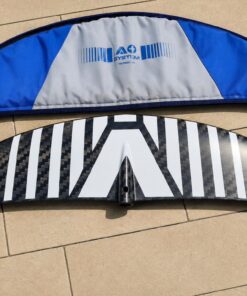
The Armstrong Dart 120 Stabilizer is a compact rear foil created for advanced riders who want maximum maneuverability, minimal drag, faster directional changes, and a loose, highly reactive feel. Armstrong describes it as its most responsive and maneuverable stabilizer, developed by taking the Dart 140 concept and reducing its surface area, aspect ratio, and span. The resulting design is quicker, looser, and faster, particularly during aggressive surf-foiling maneuvers.
Armstrong Dart 120 Stabilizer – Reactive Turning, Minimal Drag, Advanced Foil Control, and A+ System Compatibility
Armstrong Dart 120 Stabilizer Overview, Performance, Compatibility, and Real-World Use
What Is the Armstrong Dart 120 Stabilizer?
The Armstrong Dart 120 Stabilizer is a compact rear foil created for advanced riders who want maximum maneuverability, minimal drag, faster directional changes, and a loose, highly reactive feel. Armstrong describes it as its most responsive and maneuverable stabilizer, developed by taking the Dart 140 concept and reducing its surface area, aspect ratio, and span. The resulting design is quicker, looser, and faster, particularly during aggressive surf-foiling maneuvers.
Within the wider armstrong foils range, the Dart 120 sits at the performance-focused end of the stabilizer collection. It is not designed primarily for first flights or maximum low-speed stability. Instead, it serves riders who already possess good pitch control and want their setup to release, carve, and redirect with minimal resistance.
Why Choose a Small, Low-Drag Stabilizer?
A rear stabilizer influences pitch control, turning radius, acceleration, glide, and the overall connection between rider input and foil response. By reducing area and span, the Dart 120 produces less hydrodynamic resistance than larger stabilizers. Consequently, the foil may accelerate more freely and react more quickly when the rider changes pressure through the feet.
This design may suit riders who want Used Armstrong Dart 120 Stabilizer:
- Fast rail-to-rail transitions
- Loose and responsive carving
- Reduced drag at higher speed
- Minimal resistance during turns
- Quick recovery after ventilation
- A highly sensitive connection to the foil
However, smaller stabilizers usually demand more precise technique. Riders seeking maximum hydrofoil lift stability at low speed may prefer a larger or more forgiving rear wing.
Mid-High Aspect Outline and Flat Rondure
The Dart 120 uses a mid-high aspect outline and flat rondure. Its reduced span and surface area contribute to rapid turning, while the flatter geometry supports efficient water flow and low drag. Armstrong specifically positions the model as a radical surf-oriented design that can also work for advanced wing and downwind riders with a sensitive touch.
Although the Dart 120 is small, it still plays a major role in controlling pitch. The exact feel depends on the selected hydrofoil front wing, front foil, mast, fuselage, shim, board, speed, rider weight, and water conditions.
Compatibility with Armstrong’s A+ System
The stabilizer uses Armstrong’s A+ System, the proprietary connection architecture that joins the mast, armstrong fuselage, front wing, and stabilizer into one rigid assembly. Armstrong states that this system is designed to create a solid and smooth feeling through the complete foil.
The official Dart 120 package includes:
- A protective cover
- Two Torx M6 17 mm stainless-steel dome-head screws
- Rainbow titanium-coated hardware
- Three polycarbonate Pro Shims
Shims allow the rider to modify the stabilizer angle and adjust pitch behavior. Small setup changes can produce noticeable differences, so adjustments should be made conservatively.
Pairing the Dart 120 with a Front Wing
The Dart 120 may be paired with a compatible HA Front Foil, wing foil front wing, or another Armstrong front-wing design. Riders searching for an HA Front Foil for sale may consider the Dart 120 when they want to loosen a high-aspect setup and increase turning response.
A larger hydrofoil front wing usually emphasizes earlier lift and lower stall speed, whereas a smaller front foil may prioritize speed and maneuverability. Armstrong notes that front-wing selection involves trade-offs between low-speed comfort, responsiveness, top speed, pitch stability, and carving behavior.
The Dart 120 will not create the same experience with every front foil. Therefore, riders should consider:
- Rider weight
- Skill level
- Front-wing area
- Water speed
- Wave size
- Wind strength
- Desired turning radius
- Preferred pitch sensitivity
Surf-Foiling Performance
The Dart 120 was created primarily for advanced surf foil riding. When paired with a suitable surf foil board, surf foilboard, or other compact surf foil boards, it can help the foil redirect quickly through tight pocket turns and fast cutbacks.
Its low-drag design supports acceleration, while the short span allows rapid roll input. Therefore, experienced surf riders may appreciate its ability to feel loose without becoming excessively resistant during hard carving.
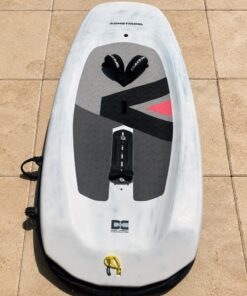
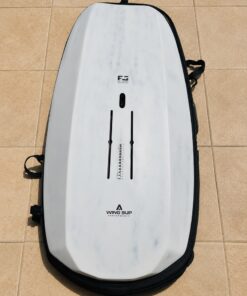
The stabilizer may complement an armstrong foil board, armstrong foil boards, or other performance foiling boards, provided the mast, fuselage, and front wing are compatible.
Wing-Foiling Applications
Advanced riders using an armstrong wing or different sizes of armstrong wings may use the Dart 120 to create a more reactive armstrong wing foil setup.
In powered conditions, the low-drag profile may support higher speed and sharper transitions. However, less experienced riders may find that a larger stabilizer provides greater pitch security during takeoff, touchdowns, and slow maneuvers.
The Dart 120 is best suited to riders who already understand foil height, pitch correction, and controlled weight transfer.
Downwind and SUP Foiling
Although designed around surf performance, the Dart 120 can also work with an armstrong downwind board, armstrong downwind boards, or an armstrong downwind foil board when used by advanced downwind riders seeking a looser setup.
A rider using an armstrong downwind foil or foil for sup may value the reduced drag once the system is flying. Nevertheless, the small size requires refined control, especially during slower connections between swells.
The armstrong v1 downwind board belongs to an earlier board generation, while newer models may use different outlines and volume distribution. Stabilizer selection should therefore be based on the complete configuration rather than the board name alone.
Midlength Board Compatibility
An armstrong midlength or armstrong mid length board can support easier acceleration and takeoff while still maintaining maneuverability once airborne.
When paired with a Dart 120, a midlength setup may feel efficient on the surface yet highly responsive after lift-off. However, board length and volume mainly influence takeoff, while the rear stabilizer has a stronger effect on pitch, drag, and carving after the foil begins flying.
Mast and Fuselage Considerations
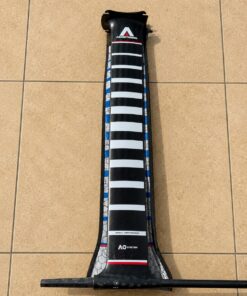
The Dart 120 may be used with a compatible armstrong performance mast and A+ fuselage configuration. Riders researching armstrong integrated foil masts price or armstrong integrated foil masts price 2025 should remember that the mast is normally sold separately from the stabilizer.
The Dart 120 listing includes the rear foil, cover, screws, and shims. It does not automatically include the mast, armstrong fuselage, board, or front wing.
Kite, Wake, Tow, and Pump Use
A kite armstrong setup may benefit from the Dart 120’s low drag and fast turning characteristics. Likewise, wake and tow riders may appreciate its loose response during powered carving.
Pump-foiling riders may also enjoy the reduced resistance, although larger stabilizers often provide more low-speed support. Therefore, the Dart 120 generally favors responsiveness over maximum pumping forgiveness.
Understanding Complete Foil Packages
Customers browsing armstrong foils for sale, armstrong foiling equipment, or complete systems should verify exactly what is included.
The Dart 120 is a stabilizer only. It is not an armstrong foil board, foiling board, mast, fuselage, or HA Front Foil.
A complete foil setup generally requires:
- Board
- Mast
- Fuselage
- Front foil
- Rear stabilizer
- Mounting hardware
- Compatible shims
Why the Dart 120 Is Important
The rear stabilizer is physically smaller than the front wing, yet it strongly influences speed, pitch response, turning behavior, and overall control.
The Dart 120 is engineered for advanced riders who want the least possible resistance and the quickest possible reaction from their setup. Its mid-high aspect outline, flat rondure, short span, reduced area, and A+ System compatibility create a highly specialized rear foil for surf, wing, wake, tow, and sensitive downwind use.
When correctly matched with the rider, board, mast, fuselage, and front wing, it can transform a stable foil system into a faster, looser, and more maneuverable setup.
Understanding Stability, Control, and Long-Term Performance
Why Balance Plays Such an Important Role
Balance remains one of the most important elements of every successful session because the entire system depends upon the rider’s ability to distribute weight effectively while responding to constantly changing conditions. Even small adjustments frequently influence speed, efficiency, maneuverability, and overall confidence.
Although advanced equipment contributes significantly to performance, technique often determines whether the full potential of the setup can be achieved.
Consistent practice usually produces the greatest long-term improvements.
How Hydrodynamic Efficiency Influences Performance
Every component interacts with the surrounding water while simultaneously affecting lift, drag, acceleration, and control. Consequently, efficient design becomes extremely important.
Several factors influence hydrodynamic efficiency:
- Surface area
- Water flow characteristics
- Aspect ratio
- Riding speed
- Pressure distribution
- Environmental conditions
When these factors work together effectively, riders frequently experience smoother operation and more predictable performance.
Why Speed and Control Must Work Together
Speed alone is rarely enough to create an enjoyable experience. Instead, effective control allows riders to maintain confidence while adapting to constantly changing conditions.
Several factors contribute to improved control:
- Proper stance
- Stable foot positioning
- Controlled body movements
- Effective weight distribution
- Continuous observation
- Consistent practice
Together, these elements frequently create a more efficient and enjoyable experience.
Understanding the Relationship Between Lift and Drag
Lift and drag are constantly interacting forces. As one characteristic changes, the other often changes as well. Therefore, achieving the ideal balance frequently becomes an important objective.
Several factors commonly influence this balance:
- Riding speed
- Water conditions
- Rider weight
- Wave energy
- Wind strength
- Equipment configuration
Recognizing these relationships frequently allows riders to make more informed adjustments.
Why Water Conditions Matter
Environmental conditions continuously influence performance because every location presents unique challenges. Consequently, understanding local conditions often becomes essential.
Several factors deserve careful attention:
- Wind direction
- Wind intensity
- Surface texture
- Current strength
- Water depth
- Swell characteristics
Awareness of these variables frequently improves both confidence and consistency.
Improving Turning Performance Through Practice
Turning performance develops gradually because timing, coordination, and balance must work together simultaneously. Therefore, regular practice often becomes one of the most effective methods of improvement.
Several techniques commonly support smoother transitions:
- Maintaining a stable posture
- Controlling movements carefully
- Remaining focused during directional changes
- Adapting to changing conditions
- Following consistent routines
These habits frequently contribute to greater confidence and efficiency.
Why Experience Creates Better Results
Experience provides practical knowledge that cannot be gained from specifications alone. Individuals who spend more time refining their techniques often discover increasingly subtle differences in responsiveness and control.
Several advantages frequently develop through experience:
- Improved adaptability
- Better concentration
- Greater confidence
- Stronger observational skills
- More effective decision-making
These qualities often contribute to dependable long-term performance.
Maintenance and Equipment Preservation
Regular maintenance remains extremely important because constant exposure to water, sunlight, and changing temperatures can gradually influence long-term durability.
An effective maintenance routine commonly includes the following procedures:
- Rinsing exposed surfaces carefully.
- Removing accumulated salt and debris.
- Inspecting attachment points thoroughly.
- Examining all visible components.
- Confirming proper alignment.
These steps frequently support reliable operation over extended periods.
Establishing Appropriate Storage Practices
Storage conditions can significantly influence durability. Therefore, maintaining a clean and controlled environment frequently becomes essential.
Several recommendations are commonly followed:
- Keep equipment dry after use.
- Avoid prolonged exposure to direct sunlight.
- Inspect components regularly.
- Protect surfaces from unnecessary impact.
- Store equipment in clean environments.
These habits frequently contribute to long-term preservation.
Frequently Asked Questions
Why is balance so important?
Balance supports efficiency, stability, control, and confidence throughout every stage of operation.
Why should environmental conditions be monitored carefully?
Environmental conditions frequently influence speed, maneuverability, and overall predictability.
Why is regular maintenance necessary?
Routine maintenance helps preserve reliability while reducing unnecessary wear.
Why does experience matter?
Experience frequently strengthens technical understanding while improving confidence and adaptability.
Final Thoughts
Long-term improvement is rarely achieved overnight. Instead, it usually develops through patience, discipline, preparation, and continuous practice. Individuals who remain committed to learning frequently improve their abilities while maintaining confidence, efficiency, and control.
Advanced Riding Techniques, Efficiency, and Long-Term Development
Building Confidence Through Consistent Practice
Confidence is rarely developed in a single session. Instead, it is usually built gradually through repetition, observation, and experience. As individuals become more familiar with changing water conditions, they often learn how to react more efficiently and make more effective decisions.
Every session creates opportunities to refine technique, strengthen balance, and improve control. Consequently, small improvements frequently become much more noticeable over time.
Patience remains one of the most valuable qualities for anyone seeking long-term progress.
Why Body Positioning Matters
Body positioning directly influences stability, speed, control, and maneuverability. Even slight adjustments can produce significant differences in responsiveness and efficiency.
Several important factors contribute to effective positioning:
- Maintaining balance
- Keeping movements smooth and controlled
- Monitoring changes in speed
- Adapting to varying conditions
- Remaining attentive throughout each session
These habits frequently support greater consistency and improved performance.
Understanding the Importance of Timing
Timing is essential because successful movement requires coordination between body position, environmental conditions, and equipment response. Therefore, recognizing the correct moment to initiate a maneuver often becomes extremely important.
Several factors influence timing:
- Water movement
- Wave shape
- Wind strength
- Directional changes
- Rider position
- Overall speed
As experience increases, the ability to recognize these factors frequently becomes much stronger.
Why Efficient Movement Creates Better Results
Efficiency allows individuals to conserve energy while maintaining greater control. Rather than relying upon excessive force, experienced riders often focus on smooth transitions and precise adjustments.
Several habits commonly support efficient movement:
- Planning movements carefully
- Avoiding unnecessary adjustments
- Remaining relaxed during operation
- Maintaining a consistent rhythm
- Observing changing conditions continuously
These practices frequently contribute to improved confidence and greater consistency.
Environmental Awareness and Adaptability
Environmental conditions constantly change, which means adaptability remains extremely important. Individuals who understand how these changes influence performance frequently develop stronger decision-making skills.
Several factors should be monitored carefully:
- Wind speed
- Wind direction
- Surface conditions
- Water temperature
- Currents
- Visibility
Understanding these variables frequently contributes to safer and more efficient operation.
Developing Smooth Turning Techniques
Turning effectively requires coordination, patience, and consistent practice. Although many people initially focus exclusively on speed, experienced riders often understand that controlled movements usually produce better results.
Several techniques commonly improve turning performance:
- Maintaining balanced body positioning
- Controlling directional changes carefully
- Adjusting movements gradually
- Monitoring environmental conditions
- Practicing consistently
These techniques frequently contribute to improved efficiency and confidence.
The Importance of Equipment Care
Regular maintenance remains an essential part of long-term ownership because exposure to water, moisture, sunlight, and environmental contaminants can gradually affect performance.
Several maintenance procedures are commonly recommended:
- Inspect visible components carefully.
- Remove accumulated dirt and debris.
- Clean all exposed surfaces thoroughly.
- Verify proper alignment.
- Confirm that all attachment points remain secure.
These procedures frequently support dependable long-term operation.
Proper Storage and Protection
Storage conditions influence appearance, reliability, and durability. Therefore, protecting equipment from unnecessary environmental exposure remains extremely important.
Several recommendations are commonly followed:
- Store equipment in dry locations.
- Avoid excessive heat exposure.
- Protect components from direct sunlight.
- Perform regular inspections.
- Maintain clean storage areas.
These practices frequently help preserve long-term performance.
Common Mistakes and How to Avoid Them
Many difficulties can be prevented through preparation and careful observation. Recognizing problems early often helps prevent more significant complications later.
Several examples include:
- Rushing important procedures
- Ignoring environmental conditions
- Neglecting routine maintenance
- Failing to establish consistent routines
- Overlooking minor adjustments
Avoiding these mistakes frequently contributes to better results.
Frequently Asked Questions
Why is timing so important?
Timing helps improve coordination while supporting greater control and consistency.
Why should environmental conditions be observed continuously?
Changing conditions frequently influence balance, efficiency, and maneuverability.
Why is routine maintenance necessary?
Routine maintenance helps preserve reliability while reducing unnecessary wear.
Why should proper storage procedures always be followed?
Appropriate storage conditions help protect equipment from environmental damage and premature deterioration.
Final Remarks
Long-term improvement is often achieved through dedication, patience, preparation, and experience. Individuals who continue refining their skills frequently strengthen their confidence while improving efficiency, adaptability, and overall performance.
Performance Optimization, Technical Understanding, and Long-Term Reliability
Creating a Strong Foundation for Continued Improvement
Long-term development is often the result of patience, consistency, and a willingness to learn from experience. Although advanced engineering contributes significantly to performance, proper technique frequently determines how efficiently that performance can be translated into real-world conditions.
Individuals who maintain structured routines often develop stronger observational skills and a greater understanding of how small adjustments influence overall behavior. Consequently, gradual improvements frequently become more noticeable over time.
Consistency remains one of the most valuable elements of long-term success.
Why Precision Matters in Every Session
Precision influences efficiency, responsiveness, balance, and control. Even slight variations in movement can alter the way energy is transferred throughout the entire system.
Several factors frequently contribute to greater precision:
- Stable body positioning
- Consistent movement patterns
- Effective timing
- Environmental awareness
- Careful preparation
- Continuous practice
When these elements work together successfully, performance frequently becomes more predictable and efficient.
Understanding the Relationship Between Stability and Responsiveness
Stability and responsiveness often work together, even though they may appear to represent opposite characteristics. Greater responsiveness frequently creates faster reactions, whereas increased stability often supports confidence and predictability.
Several factors influence this balance:
- Overall speed
- Water conditions
- Surface conditions
- Rider experience
- Environmental changes
- Equipment configuration
Understanding these relationships frequently helps individuals make more informed decisions.
Why Adaptability Is Important
Conditions on the water can change rapidly. Therefore, adaptability becomes essential because flexibility frequently allows riders to respond more effectively to unexpected situations.
Several environmental variables should be monitored continuously:
- Wind direction
- Wind intensity
- Water movement
- Wave height
- Surface texture
- Visibility conditions
Awareness of these factors frequently contributes to greater confidence and improved control.
Improving Efficiency Through Experience
Experience frequently provides practical knowledge that cannot be obtained simply by studying technical information. Individuals who spend more time refining their techniques often discover increasingly effective ways to improve efficiency.
Several habits commonly contribute to continued progress:
- Practicing regularly
- Reviewing previous experiences
- Making gradual adjustments
- Remaining patient throughout the learning process
- Paying close attention to changing conditions
These habits frequently support long-term improvement.
Why Maintenance Should Never Be Overlooked
Routine maintenance remains essential because constant exposure to environmental conditions gradually affects every component over time.
Several procedures should be performed regularly:
- Rinse all exposed surfaces carefully.
- Remove dirt, sand, and accumulated debris.
- Inspect visible components thoroughly.
- Confirm that attachment points remain secure.
- Verify proper alignment.
These procedures frequently support dependable long-term performance.
Proper Storage Practices
Storage conditions influence durability, reliability, and appearance. Consequently, protecting equipment from unnecessary environmental exposure remains extremely important.
Several recommendations are commonly followed:
- Keep storage areas clean and dry.
- Minimize exposure to direct sunlight.
- Avoid excessive heat.
- Perform routine inspections.
- Protect surfaces from impact and contamination.
These practices frequently contribute to long-term preservation.
Common Challenges and Practical Solutions
Every rider encounters challenges while developing new skills. Fortunately, many difficulties can be reduced through preparation and careful observation.
Several common examples include:
- Inconsistent positioning
- Poor timing
- Neglecting environmental conditions
- Failing to establish regular maintenance routines
- Making excessive adjustments too quickly
Recognizing these situations early frequently helps prevent more significant problems from developing.
Frequently Asked Questions
Why is precision important?
Precision frequently improves efficiency while supporting greater confidence and control.
Why should changing conditions always be monitored?
Environmental conditions frequently influence responsiveness, stability, and predictability.
Why is routine maintenance necessary?
Routine maintenance helps preserve reliability while minimizing unnecessary wear.
Why does experience contribute to better performance?
Experience frequently improves adaptability, decision-making, and confidence.
Why are proper storage conditions important?
Appropriate storage procedures help protect equipment while supporting long-term durability.
Final Thoughts
Long-term success is often achieved through persistence, patience, preparation, and continuous learning. Individuals who remain committed to improvement frequently strengthen their skills while maintaining confidence, efficiency, and reliability throughout every stage of their development.
Be the first to review “Armstrong Dart 120 Stabilizer”
Related products

Used Product
Used Product
Used Product
Used Product


Used Product
Used Product


Used Product
Used Product
Reviews
There are no reviews yet.