


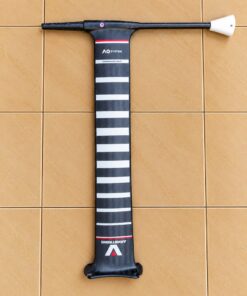
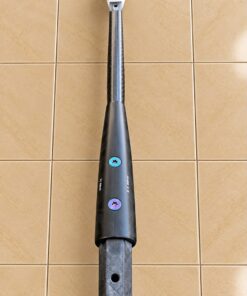
Used Performance Mast 865 MK1
€800.00
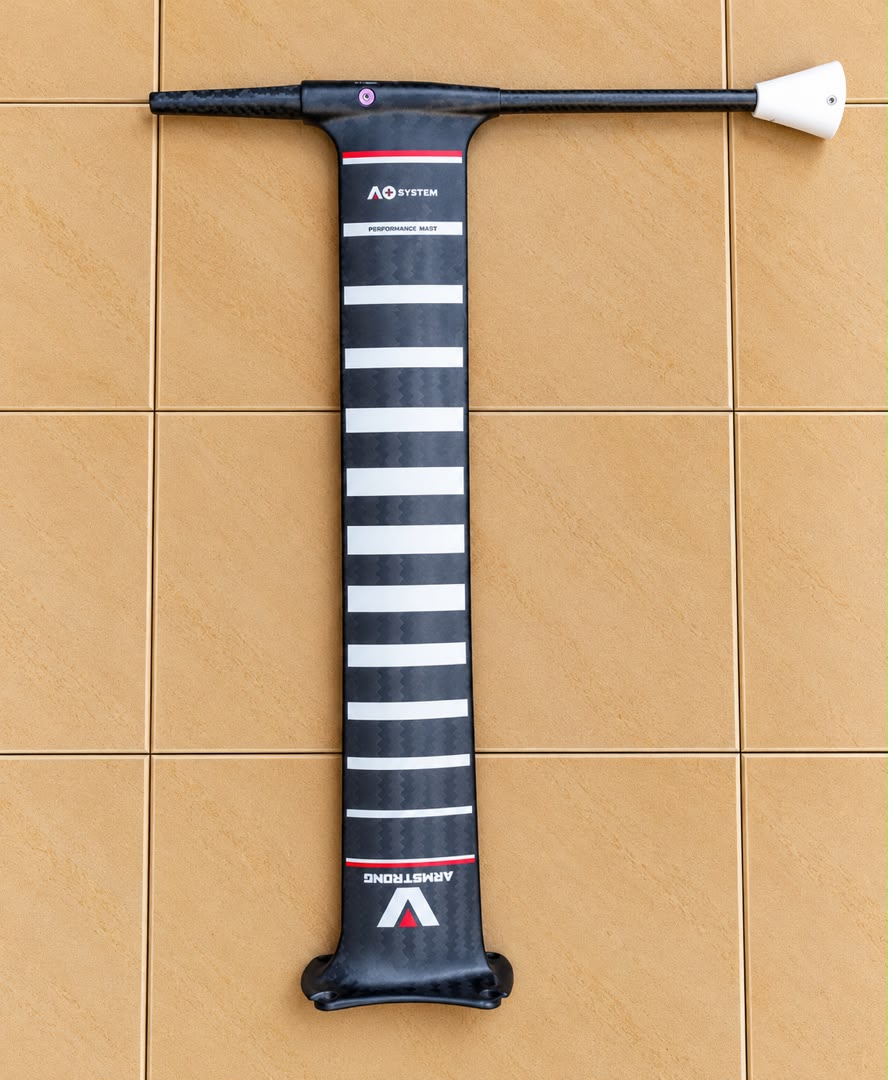
Used Armstrong Performance Mast MK1 865
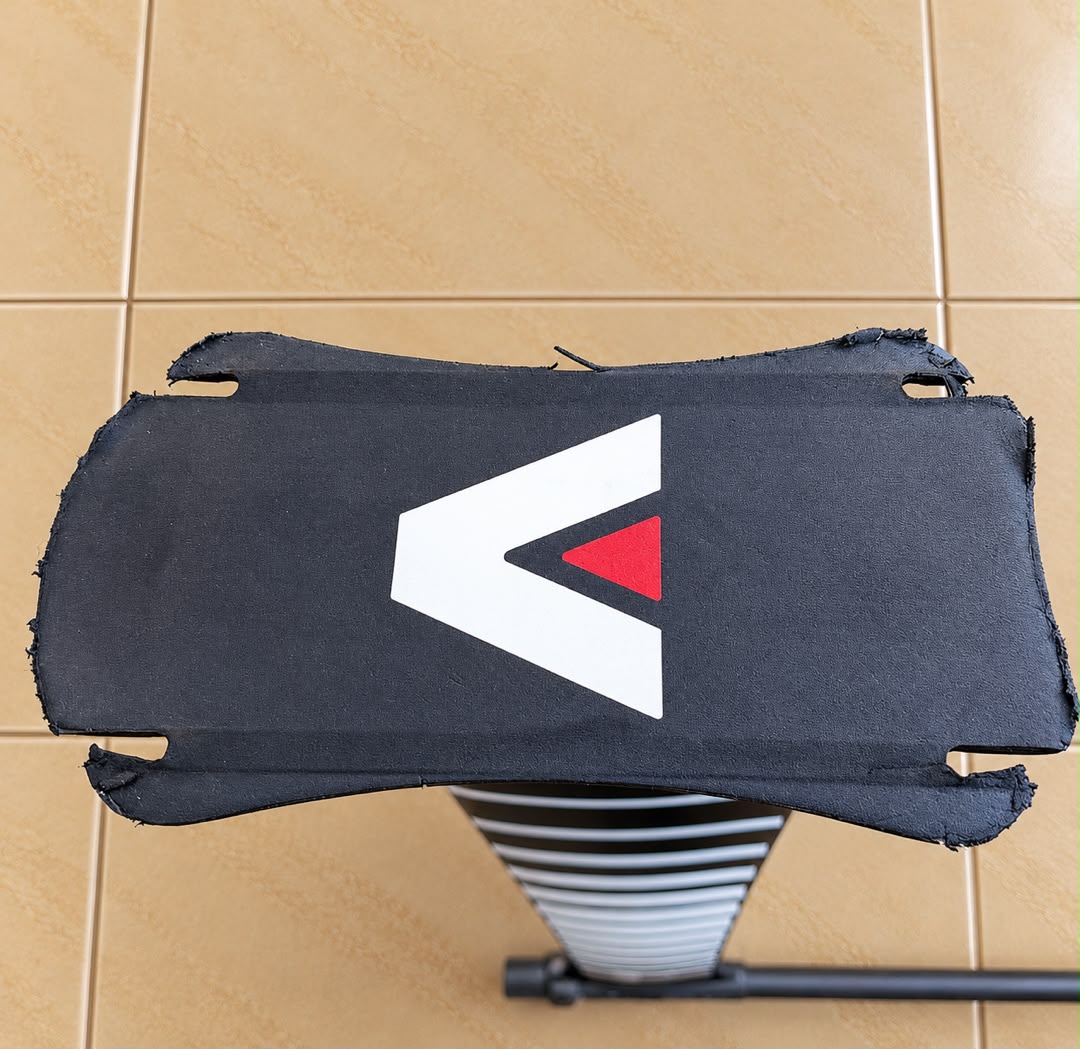
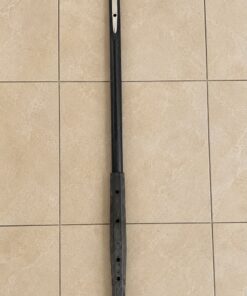
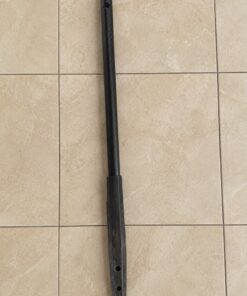
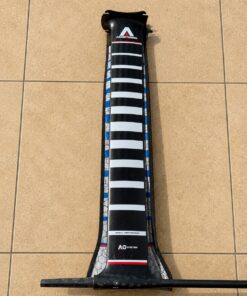
Used Armstrong Performance Mast MK1 865 in great condition, with only a couple of minor cosmetic scratches where a foil-assist pod was previously fitted.
This premium carbon mast offers a stiff, direct and responsive ride feel, making it a strong choice for wing, surf, downwind and open-water foiling.
Key details:
- Armstrong Performance Mast MK1
- Length: 865 mm
- Approx. weight: 1960 g
- Premium carbon construction
- Great overall condition
- Minor cosmetic scratches only
- Protective covers included
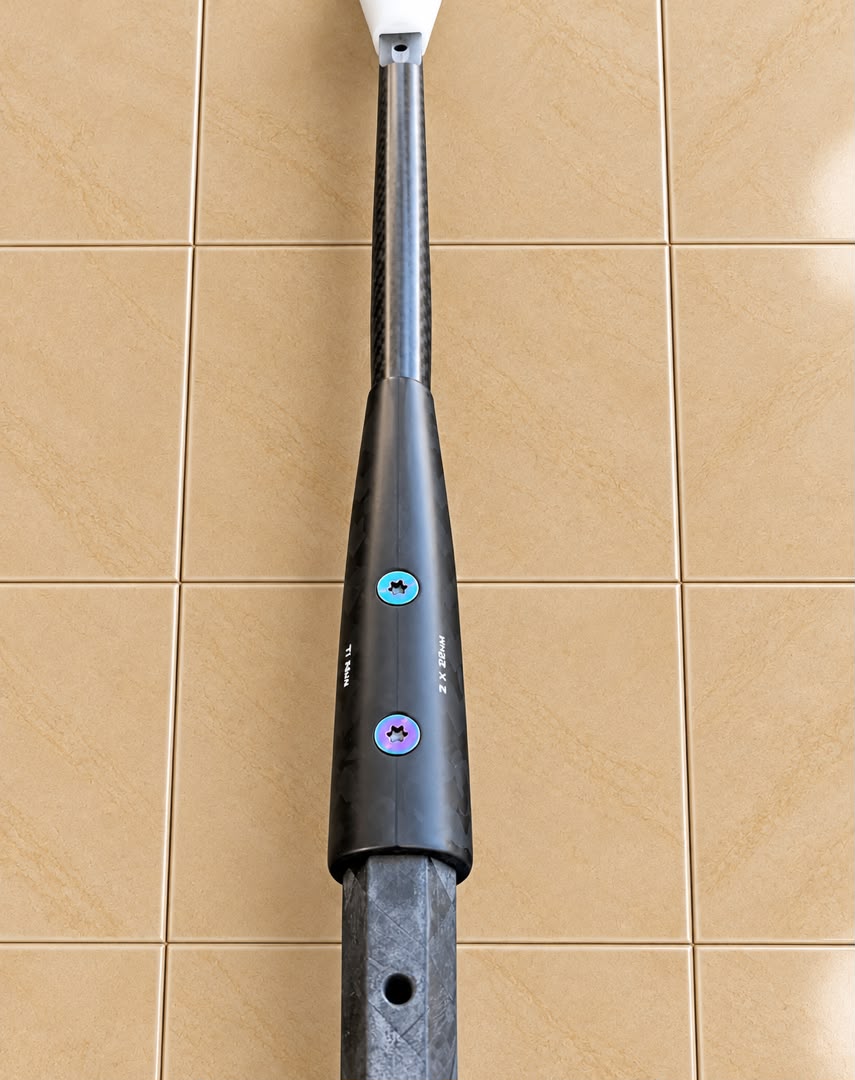
- Screws and nuts included
- Fuselage not included
- Strong stiffness and torsional control
- Excellent for high-aspect and performance foil setups
- Suitable for wing, surf and downwind use
Before use, buyers should inspect the baseplate, fuselage connection, leading edge, trailing edge and the previously mounted pod area, and confirm compatibility with their existing Armstrong foil system.
Used Armstrong Performance Mast MK1 865 – High-Performance Carbon Foil Mast for Stiffness, Control, Glide and Precision
The Used Armstrong Performance Mast MK1 865 is a premium carbon hydrofoil mast developed for riders who want a direct, stiff and performance-focused connection between their board and foil system.
This particular example is reported to be in great overall condition, with only a couple of minor scratches where a foil-assist pod was previously fitted. Those marks are described as cosmetic rather than structural.
Protective covers, screws and nuts are supplied with the mast.
However, the fuselage is not included, which is an important distinction for buyers assembling a complete foil setup.
At 865 mm in length, the Performance Mast MK1 occupies an especially versatile mast-height category. It provides considerably more clearance than shorter surf-oriented masts while remaining manageable for winging, freeride, carving and open-water use.
Armstrong lists the original Performance Carbon Mast PM865 at approximately 1960 g, while the mast range was developed using premium carbon construction and hydrodynamic design aimed at achieving a strong combination of stiffness, glide, control and usable performance across real-world foil speeds.
Used Armstrong Performance Mast MK1 865.
The Used Armstrong Performance Mast MK1 865 represents the first-generation Performance Carbon concept that preceded Armstrong’s newer Performance Mk II.
Its purpose was to provide a stiffer, more responsive mast for riders who wanted greater precision from increasingly efficient foil wings.
Why the MK1 Remains Relevant
Modern foil wings can generate substantial leverage.
A stiff mast helps transmit the rider’s movements accurately to the underwater components.
Therefore, a well-maintained first-generation Performance Mast can still provide a highly capable riding platform.
865 mm Mast Length
The mast measures 865 mm in nominal length.
Why 865 mm Is Versatile
This height provides useful clearance between the board and water surface.
That additional clearance can help when riding:
Choppy water
Ocean swell
Powered wing sessions
Downwind conditions
Banked turns
Why More Clearance Matters
When a foil mast is very short, the rider has less vertical range before either the board touches the water or the foil approaches the surface.
An 865 mm mast gives the rider more working room.
Approximately 1960 g
Armstrong’s original Performance Carbon specifications list the PM865 at approximately 1960 grams.
Why Mast Weight Matters
Lower overall system mass can influence:
Swing weight
Board handling
Carrying comfort
Pump response
Why Stiffness Matters More Than Weight Alone
A very light mast is not automatically better if it flexes excessively.
The mast must resist both bending and torsional loads.
Performance Carbon Construction
The MK1 Performance Mast was developed using premium carbon construction.
Why Carbon Is Used
Carbon fiber offers an excellent stiffness-to-weight ratio.
Why This Matters on a Foil
The mast experiences forces from:
Front-wing lift
Rear-wing balance
Turning
Pumping
Rider weight
Water resistance
A stiff structure helps transfer those loads predictably.
Performance Mast MK1 Design
The original Performance design used a relatively broad hydrodynamic chord compared with Armstrong’s newer high-efficiency masts.
Why This Matters
More structural section can support greater stiffness.
Why Newer Masts Differ
Later generations reduced thickness and chord while using increasingly sophisticated carbon structures to preserve stiffness.
The MK1 therefore represents an earlier performance philosophy focused strongly on rigidity and control.
Great Overall Condition
The seller describes this mast as being in great condition.
Why Condition Matters
A carbon mast carries significant structural load.
Therefore, buyers should look beyond cosmetic appearance.
Important Inspection Areas
Mast leading edge
Trailing edge
Baseplate
Board-mount area
Fuselage connection
Carbon laminate
Fastener holes
Minor Scratches From Foil-Assist Pod Installation
A couple of minor scratches are reported in the area where a foil-assist pod was previously fitted.
Why This Is Important to Disclose
Any accessory clamped or mounted around a mast can leave superficial marks.
Why Cosmetic Scratches Are Different From Structural Damage
Light surface scratches generally affect appearance rather than structural integrity.
Nevertheless, they should be inspected closely.
Why the Scratched Area Should Be Checked
Look for:
Cracking
Soft spots
Deep gouges
Exposed laminate
Delamination
Why These Signs Matter
Composite structures depend on bonded layers working together.
A superficial surface mark is very different from damaged carbon fibers.
Fuselage Not Included
Please note: the fuselage is not included.
Why This Must Be Clear
The mast cannot form a complete hydrofoil by itself.
A compatible fuselage must be sourced separately.
A Complete Foil Assembly Typically Requires
Board
Mast
Fuselage
Front wing
Rear stabilizer
Mounting hardware
Protective Covers Included
Protective covers are supplied.
Why Covers Add Value
Carbon mast edges and surfaces can be damaged during transport.
A cover reduces contact with:
Metal hardware
Boards
Other foil components
Vehicle interiors
Screws and Nuts Included
The seller states that screws and nuts are included.
Why Hardware Matters
Correct hardware ensures proper mounting and secure connections.
Why Buyers Should Still Confirm the Exact Hardware
Hardware should match:
Board mounting
Mast generation
Fuselage interface
Thread specification
A+ System
The Performance Mast MK1 is associated with Armstrong’s A+ modular foil system.
Why A+ Matters
Armstrong developed the system to increase strength and torsional security at high-load connections.
Why Modern Wings Increased the Need for Stronger Connections
Higher-aspect front wings generate substantial leverage.
That places greater twisting force through the mast and fuselage.
Why Connection Precision Matters
Even a very stiff mast cannot provide precise handling if its interfaces have movement.
A Good Connection Should Be
Secure
Correctly aligned
Clean
Free from unwanted play
Why Mast Stiffness Matters
The mast connects the rider to every underwater foil component.
Bending Stiffness
Resists side-to-side and fore-aft deflection.
Torsional Stiffness
Resists twisting.
Why Both Matter
The rider needs the foil to respond consistently during:
Turns
Pumps
Accelerations
Direction changes
Why the MK1 Can Feel Direct
A performance mast minimizes unwanted delay between rider input and foil response.
Why This Helps
More direct feedback can improve:
Carving precision
Pitch control
Pump timing
High-speed confidence
Why Precision Matters
High-performance front wings respond to relatively small changes in angle.
Why Mast Flex Can Reduce Precision
If the mast bends or twists excessively, some rider input is absorbed before reaching the foil.
Why the 865 Length Works Well at Speed
Longer masts are often selected where riders need more vertical clearance and stability through faster conditions.
Why This Helps
The rider can bank harder or cross uneven water without immediately touching the board down.
Why More Mast Is Not Always Better
A longer mast also creates more leverage.
Possible Tradeoffs
Slightly more drag
Greater leverage
More demanding shallow-water handling
Why 865 mm Is a Popular Middle Ground
It provides significant clearance without becoming excessively long.
Why the Mast Influences Glide
The mast passes continuously through the water.
Why Hydrodynamic Shape Matters
Every square centimeter exposed to water contributes drag.
Why Lower Drag Improves Glide
Less resistance means the foil retains more energy.
Why Surface Condition Matters
A clean mast surface supports smooth water flow.
Minor Cosmetic Marks
Small scratches usually matter far less than:
Deep gouges
Leading-edge damage
Trailing-edge deformation
Leading Edge
The mast’s leading edge should remain smooth.
Why
It is the first surface to meet the water.
Check For
Impacts
Chips
Deep scratches
Trailing Edge
The trailing edge should remain straight and undamaged.
Why
Water needs to leave the mast cleanly.
Baseplate Condition
The mast baseplate connects directly to the board.
Why This Area Matters
Large rider and foil loads pass through this connection.
Inspect
Mounting slots
Carbon
Flatness
Edges
Board Mounting Hardware
Supplied screws and nuts should be checked before installation.
Why
Bent or corroded hardware should not be reused blindly.
Fuselage Interface
The lower mast connection deserves particular attention.
Why
It transfers foil-wing loads into the mast.
Check
Connection surfaces
Fastener holes
Carbon around the interface
Any previous wear
Why Saltwater Maintenance Matters
Saltwater residue can accumulate around hardware.
After Riding
Rinse the mast and hardware with clean fresh water.
Why
Salt can accelerate corrosion around metallic parts.
Why Drying Matters
Allow the mast to dry before long-term storage.
Why
Moisture can remain trapped beneath covers or around mounting hardware.
Why Sand Should Be Removed
Sand is abrasive.
It Can Affect
Threads
Board tracks
Mast surfaces
Connection faces
Why a Cover Should Be Used
The included protective cover helps prevent accidental damage.
Particularly Protect
Leading edge
Trailing edge
Baseplate
Lower connection
Why the Mast Should Be Transported Carefully
Carbon components can withstand substantial riding loads but can still be damaged by localized impacts.
Avoid
Loose metal hardware hitting the mast
Dropping heavy objects onto it
Crushing it under boards
Why Fuselage Compatibility Must Be Confirmed
Because no fuselage is included, buyers need to verify the intended connection carefully.
Why Generation Matters
Armstrong has evolved its foil systems over time.
Compatibility should be based on the actual interface rather than brand name alone.
HA Front Foil
A HA Front Foil can place meaningful leverage through the mast because of its broad span and efficient high-aspect geometry.
A Performance mast helps provide the stiffness required for precise control.
armstrong foils
armstrong foils use modular components that allow riders to tune their system by changing front wings, stabilizers, boards and mast configurations.
armstrong integrated foil masts price
The phrase armstrong integrated foil masts price often relates to newer mast generations and current retail pricing.
This used MK1 provides an alternative for buyers who want premium carbon performance at used-equipment value.
armstrong foil board
An armstrong foil board connects to the mast through its foil tracks.
Track condition and hardware compatibility should be confirmed before installation.
surf foil board
A surf foil board paired with an 865 mm mast provides more clearance than a short surf-specific mast.
Why Some Surf Riders Prefer Shorter Masts
Shallow breaks may make shorter systems easier to manage.
armstrong downwind board
An armstrong downwind board can pair effectively with a performance mast where glide, open-water control and efficient foil response are important.
armstrong midlength
An armstrong midlength board provides a balance between compact handling and efficient acceleration.
A stiff mast complements that direct riding feel.
armstrong downwind foil
An armstrong downwind foil benefits substantially from mast stiffness because wide, efficient front wings generate significant leverage.
armstrong mid length board
An armstrong mid length board can work well with an 865 mm mast for winging, open-water cruising and foil progression.
armstrong downwind boards
armstrong downwind boards are designed for efficient acceleration and early foil release.
A responsive carbon mast helps transmit rider input cleanly once airborne.
wing foil front wing
A wing foil front wing supplies most of the system’s lift.
The mast then transfers that load between the foil and board.
HA Front Foil for sale
A HA Front Foil for sale may appeal to riders assembling a glide-oriented setup.
A stiff Performance Mast can complement the high leverage generated by wide high-aspect wings.
kite armstrong
The phrase kite armstrong may refer to Armstrong foil systems used with kite propulsion.
The 865 mm mast can provide useful clearance for powered foil riding.
armstrong foil boards
armstrong foil boards cover surf, wing and downwind disciplines.
The mast should be selected according to board, water depth and intended riding style.
surf foil
A surf foil setup can benefit from stiff mast feedback, especially when carving on larger or faster front wings.
armstrong foiling
armstrong foiling uses modular front wings, stabilizers, masts and fuselages to tune a foil around the rider.
foiling board
A foiling board carries the rider above the mast while the underwater foil system generates lift.
The mast is the structural bridge between those two parts.
armstrong foils for sale
armstrong foils for sale may include new-generation and older A+ components.
This used MK1 mast can provide substantial performance when paired with compatible hardware.
foiling boards
foiling boards vary widely in volume, length and intended use.
The same mast can therefore create different riding characteristics depending on the board.
surf foilboard
A surf foilboard usually emphasizes compact handling and efficient connection with the foil beneath it.
armstrong performance mast
The armstrong performance mast range was developed for riders wanting higher stiffness and more direct foil feedback.
The MK1 represents the first generation of that performance-focused carbon design.
armstrong wing
An armstrong wing provides handheld power for wing foiling.
The mast transfers the rider’s movement and foil forces beneath the board.
surf foil boards
surf foil boards paired with a stiff mast can provide precise feedback through turns.
armstrong wings
armstrong wings create propulsion above the water while the mast and foil system operate beneath it.
armstrong fuselage
An armstrong fuselage is required to complete this mast’s underwater assembly.
Important Listing Note
The fuselage is specifically not included with this used mast.
armstrong v1 downwind board
An armstrong v1 downwind board can be part of an earlier-generation downwind setup where compatible foil components are correctly matched.
armstrong integrated foil masts price 2025
The phrase armstrong integrated foil masts price 2025 refers to pricing of newer mast technology.
Used first-generation Performance masts can offer a more affordable path into premium carbon construction.
foil for sup
A foil for sup often uses larger front wings that place meaningful leverage through the mast.
A stiff mast can help maintain control and direct feedback.
armstrong wing foil
An armstrong wing foil setup requires the mast, board, fuselage, front wing and stabilizer to work as one system.
The MK1 865 forms the structural connection between the board and the underwater components.
armstrong downwind foil board
An armstrong downwind foil board can benefit from a mast that remains direct through long pumping and open-water runs.
hydrofoil front wing
A hydrofoil front wing generates the majority of lift.
The larger its span, the greater the leverage it can potentially place on the mast.
front foil
The front foil should therefore be paired with a mast capable of handling the intended rider, wing and conditions.
hydrofoil lift stability
hydrofoil lift stability depends on the complete system.
Mast stiffness influences how consistently front-wing lift and stabilizer forces are transmitted to the rider.
Why the Performance MK1 Was Developed
Higher-performance foil wings created new structural demands.
Why
Larger spans increase torsional leverage.
Higher speeds increase hydrodynamic loads.
The Mast Needed To Provide
Stiffness
Control
Low drag
Predictable response
Why Carbon Construction Helps
Carbon can be strategically oriented through the mast structure.
Why Layup Direction Matters
Different fiber orientations resist different loads.
Why Torsional Rigidity Matters
Twisting can delay roll response.
Why This Matters During Carving
The rider expects the foil to follow board input immediately.
Why Bending Rigidity Matters
Bending can change the relationship between board and foil.
Why This Matters While Pumping
Pump energy should be transferred efficiently.
Why a Stiff Mast Improves Pumping
A rigid structure wastes less rider input through flex.
Practical Result
More of the rider’s movement reaches the foil.
Why Stiffness Improves High-Speed Confidence
Increasing speed increases load.
Why
The foil generates larger hydrodynamic forces.
A stiff mast helps the system remain predictable.
Why the MK1 Is Still Good
Although newer mast generations offer additional refinements, the MK1 remains a premium carbon mast designed specifically for performance riding.
It Can Still Deliver
Direct control
Strong stiffness
Good speed range
Efficient pumping
Confident carving
Why Newer Does Not Automatically Mean Necessary
Equipment choice depends on:
Budget
Existing system
Rider weight
Front-wing size
Discipline
Performance priorities
A well-maintained MK1 can remain completely relevant.
Why the 865 Is Good for Wing Foiling
Wing foiling often involves:
High speed
Carving
Tacks
Gybes
Choppy water
Why 865 mm Helps
The additional height gives useful clearance through those conditions.
Why the 865 Is Good for Downwind Riding
Open-water riding requires vertical room through swell.
Why
The board may rise and fall relative to the surface.
More mast length gives extra margin.
Why It Can Work for Surf
The same clearance allows deep banking.
Why
A rider can roll the foil through a turn without immediately touching the board down.
Why It Can Work for Pumping
Stiffness supports efficient energy transfer.
Why Weight Still Matters
A heavier system requires more energy to move.
However, structural stiffness can compensate by preserving input accuracy.
Why Rider Weight Matters
Heavier riders generate greater loads.
Why This Matters
Mast flex becomes more noticeable as load rises.
Why Wide Front Wings Matter
Large-span front wings generate greater leverage.
Why
The force acts farther from the centerline.
Why the Performance Mast Helps
Increased stiffness resists twisting.
Why Precision Is Important With High-Aspect Wings
High-aspect foils reward small, accurate rider movements.
Why
Their low drag allows speed to build quickly.
Why a Soft Mast Can Change Handling
Flex can create delayed response.
Why This Is Noticeable
The rider may feel disconnected from the front wing.
Why This Mast Can Feel Connected
The Performance range was specifically developed to create direct feedback between rider and foil.
Why Surface Finish Matters
The mast spends the entire session moving through water.
Smooth Surfaces Help
Reduce unnecessary turbulence
Preserve glide
Maintain predictable flow
Why Minor Pod Scratches Are Usually Cosmetic
A pod fitted around the mast can leave marks without damaging the underlying structure.
Why Buyers Should Still Inspect Them
The exact depth of a scratch cannot be judged from description alone.
Why Foil-Assist Pod History Matters
The previous accessory placement explains the scratches.
Why This Is Better Than Unexplained Damage
The buyer has context for how the marks occurred.
Why the Pod Area Should Be Checked for Compression
Any clamped accessory can create localized load.
Look For
Indentation
Cracks
Flattening
Soft spots
Why Fuselage Exclusion Matters to Value
Buyers need to budget separately for the fuselage.
Why
Without it, the mast cannot connect directly to the front and rear foils.
Why Included Hardware Adds Convenience
Supplied screws and nuts reduce the number of separate parts the buyer may need to source.
Why Compatibility Must Still Be Confirmed
Hardware can differ between board and foil generations.
Why Covers Add Practical Value
Covers help protect an expensive carbon component between sessions.
Why This Is Particularly Useful for a Mast
Its leading and trailing edges are long and exposed.
Used Mast Inspection Checklist
Before use, inspect:
Leading edge
Trailing edge
Carbon laminate
Baseplate
Mounting slots
Lower interface
Pod scratch area
Fastener holes
Why Deep Damage Matters More Than Cosmetic Wear
Structural carbon damage can compromise stiffness.
Possible Warning Signs
Visible fibers
Cracking
Delamination
Soft areas
Unusual flex
Why Professional Composite Inspection Can Be Useful
If a mark is questionable, an experienced composite technician or foil specialist can provide a better assessment than photographs alone.
Why Saltwater Care Is Essential
Salt deposits can accumulate around hardware.
After Every Saltwater Session
Rinse the mast and fasteners.
Why Covers Should Not Go On Wet Equipment
A wet cover can trap moisture.
Better Practice
Dry the mast first.
Why the Mast Should Be Stored Horizontally or Properly Supported
Point loading should be avoided.
Why
Composite edges can be damaged by concentrated pressure.
Why Direct Sunlight Should Be Limited
Long-term UV exposure is unnecessary.
Why Extreme Heat Should Be Avoided
Composite components should not be stored for long periods inside extremely hot vehicles.
Why Transport Damage Is Common
Most carbon damage does not necessarily happen during riding.
It Can Occur From
Dropped hardware
Loose fuselages
Car doors
Board contact
Concrete
Why the Protective Cover Helps
It creates a buffer against those everyday impacts.
Why Correct Assembly Matters
A precision mast should be installed onto clean, flat interfaces.
Why
Dirt or sand can prevent correct seating.
Why Fasteners Should Be Checked Regularly
Repeated riding can loosen improperly installed hardware.
Before Riding
Confirm everything is secure.
Why Over-Tightening Is Not Better
Excessive torque can damage:
Threads
Hardware
Mounting areas
Why Manufacturer Procedures Matter
Assembly guidance should always take priority over guesswork.
Where the 865 Performs Best
The mast can work particularly well in:
Wing foiling
Downwind riding
Open-water foiling
Surf foiling
Pump-focused riding
When the 865 Makes Sense
Choose this mast height when you value:
More vertical clearance
Open-water versatility
Deeper carving room
High-speed control
When a Shorter Mast May Make More Sense
A shorter mast can be preferable for:
Shallow water
Beginner progression
Dock starting
Small surf locations
Why This Mast Can Serve Multiple Disciplines
Its length is neither extremely short nor extremely long.
Why This Matters
A rider can build several foil setups around one mast.
Why the MK1 Can Offer Strong Used Value
The mast provides premium carbon engineering without the new-product price of the latest generation.
Value Depends On
Condition
Compatibility
Hardware
Structural integrity
Why Great Condition Matters
A well-maintained used mast can retain its fundamental stiffness and hydrodynamic characteristics for a long period.
Why Scratches Do Not Automatically Reduce Performance
Light cosmetic marks may have negligible practical effect.
Why Structural Marks Are Different
Depth and laminate damage matter.
Why Buyers Should Confirm Generation Before Purchase
The term Performance Mast now covers multiple generations.
This Listing Is Specifically
Performance Mast MK1 865
It should not be confused with the newer Performance Mk II or Performance-X designs.
Why the MK1 Has Its Own Ride Character
The first-generation design uses a different mast section and stiffness profile from the newer versions.
Why This Can Be Appealing
Some riders prefer the solid, direct character of the original performance mast.
Why You Should Consider This Mast
It can make sense if you want:
Premium carbon construction
865 mm versatility
Direct rider feedback
Good stiffness
High-aspect front-wing support
Used-equipment value
How Good Is the Performance MK1 865?
Its strength lies in combining structural stiffness with a versatile mast height.
It was created specifically as a higher-performance alternative within Armstrong’s carbon mast family.
Precision in Real-World Foiling
Precision comes from eliminating unwanted movement.
The Mast Contributes By
Resisting flex
Resisting twist
Maintaining alignment
Providing a rigid foil connection
Why Precision Helps Carving
When the rider applies roll input, the front wing responds more directly.
Why Precision Helps Pumping
Energy is transferred efficiently through the system.
Why Precision Helps at Speed
The foil remains easier to predict under higher hydrodynamic load.
Important Buyer Information
This listing includes:
Performance Mast MK1 865
Protective covers
Screws
Nuts
It Does Not Include
Fuselage
Reported Condition
Great condition
Minor scratches from previous foil-assist pod installation
Why the Fuselage Must Be Purchased or Supplied Separately
The mast needs the correct lower connection before front and rear foil components can be assembled.
Why Existing Armstrong Owners May Benefit Most
Someone who already owns compatible components may be able to integrate this mast easily into an existing setup.
Why New Buyers Need to Plan the Complete System
A mast is only one component.
The Complete Setup Requires
Board
Mast
Compatible fuselage
Front wing
Stabilizer
Correct hardware
Final Section 1 Assessment
The Used Armstrong Performance Mast MK1 865 is a premium first-generation carbon performance mast that remains highly relevant for riders who value stiffness, precision and versatile foil clearance.
Armstrong’s original specifications identify the PM865 as an 865 mm mast weighing approximately 1960 g. The first-generation Performance range was engineered around premium carbon construction and an efficient mast section intended to improve the connection between rider and foil across the broad speed range encountered in real-world wing, surf and downwind riding.
At 865 mm, the mast offers an especially practical balance.
It provides substantial clearance for carving, chop and open-water conditions while remaining easier to manage than an exceptionally long mast. As a result, the same mast can potentially cover wing foiling, downwind sessions, surf riding and other performance-oriented disciplines.
Its structural character is equally important.
High-aspect front wings generate significant leverage, particularly through wide spans. A performance mast therefore needs to resist both bending and torsional deformation. The original MK1 was designed specifically to provide greater rigidity and more direct rider feedback than conventional mast options.
This particular used example is described as being in great condition.
The seller reports only a couple of minor scratches where a foil-assist pod was previously fitted. Those marks should be treated as disclosed cosmetic wear unless physical inspection reveals deeper laminate damage.
A prospective buyer should therefore examine the pod-contact area, leading edge, trailing edge, baseplate, carbon laminate and fuselage connection before use.
The included accessories add practical value.
Protective covers, screws and nuts are supplied, helping protect the mast and reducing the amount of hardware that may need to be sourced separately.
However, the fuselage is not included.
That distinction should be considered when budgeting for the complete system. Compatibility with the intended Armstrong fuselage and other foil components should be confirmed before installation.
The mast also belongs to an evolving product family.
Armstrong’s newer Performance Mk II provides approximately 30% greater bending stiffness and 20% greater torsional stiffness than the MK1, which confirms that the original Performance Mast was already the baseline performance product from which the newer design was developed. The MK1 itself should therefore be understood as a premium previous-generation mast rather than an entry-level carbon component.
For riders already invested in a compatible Armstrong system, that can make this used mast especially attractive.
It offers premium carbon construction, substantial stiffness, 865 mm versatility and the direct control associated with Armstrong’s performance mast concept without requiring the purchase price of the latest generation.
When correctly assembled, structurally inspected and paired with compatible components, the Used Armstrong Performance Mast MK1 865 can remain an excellent choice for riders wanting precise foil response, efficient pumping, stable high-speed control and confident performance across wing, surf and open-water sessions.
Be the first to review “Used Performance Mast 865 MK1”
Related products
Used Product
Used Product
Used Product
Used Product
Used Product
Used Product
Used Product
Used Product
Reviews
There are no reviews yet.