

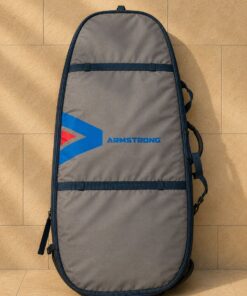
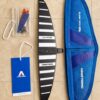

Used Armstrong FG 88L Board — 5’5″ Forward Geometry Wing SUP Foil Board, Carbon Construction, Stability, Glide, and Responsive Foiling Performance
Used Armstrong FG 88L Board Design, Forward Geometry, Construction, Stability, Glide, and Foiling Performance
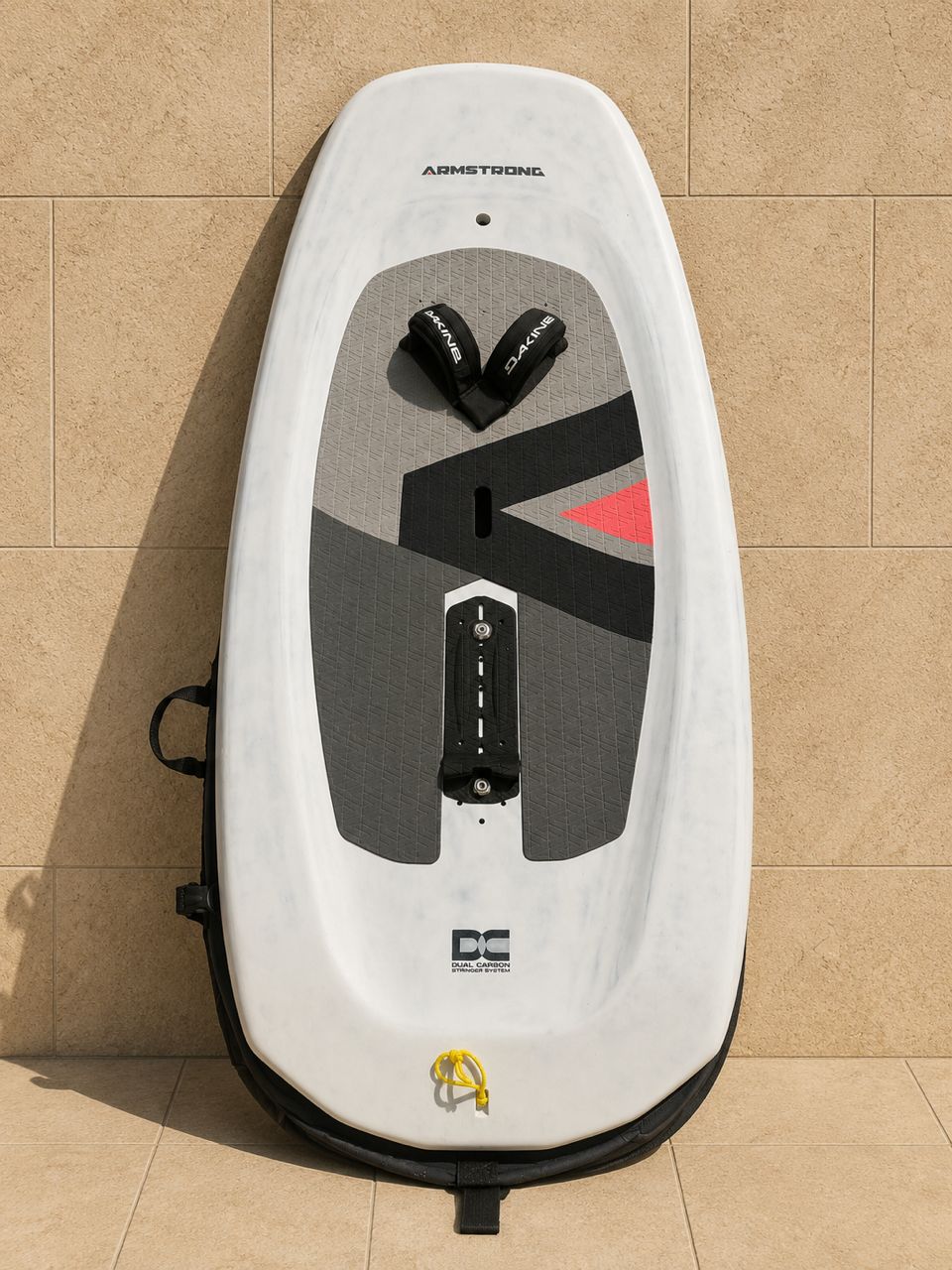
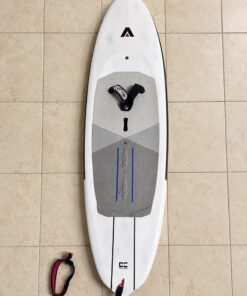
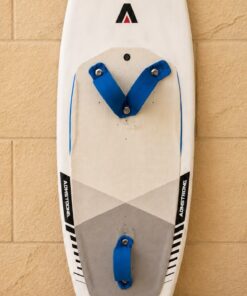
The Used Armstrong FG 88L Board is the 5’5″ 88-liter version of Armstrong’s earlier Wing SUP Forward Geometry foil-board platform. Published specifications for this generation list dimensions of approximately 5’5″ x 27″ x 4.75″, 88 liters of volume, and an approximate deck-pad-equipped weight range of 5.8–6.3 kg.
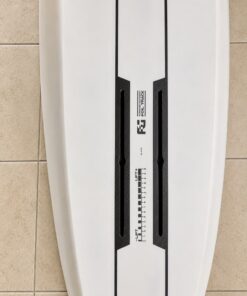
Its Forward Geometry design moved the foil tracks farther forward than conventional layouts to reduce rotational swing weight and create a more responsive connection between rider and foil. The board also incorporates a recessed deck, chisel-style nose, pronounced chines, an extended waterline, carbon mast tracks, dual carbon stringers, PVC reinforcement, carbon fiber, and Dyneema-based construction.
For a used example, condition is especially important. The deck, rails, nose, tail, mast-track area, footstrap inserts, carry handle, and any previous repair zones should be inspected carefully. Cosmetic scratches may be acceptable, but cracks, soft areas, water intrusion, damaged foil tracks, or structural repairs deserve closer examination.
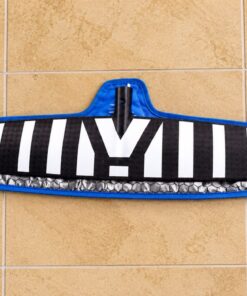
HA Front Foil
An HA Front Foil can complement an efficient board by emphasizing glide and pumping performance. Armstrong currently describes its HA range as combining pumping ability, glide, and responsive turning.
Armstrong Foils
Armstrong Foils develops boards, front foils, stabilizers, masts, fuselages, and wings for disciplines including wing, surf, downwind, pump, and assisted foiling.
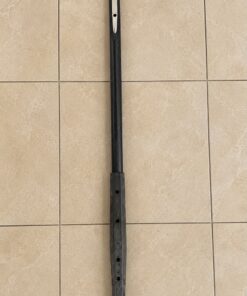
Armstrong Integrated Foil Masts Price
The current Armstrong integrated foil masts price is approximately $1,999.99 USD for both the Foil Drive Foil Assist Integrated Carbon Mast and E-Foil Integrated Carbon Mast on Armstrong’s official site.
Armstrong Foil Board
An Armstrong foil board is designed around direct mast connection, controlled water release, and responsive foil handling. The 88L FG uses a forward-mounted track layout intended to reduce swing weight.
Surf Foil Board
A surf foil board is generally shorter and more maneuverable than a large SUP-oriented foil board. Although the 88L model can offer responsive foiling characteristics, its higher volume makes stability and flotation greater priorities.
Armstrong Downwind Board
An Armstrong downwind board is longer and narrower than this 88L Wing SUP shape. Current Downwind models prioritize waterline efficiency and early acceleration for downwind starts.
Armstrong Midlength
The Armstrong Midlength family sits between compact surf-oriented boards and long downwind shapes. Armstrong describes the Midlength as combining glide, stability, and maneuverability.
Armstrong Downwind Foil
An Armstrong downwind foil is generally selected for efficient glide, speed, and connecting energy over longer distances. Board and foil compatibility should be matched to rider weight, skill, and conditions.
Armstrong Mid Length Board
An Armstrong mid length board typically offers more glide than a compact board while remaining considerably shorter than a dedicated downwind platform.
Armstrong Downwind Boards
Armstrong downwind boards use longer waterlines and narrower outlines to improve acceleration through the water before takeoff.
Wing Foil Front Wing
A wing foil front wing should be selected according to rider weight, conditions, skill level, and desired balance between lift, speed, glide, and turning response.
HA Front Foil for Sale
An HA Front Foil for sale search may lead to Armstrong’s current HA series, which presently starts at approximately $799.99 USD on the official website.
Kite Armstrong
The phrase kite Armstrong commonly relates to Armstrong equipment used in kite foiling or other wind-powered foil disciplines.
Armstrong Foil Boards
Armstrong foil boards currently include Wing FG, Surf, Midlength, Downwind, wake, and performance-oriented shapes.
Surf Foil
Surf foil riding uses wave energy while the board rises above the water on a hydrofoil. Board volume, length, rocker, and foil placement strongly influence takeoff and control.
Armstrong Foiling
Armstrong foiling equipment spans wing, surf, downwind, wake, pump, kite, and powered foil applications.
Foiling Board
A foiling board provides the structural platform that connects the rider to the mast and hydrofoil. Mast-track integrity is therefore one of the most important inspection areas on any used board.
Armstrong Foils for Sale
When researching Armstrong foils for sale, compatibility between mast, fuselage, stabilizer, and front foil matters more than simply choosing components by size.
Foiling Boards
Different foiling boards emphasize different priorities. Higher-volume boards generally improve flotation and stability, while smaller boards can reduce swing weight and feel more responsive once airborne.
Surf Foilboard
A surf foilboard normally favors compact dimensions and maneuverability. The 88L FG is larger because its design also supports wing and SUP-oriented stability.
Armstrong Performance Mast
The current Armstrong Performance Mast family includes the Performance Mk II Carbon Mast starting around $1,649.99 USD and Performance-X Carbon Mast starting around $2,349.99 USD.
Armstrong Wing
An Armstrong wing provides wind power for wing foiling and can be paired with a suitable board and foil according to rider weight and wind strength.
Surf Foil Boards
Surf foil boards usually prioritize low swing weight, responsive rail-to-rail movement, and efficient paddling or wave entry depending on the shape.
Armstrong Wings
Armstrong wings form part of the brand’s broader wind-foiling equipment range alongside boards and hydrofoil components.
Armstrong Fuselage
An Armstrong fuselage connects the mast to the front foil and stabilizer. Armstrong’s current range includes an Alloy Fuselage and Titanium Core Fuselage.
Armstrong V1 Downwind Board
An Armstrong V1 downwind board represents an earlier generation of the brand’s long, efficient downwind-focused foil-board development.
Armstrong Integrated Foil Masts Price 2025
For Armstrong integrated foil masts price 2025, historical pricing can vary by retailer and release period. As of August 2026, Armstrong officially lists its Foil Drive integrated carbon mast models at $1,999.99 USD, so archived 2025 prices should be treated separately.
Foil for SUP
A foil for SUP should provide suitable lift and stability for the rider, board volume, paddling conditions, and intended discipline.
The 88L board’s original Wing SUP positioning reflects its ability to provide more flotation than Armstrong’s smaller surf-oriented boards.
Armstrong Wing Foil
An Armstrong wing foil setup combines a board, mast, fuselage, front foil, stabilizer, and handheld wing into one complete foiling system.
Armstrong Downwind Foil Board
An Armstrong downwind foil board generally uses a much longer and narrower shape than this 5’5″ 88L platform. That additional waterline helps the board accelerate efficiently before foil takeoff.
Hydrofoil Front Wing
The hydrofoil front wing generates most of the lift beneath the water. Its surface area, aspect ratio, profile, and span strongly influence low-speed lift, glide, speed, and turning characteristics.
Front Foil
The front foil is one of the most influential components in overall foil behavior. Larger or lower-speed-oriented designs generally emphasize easier lift, while higher-aspect designs can prioritize glide and efficiency.
Hydrofoil Lift Stability
Hydrofoil lift stability depends on the complete system, including front foil, stabilizer, mast stiffness, fuselage length, rider position, foil-track placement, board balance, and water conditions.
Why the 88L Volume Matters
The 88-liter volume provides useful flotation without moving into the significantly larger 99L, 115L, or 132L sizes that were offered in the same generation. Published Armstrong sizing guidance historically placed the 88L size as a useful intermediate option for riders whose weight and ability allowed them to use less volume while retaining meaningful stability.
For many riders, this balance between volume and compact length is the board’s central advantage.
How Forward Geometry Improves Handling
The Forward Geometry concept places the foil tracks farther forward and therefore reduces the amount of board extending ahead of the mast.
This reduces rotational swing weight once airborne and can create a more direct, responsive feeling during carving and directional changes. Armstrong continues to use the same fundamental concept in newer FG designs.
Why the Recessed Deck Is Important
The recessed deck lowers the rider relative to the mast connection.
This can create a more connected feeling because the rider stands closer to the foil system.
Additionally, the through-deck carry handle on this generation doubles as a drainage route for water collecting in the recessed area.
How the Bottom Shape Helps Takeoff
The board uses an extended waterline, chisel-style nose, aggressive nose rocker, double-concave transition, tail release, and pronounced chines.
Together, these features were designed to promote acceleration, reduce drag as speed builds, and make touchdowns less likely to catch abruptly.
Where the Board Works Best
The board is particularly well suited to wing foiling and SUP-oriented foil use where riders want more stability than a small surf board but still value responsive handling once airborne.
Its 5’5″ length also makes it significantly more compact than modern dedicated downwind shapes.
When an 88L Board Makes Sense
An 88L platform makes the most sense when the rider’s weight, experience, wind conditions, and foil setup allow that amount of flotation to provide sufficient stability.
A heavier beginner may prefer more volume, while an experienced lighter rider may choose substantially less.
Therefore, volume should always be matched to the rider rather than treated as a universal recommendation.
How Good Is the Board for Precision and Control?
In foiling, “precision” means predictable connection between rider input and foil response rather than projectile accuracy.
The forward mast placement, recessed deck, carbon tracks, dual carbon stringers, and compact 5’5″ outline all contribute to a direct riding feel.
However, actual control still depends heavily on mast stiffness, foil choice, rider stance, conditions, and setup.
Important Information When Buying Used
A used 88L board should be checked carefully around the carbon mast tracks, because this area carries significant foil loads.
Inspect the deck for soft spots, the rails and nose for repaired impacts, the tail for cracks, and the board for signs of water ingress.
Also inspect footstrap inserts and the recessed deck.
Published examples confirm the genuine 88L FG size as approximately 5’5″ x 27″ x 4.75″, so those dimensions are useful when identifying the correct model.
Overall, a well-maintained used Armstrong FG 88L remains an interesting choice for riders who value a compact wing/SUP foil platform with meaningful flotation, carbon-reinforced construction, forward foil placement, strong stability, and a responsive feel once on foil.
Stability, Takeoff Efficiency, Foil Connection, Handling Balance, and Practical Riding Performance
Overall Stability on the Water
An 88-liter board provides a useful balance between flotation and compact handling.
Before takeoff, stability depends on rider weight, stance width, water conditions, and how evenly weight is distributed across the deck.
A rider who keeps pressure centered over the board will generally find it easier to maintain balance while preparing to accelerate.
However, choppy water, gusty wind, and poor foot placement can still make a compact board feel more demanding.
For that reason, stability should always be judged in relation to the rider rather than by volume alone.
Why Volume Matters
Board volume determines how much flotation is available before the foil begins generating lift.
More volume can make starts easier and provide additional support during slower movement.
However, excessive volume can also make a board feel larger and less responsive once airborne.
A medium-volume design can therefore offer a practical compromise between water stability and foiling control.
The correct choice depends on body weight, skill level, and the conditions in which the board will be used most often.
Waterline Efficiency
The board’s waterline plays an important role during acceleration.
Before takeoff, the hull needs to move efficiently through the water without creating unnecessary drag.
A longer effective waterline can help the board build speed more smoothly.
As speed increases, cleaner release from the tail becomes important because excessive suction can delay takeoff.
Efficient water movement helps convert rider input and wing power into forward acceleration rather than wasted resistance.
Early Takeoff Behavior
Early takeoff depends on several factors working together.
The board must accelerate, the foil must generate enough lift, and the rider must maintain correct balance.
The board itself should release cleanly from the water when speed becomes sufficient.
A compact shape with efficient bottom contours can help reduce the amount of effort required to transition from displacement mode to foiling.
However, foil size, rider technique, and wind strength remain equally important.
Recessed Deck Control
A recessed deck lowers the rider closer to the foil system.
This can create a more connected feeling because the rider is positioned nearer to the mast and front wing.
A lower stance may also improve feedback during small balance corrections.
When the board begins to rise, subtle shifts in pressure can be transmitted more directly through the deck.
This can make the board feel responsive without requiring exaggerated body movement.
Foot Position Consistency
Consistent foot placement is essential for predictable handling.
The rider should become familiar with where the board feels most balanced during both takeoff and flight.
Moving too far forward can suppress foil lift, while moving too far rearward can make the nose rise aggressively.
The goal is to find a neutral stance that can be repeated.
Once the ideal position is understood, takeoffs and touchdowns generally become easier to control.
Mast Track Condition
The mast-track area should remain structurally sound because it carries significant loads while foiling.
A used board should be checked carefully for cracking, soft spots, movement, or visible repairs around this area.
The track should remain firmly bonded to the board.
Any movement between the track and surrounding laminate can indicate structural damage.
Because mast loads transfer directly through this region, its condition is more important than minor cosmetic marks elsewhere on the board.
Mast Position and Balance
Mast position has a major influence on how the board feels.
A position that is too far forward can create excessive front-foot pressure.
A position that is too far rearward can require more rear-foot pressure to control lift.
Small changes in mast placement can therefore affect takeoff timing, pitch balance, and turning feel.
Adjustments should be made gradually and tested under similar conditions so the rider can identify the effect of each change.
Foil Connection
A secure connection between the board and foil is essential.
Mounting hardware should remain clean and correctly tightened.
Loose hardware can create movement that affects control and may eventually damage the mast tracks.
The connection should be checked periodically, especially after transport or hard touchdowns.
Excessive tightening should also be avoided because it can damage hardware or track components.
A firm, properly maintained connection supports predictable foil behavior.
Turning Response
Once airborne, a compact board can respond quickly to rider input.
Reduced swing weight allows the nose and tail to move with less resistance during carving.
This can make directional changes feel smoother and more immediate.
However, turning performance still depends strongly on the foil system.
Front wing span, stabilizer size, mast stiffness, and fuselage length all influence how quickly the complete setup reacts.
The board contributes to the response but does not determine it alone.
Pitch Control
Pitch control refers to managing the nose-up and nose-down movement of the board while foiling.
A stable stance and properly positioned mast can make this easier.
The rider should avoid making large sudden weight shifts.
Small, controlled adjustments are generally more effective.
A compact board can react quickly, so exaggerated movements may cause unnecessary instability.
Developing smooth pressure control allows the rider to maintain a more consistent ride height.
Touchdown Recovery
Touchdowns are a normal part of foiling.
A well-designed nose and bottom shape can help the board recover instead of immediately stopping when it contacts the water.
The rider should remain balanced and allow the board to regain speed.
Sharp or abrupt corrections can make recovery more difficult.
The condition of the nose and rails also matters because damaged surfaces can change how water releases during contact.
Rail Shape and Water Release
Rail geometry influences how the board behaves during touchdowns and directional changes.
Pronounced chines can reduce the likelihood of a rail catching aggressively in the water.
Clean water release is especially useful when the board briefly reconnects with the surface during a turn.
However, damaged or heavily repaired rails may alter this behavior.
A used board should therefore be inspected for smoothness and structural integrity along both sides.
Tail Release
The tail should release water cleanly as the board accelerates.
If water remains attached to the tail for too long, drag can increase.
A defined tail shape helps reduce this resistance.
The rear section should also be checked for impact damage because cracks or repairs around the tail may affect structural strength.
Even if cosmetic damage appears minor, soft areas or water intrusion should be investigated carefully.
Nose Protection
The nose often receives impact during transportation and failed touchdowns.
It should be checked for cracks, compression damage, or repairs.
A properly repaired nose can remain functional, but any repair should feel solid and dry.
Soft spots may indicate deeper structural damage.
Protecting the nose during transport can reduce the chance of future issues.
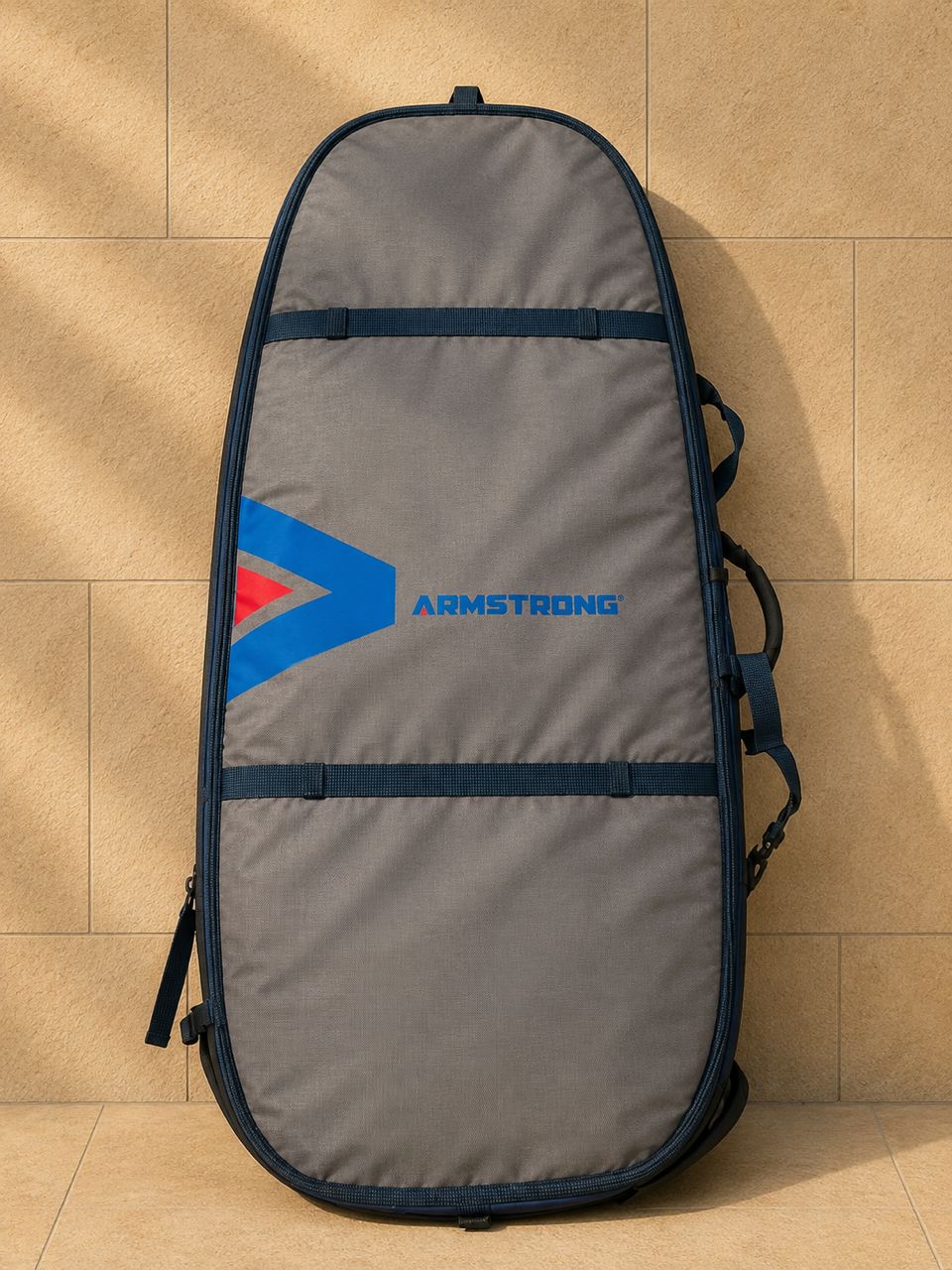
A padded board bag is especially useful when carrying the board with other foil equipment.
Deck Condition
The deck should feel firm across the standing area.
Soft spots can indicate compression damage or separation beneath the surface.
The deck pad should also remain securely bonded.
Loose sections may trap sand or water and can become uncomfortable underfoot.
Because the rider repeatedly applies pressure in the same areas, the standing zone deserves careful inspection on any used board.
Footstrap Insert Condition
If footstraps are used, the inserts should remain secure.
Cracked laminate or movement around an insert can indicate damage.
Screws should engage smoothly and should not be forced.
Overtightening can damage the insert or surrounding laminate.
When straps are removed, unused insert holes should remain protected from contamination.
The rider should inspect these areas periodically because they receive repeated load during pumping, carving, and jumps.
Handling in Light Wind
In lighter wind, efficient water movement becomes especially important.
The rider may need to generate speed gradually before the foil produces enough lift.
A board that glides efficiently can make this process easier.
However, foil size and wing power also have a major influence.
Using a setup that matches the conditions generally produces better results than relying on board characteristics alone.
Handling in Stronger Wind
Stronger wind can make a compact board feel lively and responsive.
However, increased speed also requires controlled stance and stable foil behavior.
The rider should remain centered and avoid excessive movement.
A lower-volume or compact platform may feel easier to manage once airborne because there is less board area exposed to wind.
Still, control depends heavily on rider experience and complete equipment setup.
Chop and Rough Water
Choppy water can make starting more difficult because the board is constantly being disturbed.
Stable foot placement and smooth acceleration become particularly important.
The rider should avoid standing too far toward one rail.
Once on foil, the board itself spends less time interacting with the surface, but touchdowns can still be influenced by chop.
A compact shape can feel responsive, but stability before takeoff remains the main challenge.
Used Board Inspection
A used board should be inspected thoroughly before regular use.
The mast tracks, deck, rails, nose, tail, carry handle, footstrap inserts, and previous repairs deserve particular attention.
The board should feel structurally solid without unusual flex or soft areas.
Visible water damage or unexplained weight gain can indicate moisture inside the construction.
Cosmetic scratches are common, but structural damage should always be evaluated more seriously.
Transport Protection
The board should be transported in a padded bag whenever practical.
The foil should normally be removed for transport so unnecessary leverage is not placed on the mast tracks.
Loose hardware and sharp foil components should be kept separate from the board surface.
The nose, rails, and tail should be protected from impact.
Careful transport helps preserve both appearance and structural condition.
Storage Conditions
The board should be stored in a cool, dry environment away from excessive heat and direct sunlight.
Prolonged heat can affect materials, adhesives, and internal pressure.
The board should be rinsed after saltwater use and allowed to dry before being placed in a closed bag.
Storage on padded supports can also help prevent unnecessary pressure points.
Good storage practices contribute significantly to long-term condition.
Long-Term Practical Performance
Long-term performance depends on structural condition, proper foil mounting, controlled handling, and regular inspection.
The mast tracks, deck, rails, inserts, nose, tail, and previous repair areas should all be monitored over time.
Changes in stiffness, unusual creaking, visible cracking, or soft areas should not be ignored.
When the board is matched with an appropriate foil, protected during transport, stored properly, and kept structurally sound, it can continue to provide stable takeoffs, responsive foil control, efficient glide, and dependable handling over extended use.
Glide Efficiency, Turning Control, Takeoff Technique, Structural Care, and Long-Term Riding Confidence
Glide Efficiency
Glide efficiency determines how smoothly the board carries speed across the water before takeoff and how effectively momentum is maintained during transitions.
A board with balanced volume, clean water release, and a well-matched foil can accelerate without feeling unnecessarily sticky.
However, glide is influenced by more than board shape alone. Rider weight, foil size, mast position, water texture, and wing power all contribute.
For consistent performance, the complete setup should be balanced so the board moves forward efficiently without excessive resistance.
Acceleration Before Takeoff
Smooth acceleration makes foil takeoff easier to control.
The rider should build speed progressively rather than relying on abrupt movements.
As the board gains momentum, the foil begins generating more lift.
A stable stance helps keep the board tracking cleanly while speed increases.
If the rider shifts weight too aggressively, the board may lose direction or create unnecessary drag.
Controlled acceleration usually produces a cleaner transition onto foil.
Why Controlled Takeoff Matters
A predictable takeoff helps the rider maintain balance and reduces unnecessary correction once airborne.
If the nose rises too quickly, the setup can become unstable.
If the rider remains too far forward, lift may be delayed.
A smooth takeoff depends on matching body position with foil lift.
The board should rise progressively while the rider maintains stable pressure through both feet.
Developing this timing improves confidence and makes repeated starts more efficient.
Front-to-Back Balance
Front-to-back balance is central to foil control.
Too much front-foot pressure can keep the board close to the water, while too much rear-foot pressure can cause the foil to rise aggressively.
The goal is to maintain a neutral position where the board feels supported without constant correction.
Small changes in stance can have a noticeable effect.
For this reason, riders should become familiar with the exact foot positions that produce the most stable balance.
Side-to-Side Stability
Lateral balance is equally important.
The rider should avoid placing excessive pressure on one rail unless intentionally turning.
Before takeoff, uneven pressure can make the board roll or track poorly.
Once airborne, unnecessary side-to-side movement can create instability.
A relaxed stance with knees slightly flexed allows the rider to respond more smoothly to water movement and changes in foil lift.
Turning Control
Turning performance depends on how efficiently the rider transfers pressure through the board into the foil.
A compact platform can respond quickly, especially when paired with a maneuverable foil setup.
The rider should initiate turns progressively rather than forcing the board into abrupt movement.
Smooth body rotation, controlled foot pressure, and stable mast alignment generally produce cleaner carving behavior.
The board itself contributes to responsiveness, but foil geometry remains a major factor.
Carving Feel
A responsive board can make carving feel direct because there is less excess length creating swing weight ahead of the mast.
This can help the board follow the foil more naturally during directional changes.
However, the rider still needs to remain balanced through the turn.
Too much pressure applied suddenly can cause the foil to lose stability.
A smoother carving style generally preserves speed and creates more predictable exits from each turn.
Pumping Rhythm
Pumping requires coordinated movement between the rider and the foil.
The board should follow the foil without feeling excessively heavy or delayed.
Compact dimensions can help reduce rotational mass, which may make pumping feel more responsive.
Still, effective pumping depends heavily on timing.
The rider should use controlled body movement rather than large, inefficient motions.
A consistent rhythm helps maintain lift while reducing unnecessary fatigue.
Touchdown Recovery
Touchdowns happen when the board briefly contacts the water while riding on foil.
A clean bottom shape can help the board reconnect with the surface without stopping abruptly.
The rider should remain balanced and avoid panicking when contact occurs.
If forward speed is preserved, the board may rise back onto foil quickly.
Sharp body movement after touchdown can make recovery harder.
Smooth corrections usually work better.
Nose Behavior During Touchdowns
The nose should help the board recover rather than dig deeply into the water.
A shaped nose with appropriate rocker can reduce the chance of an abrupt stop.
However, rider position also matters.
If too much weight is placed forward during touchdown, the nose may engage the water more aggressively.
Maintaining centered body position helps the board skim through contact and regain speed.
Rail Interaction
Rails influence how the board behaves when one side touches the water during a turn or touchdown.
A shaped rail can reduce sudden catching and help the board release cleanly.
The rider should still avoid excessive lean at low speed.
If the board repeatedly catches on one side, mast position, stance, or turning technique may need to be reconsidered.
Structural rail damage should also be inspected because repairs can alter surface shape.
Tail Behavior
The tail plays an important role in water release before takeoff.
As the board accelerates, clean separation from the rear helps reduce drag.
Once airborne, the tail contributes less to direct water interaction, but its shape still affects touchdowns and transitions.
The tail should remain structurally sound.
Cracks, soft areas, or repairs should be inspected carefully because this region can experience impact during use and transport.
Mast Position Awareness
Mast placement changes the balance between front-foot and rear-foot pressure.
Even small adjustments can make the board feel noticeably different.
Moving the mast should be done gradually and tested under similar conditions.
Large changes make it harder to understand what improved or worsened the setup.
Once a balanced position is found, marking the track can help maintain consistency when the foil is removed and reinstalled.
Mounting Hardware Condition
Foil mounting hardware should remain clean, straight, and free from corrosion.
Bolts should thread smoothly without excessive force.
Damaged threads or corroded hardware can compromise the connection.
After saltwater sessions, rinsing hardware with fresh water can help reduce buildup.
Fasteners should be secure, but overtightening should be avoided because excessive force can damage the tracks or surrounding structure.
Track Alignment
The mast tracks should remain straight and firmly bonded.
Any unusual movement, cracking, or separation around the mounting area should be treated seriously.
Because foil loads are concentrated through the tracks, this area deserves regular inspection.
A used board with sound tracks can perform reliably, but structural movement should be professionally assessed before continued use.
Deck Stiffness
The deck should feel firm beneath the rider.
Repeated loading can create compression over time, particularly around the main standing zone.
Soft areas may indicate internal damage or laminate separation.
A board can still look acceptable externally while developing structural weakness beneath the surface.
Pressing gently across the deck during inspection can help reveal inconsistencies.
Any suspicious softness should be evaluated before regular use.
Deck Pad Condition
The deck pad should remain securely bonded and provide consistent traction.
Loose sections can trap water, sand, and dirt.
Raised edges may also become uncomfortable underfoot.
If the pad begins lifting, it should be addressed before the separation spreads.
Maintaining a clean deck pad improves comfort and reduces the chance of slipping during starts, turns, and transitions.
Footstrap Hardware
Footstrap screws and inserts should remain secure.
Threads should engage smoothly without being forced.
If an insert begins rotating or moving inside the board, continued tightening may worsen the damage.
The surrounding laminate should also be checked for cracks.
Riders who regularly use straps should inspect these areas more frequently because repeated load is concentrated around the inserts.
Saltwater Maintenance
Saltwater should be rinsed from the board and hardware after use.
Salt residue can accumulate around foil bolts, inserts, mast tracks, and fittings.
Fresh-water rinsing helps reduce corrosion and buildup.
The board should then be allowed to dry before being stored in a closed bag.
Consistent post-session care can significantly improve the long-term condition of both the board and mounting hardware.
Heat Exposure
Excessive heat should be avoided.
Boards constructed with composite materials can be affected by prolonged exposure to high temperatures.
A closed vehicle in direct sunlight can become extremely hot.
The board should therefore be stored in a shaded, ventilated location whenever possible.
Long-term heat exposure may affect adhesives, laminate integrity, and internal pressure behavior.
Sunlight Protection
Ultraviolet exposure can gradually affect finishes, pads, and composite materials.
Short periods in sunlight during normal use are expected, but leaving the board exposed for extended periods is unnecessary.
When not being used, keeping it covered or inside a protective bag can help preserve appearance and material condition.
The bag itself should not trap excessive heat.
Water Ingress Awareness
Water entering the internal construction can increase weight and contribute to structural problems.
Cracks, punctures, damaged inserts, or poorly sealed repairs can create possible entry points.
A used board that feels unexpectedly heavy should be inspected more carefully.
Any damaged area should be repaired properly before prolonged use.
Ignoring water intrusion can allow the problem to become more difficult to correct.
Repair Quality
Previous repairs are not automatically a reason to reject a used board.
A professionally completed repair can remain structurally reliable.
However, the repaired area should feel firm, smooth, and well bonded.
Uneven surfaces, cracks around the repair, soft spots, or signs of moisture deserve closer examination.
The location of the repair also matters because damage around mast tracks or inserts is more structurally significant than minor cosmetic rail damage.
Transport Routine
Transport should minimize impact and unnecessary pressure on the board.
A padded bag is useful, especially when traveling with masts, foils, tools, or other equipment.
The foil should usually be removed so leverage is not applied to the tracks during transport.
Sharp components should be stored separately.
Good organization reduces the chance of accidental damage to the nose, rails, deck, and tail.
Storage Position
The board should be stored on padded supports rather than against sharp or narrow pressure points.
It should remain dry and protected from excessive heat.
Long-term storage with heavy objects placed on top of the board should be avoided.
If the board is stored vertically, it should be positioned where it cannot fall.
A stable storage arrangement helps preserve both cosmetic and structural condition.
Long-Term Riding Confidence.
Long-term confidence comes from understanding how the board behaves and knowing that its structural components remain sound.
Mast tracks, deck stiffness, rails, inserts, nose, tail, and previous repair areas should all be monitored over time.
Changes in balance, unusual flex, cracking, creaking, or unexplained weight gain should not be ignored.
When the board is maintained carefully, matched with a suitable foil, protected during transport, and stored correctly, it can continue to provide efficient takeoffs, controlled touchdowns, responsive turning, predictable glide, and dependable foiling performance over extended use.
Be the first to review “Used armstrong fg 88l board”
Related products
Used Product
Used Product

Used Product
Used Product
Used Product
Used Product
Used Product
Used Product
Reviews
There are no reviews yet.