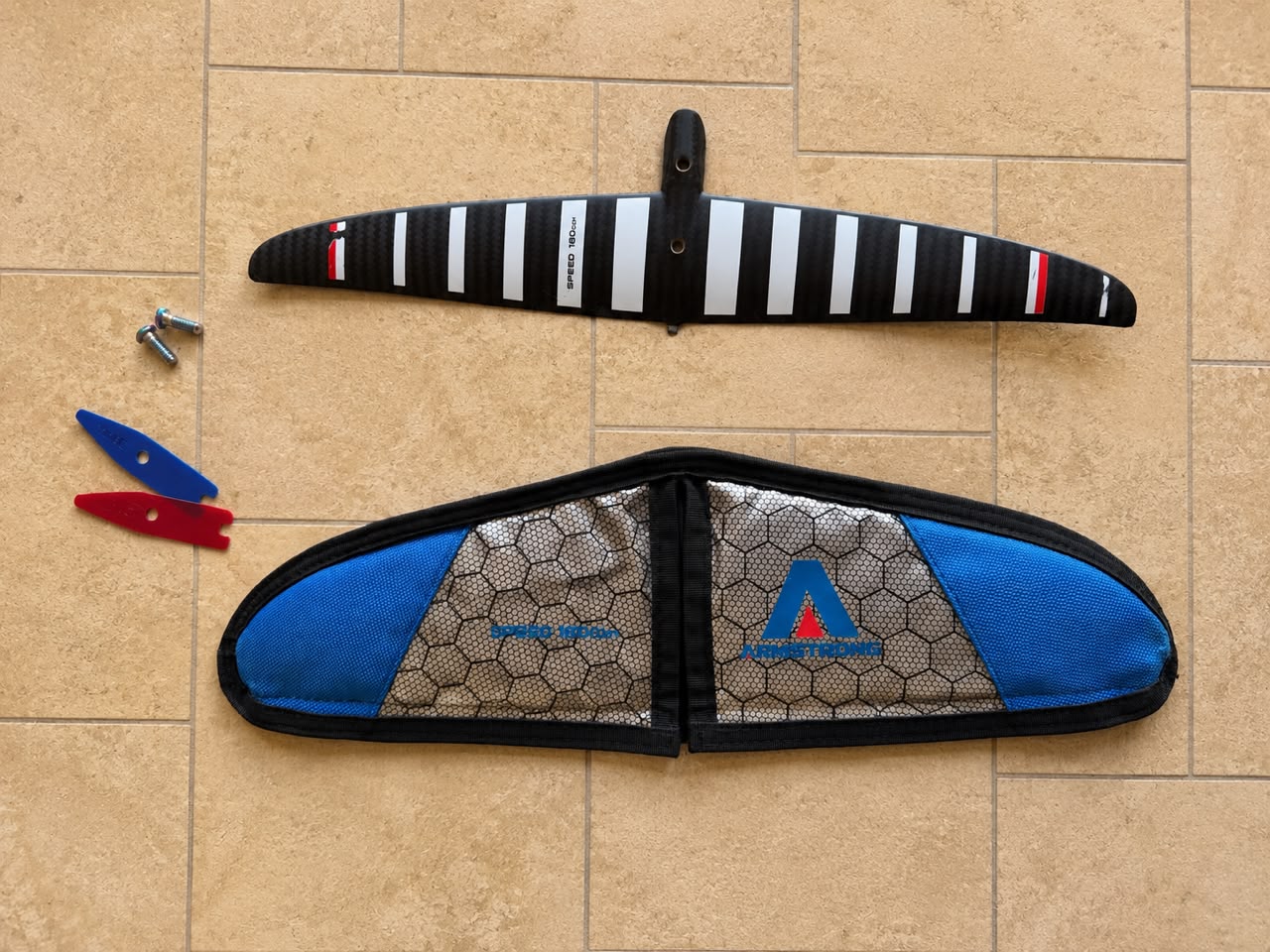


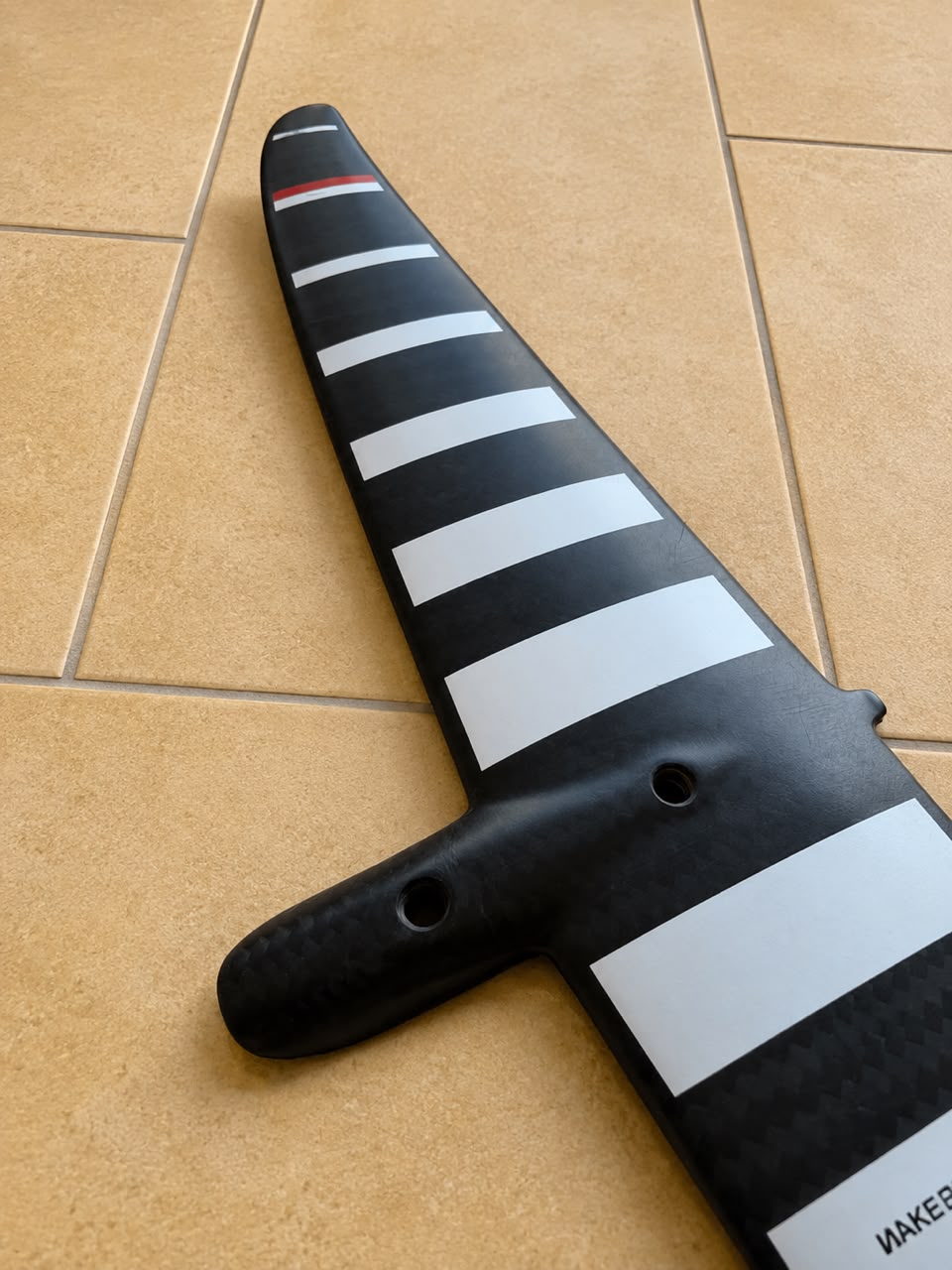

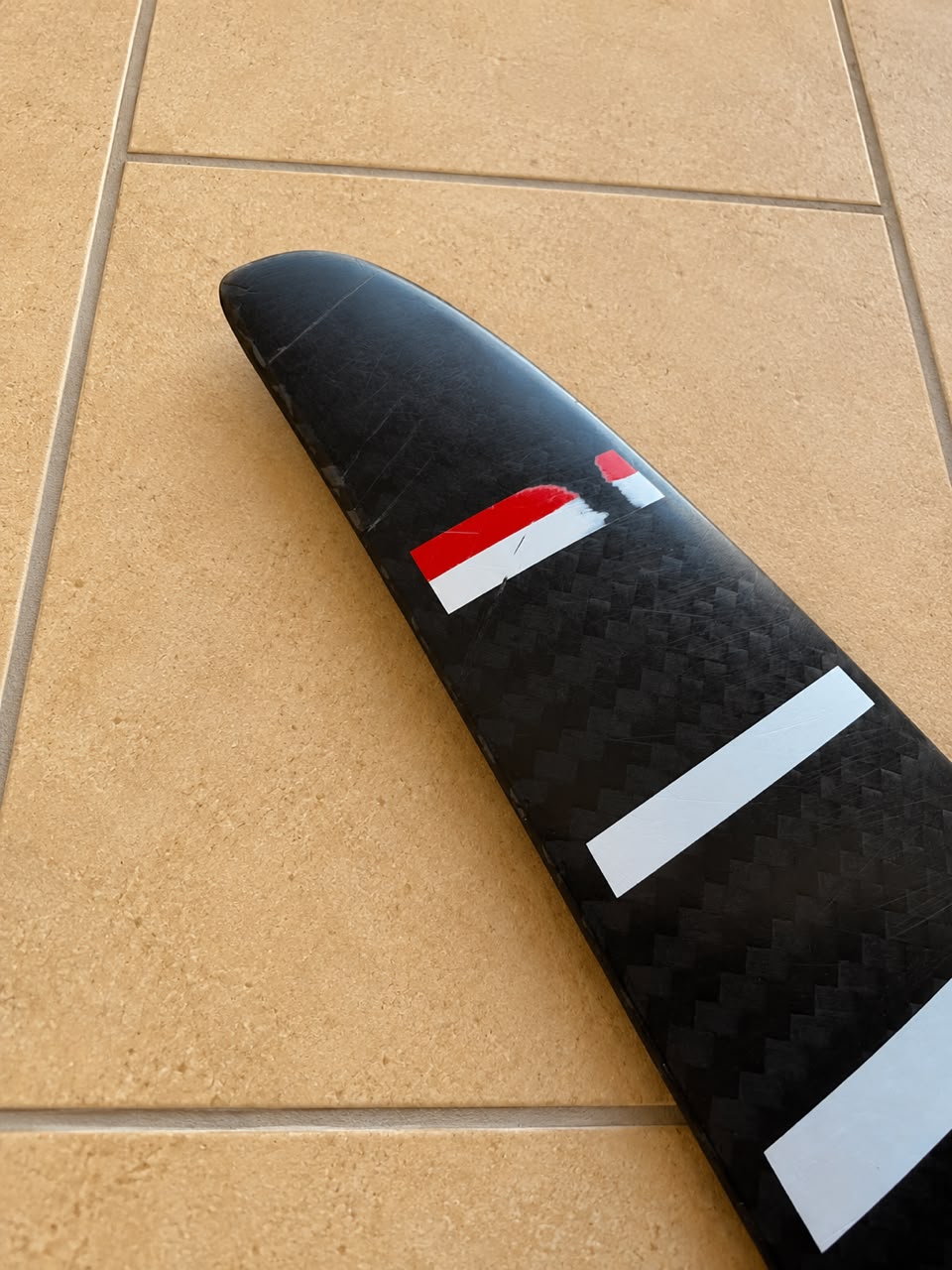


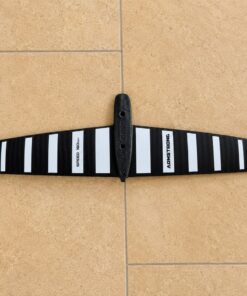
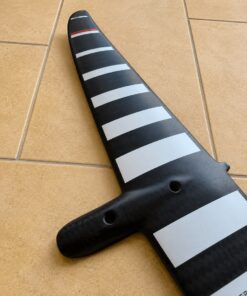


Used Speed 180 Stabilizer


€100.00
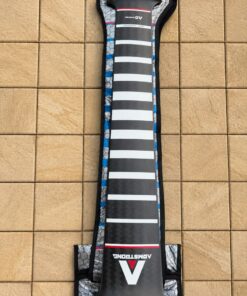
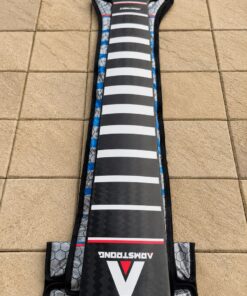
Speed 180 Stabilizer
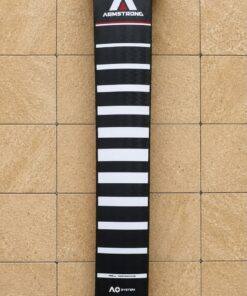
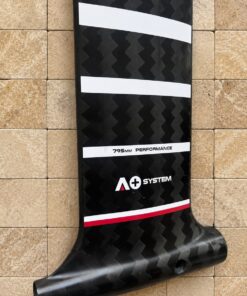
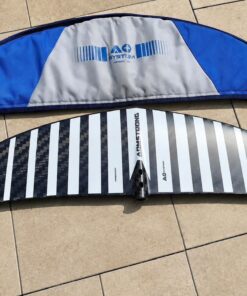
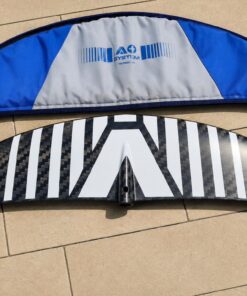
The Speed 180 Stabilizer is a high-performance rear foil engineered to deliver an exceptional combination of speed, efficiency, stability, and maneuverability. Built for riders seeking responsive handling and smooth control, this high-aspect stabilizer is designed to reduce drag while maintaining excellent glide across a wide range of conditions.
Its thin profile and carefully refined shape help improve acceleration, increase efficiency, and provide rapid recovery during demanding maneuvers. As a result, the Speed 180 is well suited for wing foiling, surf foiling, downwind foiling, wake foiling, kite foiling, and pump foiling applications.
Constructed to integrate seamlessly with compatible foil systems, the stabilizer offers a balanced blend of control and responsiveness for riders who want dependable performance in changing conditions. Whether you are looking to maximize glide, improve turning characteristics, or achieve a smoother and more efficient ride, the Speed 180 Stabilizer delivers the precision and versatility expected from premium Armstrong equipment.
Used Speed 180 Stabilizer – High-Aspect Efficiency, Low Drag, Glide, Speed, and Maneuverability
Used Speed 180 Stabilizer Overview, Performance, Compatibility, and Real-World Use
What Is the Speed 180 Stabilizer?
The Used Speed 180 Stabilizer is a high-aspect rear foil developed to combine glide, speed, maneuverability, and controlled pitch response. Armstrong describes it as an all-around stabilizer with a narrow outline, flat rondure, thin foil section, and A+ System compatibility. Its streamlined profile is designed to reduce drag, increase top-end speed, and release trapped air quickly if ventilation occurs near the surface.
Within the wider range of armstrong foils, the stabilizer sits between highly maneuverable smaller options and larger models designed primarily for maximum glide or beginner-friendly stability. Armstrong summarizes the Speed 180 as a design that blends glide with speed and maneuverability, making it suitable for riders who want broad performance rather than a narrowly specialized rear wing.
Why Choose a High-Aspect Stabilizer?
A stabilizer influences pitch balance, turning response, glide, control, and overall foil-system feel. The Speed 180 uses a high-aspect outline, which means its span is emphasized relative to its chord. Consequently, it can deliver efficient lift while limiting unnecessary surface area and drag.
This profile may suit riders who want:
- Efficient glide between sections
- Higher operating speed
- Reduced drag through the water
- Controlled pitch response
- Responsive turning characteristics
- Reliable ventilation recovery
The stabilizer does not operate independently. Instead, its behavior depends on the selected HA Front Foil, hydrofoil front wing, wing foil front wing, or other front foil, as well as the mast, fuselage, board, rider weight, speed, and water conditions.
How the Thin Foil Section Improves Performance
The thin foil section minimizes resistance as water moves across the stabilizer. Therefore, acceleration may feel smoother, top speed may increase, and the complete foil system may maintain momentum more efficiently.
Moreover, Armstrong states that the thin section helps the stabilizer shed air rapidly after ventilation. Ventilation occurs when air reaches the foil section, often because part of the foil approaches or breaks the water’s surface. Rapid recovery can help the foil regain controlled water flow more quickly.
This characteristic contributes to hydrofoil lift stability, particularly during fast carving, pumping, wake crossings, and surface-level maneuvers. However, front-wing selection, mast stiffness, fuselage length, rider input, and shim setup also influence overall stability.
Compatibility with Armstrong Foil Systems
The stabilizer uses Armstrong’s A+ System and is supplied with compatible fastening hardware. The official package includes a protective cover, two Torx M6 17 mm 316L stainless-steel dome-head screws with a rainbow titanium coating, and three polycarbonate Pro Shims.
It is designed to connect to a compatible armstrong fuselage. Riders should confirm that their fuselage generation, screw arrangement, and shim system match the stabilizer before installation.
The Speed 180 may be paired with an armstrong performance mast or a compatible integrated mast setup. However, customers researching armstrong integrated foil masts price or armstrong integrated foil masts price 2025 should understand that the stabilizer is sold separately from the mast unless a retailer specifically advertises a complete package.
Pairing the Stabilizer with a Front Wing
Choosing the correct front wing is essential because the front and rear foils work together as one hydrodynamic system. A larger front wing generally offers earlier lift and lower stall speed, while a smaller or thinner front wing may prioritize speed, responsiveness, and reduced drag.
Riders searching for an HA Front Foil for sale may consider the Speed 180 when building an efficient, glide-oriented setup. A suitable HA Front Foil can complement the stabilizer’s narrow outline and high-speed efficiency, especially for riders who want sustained glide and controlled pumping.
However, the exact combination should be selected according to:
- Rider weight
- Skill level
- Front-wing area
- Riding speed
- Wave or wind strength
- Preferred maneuverability
- Required low-speed stability
Armstrong’s own sizing guidance shows that foil choice involves trade-offs between bottom-end lift, stall speed, maneuverability, top speed, and pitch stability.
Surf-Foiling Applications
The Speed 180 can be considered for surf foil, surf foil board, surf foilboard, and surf foil boards setups where the rider wants efficient glide without sacrificing maneuverability.
When paired with an appropriate armstrong foil board, the narrow stabilizer outline can help riders connect sections, accelerate down the line, and maintain speed through turns. It may also suit experienced riders using compact armstrong foil boards or other performance-focused foiling boards.
Nevertheless, a smaller or more curved stabilizer may feel looser and more reactive, while a larger stabilizer may provide stronger pitch control. Therefore, the Speed 180 occupies a versatile middle position.
Wing-Foiling Performance
For armstrong wing foil sessions, the stabilizer may provide a useful balance between speed, glide, and turning response. Riders using an armstrong wing or different sizes of armstrong wings may appreciate its ability to maintain efficiency as wind strength and board speed change.
The Speed 180 can support powered riding, carving, transitions, and open-water cruising when combined with an appropriate foiling board, mast, fuselage, and front wing.
Because wing foiling can involve rapid acceleration and frequent changes in loading, the thin section and narrow outline may reduce drag while supporting a connected, responsive feel.
Downwind and SUP Foiling
The stabilizer may also be considered for an armstrong downwind board, armstrong downwind boards, or an armstrong downwind foil board. In downwind conditions, efficient glide and low drag are especially valuable because the rider must connect moving swell energy over long distances.
The Speed 180 may complement an armstrong downwind foil setup by helping the system maintain momentum between bumps. Likewise, riders using a foil for sup may value its efficiency once the foil reaches operating speed.
The armstrong v1 downwind board belongs to an earlier generation of downwind equipment, while current board designs may offer different outlines, volume distribution, and takeoff characteristics. Stabilizer choice should therefore be based on the complete setup rather than board name alone.
Midlength Board Compatibility
An armstrong midlength or armstrong mid length board offers a different balance of length, flotation, acceleration, and maneuverability. When paired with the Speed 180, a midlength setup may provide efficient takeoff performance while retaining a fast and responsive foil feel once airborne.
The stabilizer’s low-drag profile can be useful for riders who want a broad operating range across wing, surf, and assisted foiling. However, board volume and length primarily affect takeoff and surface handling, while the stabilizer becomes more influential after the foil is flying.
Wake, Tow, Kite, and Pump Use
The Speed 180 may also suit wake, tow, kite, and pump-foiling disciplines. Riders searching for kite armstrong equipment may appreciate the stabilizer’s speed potential and reduced drag during powered riding.
Likewise, wake and tow riders may benefit from its maneuverability and fast ventilation recovery when carving aggressively or riding close to the surface.
During pump foiling, the stabilizer’s efficiency may help preserve momentum. Nevertheless, larger glide-focused rear wings can provide different low-speed characteristics, while smaller models may feel more agile.
Understanding Boards, Foils, and Complete Packages
The Speed 180 is a stabilizer only. It is not an armstrong foil board, mast, fuselage, front wing, or complete foil package.
Customers browsing armstrong foils for sale should verify whether a listing includes:
- The stabilizer
- Protective cover
- Mounting screws
- Pro Shims
- Fuselage
- Mast
- Front wing
- Board
- Tool kit
Likewise, listings for armstrong foils, armstrong foiling, armstrong foil boards, or complete systems may bundle several components, whereas the official Speed 180 package includes the stabilizer, cover, screws, and shims.
Why the Speed 180 Is an Important Setup Component
The rear stabilizer is small compared with the front wing, yet it strongly influences the complete system. The Speed 180 can affect pitch control, turning character, glide, speed, and ventilation recovery.
Its high-aspect outline, flat rondure, and thin foil section are intended to provide an efficient all-around experience. Therefore, riders who want a versatile rear foil for changing conditions may find it more adaptable than a highly specialized stabilizer designed only for maximum glide or maximum maneuverability.
Ultimately, the Speed 180 Stabilizer is designed for riders who want efficient performance across multiple disciplines. When correctly matched with the rider, hydrofoil front wing, mast, armstrong fuselage, board, and conditions, it can deliver a balanced combination of speed, glide, maneuverability, and controlled hydrofoil lift stability.
Design Principles, Performance Characteristics, Maintenance Procedures, and Long-Term Durability
Understanding the Purpose of a Rear Stabilizer
A rear stabilizer performs a crucial role within a hydrofoil system because it helps regulate balance, control, lift distribution, turning response, and overall handling characteristics. Although it is considerably smaller than the primary lifting surface, its influence on performance is substantial.
Every adjustment made to the rear section has the potential to change the way the entire setup behaves. Consequently, experienced riders often devote considerable attention to selecting the correct combination of components.
A carefully balanced setup frequently improves efficiency while creating a more predictable and enjoyable experience on the water.
Why Shape and Profile Matter
The shape of a stabilizer directly influences speed, control, responsiveness, and maneuverability. Designers carefully evaluate span, thickness, curvature, and surface area because each characteristic affects water flow differently.
Several factors contribute to overall performance:
- Aspect ratio
- Surface area
- Curvature
- Thickness profile
- Water flow efficiency
- Structural rigidity
Since every rider has unique preferences, selecting the ideal configuration often requires experimentation and adjustment.
How Drag Influences Efficiency
Reducing drag remains one of the primary objectives of modern foil development. Lower drag allows the entire system to maintain speed more efficiently while conserving momentum across varying conditions.
Several factors influence drag:
- Surface smoothness
- Water conditions
- Riding speed
- Equipment configuration
- Component alignment
- Rider technique
Even relatively small adjustments may create noticeable differences in handling characteristics.
Understanding Lift, Balance, and Stability
Lift and stability work together continuously throughout every session. While one component contributes significantly to upward force, another influences control, balance, and responsiveness.
Several elements contribute to improved stability:
- Consistent weight distribution
- Proper equipment alignment
- Stable body positioning
- Controlled movements
- Appropriate environmental awareness
Because these elements interact constantly, a balanced approach frequently produces the best results.
Environmental Conditions and Their Effects
Environmental conditions should always be evaluated carefully because changing conditions may influence handling characteristics significantly. Water movement, wind direction, and surface conditions all deserve careful attention.
The following factors should always be considered:
- Wind strength
- Wave size
- Water depth
- Current intensity
- Surface texture
- Visibility conditions
Understanding these variables often allows riders to make more informed decisions before beginning a session.
The Importance of Proper Maintenance
Routine maintenance contributes directly to long-term reliability. Exposure to saltwater, sunlight, moisture, and sand may gradually affect equipment, and therefore regular inspections remain essential.
Several maintenance practices are frequently recommended:
- Rinse equipment thoroughly with fresh water.
- Remove accumulated sand and salt deposits.
- Dry all components completely.
- Inspect mounting points carefully.
- Protect surfaces during storage.
Although these procedures are relatively simple, they often contribute significantly to improved durability.
Transportation and Storage Recommendations
Transportation procedures should always be approached carefully because repeated movement and environmental exposure may gradually influence structural integrity.
Several precautions are especially important:
- Avoid unnecessary impacts.
- Store equipment in a cool and dry environment.
- Protect surfaces from direct sunlight.
- Inspect equipment regularly.
- Keep all hardware clean and secure.
These habits often help preserve both appearance and performance.
Developing Effective Riding Habits
Long-term improvement is achieved through patience, preparation, and repetition. Riders who establish disciplined routines frequently gain a better understanding of the relationship between balance, efficiency, and control.
Several habits often contribute to steady progress:
- Maintaining consistent positioning
- Refining movement patterns
- Monitoring environmental conditions
- Conducting routine inspections
- Continuing to develop technical knowledge
These practices frequently support both confidence and long-term performance.
Frequently Asked Questions
Why is a rear stabilizer important?
A rear stabilizer contributes significantly to balance, control, maneuverability, and overall riding efficiency.
How does drag influence performance?
Reduced drag frequently improves acceleration, efficiency, glide, and overall responsiveness.
Why should maintenance be performed regularly?
Routine maintenance helps preserve structural integrity while reducing the likelihood of avoidable wear.
How do environmental conditions affect performance?
Wind, currents, water movement, and surface conditions all influence handling characteristics and overall efficiency.
Final Thoughts
Long-term performance depends upon careful preparation, regular maintenance, and continuous learning. Riders who develop effective habits often experience greater control, improved consistency, and increased confidence in changing conditions.
Handling Characteristics, Efficiency, Equipment Care, and Long-Term Ownership
Understanding Real-World Performance
Real-world performance is influenced by a combination of rider technique, environmental conditions, equipment setup, and regular maintenance. Although modern hydrofoil systems are designed to achieve impressive efficiency, their overall behavior depends upon how effectively each component works together.
As experience increases, riders often discover that even minor adjustments can produce significant changes in responsiveness, stability, and control. Consequently, patience and careful observation remain essential throughout the learning process.
A balanced setup frequently provides more predictable handling characteristics while improving overall confidence on the water.
Why Control and Stability Are Important
Control and stability form the foundation of efficient riding. Stable positioning allows riders to react smoothly to changing conditions while maintaining momentum and conserving energy.
Several factors influence overall control:
- Body position
- Weight distribution
- Riding speed
- Equipment alignment
- Water conditions
- Environmental awareness
Because these elements constantly interact with one another, improvements in one area frequently enhance performance in another.
How Efficiency Influences Performance
Efficiency allows momentum to be maintained with less effort. Rather than relying exclusively on power, experienced riders often emphasize timing, balance, and controlled movement.
Several factors contribute to improved efficiency:
- Smooth transitions
- Consistent positioning
- Proper equipment adjustment
- Careful preparation
- Stable environmental conditions
As these techniques are refined, riders frequently experience greater confidence and more predictable results.
Environmental Conditions and Their Influence
Environmental conditions should always be assessed carefully because they affect both performance and durability. Wind speed, wave height, currents, and water temperature all have the potential to influence the overall experience.
Several factors deserve particular attention:
- Wind direction
- Surface texture
- Water movement
- Wave intervals
- Tidal changes
- Visibility conditions
Understanding these conditions often allows riders to prepare more effectively before entering the water.
Maintenance and Equipment Preservation
Every component experiences wear throughout its service life. Therefore, regular maintenance should always be regarded as an essential responsibility rather than an occasional task.
An effective maintenance routine often includes the following steps:
- Wash all exposed surfaces with fresh water.
- Remove sand, salt, and debris.
- Dry components completely.
- Inspect mounting hardware carefully.
- Store equipment in a suitable environment.
Although these procedures require only a limited amount of time, they often provide considerable long-term benefits.
Transportation and Storage Considerations
Transportation and storage procedures should always be performed carefully because excessive heat, moisture, and repeated impacts may gradually affect structural integrity.
Several recommendations frequently help preserve equipment:
- Store equipment in a cool location.
- Protect surfaces from direct sunlight.
- Reduce unnecessary movement during transportation.
- Inspect components regularly.
- Keep storage areas clean and dry.
These precautions often contribute to improved reliability and durability.
Developing Better Riding Habits
Long-term progress rarely occurs immediately. Instead, improvement generally develops through repeated practice, careful preparation, and continuous learning.
Several habits frequently contribute to greater consistency:
- Maintaining balanced positioning
- Practising smooth transitions
- Refining timing and coordination
- Monitoring environmental conditions
- Performing regular maintenance
Over time, these habits often become an important part of continued development.
Frequently Asked Questions
Why is stability so important?
Stability helps riders maintain control while improving comfort, efficiency, and confidence.
Why should environmental conditions be monitored carefully?
Environmental conditions influence performance, safety, and the overall riding experience.
How can long-term durability be improved?
Routine maintenance, careful transportation, and proper storage practices often help preserve equipment.
Why are regular inspections necessary?
Regular inspections allow developing concerns to be identified before they become more serious.
Final Remarks
Long-term success depends upon preparation, patience, and attention to detail. Riders who maintain effective routines often improve reliability, preserve performance, and gain greater confidence as their experience grows.
Advanced Performance Characteristics, Equipment Management, and Riding Development
Refining Technique Through Experience
Experience plays a fundamental role in improving control, efficiency, and confidence. Although advanced equipment contributes significantly to overall performance, the rider’s understanding of balance, timing, and movement ultimately determines how effectively that equipment performs.
As riders spend more time on the water, they often become better at recognizing subtle changes in environmental conditions. Consequently, adjustments become smoother, reactions become faster, and movements become more precise.
Over time, this process of continuous improvement frequently leads to greater consistency and a more enjoyable riding experience.
Why Balance Is Essential
Balance serves as the foundation for efficient movement and predictable handling. Stable positioning allows riders to maintain control while responding effectively to changes in speed, direction, and water conditions.
Several factors influence balance:
- Body posture
- Weight distribution
- Surface conditions
- Riding speed
- Equipment setup
- Environmental awareness
Because these factors constantly interact, improvements in one area often create benefits in another.
Understanding Turning Performance
Turning performance depends upon coordination, timing, and the relationship between multiple components working together simultaneously. Smooth transitions frequently create better results than abrupt movements.
Several elements influence maneuverability:
- Speed entering a turn
- Positioning throughout the maneuver
- Distribution of body weight
- Water conditions
- Equipment alignment
- Overall stability
As experience increases, riders often become more comfortable making smaller and more effective adjustments.
Environmental Awareness and Adaptation
Environmental conditions can change rapidly, and riders should always remain attentive to these variations. Wind strength, wave formation, tidal movement, and visibility conditions all influence the quality of each session.
Several conditions deserve careful consideration:
- Wind speed and direction
- Water movement
- Surface texture
- Tidal activity
- Water temperature
- Weather conditions
A clear understanding of these factors often improves both safety and performance.
Protecting Equipment Between Sessions
Proper care helps preserve performance and prolong the lifespan of important components. Although modern materials provide excellent durability, exposure to sunlight, saltwater, and debris gradually contributes to wear.
Several maintenance practices are widely recommended:
- Wash surfaces thoroughly after use.
- Remove accumulated salt and debris.
- Dry equipment completely.
- Inspect attachment points carefully.
- Store equipment in an appropriate location.
These habits frequently reduce the likelihood of avoidable deterioration.
Transportation and Storage Practices
Transportation procedures should always be performed with care because repeated impacts and environmental exposure may influence structural integrity over time.
Several precautions may help preserve long-term reliability:
- Use protective covers whenever possible.
- Avoid unnecessary impacts during transportation.
- Keep storage areas cool and dry.
- Protect equipment from prolonged sunlight exposure.
- Perform routine inspections.
By following these recommendations consistently, owners often maintain both performance and appearance for extended periods.
Developing Effective Long-Term Habits
Progress is rarely achieved in a single session. Instead, long-term improvement generally results from repetition, observation, and a commitment to continuous learning.
Several habits often support continued development:
- Maintaining consistent routines
- Studying changing conditions
- Refining balance and coordination
- Performing regular inspections
- Protecting equipment carefully
These practices frequently strengthen confidence while promoting steady improvement.
Frequently Asked Questions
Why is experience so important?
Experience helps riders understand how environmental conditions, balance, timing, and equipment configuration influence performance.
Why should equipment be cleaned regularly?
Regular cleaning helps remove salt, moisture, and debris that may contribute to unnecessary wear.
How can long-term reliability be improved?
Long-term reliability is often improved through careful maintenance, appropriate storage procedures, and routine inspections.
Why should environmental conditions be monitored continuously?
Environmental conditions influence safety, efficiency, handling characteristics, and overall performance.
Final Thoughts
Preparation, patience, and consistency remain essential elements of long-term success. Riders who establish disciplined habits often discover that steady improvement leads to greater confidence, more efficient performance, and a more rewarding experience on the water.
Be the first to review “Used Speed 180 Stabilizer”
Related products
Used Product
Used Product
Used Product
Used Product
Used Product
Used Product
Used Product
Used Product
Reviews
There are no reviews yet.