


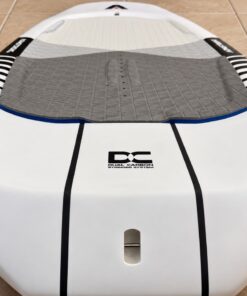
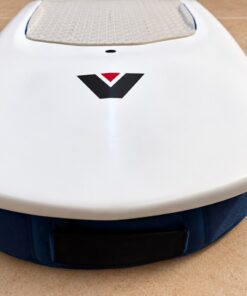
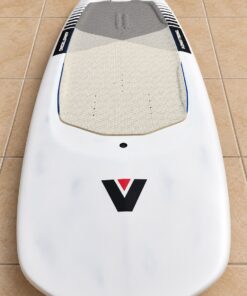

Used Armstrong fg 105L 2025

€990.00
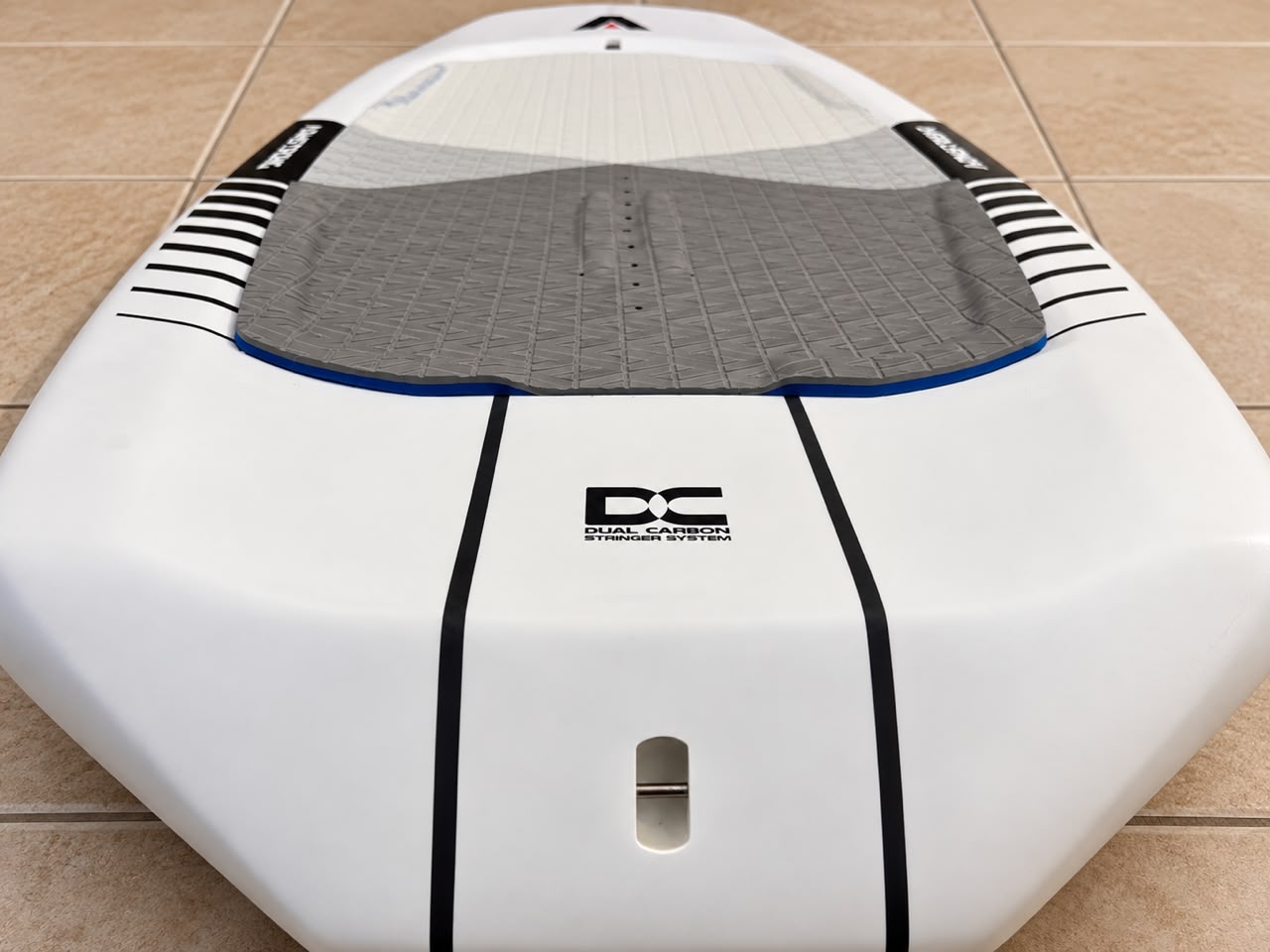
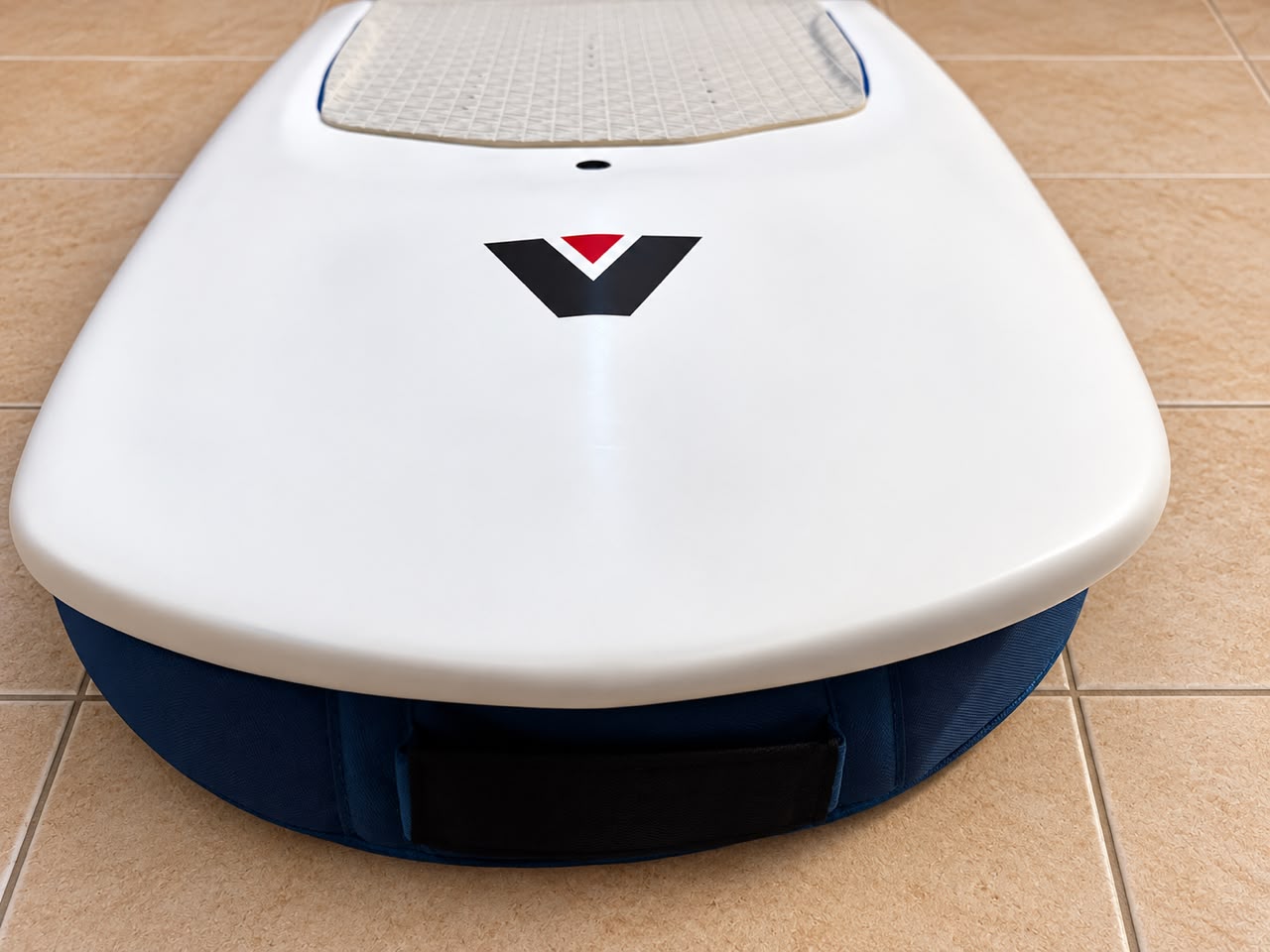
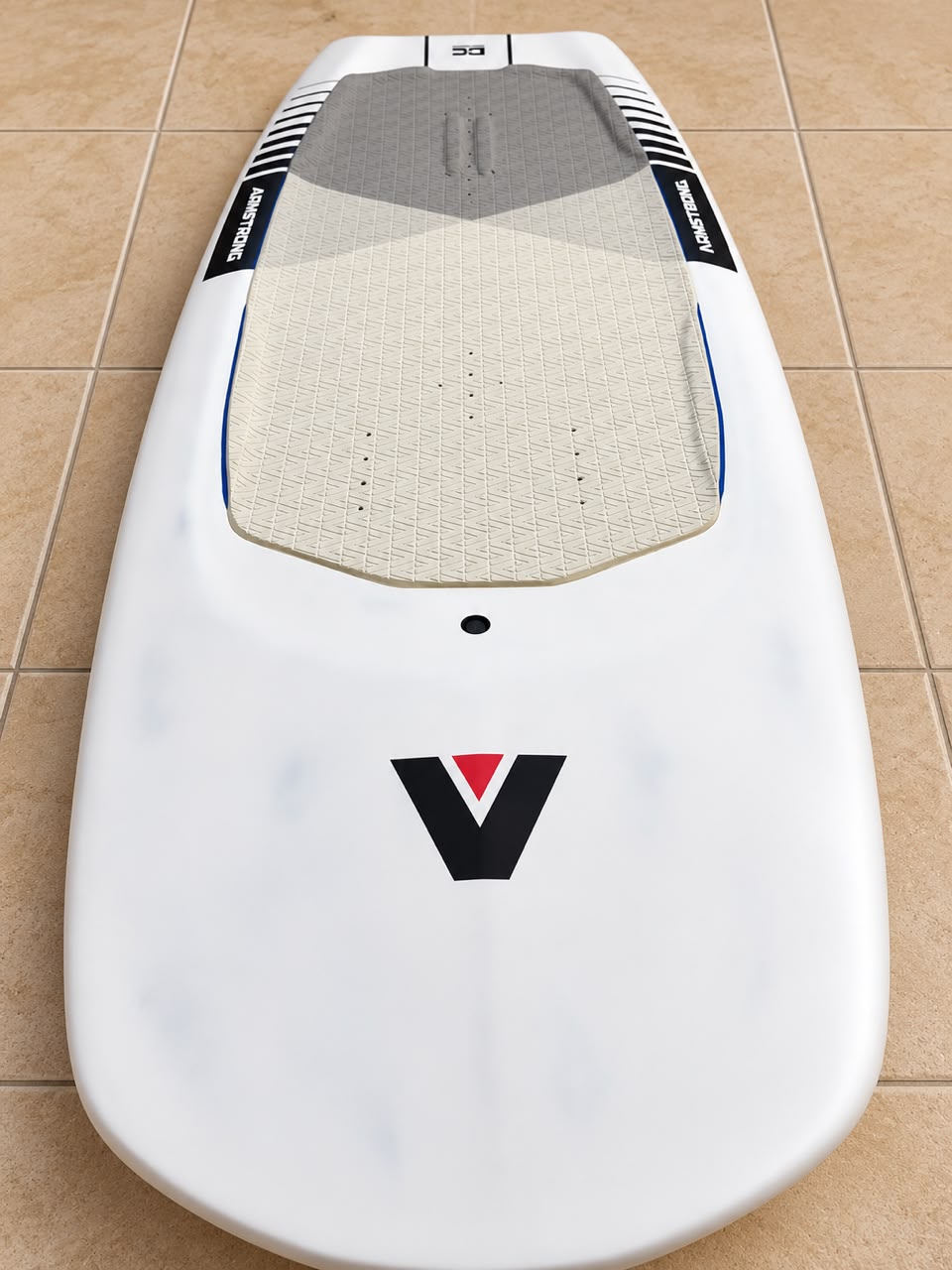
The Used Armstrong FG 105L 2025 is a premium 105L wing foil board designed for stable starts, responsive handling, and efficient lift-off. Built with stiff carbon/PVC sandwich construction, reinforced foil tracks, and Armstrong’s Forward Geometry layout, it delivers direct foil feedback, smooth carving, and confident control on the water. Its 5’8″ length and 25 1/4″ width provide a practical balance of flotation and maneuverability, making it a strong choice for riders seeking performance without sacrificing stability. As a used board, overall structural condition, track integrity, rails, and deck should be checked carefully before purchase.
Used Armstrong FG 105L 2025 – Forward Geometry Wing Foil Board, 105L Stability, Carbon Construction, and Responsive Foiling Performance
Used Armstrong FG 105L 2025 Overview, Construction, Stability, and Foiling Performance
The Used Armstrong FG 105L 2025 is a performance-oriented wing foil board built around Armstrong’s Forward Geometry concept. The 105L version measures approximately 5’8″ × 25 1/4″ × 5″, with a volume of 105 liters and a published weight around 6.7 kg / 14.7 lb. Its dimensions create a balance between flotation, compact handling, and responsive foil control, making it suitable for riders who want enough volume for practical starts without moving to an overly large platform.
The board uses an ultra-stiff double-skin carbon/PVC sandwich, high-density foam, reinforcing structures, Armstrong’s dual I-beam stringer concept, and integrated carbon foil tracks. The Forward Geometry layout moves the foil boxes farther forward, which is intended to improve connection with the foil, maneuverability, and water-release behavior.
HA Front Foil
A HA Front Foil can be paired with this type of board when the rider wants efficient glide and a more performance-focused setup, provided the foil system and mast connection are compatible.
armstrong foils
armstrong foils are designed as part of an integrated ecosystem of boards, masts, fuselages, stabilizers, and front wings.
armstrong integrated foil masts price
Riders researching armstrong integrated foil masts price should compare mast generation, length, construction, and compatibility rather than choosing by price alone.
armstrong foil board
This 105L model is an armstrong foil board specifically designed around wing-foiling performance and Forward Geometry track placement.
surf foil board
Although it has some compact characteristics associated with a surf foil board, this 105L version is primarily positioned as a wing-foil platform rather than a pure surf-foil specialist.
armstrong downwind board
An armstrong downwind board is generally longer and narrower than this 105L model because downwind designs prioritize paddle glide and displacement efficiency.
armstrong midlength
An armstrong midlength platform occupies a different design space, usually prioritizing earlier release and glide through additional length.
armstrong downwind foil
An armstrong downwind foil setup can share components with other Armstrong systems, but the board geometry should always match the intended discipline.
armstrong mid length board
An armstrong mid length board is typically longer and narrower than this compact 105L wing board.
armstrong downwind boards
armstrong downwind boards focus on open-water efficiency, while this board emphasizes responsive wing-foil handling.
wing foil front wing
The choice of wing foil front wing strongly influences lift, glide, turning radius, and overall riding feel.
HA Front Foil for sale
A rider searching for an HA Front Foil for sale should first confirm the front wing’s compatibility with the chosen fuselage and intended riding style.
kite armstrong
The phrase kite armstrong is commonly associated with Armstrong equipment used across foil disciplines, although this board is primarily designed around wing foiling.
armstrong foil boards
armstrong foil boards cover several disciplines, including wing, surf, downwind, and midlength-oriented designs.
surf foil
For surf foil use, riders often prioritize compact dimensions and responsive touchdowns, although board volume requirements vary significantly by rider weight and ability.
armstrong foiling
armstrong foiling equipment is generally designed so boards, masts, fuselages, and wings work together as a coordinated system.
foiling board
As a foiling board, the 105L model is designed to release efficiently from the water and remain connected to the foil once airborne.
armstrong foils for sale
When comparing armstrong foils for sale, buyers should consider generation, condition, compatibility, and intended discipline.
foiling boards
Different foiling boards vary greatly in length, width, volume distribution, rail shape, and foil-box position.
surf foilboard
A dedicated surf foilboard is usually more compact than this 105L wing-focused platform.
armstrong performance mast
An armstrong performance mast can complement the board by creating a stiff connection between the board and foil system.
armstrong wing
An armstrong wing can be paired with this board to create a complete wing-foiling setup.
surf foil boards
surf foil boards prioritize wave handling and compactness, while this board is intended to provide greater flotation and easier wing-powered starts.
armstrong wings
armstrong wings are offered in different sizes and shapes to suit wind strength, rider weight, and riding style.
armstrong fuselage
The armstrong fuselage connects the mast, front wing, and stabilizer, forming the central structural link of the foil system.
armstrong v1 downwind board
An armstrong v1 downwind board belongs to a different design generation and discipline, with significantly longer proportions than the 105L wing platform.
armstrong integrated foil masts price 2025
Searches for armstrong integrated foil masts price 2025 should account for mast generation, construction, and condition because pricing can vary widely.
foil for sup
A foil for sup often requires greater low-speed lift and stability than a compact high-performance setup.
armstrong wing foil
The armstrong wing foil ecosystem allows riders to combine different front wings, stabilizers, fuselages, and masts depending on conditions.
armstrong downwind foil board
An armstrong downwind foil board is generally optimized for paddle efficiency and open-water glide rather than compact wing handling.
hydrofoil front wing
The hydrofoil front wing has a major influence on takeoff speed, glide, turning behavior, and pitch feel.
front foil
Choosing the correct front foil helps determine how easily the board lifts and how stable the complete setup feels.
hydrofoil lift stability
hydrofoil lift stability depends on the combined relationship between front wing area, aspect ratio, mast stiffness, stabilizer setup, rider weight, and board geometry.
Forward Geometry Design
The defining feature of the board is its Forward Geometry layout. By moving the foil tracks forward, Armstrong aims to create a more connected riding position and more responsive handling once on foil. This geometry also helps the board maintain a compact overall feel while preserving usable volume.
105L Volume and Rider Stability
At 105 liters, the board provides considerably more flotation than smaller performance models. The 25 1/4-inch width also contributes to practical stability during starts, while the 5’8″ length remains short enough to feel responsive once airborne. A real-world owner report specifically described the 105L as easier to manage than smaller 80L and 90L alternatives when additional flotation was required.
Carbon and PVC Sandwich Construction
The construction combines carbon materials with PVC sandwich reinforcement and dual stringers to provide high stiffness. This rigidity matters because unwanted flex between the rider and foil can reduce precision and feedback. The integrated carbon tracks are tied directly into the reinforcing structure for additional strength.
Why Choose a Used 2025 105L Model?
A used example can offer strong value for riders who want premium construction without paying full new-board pricing. The 105L size is particularly attractive to riders who still want meaningful flotation but prefer a more compact and responsive feel than larger 120L or 135L models.
How Good Is the Precision and Control?
The board’s stiff construction, integrated track system, and Forward Geometry layout are designed to create direct feedback between rider and foil. Once properly matched with a suitable mast and foil system, the board can deliver accurate foot-pressure response, controlled carving, and predictable pitch behavior.
Where Is It Best Used?
This board is best suited to wing-foil sessions where the rider wants a stable platform for starts combined with responsive performance once flying.
When Does the 105L Size Make Sense?
The 105L size makes sense for riders who need more flotation than smaller performance boards but do not want the extra bulk of larger-volume options.
Important Used-Board Information
Because this is a used board, buyers should inspect the foil tracks, deck pad, rails, nose, tail, vent area, and underside for impact damage, repairs, soft spots, or water ingress. Cosmetic marks are normal on used foil equipment, but structural damage around the foil tracks deserves particular attention.
Final Section Summary
The Used Armstrong FG 105L 2025 combines a 105-liter platform, 5’8″ length, carbon/PVC construction, integrated foil tracks, and Forward Geometry design into a stable yet responsive wing-foil board.
For riders who want practical flotation, premium construction, and a more connected foil feel, the 105L version offers a strong balance between accessibility and performance.
Construction Quality, Volume Distribution, Handling, Lift-Off Behavior, and Used Condition
Construction Quality
The board is built around a high-stiffness composite structure intended to provide direct feedback between rider input and foil response.
A rigid platform helps reduce unwanted flex, which can improve control during pumping, carving, touchdowns, and transitions.
The construction approach also supports long-term durability when the board is handled, stored, and transported correctly.
Sandwich Structure
The composite sandwich construction combines a lightweight core with reinforced outer layers.
This type of structure helps create a strong board without adding unnecessary weight.
The result is a platform that feels solid underfoot while remaining manageable during transport and water starts.
Structural Stiffness
Stiffness plays an important role in foiling performance.
When the board flexes less, rider input can be transmitted more directly into the mast and foil system.
This creates a more connected feel during pitch control, carving, and acceleration.
Reinforced Track Area
The foil-track area is one of the most highly loaded sections of the board.
Strong reinforcement in this zone helps distribute forces created by the mast and foil during takeoff, carving, and touchdowns.
For a used board, this area deserves careful inspection because it carries significant structural load.
Volume Distribution
The 105-liter volume provides meaningful flotation without creating an excessively bulky platform.
Good volume distribution helps the board sit predictably in the water before takeoff.
This is particularly valuable during starts, slow-speed balancing, and sessions in inconsistent wind.
Stability Before Takeoff
Stability is important when the rider is still on the water.
A wider, supportive platform gives the rider more time to establish foot position, control the wing, and build forward speed.
This can make the board less demanding than smaller-volume performance designs.
Lift-Off Behavior
A well-designed foil board should release cleanly as speed increases.
The board’s shape and bottom contours help reduce unnecessary drag during acceleration.
Once sufficient lift develops through the foil, the rider can transition from water contact to controlled flight.
Touchdown Recovery
Touchdowns are part of normal foiling.
A good board should recover without immediately losing all forward speed.
Shape, rocker, rail profile, and stiffness all influence how smoothly the board reconnects with the water.
Pumping Response
Pumping performance depends on the complete relationship between the rider, board, mast, and foil.
A stiff board helps transfer body movement more efficiently.
This can make repeated pumping inputs feel more direct and predictable.
Carving Response
Carving requires quick and controlled response from the complete setup.
A compact board generally feels more responsive once airborne because there is less swing weight extending beyond the rider.
This can help make direction changes feel more natural.
Pitch Control
Pitch control is critical in foiling.
The rider needs to manage how the nose rises and falls as speed and lift change.
A rigid board and properly positioned foil system help create a more predictable response to front-foot and rear-foot pressure.
Foot Positioning
Consistent foot placement helps improve control.
Once the rider finds a comfortable position, repeated use makes transitions and turns easier to manage.
Clear deck reference points can also help build muscle memory.
Deck Comfort
The deck should provide enough comfort and traction for long sessions.
A secure stance allows the rider to apply pressure confidently without constantly adjusting foot position.
For a used board, deck-pad condition should be checked for lifting edges, compressed areas, or damaged sections.
Carrying and Transport
A 105-liter board is large enough to provide useful flotation but still compact enough for practical transport.
Care should be taken around the rails, nose, tail, and foil-track area when loading or unloading.
Protective covers can help reduce cosmetic wear.
Used Condition Assessment
A used board should be judged by more than surface appearance.
Minor scratches and cosmetic marks are common, but structural condition matters far more.
Buyers should inspect the underside, rails, deck, mounting area, and any previously repaired sections.
Checking for Soft Spots
Soft spots may indicate internal damage or separation within the sandwich structure.
The surface should feel consistent when inspected carefully.
Any unusual flexing should be investigated before purchase.
Inspecting the Rails
Rails often receive impacts during transport or use.
Small cosmetic marks may not affect performance, but deeper cracks or exposed material should be assessed carefully.
Damage near high-stress areas deserves particular attention.
Nose and Tail Inspection
The nose and tail are common impact zones.
A used board should be checked for cracks, compression damage, or repaired areas.
A clean repair can remain functional, but poor repairs may allow moisture to enter the structure.
Track Integrity
The foil tracks should remain straight, secure, and free from movement.
Any cracking around the track area should be taken seriously because this section carries substantial load.
Hardware should slide and secure smoothly without forcing.
Water Ingress Awareness
Water ingress can add weight and weaken internal construction.
A board that feels unusually heavy or shows signs of trapped moisture should be inspected carefully.
Proper sealing of any previous damage is important.
Hardware Condition
Mounting hardware should be checked for corrosion, damaged threads, or deformation.
Clean hardware makes setup easier and reduces the chance of problems during assembly.
Session Preparation
Before each session, the board should be inspected briefly.
The rider should confirm that mounting hardware is secure and that no new damage is visible.
Simple pre-session checks can prevent avoidable issues.
Post-Session Care
After use, especially in salt water, rinsing and drying help preserve the board and hardware.
Salt and sand can accumulate around the track area and fittings.
Regular cleaning supports long-term reliability.
Storage Environment
The board should be stored in a dry, shaded location away from excessive heat.
Prolonged exposure to strong sunlight can affect surface materials and adhesives.
A stable storage environment helps maintain condition.
Long-Term Ownership
A well-maintained composite foil board can remain useful for many seasons.
Careful transport, regular inspection, proper rinsing, and quick attention to damage all contribute to service life.
Used equipment can still offer strong value when its structural condition is sound.
Overall Section Summary
This 105-liter platform combines rigid composite construction, practical flotation, responsive airborne handling, and manageable dimensions.
Its design supports stable starts while still providing the direct feedback needed for carving, pumping, and pitch control.
For a used example, the most important factors are track integrity, structural stiffness, rail condition, and the absence of water ingress.
When these areas are in good condition, the board can continue delivering reliable and enjoyable performance across many sessions.
Practical Riding Experience, Takeoff Behavior, Carving Control, Glide, Pumping, and Everyday Use
Practical Riding Experience
The board’s real character becomes most apparent once it is used consistently on the water.
Its combination of usable volume, compact dimensions, and rigid construction creates a platform that feels supportive before takeoff while remaining responsive once flying.
This balance is particularly valuable for riders who want confidence during starts without giving up a lively feel in the air.
Water Start Stability
Before lift-off, stability plays a major role in rider confidence.
The available volume gives the board enough buoyancy to support controlled positioning while the rider prepares the wing and establishes balance.
This can make the setup more forgiving during light or inconsistent wind conditions.
Acceleration Onto Foil
As forward speed increases, the board is designed to release cleanly from the water.
Efficient acceleration helps reduce the amount of effort required to transition from displacement mode into flight.
A smooth release also makes takeoff feel more predictable.
Early Lift Behavior
The combination of board shape and properly matched foil equipment can support controlled lift.
Rather than feeling abrupt, the transition into flight can remain manageable when the rider applies steady pressure and maintains balanced technique.
This creates a more confidence-inspiring experience.
Takeoff Timing
Good takeoff timing depends on wind strength, rider technique, and the overall setup.
The board provides the platform, but the rider must still coordinate wing power, forward speed, and foot pressure.
With practice, this timing becomes increasingly natural.
Foot Placement
Consistent foot position helps improve control.
The rider gradually learns where the board feels most balanced during acceleration, flight, and turning.
Repeated sessions help build muscle memory and reduce unnecessary movement.
Carving Control
Once airborne, the compact outline supports responsive turning.
Reduced swing weight makes directional changes feel quicker and more connected.
This can be especially enjoyable for riders who prefer active carving rather than straight-line cruising.
Rail Clearance
Good clearance during turns helps the rider lean the setup without the board interfering with the water.
Compact dimensions support this type of maneuverability once the board is fully on foil.
This contributes to a more natural carving rhythm.
Pitch Management
Controlling pitch is one of the most important parts of foiling.
The rider must manage front-foot and rear-foot pressure carefully as speed and lift change.
A stiff platform helps make these inputs feel more direct and predictable.
Roll Response
Roll control determines how easily the setup moves from one edge to the other.
A responsive board allows the rider to initiate turns with relatively small body movements.
This can create a more connected and intuitive riding feel.
Glide Experience
Once the foil is flying efficiently, the board becomes less dominant in the overall sensation.
However, reduced unnecessary mass still helps the complete setup feel smoother during gliding sections.
This becomes especially noticeable during transitions and moments of reduced wing power.
Pumping Rhythm
Pumping requires coordinated movement from the rider, board, and foil.
A rigid board transfers body input efficiently into the system.
This can help create a more predictable rhythm during repeated pumping movements.
Maintaining Momentum
Good momentum management helps the rider remain on foil during wind lulls.
The board’s compact feel reduces unnecessary drag once airborne.
Combined with efficient foil selection, this can improve the overall sense of continuity.
Touchdown Recovery
Touchdowns are common during learning, transitions, and changing conditions.
A useful board should recover cleanly rather than immediately stopping.
The shape and rocker help the board reconnect with the water and continue forward movement.
Recovering From Mistakes
A board with practical flotation can make recovery easier after a missed transition or temporary loss of lift.
Instead of immediately becoming unstable, the rider has more support while resetting balance.
This makes sessions less frustrating.
Transition Performance
Transitions place demands on balance, pitch, and footwork.
A compact board helps reduce inertia during direction changes.
As a result, movements can feel quicker once the rider becomes comfortable.
Jibe Progression
During a jibe, the rider benefits from predictable balance and manageable board response.
A supportive platform helps make foot changes and wing movements easier to coordinate.
With practice, this can improve consistency through turns.
Tack Progression
Tacks require more precise timing and body positioning.
A responsive board makes weight transfer easier to feel.
This helps experienced riders refine their movement through the maneuver.
Light-Wind Use
The available volume can be helpful when wind becomes marginal.
Extra flotation provides more support during starts and while waiting for sufficient power.
However, actual performance still depends heavily on wing size, foil choice, and rider weight.
Stronger-Wind Use
In stronger conditions, the compact shape helps the board feel less cumbersome.
The rider can focus more on foil control and wing management.
Stable foot positioning remains important as speeds increase.
Choppy Water
Chop creates additional challenges before takeoff and during touchdowns.
A supportive board helps maintain balance while the rider works through uneven surface conditions.
Once airborne, the rigid structure supports responsive control.
Flat-Water Sessions
Flat water provides an ideal environment for practicing technique.
Riders can focus on starts, pumping, turns, and transitions without dealing with excessive surface disturbance.
This makes it easier to evaluate setup behavior.
Wave Riding
In suitable conditions, the compact airborne feel can support responsive turning.
Once on foil, reduced board interference allows the rider to focus more on line choice and foil control.
The exact experience depends on the foil and wing combination.
Rider Progression
The board can support riders through several stages of development.
Its volume provides useful stability, while the compact performance characteristics leave room for skill progression.
This allows the rider to grow into the board rather than immediately outgrowing it.
Everyday Convenience
Practical usability matters during repeated sessions.
The board remains large enough to provide flotation but compact enough to transport and handle without excessive difficulty.
This makes regular use easier.
Session Preparation
Before entering the water, the mounting area and hardware should be checked.
Foot straps, if used, should also be secure and comfortable.
A quick inspection helps prevent avoidable issues.
After-Session Care
After each session, especially in salt water, the board should be rinsed and dried properly.
Sand and salt should be removed from mounting areas and hardware.
Routine care supports long-term condition.
Used Equipment Confidence
For a used board, reliable performance depends heavily on structural condition.
If the deck, rails, tracks, and underside remain sound, normal cosmetic wear does not necessarily reduce usability.
Structural integrity should always matter more than appearance.
Long-Term Riding Value
A board that remains stiff, watertight, and structurally sound can continue providing strong performance for many seasons.
Regular inspection and careful transport help maintain this value.
A well-kept used board can therefore offer a strong balance between cost and performance.
Overall Practical Performance
In real-world use, the 105-liter platform offers a balanced mixture of stability before takeoff and responsive control once airborne.
Its practical flotation helps during starts and recovery, while compact dimensions support carving, pumping, and transitions.
For riders who want a board that combines confidence, progression potential, and lively performance, it provides a versatile and enjoyable platform for regular foiling sessions.
Maintenance, Structural Inspection, Storage, Transport, and Long-Term Reliability
Importance of Proper Maintenance
Regular care is essential for preserving the performance, appearance, and structural integrity of a high-performance foil board.
Composite boards are designed to handle repeated use, but they still benefit from consistent inspection and responsible handling.
A simple maintenance routine can help prevent small problems from developing into expensive structural repairs.
Pre-Session Inspection
Before every session, the board should be checked for obvious damage.
The rails, nose, tail, deck, underside, mounting area, and any previous repair zones should be inspected carefully.
A quick check can identify cracks, loose hardware, or damaged sections before the board is placed under load.
Post-Session Inspection
After riding, the board should be inspected again.
Impacts can occur during launching, carrying, touchdowns, or contact with equipment.
Finding a new mark early makes it easier to determine whether it is only cosmetic or requires attention.
Freshwater Rinsing
After use in salt water, rinsing the board with fresh water is strongly recommended.
Salt can collect around mounting hardware, track openings, fittings, and deck areas.
Regular rinsing helps reduce corrosion and keeps hardware easier to remove.
Drying After Use
The board should be allowed to dry properly before long-term storage.
Water trapped around mounting points or under equipment can contribute to corrosion.
Drying also makes it easier to inspect for new damage.
Protecting the Rails
The rails are common impact areas.
Care should be taken when carrying the board near rocks, concrete, vehicle doors, or other hard surfaces.
Small scratches may be cosmetic, but deeper cracks should be inspected immediately.
Nose Protection
The nose can be damaged during transport, handling, or hard touchdowns.
A protective board bag helps reduce accidental impacts.
Any crack that exposes internal material should be repaired before further water exposure.
Tail Inspection
The tail experiences repeated stress during touchdowns and handling.
Inspecting this area regularly helps identify compression marks or cracks early.
Damage should be sealed properly to prevent water ingress.
Deck Condition
The deck should remain firm and consistent under normal pressure.
Any unusual soft area can indicate internal damage or separation.
A suspected soft spot should be assessed before continued heavy use.
Deck Pad Care
The deck pad provides traction and comfort.
Over time, edges may lift or adhesive may weaken.
Cleaning the area and addressing lifting sections early helps prevent further separation.
Foil Track Inspection
The mounting tracks carry significant loads during riding.
They should be checked for cracking, movement, deformation, or damage around the surrounding laminate.
Any structural movement in this area should be treated seriously.
Track Hardware Care
Hardware should move smoothly through the mounting system.
Salt, sand, or corrosion can make adjustment difficult.
Regular rinsing and cleaning help preserve easy setup.
Fastener Inspection
Fasteners should be checked for damaged threads or corrosion.
Worn hardware should be replaced before it creates mounting problems.
Correct hardware condition supports secure installation.
Avoiding Excessive Tightening
Mounting hardware should be secure but not overtightened.
Excessive force can damage threads or place unnecessary stress on the mounting structure.
A controlled installation helps protect both board and hardware.
Water Ingress Awareness
Water entering the internal structure can increase weight and weaken materials over time.
Any open crack, puncture, or damaged seam should be repaired quickly.
A board that suddenly feels heavier than expected should be inspected.
Repair Assessment
Not every repair affects performance negatively.
A properly completed repair can restore structural integrity effectively.
However, poorly sealed or flexible repair areas may require additional attention.
Previous Repair Inspection
On a used board, previous repairs should be checked carefully.
The repaired area should feel firm, sealed, and integrated with the surrounding structure.
Cracking around the repair may indicate continued stress.
Heat Protection
Composite boards should not be left in extreme heat unnecessarily.
Vehicles, direct sunlight, and enclosed storage areas can become very hot.
Excessive heat can place stress on materials, adhesives, and internal pressure conditions.
Sun Exposure
Long-term ultraviolet exposure can gradually affect surface finishes and materials.
The board should be stored in shade when it is not being used.
A protective bag can provide additional protection.
Storage Environment
A cool, dry, and shaded location is ideal for storage.
The board should be positioned where it cannot fall or be struck by other equipment.
Stable storage helps preserve both appearance and structure.
Storage Position
The board should be supported evenly.
Heavy objects should not be stacked on top of it.
Uneven pressure over long periods can damage the surface or deck.
Transport Protection
A padded board bag is recommended during transport.
The bag helps protect the nose, rails, tail, and underside from accidental impacts.
Extra care should be taken when the board is transported with other equipment.
Vehicle Transport
Inside a vehicle, the board should be secured so it cannot slide or move during braking.
Contact with sharp or hard objects should be avoided.
Proper positioning helps prevent unnecessary cosmetic and structural damage.
Roof-Rack Transport
When carried externally, the board should be supported properly and secured without excessive strap pressure.
Straps should hold the board firmly without crushing the rails or deck.
Additional padding can help distribute pressure.
Hardware Removal After Sessions
Removing attached equipment after riding can make rinsing and inspection easier.
This also reduces the chance of corrosion forming around hidden mounting areas.
Clean hardware is easier to reinstall.
Sand Management
Sand can enter mounting areas and interfere with hardware movement.
Rinsing these areas carefully after beach sessions helps maintain smooth operation.
Forcing hardware through sandy tracks should be avoided.
Cosmetic Wear
Normal scratches, scuffs, and surface marks are common on used foil boards.
These cosmetic signs do not automatically reduce performance.
Structural condition is more important than visual perfection.
Detecting Structural Damage
Structural concerns may include cracks, soft spots, delamination, unusual flex, movement around the mounting area, or water ingress.
These issues should be addressed before continued use.
Ignoring them can make repairs more difficult.
Professional Repair
Major structural damage should be assessed by someone experienced with composite board repair.
Correct materials and sealing techniques are important for restoring strength.
Improvised repairs may not provide reliable long-term results.
Routine Maintenance Schedule
A practical routine includes inspection before use, rinsing after saltwater sessions, drying, checking hardware, and reviewing the board periodically for damage.
These simple habits require little time but can significantly extend service life.
Preserving Used-Board Value.
A used board that remains structurally sound, clean, and well maintained retains greater resale value.
Documented repairs and honest condition descriptions also help future buyers understand its history.
Good care protects both performance and investment.
Long-Term Reliability
A composite board can remain dependable for many seasons when it is properly maintained.
Avoiding major impacts, preventing water ingress, protecting the mounting area, and storing the board correctly all contribute to durability.
Final Maintenance Summary
Long-term reliability depends on careful inspection, freshwater rinsing, correct storage, protected transport, and early attention to damage.
For a used board, structural integrity should always receive more attention than cosmetic wear.
When the rails, deck, underside, mounting tracks, and internal structure remain sound, the board can continue delivering dependable performance and enjoyable sessions for years.
Be the first to review “Used Armstrong fg 105L 2025”
Related products
Used Product

Surf Foiling
Reviews
There are no reviews yet.