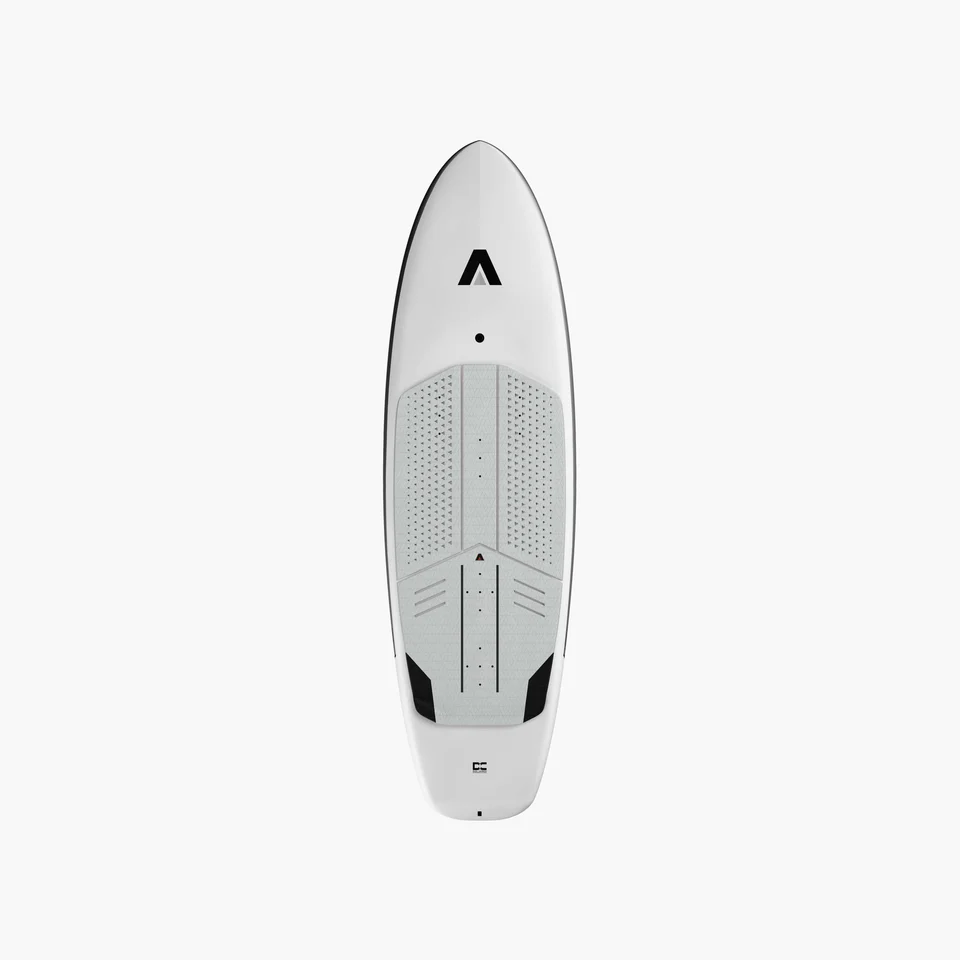
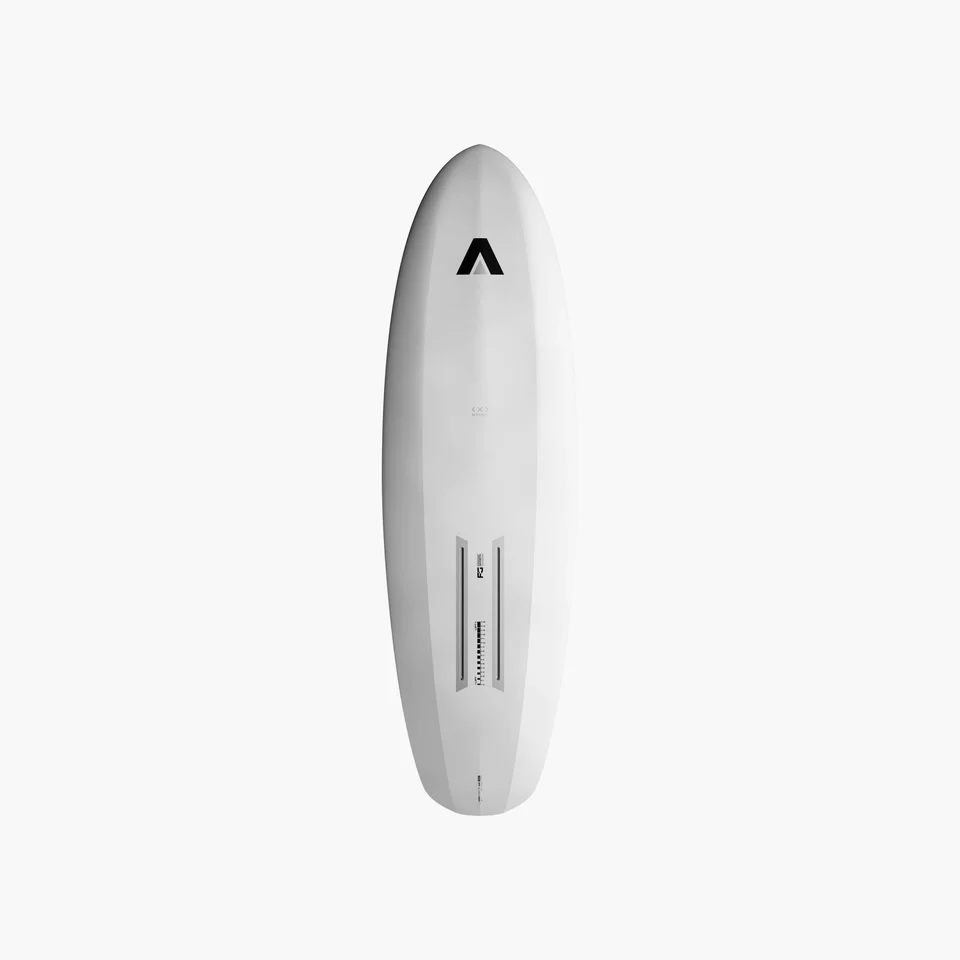
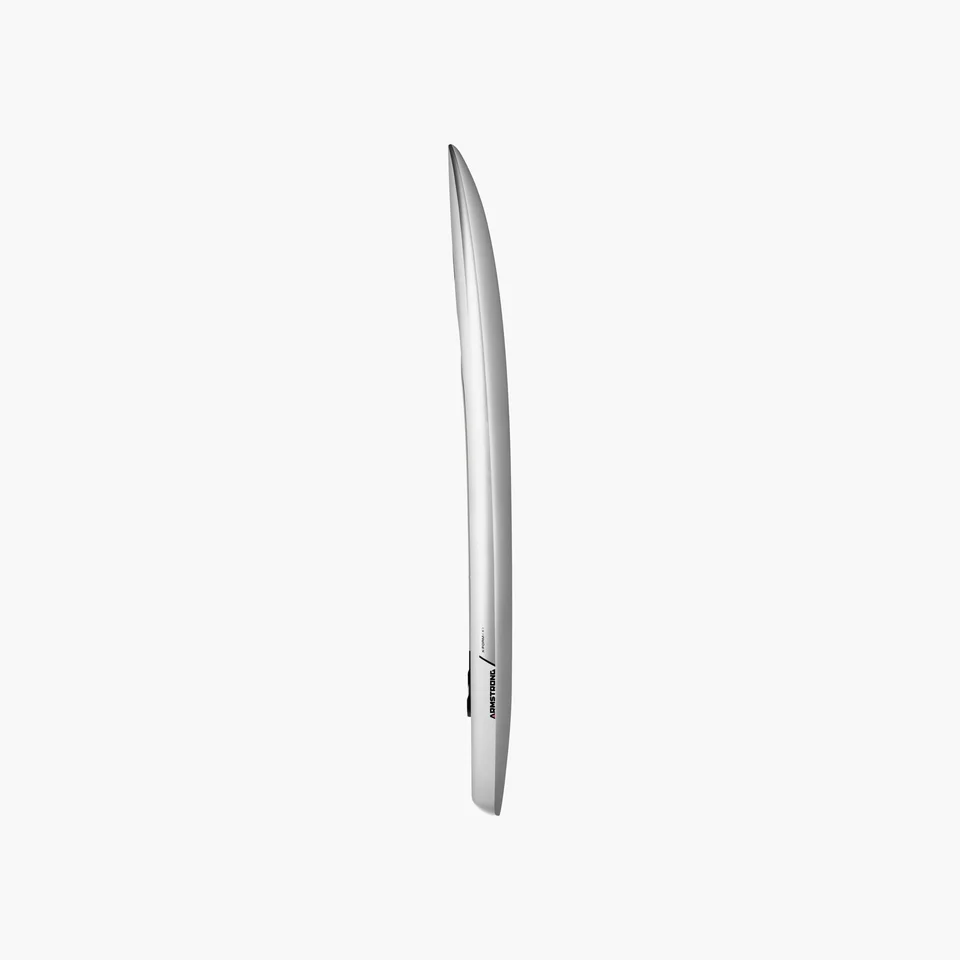



New Midlength Mk II X-Form Board
Price range: €1,550.00 through €1,900.00
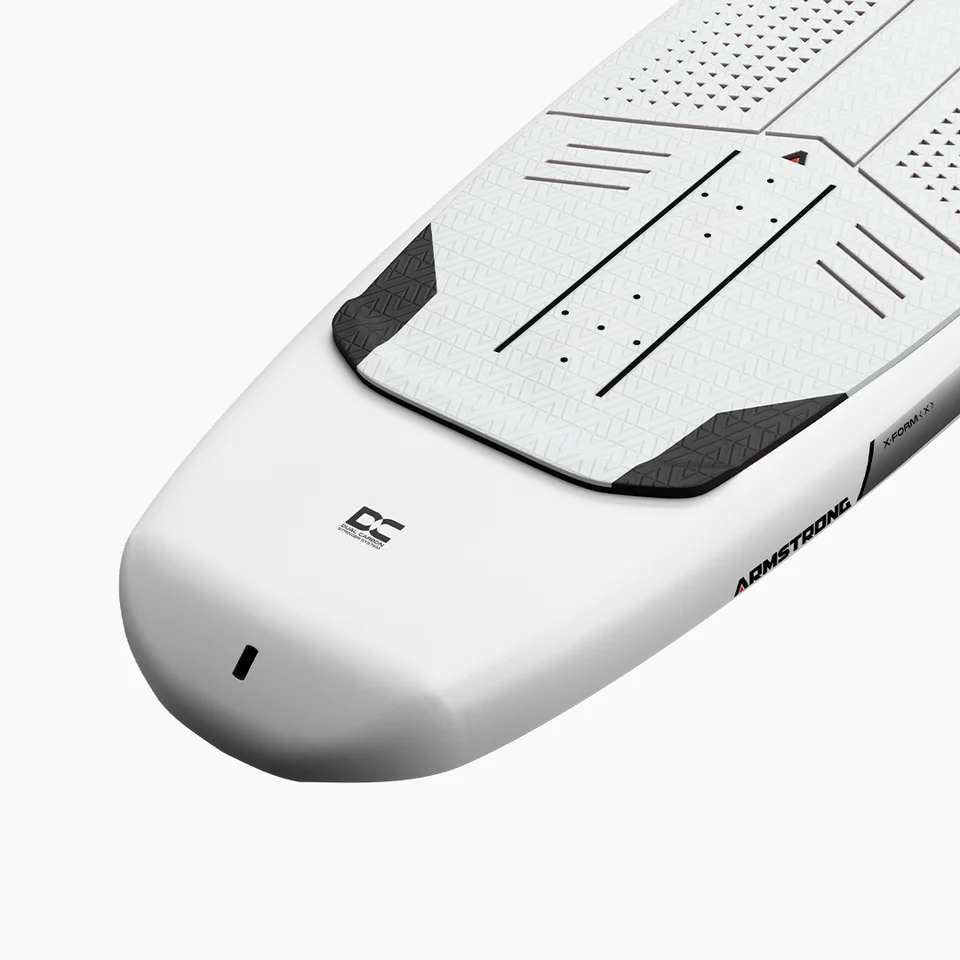
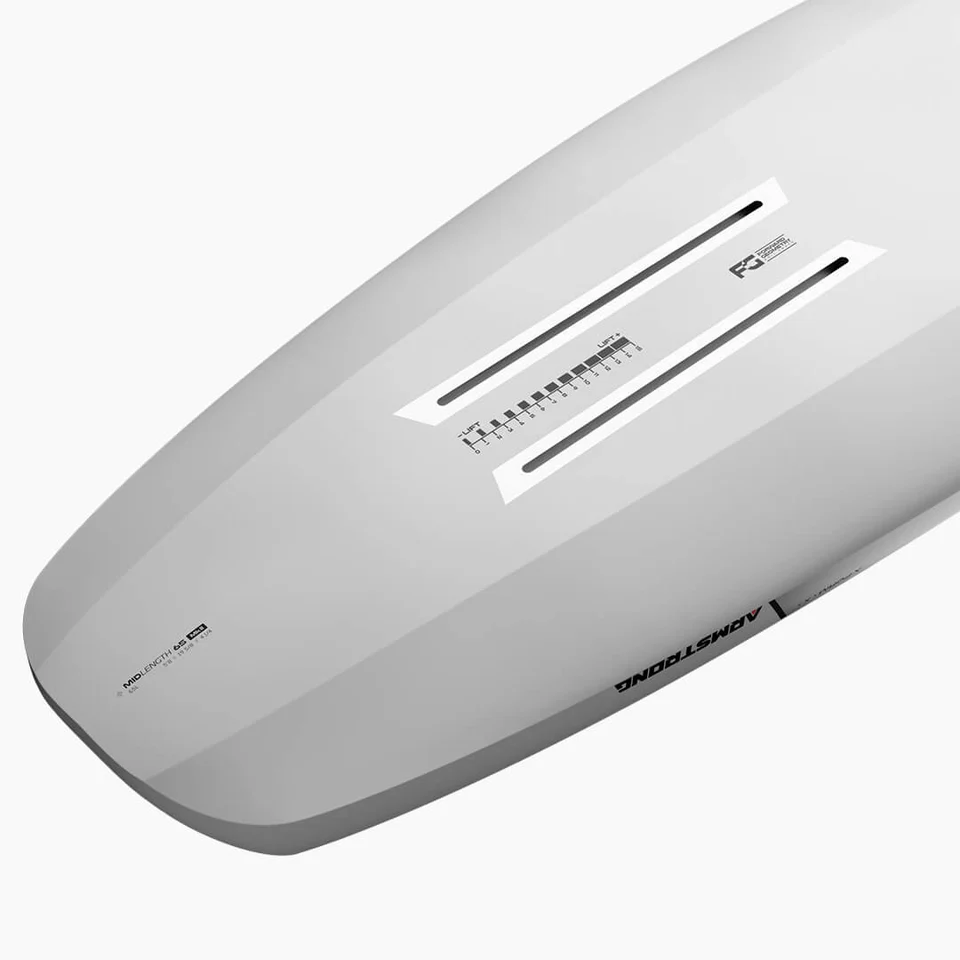
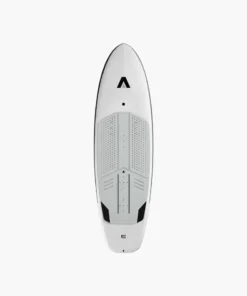
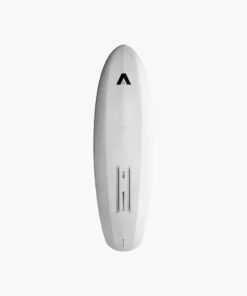
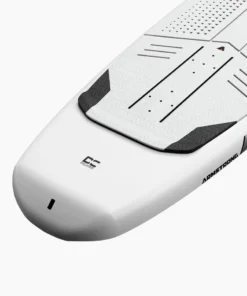
The Midlength Mk Il marks the next step forward in Armstrong’s board design, debuting our all-new molded board technology. Built to deliver a lighter, stronger, and more connected ride, it represents a major leap in durability, response, and long-term performance.
Refined through years of testing in New Zealand’s most demanding conditions, the Midlength Mk Il blends Armstrong’s signature feel with a new level of control and consistency. It’s designed not just to perform, but to keep performing session after session.
Specifications
New Midlength Mk II X-Form Board – Precision-Molded Foil Board for Glide, Control, Responsiveness and Next-Generation Foiling
The New Midlength Mk II X-Form Board represents the next generation of Armstrong’s midlength foil-board concept, combining efficient waterline glide with a thinner, more responsive construction. Built around Armstrong’s proprietary X-Form precision-molded technology, the board is engineered to provide a high strength-to-weight ratio, direct feedback from the foil and long-term structural consistency. Armstrong positions the Mk II as a major step forward from the earlier Midlength design, with every curve, contour and volume transition refined for improved efficiency, control and recovery.
The range extends from a compact 38L 4’8″ model through to a 130L 7’2″ version. Therefore, riders can select a size that suits lower-volume surf-oriented use, powered wing sessions or higher-volume foiling where additional stability and flotation are required.
Why Choose the Midlength Mk II X-Form Board?
The strongest reason to choose this board is its combination of glide and responsiveness.
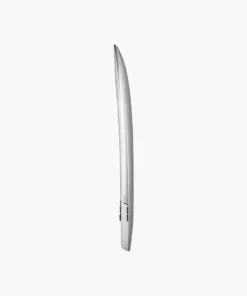
A longer, narrower outline can move through the water efficiently before takeoff. However, the Mk II does not rely only on added length. The thinner X-Form profile is designed to create a more direct connection between the rider and foil, which means changes below the water can be felt more clearly through the deck. Armstrong specifically describes this construction as providing cleaner feedback and improved responsiveness.
Consequently, the board aims to make takeoff easier without producing the disconnected feel sometimes associated with thicker high-volume boards.
How Good Is the X-Form Construction?
X-Form is Armstrong’s proprietary precision-molded board technology.
According to the manufacturer, the system combines lower weight with exceptional strength and stiffness. More importantly, the thinner profile is intended to transmit foil feedback more directly to the rider. Armstrong also emphasizes long-term durability, describing the construction as engineered to maintain its feel and performance through years of progression.
Therefore, the construction is not simply a cosmetic change. It influences weight distribution, stiffness, board-to-foil connection and long-term structural performance New Midlength Mk II X-Form Board.
Midlength Mk II Size Range
The available sizes provide a broad progression path:
- 38L – 4’8″ × 18.125″ × 3.25″, approximately 3.65kg
- 45L – 5’0″ × 18.625″ × 3.5″, approximately 3.8kg
- 55L – 5’4″ × 19.125″ × 4″, approximately 4kg
- 65L – 5’8″ × 19.625″ × 4.25″, approximately 4.2kg
- 75L – 6’0″ × 20.375″ × 4.375″, approximately 4.5kg
- 85L – 6’4″ × 21.375″ × 4.5″, approximately 4.8kg
- 100L – 6’8″ × 22.25″ × 4.875″, approximately 5.2kg
- 115L – 6’11” × 22.75″ × 5.25″, approximately 5.7kg
- 130L – 7’2″ × 23.25″ × 5.625″, approximately 5.9kg
These are the current manufacturer-listed dimensions and weights.
How the Board Improves Foil Connection
A key design objective is reducing the distance between the rider’s feet and the foil system.
A thinner board can improve feedback because less structure separates the deck from the mast connection.
Therefore, subtle changes in pitch, roll and foil loading can be felt more directly.
This becomes especially valuable during turns, touchdowns and transitions where rapid feedback helps the rider react sooner.
Armstrong describes this as a “more direct connection,” achieved through the thinner X-Form profile.
HA Front Foil Compatibility and Search Intent
The phrase HA Front Foil generally refers to a high-aspect front wing rather than the board itself.
Likewise, searches for HA Front Foil for sale, hydrofoil front wing, front foil, and wing foil front wing concern the foil component installed beneath the board.
A high-aspect front wing may prioritize glide and efficiency, while another design may emphasize turning or lower-speed lift.
Therefore, foil selection should be matched to rider weight, intended discipline and skill level rather than assumed from the board model alone.
Armstrong Foils Ecosystem
The broader armstrong foils range includes boards, front wings, masts, fuselages and handheld wings.
Consequently, buyers researching armstrong foils for sale, armstrong foiling, armstrong wing foil, or kite armstrong may encounter several separate components within the same modular ecosystem.
The Midlength Mk II is the board platform. It does not include every foil-system component automatically.
Armstrong Foil Board and Foiling Board Searches
Search terms such as armstrong foil board, armstrong foil boards, foiling board, foiling boards, surf foil board, surf foil boards, and surf foilboard describe the broader category into which this product fits.
However, the Mk II is specifically positioned as a midlength design rather than a conventional short prone board or full-length downwind board.
That middle-ground geometry gives it a useful combination of paddle efficiency, glide and maneuverability.
Armstrong Midlength and Armstrong Mid Length Board
The terms armstrong midlength and armstrong mid length board refer directly to this design philosophy.
The original Midlength FG was positioned between prone, wing and downwind boards, providing useful glide without the extreme length of dedicated downwind shapes. Armstrong described that earlier design as offering a balanced ratio of glide, stability and maneuverability.
The Mk II takes that concept further through X-Form construction and a revised outline.
Armstrong Downwind Board Comparison
Searches for armstrong downwind board, armstrong downwind boards, armstrong downwind foil, armstrong downwind foil board, and armstrong v1 downwind board relate to longer, more specialized boards designed around maximum paddling glide and open-water efficiency.
The Midlength Mk II remains shorter and more compact.
Therefore, it can provide useful glide without requiring the additional length associated with dedicated downwind designs.
Armstrong currently lists its Midlength Mk II separately from its Downwind Mk III and Downwind Ocean boards.
Surf Foil Performance
Searches for surf foil and related board terms often focus on quick takeoff, compact turning and responsive touchdowns.
The smaller-volume Mk II sizes can suit riders who prioritize a more surf-oriented feel, while larger models offer more flotation and easier water-start stability.
The nine-size range allows riders to choose between compact performance and greater buoyancy rather than forcing every discipline into one board size.
Armstrong Performance Mast
The armstrong performance mast is a separate foil-system component.
Athlete examples on Armstrong’s own Mk II page show the board being ridden with different mast and foil combinations, including a Performance-X mast and various front wings.
This demonstrates that board selection and mast selection should be considered together, but one should not be confused with the other.
Armstrong Integrated Foil Masts Price
Searches for armstrong integrated foil masts price and armstrong integrated foil masts price 2025 concern mast pricing rather than board pricing.
The current Midlength Mk II X-Form Board is listed by Armstrong from approximately $2,199.99 USD, while mast pricing depends on mast model, generation and region.
Therefore, a complete foil setup will cost more than the board alone.
Armstrong Fuselage
The armstrong fuselage connects the mast to the front and rear foil components.
It is a critical part of the hydrofoil assembly but remains separate from the board.
Buyers building a complete setup should confirm compatibility between mast, fuselage, front wing, stabilizer and board mounting hardware.
Armstrong Wing and Armstrong Wings
The phrases armstrong wing and armstrong wings can refer to handheld wings used for powered wing foiling.
A wing provides propulsion above the water, while the board and submerged foil system provide flotation and lift.
Therefore, a handheld wing should not be confused with the foil’s underwater front wing.
Surf Foil Board Versatility
A quality surf foil board should accelerate cleanly, release efficiently and remain manageable once airborne.
The Mk II’s refined outline and thinner construction are intended to improve those characteristics.
Meanwhile, its longer midlength geometry helps develop speed before takeoff.
This creates a useful compromise between very short surf shapes and longer displacement-style boards.
Foil for SUP Use
The phrase foil for sup reflects another related discipline.
Larger-volume Mk II models provide more flotation than the smaller sizes and may therefore appeal to riders who value standing stability before takeoff.
However, a dedicated SUP or downwind setup may still be more appropriate when maximum paddling efficiency is the primary objective.
Board volume should always be selected according to rider weight, skill level and intended water conditions.
Hydrofoil Lift Stability
Hydrofoil lift stability depends primarily on the submerged foil system, but board design also influences takeoff and recovery.
Before flight, the board must accelerate efficiently and remain controllable on the water.
After touchdown, hull shape and volume distribution affect how cleanly it reconnects with the surface.
The Mk II’s revised outline and volume transitions were specifically refined to improve efficiency, control and recovery.
Why the Midlength Mk II Offers Strong Practical Value
The Midlength Mk II succeeds because it does not force riders to choose between pure glide and highly compact handling.
Its longer waterline assists acceleration, while the thinner X-Form construction provides a more direct connection once airborne.
Additionally, nine volume options from 38L to 130L give the range unusually broad rider coverage.
For riders comparing a dedicated surf shape, a full armstrong downwind board, or an armstrong foil board designed around midlength versatility, the Mk II occupies a particularly useful middle ground.
When matched to an appropriate mast, hydrofoil front wing, armstrong fuselage, stabilizer and rider skill level, the Midlength Mk II X-Form Board offers a sophisticated combination of glide, stability, durability, feedback and responsive foil control.
Glide Efficiency, Takeoff Control, Stability, Balance, and Practical Water Performance
Efficient Acceleration Before Takeoff
One of the most important characteristics of a midlength design is its ability to build speed efficiently before lift occurs.
A longer waterline can reduce unnecessary drag and help the board move through the water with less resistance than a very short shape.
As a result, the rider can often create useful forward momentum without relying entirely on aggressive pumping or excessive power.
This becomes especially valuable in lighter conditions, where smooth acceleration can make the difference between remaining on the surface and reaching enough speed for lift.
Understanding Waterline Efficiency
Waterline length influences how easily a board travels across the surface.
A longer outline generally tracks more efficiently because the hull can maintain forward direction with less abrupt resistance.
However, length alone does not determine performance.
Width, rocker, bottom contour, rail shape, volume placement, and rider position also affect acceleration.
A well-balanced shape should therefore combine efficient forward motion with enough maneuverability to avoid feeling cumbersome once airborne.
Takeoff Technique
Takeoff becomes easier when the rider allows the board to accelerate naturally before trying to force lift.
Instead of applying sudden movements, a progressive approach generally produces cleaner results.
The rider should establish balance, create forward momentum, and allow the lifting surface beneath the board to begin carrying more load.
Once sufficient speed develops, smaller controlled movements can help transition from surface travel into flight.
Smooth timing is usually more effective than excessive physical effort.
Volume Distribution
Volume placement strongly influences stability.
A board with volume concentrated too heavily in one area may feel awkward when kneeling, standing, or recovering from a touchdown.
Balanced volume distribution supports a more predictable relationship between nose, tail, and rider position.
This becomes especially useful in changing water conditions.
When the rider shifts weight slightly, the board should respond progressively rather than suddenly sinking one end.
Width and Stability
Width affects both stability and responsiveness.
A wider platform can feel easier to stand on, particularly at low speed.
However, excessive width may create more surface resistance and make rail-to-rail movement feel slower.
A narrower outline can accelerate more efficiently but may require greater balance from the rider.
The ideal size depends on body weight, experience, intended conditions, and whether the rider prioritizes stability or a more responsive feel.
Thickness and Board Feedback
Board thickness affects how directly the rider feels the lifting system beneath the feet.
A thinner structure can create a more connected sensation because the rider stands closer to the mast attachment area.
This can improve awareness of pitch and roll changes.
When the board begins to rise, turn, or descend, the rider may feel those movements sooner.
Better feedback can help experienced riders make smaller corrections rather than reacting late with larger movements.
Maintaining Stable Foot Placement
Foot placement should remain repeatable.
If the rider constantly changes stance, balance and turning response can become inconsistent.
The front foot generally helps control pitch, while the rear foot has a strong influence on turning and lift.
Exact placement varies with rider size and equipment setup.
Therefore, the best approach is to begin with a neutral position and make small adjustments after several runs rather than changing stance continuously.
Centering Body Weight
The rider should keep body weight centered over the working area of the board.
Leaning too far forward can suppress lift.
Moving too far backward can cause premature rise or unstable pitch.
A centered position helps the board accelerate efficiently and gives the lifting system time to develop smoothly.
As speed increases, subtle weight shifts become more effective than large body movements.
Pitch Control
Pitch describes the nose-up and nose-down movement of the system.
Good pitch control is essential for smooth flight.
The rider should avoid exaggerated front-to-back movements.
Small changes in ankle pressure and body position usually provide better control.
If the board rises too quickly, gentle forward pressure can reduce lift.
If it remains too low, a controlled rearward shift may help.
The key is gradual correction rather than sudden input.
Roll Control
Roll refers to side-to-side movement.
Balanced roll control helps maintain straight flight and supports clean turns.
The rider should use the feet, knees, and hips together rather than leaning only with the upper body.
Excessive upper-body movement can create delayed or unstable responses.
A relaxed stance allows the board to react more naturally to water movement beneath the surface.
Turning Behavior
Turning becomes more precise when the rider uses progressive pressure.
Sharp movements are rarely necessary.
Instead, pressure can be applied gradually through the feet while the hips and shoulders follow the intended direction.
The board should be allowed to roll into the turn rather than being forced abruptly.
This produces smoother arcs and helps maintain speed throughout the maneuver.
Managing Touchdowns
Touchdowns are a normal part of progression.
A well-designed hull should reconnect with the water smoothly rather than stopping abruptly.
The rider should remain centered and relaxed.
If the nose touches first, excessive forward pressure can increase resistance.
If the tail touches heavily, speed may be lost.
Balanced body position allows the board to recover more cleanly and return to flight with less disruption.
Recovering from Surface Contact
After a touchdown, the rider should avoid making sudden corrections.
If speed remains sufficient, the lifting system may recover quickly.
Maintaining forward momentum is therefore important.
The rider should keep weight centered and allow the board to release naturally from the water.
Large movements can create additional drag and make recovery more difficult.
Performance in Light Conditions
Efficient glide becomes especially important when power is limited.
In lighter conditions, the rider benefits from maintaining smooth acceleration rather than repeatedly forcing takeoff.
A longer outline can help preserve speed through small gaps in power.
This gives the rider more time to build enough momentum for lift.
For larger riders or less experienced users, additional volume may also improve stability while waiting for stronger movement.
Performance in Stronger Conditions
When conditions become more energetic, control becomes more important than maximum glide.
The rider may need to manage speed carefully and avoid excessive lift.
A compact stance and relaxed knees can help absorb changes in surface conditions.
The board should remain responsive without becoming difficult to control.
Choosing an appropriate size for body weight and experience can make stronger conditions much easier to manage.
Choppy Water Handling
Chop can make acceleration and balance more difficult.
A rider who remains stiff will often struggle more than one who allows the knees and ankles to absorb movement.
The board should be kept moving forward rather than being held stationary against irregular surface energy.
Maintaining moderate speed improves stability and reduces the effect of individual bumps.
Starting Technique
Starting technique depends on volume and conditions.
Larger sizes provide more support and may allow the rider to stand earlier.
Smaller sizes often require more careful balance and may favor a lower starting position.
Regardless of size, the rider should avoid rushing the transition to standing.
A stable start preserves energy and makes subsequent acceleration easier.
Equipment Positioning
The mast position affects balance and lift behavior.
Moving it changes how the system responds to front and rear foot pressure.
Large changes should be avoided initially.
Small adjustments followed by several test runs provide more useful information.
Once a balanced position is found, the setup should remain consistent long enough for the rider to adapt.
Learning Through Controlled Adjustments
Progress is usually faster when only one variable is changed at a time.
Changing stance, mast position, lifting surface, and board setup simultaneously makes it difficult to understand what caused an improvement or problem.
A controlled approach provides clearer feedback.
The rider should make a small adjustment, test it, and then decide whether another change is necessary.
Recording Setup Information
Keeping simple notes can be useful.
Rider weight, board size, mast position, water conditions, and general performance observations can all be recorded.
Over time, these notes make it easier to identify which setups work best in different conditions.
This reduces unnecessary experimentation and helps create a more repeatable equipment configuration.
Developing Long-Term Familiarity
The strongest performance develops through familiarity.
As the rider spends more time on the board, subtle changes in balance, pitch, roll, and acceleration become easier to recognize.
Takeoffs become smoother, touchdowns become less disruptive, and turns require less exaggerated movement.
When stance, equipment position, timing, and body control are managed consistently, the board becomes increasingly predictable and efficient across a wide range of recreational and performance-focused sessions.
Takeoff Progression, Turning Control, Touchdown Recovery, Rider Position, and Long-Term Performance
Developing a Repeatable Stance
A repeatable stance is one of the strongest foundations for controlled performance on the water.
The relationship between the front foot, rear foot, hips, shoulders, and center of balance should remain as consistent as possible during normal riding.
Small changes in foot position can noticeably affect pitch, turning response, and takeoff timing.
For that reason, riders should avoid constantly moving their feet while learning a new setup.
Instead, a neutral starting position should be established and tested over several runs before small refinements are made.
Front-Foot Pressure
The front foot plays an important role in managing pitch and keeping the system controlled.
Too much forward pressure can prevent smooth lift or cause the nose to remain excessively low.
Too little pressure can allow the setup to rise too quickly.
The rider should therefore apply pressure progressively.
Rather than making abrupt corrections, subtle ankle and knee movements usually create smoother responses.
This controlled approach becomes increasingly important as speed increases.
Rear-Foot Control
The rear foot strongly influences turning and lift response.
Excessive pressure can create a sudden change in pitch, while too little pressure may make the setup feel unresponsive.
A balanced rear-foot position should allow the rider to initiate turns without forcing them.
Over time, the rider learns how much pressure is needed for different speeds and water conditions.
Hip Position
The hips should remain centered over the working area of the board.
Leaning too far behind the feet can create unstable lift.
Moving too far forward can suppress responsiveness.
A centered hip position helps the rider make smaller and more precise adjustments.
This also reduces unnecessary upper-body movement.
When the hips, knees, and ankles work together, the board responds more predictably.
Upper-Body Control
The upper body should remain relaxed.
Large movements through the shoulders can cause delayed or exaggerated responses below the feet.
Instead, the rider should allow the lower body to control most balance adjustments.
The shoulders can then follow the intended direction naturally.
This improves stability and helps create smoother turns.
Improving Takeoff Timing
Efficient takeoff is based on timing rather than force.
The board should first build enough forward speed.
Once momentum develops, the rider can use controlled weight movement to encourage lift.
Attempting to rise too early often creates unnecessary drag.
Waiting too long can waste available energy.
The ideal timing comes from recognizing when the board begins to feel lighter and more responsive beneath the feet.
Using Forward Momentum
Forward momentum is one of the most important elements during takeoff.
A board that is already moving efficiently requires less aggressive input to transition into flight.
The rider should therefore avoid unnecessary side-to-side movement during acceleration.
Keeping the nose tracking forward helps preserve speed.
As momentum increases, the amount of physical effort required for lift often decreases.
Managing Low-Speed Stability
At low speed, balance can feel more difficult because the submerged lifting surface has not yet developed its full stabilizing effect.
The rider should remain relaxed and centered.
Excessive movements can create more instability.
A slightly wider stance may feel more comfortable during early acceleration, although exact foot placement depends on board size and individual preference.
Transitioning Into Flight
The transition from surface movement to flight should feel progressive.
The rider should avoid pulling the nose upward aggressively.
Instead, gentle rearward pressure can be combined with continued forward acceleration.
Once lift develops, a small amount of forward pressure can stabilize height.
This creates a smoother transition and reduces the risk of rising too sharply.
Maintaining Flight Height
Stable flight height depends on precise pitch control.
The rider should make small adjustments rather than large corrections.
If the board climbs too high, gentle forward pressure can bring it down.
If it begins dropping toward the water, slight rearward input can restore height.
A relaxed stance allows these movements to be made quickly without becoming exaggerated.
Developing Smooth Turns
Smooth turns begin with controlled roll.
The rider should apply gradual pressure through the feet while allowing the hips and shoulders to follow the intended direction.
Trying to force the board around using only the upper body can make the turn feel delayed or unstable.
Progressive lower-body input creates a cleaner arc.
Maintaining speed through the turn also improves stability.
Controlling Turn Radius
Turn radius can be adjusted through the amount of roll and pressure applied.
A gentle lean produces a wider arc.
A stronger but still controlled lean creates a tighter turn.
The rider should avoid making sudden changes in angle.
The goal is to enter the turn progressively, hold the chosen line, and then return smoothly to a neutral position.
Linking Turns
Once individual turns become comfortable, the next step is linking them together.
The rider should allow one turn to finish before initiating the next.
Rushing the transition can create instability.
A smooth transfer of pressure from one side to the other maintains speed and keeps body movement controlled.
This also makes longer riding sequences feel more natural.
Touchdown Control
Surface contact is a normal part of progression.
A touchdown does not automatically mean the ride is over.
The rider should remain centered and allow the board to reconnect with the water smoothly.
Sudden forward or rearward movement can create unnecessary drag.
A balanced position helps preserve speed and makes recovery easier.
Nose Touchdowns
If the nose contacts the water first, the rider should avoid immediately leaning far backward.
An exaggerated correction can create another instability.
Instead, body position should remain controlled while forward momentum is preserved.
If enough speed remains, the board may release from the surface quickly.
Tail Touchdowns
A heavy tail contact can slow the board.
The rider should resist the temptation to force additional rear-foot pressure.
Instead, the board should be allowed to regain speed.
Once forward momentum returns, lift can be rebuilt gradually.
Smooth recovery is generally more effective than aggressive correction.
Recovering After Full Surface Contact
If the entire board reconnects with the water, the rider should focus first on stability.
Forward speed should be maintained where possible.
Once balance returns, acceleration can begin again.
The rider should avoid trying to force an immediate second takeoff before the board has regained enough momentum.
Handling Choppy Water
Choppy conditions require more active lower-body control.
The knees and ankles should remain flexible so surface movement can be absorbed.
A stiff stance transfers every bump directly into the upper body.
By staying relaxed, the rider can allow the board to move beneath them without losing overall balance.
Maintaining Speed Through Chop
Speed can improve stability in irregular water.
However, excessive speed may make pitch changes more sensitive.
The rider should therefore seek a controlled pace that provides enough momentum without making the system difficult to manage.
Smooth forward movement is usually more useful than repeated bursts of acceleration.
Working With Lighter Conditions
When available power is limited, efficiency becomes especially important.
The rider should focus on preserving momentum rather than making aggressive movements.
A smooth stance, clean forward tracking, and controlled pumping can help maintain speed.
Unnecessary steering corrections should be avoided because each one can reduce forward energy.
Working With Stronger Conditions
Stronger conditions require more control.
The rider should keep the knees relaxed and avoid standing excessively upright.
A slightly lower stance can improve stability and make sudden changes easier to absorb.
The objective is not to fight the water but to remain balanced while allowing the equipment to respond naturally.
Adjusting Equipment Position
Small changes to mast position can influence pitch balance and foot pressure.
If the setup consistently requires excessive front-foot pressure, a minor adjustment may improve balance.
Likewise, excessive rear-foot effort can indicate that the current position is not ideal.
Changes should be small and tested over several runs.
Large adjustments make it difficult to understand what actually improved the setup.
Avoiding Too Many Changes
Progress becomes harder to evaluate when several variables are changed at once.
Foot position, mast placement, riding technique, and equipment choice should not all be altered simultaneously.
Instead, one change should be made and tested.
This method provides clearer feedback and helps the rider develop confidence in the final configuration.
Managing Rider Fatigue
Fatigue affects balance, reaction time, and movement quality.
As the session continues, riders may begin making larger corrections or standing too rigidly.
Short breaks can help restore coordination.
A difficult run late in the session should not automatically be treated as evidence that the setup is wrong.
Physical fatigue may be the main cause.
Recording Setup Information
Simple notes can be valuable.
The rider can record board size, mast position, foot placement, water conditions, and general performance observations.
Over time, patterns become easier to identify.
This helps determine which configurations work best in light conditions, stronger conditions, flat water, or chop.
Building Long-Term Familiarity
Long-term performance improves as the rider becomes familiar with how the board accelerates, lifts, turns, and reconnects with the water.
Small movements gradually replace large corrections.
Takeoffs become more predictable.
Turns become smoother.
Touchdowns become easier to recover from.
When stance, body position, timing, equipment setup, and environmental awareness are managed consistently, the board becomes increasingly intuitive and capable across a wide range of riding conditions.
Be the first to review “New Midlength Mk II X-Form Board”
Related products
Board
Board
Board
Board
Board
Board
Board
Board
Reviews
There are no reviews yet.