


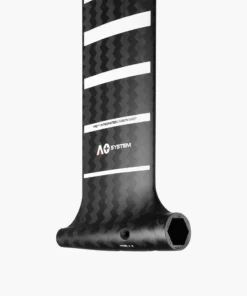
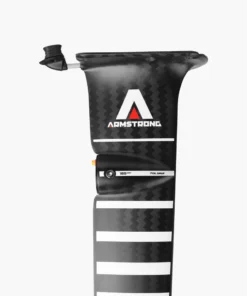
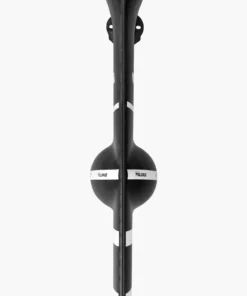
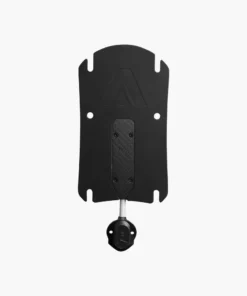
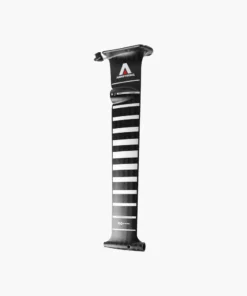
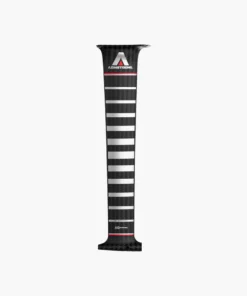
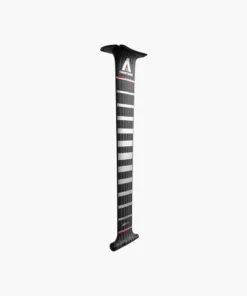
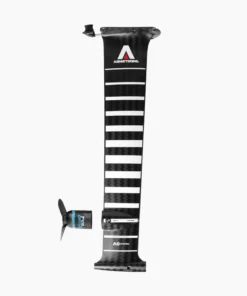
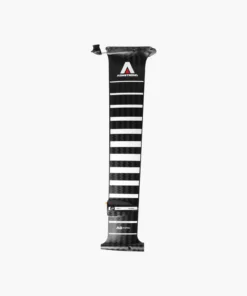
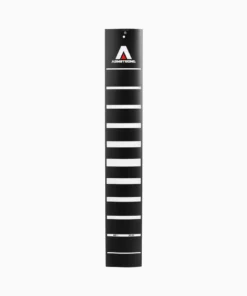
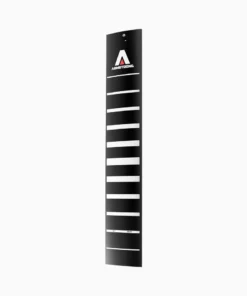
New Foil Drive Foil Assist Integrated Carbon Mast
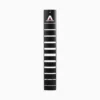
€1,400.00
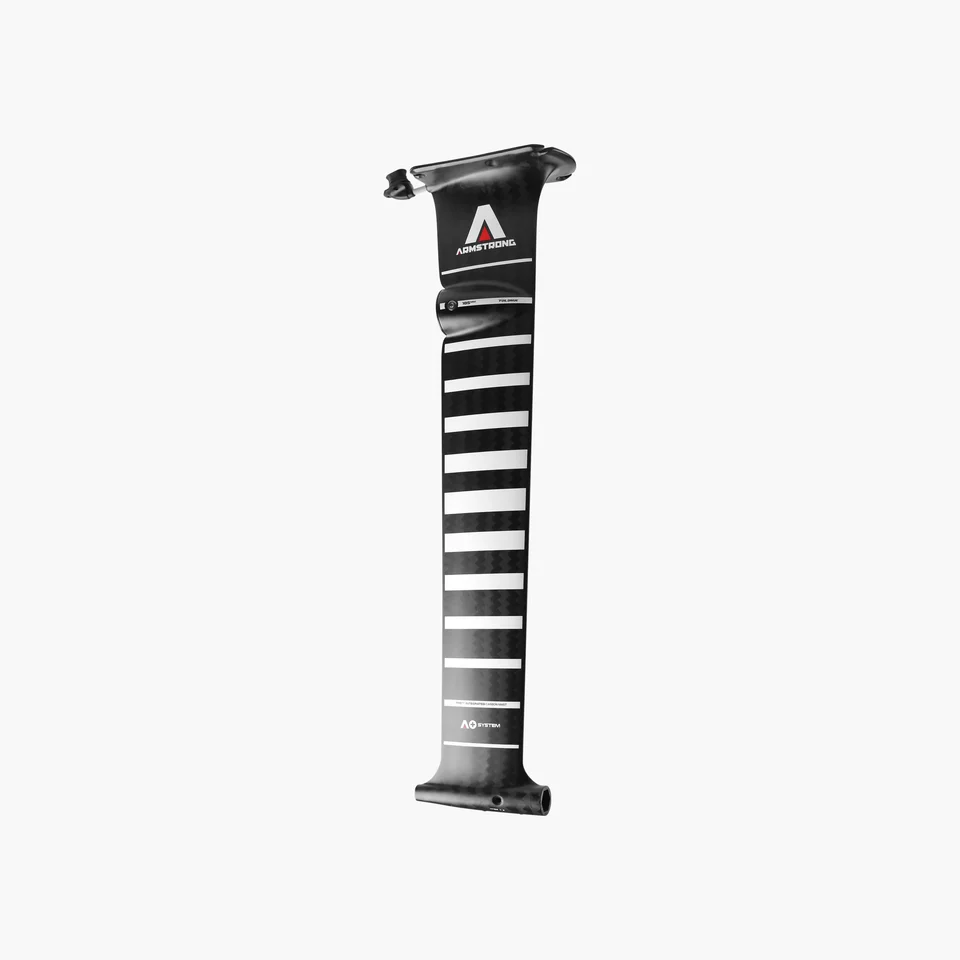
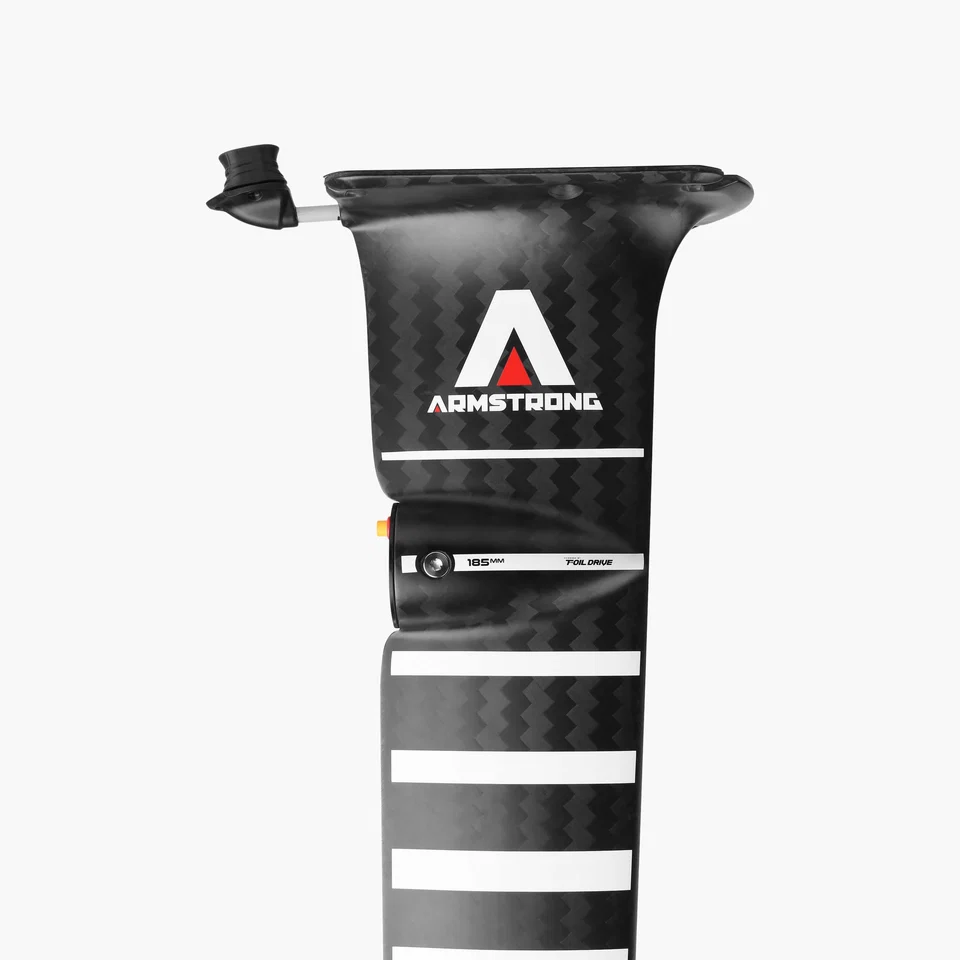
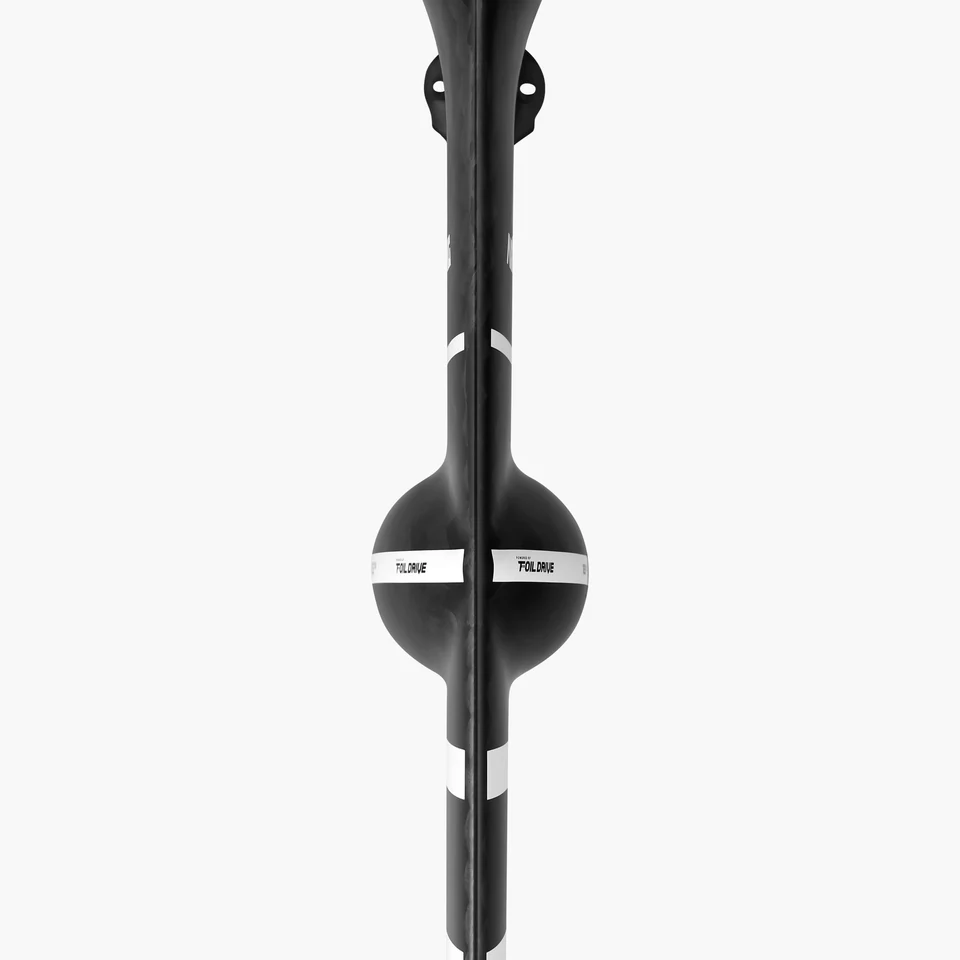
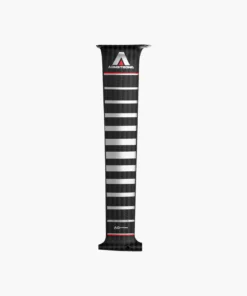
The Armstrong Foil Drive Integrated Foil Assist Carbon Mast redefines what’s possible with powered foiling. Unlike standard integrated systems, this setup is purpose-built to reduce drag and unlock a smoother ride from takeoff to touchdown.
For beginners, that means easier lift and no more sudden stalls when the motor pod hits the water. For advanced riders, it’s seamless wave performance, which can glide through without experiencing drag or stopping abruptly, unlike with standard designs, where hitting the motor pod can cause you to bog.
Whether you’re chasing bumps on windless days or just starting out, it turns small waves into endless sessions with unmatched performance.
Length: 795mm
Pod Height: 185mm
Mast Top Hardware
(2x) M8 16mm 316 Titanium Coating CSK Screw (T40 torx head)
Mast Bottom Hardware
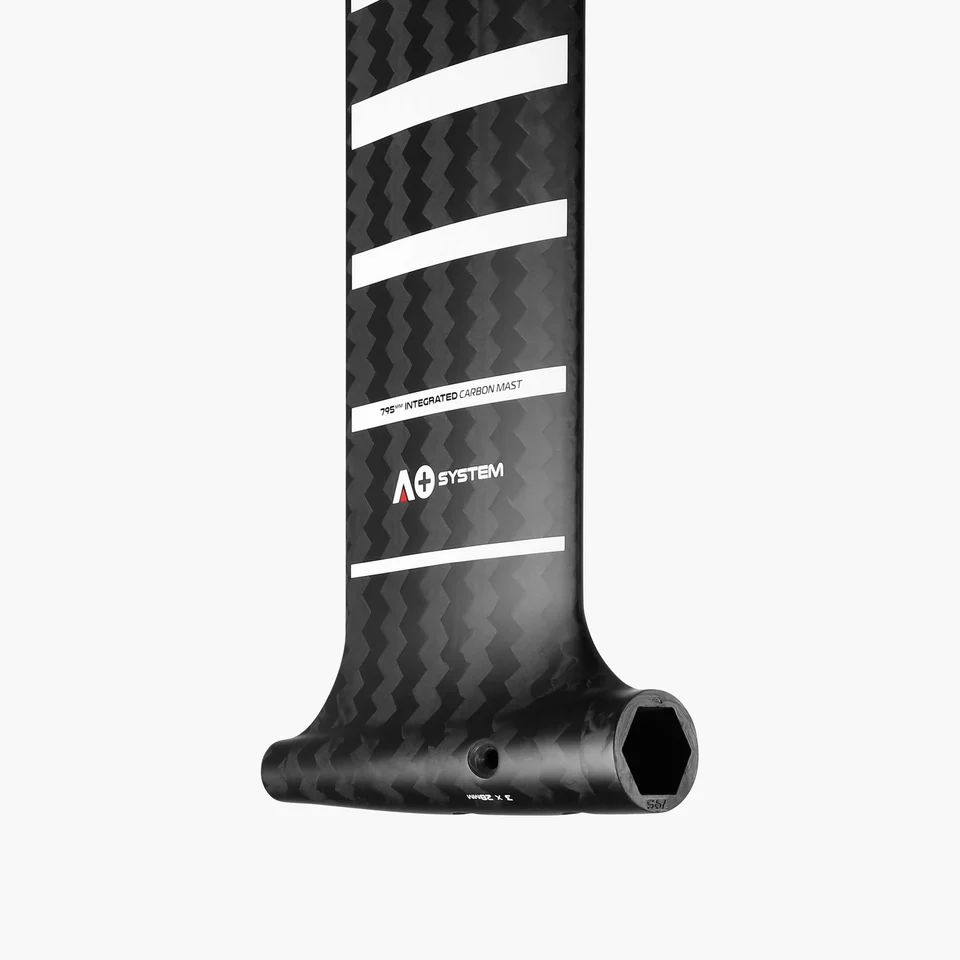
(3x) M6 28.5mm CSK Screw
(1x) M6 Titanium Barrel Nut
Sold Separately
4 x M7 79mm Titanium Mast Top Screws
4 x Titanium T-Nuts
New Foil Drive Foil Assist Integrated Carbon Mast – Fully Integrated Powered-Foiling Mast with Low-Drag Carbon Construction
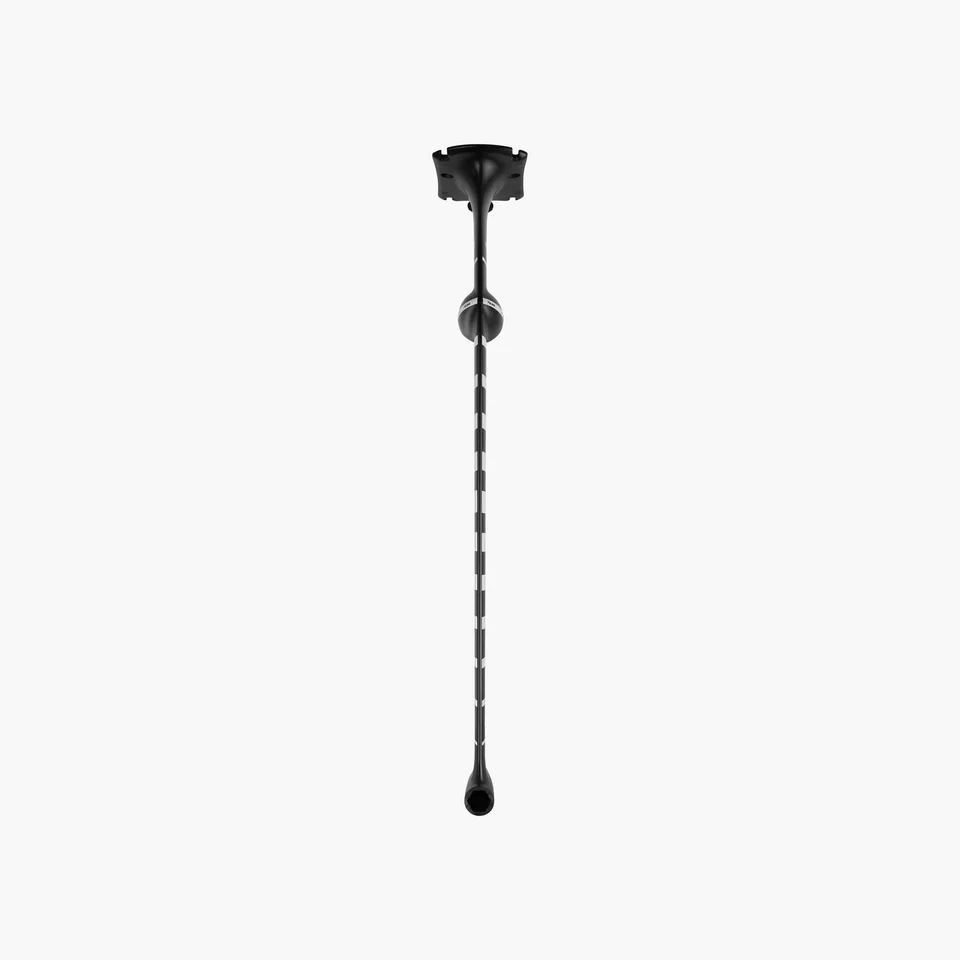
The Foil Drive Foil Assist Integrated Carbon Mast is a purpose-built Armstrong and Foil Drive collaboration designed to combine electric assistance with the clean hydrodynamic feel of a premium carbon mast. Instead of fastening an external motor pod and exposed cable to a conventional mast, the motor interface is integrated directly into the structure. As a result, drag is reduced, the installation looks cleaner, and the rider receives a more refined transition from powered acceleration into normal unpowered flight.
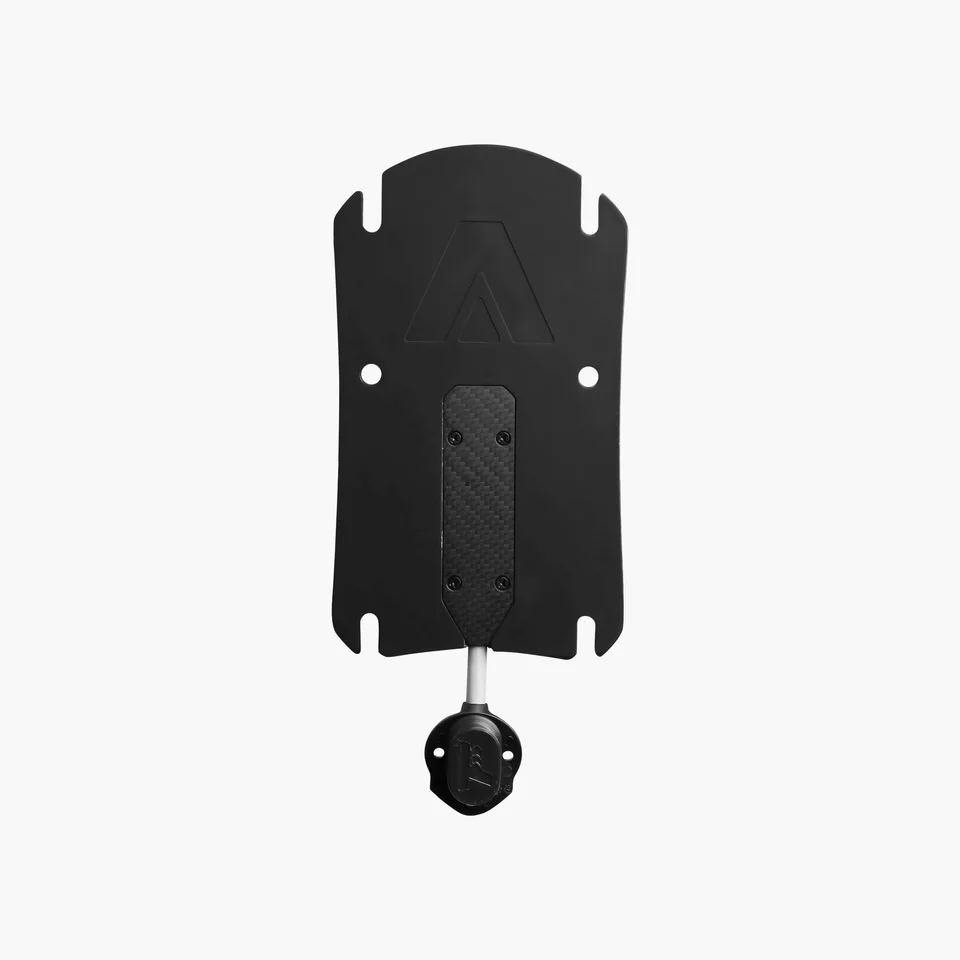
The current Foil Assist version uses a 795mm mast with the motor-pod center positioned 185mm from the top mast plate. Armstrong lists the mast itself at $1,999.99 USD, excluding the Foil Drive motor and Armstrong fuselage. The supplied package includes the protective cover, specified mast hardware, and T30 tool.
Why Choose the Integrated Carbon Mast?
The main reason to use an integrated design is reduced hydrodynamic interference.
Universal systems can attach a motor to many standard masts, but their external cable, mounting hardware, and tape add some additional drag. Foil Drive specifically identifies integrated masts as the cleaner, hydrodynamically superior approach because the motor system is incorporated into the mast architecture rather than strapped externally to it.
Therefore, riders who already value smooth glide and responsive foil feedback can add powered assistance without sacrificing as much of the conventional foil sensation.
795mm Mast Height
Armstrong currently produces this Foil Assist version at 795mm.
That height provides a practical compromise between clearance, maneuverability, wave riding, and control. It is sufficiently tall for varied assisted riding while avoiding the extra leverage and deeper-water requirements associated with significantly longer setups.
The height also matches a common performance-oriented range within Armstrong’s carbon mast family.
185mm Motor Pod Position
The 185mm pod position is one of the most important design details New Foil Drive Foil Assist Integrated Carbon Mast.
Armstrong describes 185mm as the versatile “sweet spot” for everyday foil-assist use. The motor remains relatively high on the mast, helping reduce drag once the rider is fully airborne while still providing useful powered acceleration during takeoff.
This differs from the E-Foil version, which places the pod at 650mm for continuous submerged propulsion.
Forward-Set Motor Pod
The motor pod is positioned farther forward than on many conventional integrations.
According to Armstrong, this positioning helps reduce drag around the front of the installation while improving the effectiveness of propulsion during acceleration. The intended result is smoother powered lift and less interruption as the board transitions onto foil.
Carbon Construction and Mast Feel
The mast uses design and layup principles derived from Armstrong’s Performance Carbon Mast family.
Therefore, stiffness and precise foil feedback remain central to the construction.
Armstrong describes the integrated version as delivering high stiffness, low flex, and accurate feedback during pumping and carving.
That matters because adding powered assistance should not make the foil feel disconnected from the rider.
How Good Is the Mast for Powered Takeoffs?
The design is particularly well suited to riders using short bursts of electric assistance to reach flying speed.
Once sufficient momentum is developed, the motor sits high enough that it can move out of the water during normal foil flight. This reduces drag compared with continuously submerged propulsion systems.
Foil Drive similarly describes high-mounted Assist configurations as suitable for downwind riding, wing sessions, SUP use, prone riding, and hybrid disciplines where the motor primarily helps with takeoff rather than powering the entire session.
Compatibility with Foil Drive Systems
The Armstrong integrated mast works with Foil Drive Gen2 equipment.
Foil Drive states that integrated masts are compatible with systems including Fusion, Assist MAX, and Assist Slim, although cable routing or extensions can vary with the exact battery and configuration.
The Armstrong design is also compatible with removable-cable V2 Foil Drive motors, including Standard and High Power versions.
What Is Not Included?
The mast does not automatically include every component required for a complete powered setup.
Armstrong specifically lists the Foil Drive motor and Armstrong fuselage as not included with the mast.
Therefore, buyers building a complete system still need the appropriate motor system, battery, fuselage, front wing, stabilizer, board, and required attachment hardware.
Armstrong Foils Integration
The mast sits inside the wider armstrong foils ecosystem.
Armstrong’s A+ System connects the mast, fuselage, front foil, and stabilizer into a unified assembly intended to provide solid structural connection and smooth riding feedback.
Consequently, this product makes the most sense when evaluated as part of a complete Armstrong-based foil system rather than as an isolated carbon component.
HA Front Foil
An HA Front Foil is a separate submerged lifting component rather than part of the mast itself.
Armstrong currently offers its HA family as a performance-oriented option emphasizing pumping efficiency, glide, and responsive riding. The company lists the HA Front Foil from approximately $799.99 USD.
Therefore, searches for HA Front Foil for sale, hydrofoil front wing, front foil, and wing foil front wing relate to the lifting surface paired with the mast rather than to the mast construction.
Hydrofoil Lift Stability
Hydrofoil lift stability is determined by the complete combination of mast, front lifting surface, stabilizer, fuselage, rider input, and speed.
The mast contributes by resisting unwanted flex and transferring rider input accurately.
Meanwhile, the front lifting surface generates the majority of hydrodynamic lift.
This is why mast stiffness and front-wing selection should be considered together when building a complete setup.
Armstrong Fuselage
The armstrong fuselage connects the mast with the front and rear lifting surfaces.
Armstrong currently lists its Titanium Core Fuselage from approximately $499.99 USD within the same integrated-system collection.
Importantly, the fuselage is not supplied with the integrated mast itself.
Armstrong Performance Mast Comparison
The phrase armstrong performance mast generally refers to Armstrong’s dedicated non-powered performance mast family.
For example, the Performance-X Carbon Mast currently starts around $2,349.99 USD and is designed around exceptionally low drag and high efficiency.
The integrated product takes some of that carbon-mast design philosophy and combines it with a dedicated motor interface.
Armstrong Integrated Foil Masts Price
For buyers searching armstrong integrated foil masts price, the current Armstrong retail price for the Foil Assist Integrated Carbon Mast is $1,999.99 USD.
The same current price is shown for the dedicated E-Foil Integrated Carbon Mast.
Therefore, older searches such as armstrong integrated foil masts price 2025 may not reflect current 2026 pricing and should be compared against the latest manufacturer listing.
Armstrong Foil Board Compatibility
Searches for armstrong foil board, armstrong foil boards, foiling board, foiling boards, surf foil board, surf foil boards, and surf foilboard relate to the board mounted above the mast.
The integrated mast replaces the standard mast within the setup, while the board remains a separate component.
Board volume, track construction, rider weight, and intended discipline should all be considered when selecting the complete package.
Armstrong Midlength
The armstrong midlength and armstrong mid length board families can be especially relevant to assisted riding because their longer waterline helps build speed before takeoff.
Pairing a glide-efficient board with motor assistance can reduce the effort needed to reach flying speed in weak conditions.
However, exact board sizing should be selected around rider weight, skill level, and discipline rather than mast choice alone.
Armstrong Downwind Board
Searches for armstrong downwind board, armstrong downwind boards, armstrong downwind foil, armstrong downwind foil board, and armstrong v1 downwind board relate to longer board shapes designed primarily around paddling efficiency and glide.
Foil assistance can complement these boards because electric power can help the rider accelerate onto foil when wind or swell energy is insufficient.
However, the board itself remains separate from the mast and motor system.
Surf Foil Applications
The phrase surf foil refers to wave-focused foiling where the rider typically uses wave energy after takeoff.
This is one of the environments where a high-mounted assist motor makes particular sense.
The motor can provide acceleration into the wave, while the rider can transition to unpowered glide once flying.
That creates a riding experience closer to conventional wave foiling than continuous e-powered cruising.
Foil for SUP
The phrase foil for sup relates to stand-up paddle-based foiling setups.
Assisted propulsion can make initial acceleration easier, particularly in conditions where paddle power alone would require considerable effort.
The mast’s 185mm motor position is designed around assistance rather than continuous deep-submerged propulsion, making it relevant to this style of hybrid use.
Armstrong Wing Foil
The armstrong wing foil category combines a board, foil system, mast, and handheld wing.
The integrated motor can supplement wind power during takeoff or help riders return through weak wind sections.
However, the handheld armstrong wing or armstrong wings remains separate from the mast.
The electric system does not replace the wing unless the rider intentionally chooses a different powered discipline.
Kite Armstrong Search Intent
The phrase kite armstrong reflects broader interest in Armstrong equipment used around wind-powered board sports.
However, the integrated mast should be chosen according to the specific foil system, board attachment, electrical components, and intended riding discipline rather than broad kite-related search intent.
Armstrong Foiling and Armstrong Foils for Sale
Searches for armstrong foiling and armstrong foils for sale cover the entire equipment ecosystem.
The current Armstrong catalogue includes conventional carbon masts, integrated powered masts, front lifting surfaces, stabilizers, fuselages, boards, and related hardware.
Consequently, buyers should verify exactly which components are included before assuming that a mast listing represents a complete foil package.
Important Specifications
- Mast length: 795mm
- Foil Assist motor-pod height: 185mm
- Integrated motor interface
- Forward-set pod design
- Carbon construction derived from Armstrong Performance Mast design principles
- A+ System integration
- Compatible with V2 removable-cable Foil Drive motors
- Standard and High Power motor compatibility
- Protective mast cover included
- Mast hardware included
- T30 tool included
- Foil Drive motor not included
- Armstrong fuselage not included
- Current listed mast price: $1,999.99 USD
Why the Integrated Carbon Mast Offers Strong Practical Value
The principal advantage of this design is that electric assistance is integrated without turning a premium carbon foil setup into a heavily externalized motor installation.
The 185mm motor position supports powered takeoff while minimizing interference once flying. Meanwhile, the carbon layup maintains the stiffness and feedback expected from Armstrong’s higher-performance mast designs.
When paired with an appropriate hydrofoil front wing, compatible armstrong fuselage, suitable armstrong foil board, Foil Drive motor system, battery, and stabilizer, the Foil Drive Foil Assist Integrated Carbon Mast provides a sophisticated combination of assisted acceleration, low drag, precise control, clean integration, and efficient unpowered glide.
Powered Takeoff, Glide Efficiency, Motor Positioning, Handling, and Practical Water Performance
Developing Smooth Assisted Takeoff
Assisted takeoff works best when propulsion, board speed, rider balance, and lift are allowed to build progressively.
The rider should avoid treating electric assistance as a substitute for technique.
Instead, the motor should help create the forward speed needed for the submerged lifting system to begin working efficiently.
As acceleration increases, the rider can gradually shift weight and allow the board to release from the water.
This produces a cleaner transition than trying to force immediate lift with abrupt body movement.
Understanding Motor Assistance
The primary role of an assist system is to reduce the effort required to reach flying speed.
It is especially useful when wind, swell, or paddle power is insufficient.
The motor provides controlled thrust, while the rider manages pitch, balance, and direction.
Because the system is intended to work with normal foil dynamics, smooth throttle input generally produces better results than repeated sudden bursts.
Progressive acceleration helps preserve control and makes the transition into flight easier to predict.
High Motor Position Benefits
A high motor position can provide an important advantage once the rider is fully airborne.
As the board rises, the motor can approach or leave the water depending on ride height and configuration.
When this happens, hydrodynamic resistance is reduced.
The rider can then continue gliding with less drag from the powered hardware.
This creates a riding experience that feels closer to conventional unpowered flight after takeoff.
Managing Takeoff Speed
Takeoff speed should build gradually.
The rider should first establish a stable stance and clean forward direction.
Once the board begins moving efficiently, additional power can be introduced as required.
Trying to lift before enough speed develops can create excessive drag.
On the other hand, accelerating far beyond what is necessary can make pitch changes feel more sensitive.
The best approach is controlled speed with smooth body movement.
Pitch Control During Acceleration
Pitch becomes increasingly important as speed rises.
Too much rear-foot pressure can cause the system to climb quickly.
Too much forward pressure can suppress lift and keep the board on the water.
The rider should use small weight changes rather than exaggerated movement.
Subtle ankle and knee adjustments generally provide more accurate control.
This becomes particularly important during the final transition from surface running into stable flight.
Transitioning From Powered to Free Glide
A well-managed transition from assisted acceleration to normal glide should feel progressive.
Once sufficient speed and lift are established, motor input can be reduced.
The rider should maintain body position and allow the foil system to continue carrying the load.
Abruptly changing posture at the same moment as reducing power can create instability.
For this reason, one variable should be changed at a time whenever possible.
Maintaining Straight-Line Stability
Straight-line stability depends on balanced foot pressure and consistent mast orientation.
The rider should keep the hips centered and avoid excessive upper-body movement.
If the board begins rolling from side to side, large corrections usually make the problem worse.
Smaller lower-body adjustments allow the system to settle more naturally.
A relaxed stance makes high-speed assisted acceleration easier to control.
Roll Control
Roll refers to side-to-side movement.
During acceleration, roll should be managed through the ankles, knees, and hips rather than the shoulders alone.
A rider who remains stiff may react too slowly to small changes beneath the water.
Keeping the lower body flexible allows faster and more controlled corrections.
Once airborne, the same principle supports smoother turns.
Turning With Assistance
Turning while power is applied requires additional attention because thrust continues to influence speed.
The rider should avoid entering a tight turn with excessive power.
A smoother approach is to reduce input slightly, establish the turn, and then add power only if necessary.
Progressive roll creates cleaner arcs and reduces the chance of sudden height changes.
The exact amount of power depends on speed, water conditions, and rider experience.
Managing Motor Drag
Integrated design reduces external clutter, but the motor still creates some drag while submerged.
Therefore, the rider should aim to reach efficient flight height rather than remaining unnecessarily low.
Once enough lift is established, reduced submerged hardware can improve glide.
This is one of the key reasons high-mounted assist configurations work well for riders who prioritize unpowered performance after takeoff.
Board Selection
Board size influences how easily the system accelerates and takes off.
A longer board may build speed more efficiently.
A smaller board may feel more responsive once airborne but can require greater balance before takeoff.
Higher volume generally improves flotation, especially for heavier riders or those learning.
The ideal choice depends on body weight, skill level, riding discipline, and typical conditions.
Foot Placement
Foot placement should remain repeatable.
The front foot generally manages pitch and stability, while the rear foot influences turning and lift more strongly.
Exact placement varies by board shape and mast position.
The rider should start from a neutral stance and make small adjustments after several runs.
Constantly changing stance makes it difficult to understand the system.
Mast Position
Mast position has a major influence on balance.
Moving the mast changes the amount of front- and rear-foot pressure required during flight.
If the rider consistently feels excessive pressure through one foot, a small adjustment may improve balance.
Changes should be incremental.
Large movements can make the setup feel completely different and may hide the actual cause of poor handling.
Managing Battery Weight
Powered systems add weight compared with conventional setups.
The battery, motor, and electronics all affect total mass and board balance.
The rider should consider how this additional weight changes waterline behavior and takeoff.
A board that feels perfect without powered hardware may feel different after the system is installed.
Balance should therefore be evaluated with the complete setup assembled.
Efficient Throttle Use
Throttle should be used strategically.
Maximum power is not always necessary.
In many situations, moderate input provides enough acceleration while preserving battery energy.
A controlled approach also reduces abrupt movement.
The rider should learn how much power is required for different conditions rather than automatically using the highest setting.
Battery Efficiency
Battery endurance depends on how often and how aggressively assistance is used.
Short bursts generally consume less energy than continuous high-power operation.
Riders who use the motor primarily for takeoff may achieve much longer sessions than those who remain powered continuously.
Environmental conditions, rider weight, board drag, and foil size also influence energy use.
Matching Power to Conditions
Calm water may require more deliberate acceleration because there is less natural energy available.
Small waves or wind can reduce the amount of electrical assistance needed.
The rider should use available environmental energy rather than relying entirely on the motor.
This improves battery efficiency and creates a smoother riding experience.
Light-Wind Sessions
In light wind, electric assistance can help overcome one of the most frustrating parts of foil riding: reaching takeoff speed.
The rider can use controlled power to accelerate while maintaining a stable stance.
Once flying, available wind energy may be enough to continue the session with reduced motor use.
This expands the range of conditions that can be ridden effectively.
Small-Wave Conditions
Small waves can be difficult to enter using paddle power alone.
Assistance can help the rider match the speed of the wave.
Once the foil begins carrying the rider, the motor can be reduced and wave energy can take over.
This creates a practical bridge between powered acceleration and traditional wave riding.
Flat-Water Use
Flat water requires propulsion because no wave energy is available.
Assistance can therefore be particularly valuable.
The rider can practice takeoff, pitch control, and sustained flight without waiting for suitable swell.
However, battery management becomes more important because the motor may be used more frequently.
Choppy Water
Chop can make acceleration more difficult.
The rider should keep knees and ankles flexible.
A stiff stance transfers every surface movement directly into the body.
Maintaining forward momentum helps the board pass through irregular water more smoothly.
Throttle input should remain controlled so the system does not become overpowered in unstable conditions.
Touchdown Recovery
Touchdowns are normal.
If the board reconnects with the water, the rider should remain centered and avoid abrupt corrections.
Forward speed should be preserved whenever possible.
If enough momentum remains, the system may return to flight quickly.
A short burst of assistance can sometimes help rebuild speed, but body control remains essential.
Avoiding Overcorrection
Large movements often create more instability than the original problem.
If the system rises too high, gentle forward pressure is usually enough.
If it drops, controlled rearward pressure may restore lift.
The same principle applies to roll.
Small corrections are generally faster, smoother, and easier to repeat.
Rider Fatigue
Powered assistance reduces some physical effort, but it does not eliminate fatigue.
Balance, concentration, leg control, and reaction time can still decline during long sessions.
Short breaks can improve technique.
A difficult run late in the session should not automatically be blamed on the equipment.
Fatigue may be the main cause.
Recording Setup Information
Keeping notes can improve long-term consistency.
Useful details include mast position, board size, rider stance, battery setup, water conditions, and general handling observations.
Over time, patterns become easier to identify.
This helps the rider return quickly to a reliable configuration after transport or equipment changes.
Developing Long-Term Familiarity
The strongest performance develops through repeated use.
The rider gradually learns how much power is needed for takeoff, how the system behaves as the motor approaches the surface, and how to transition smoothly into free glide.
Pitch corrections become smaller.
Turns become more controlled.
Battery use becomes more efficient.
When motor input, stance, mast position, board choice, and environmental awareness are managed together, the complete setup becomes more predictable, efficient, and enjoyable across a wide range of riding conditions.
Takeoff Progression, Flight Control, Turning Response, Efficiency, and Rider Confidence
Developing Better Takeoff Timing
Takeoff becomes more predictable when speed, lift, and rider movement are coordinated instead of forced.
The rider should first establish forward momentum while keeping the board tracking straight.
As speed increases, the submerged lifting system begins carrying more of the rider’s weight.
At that point, only small changes in pressure are needed to help the board rise.
Trying to lift too early can create unnecessary drag, while waiting too long may waste available momentum.
The most efficient technique is progressive and controlled.
Using Power Smoothly
Motor input should build in a measured way.
Sudden full-power application can make the setup feel harder to manage, especially in choppy water or while the rider is still establishing stance.
A gradual increase in thrust usually produces a cleaner acceleration phase.
Once enough speed is available, power can be reduced.
The rider should avoid changing body position and throttle aggressively at the same time because this makes the cause of any instability harder to identify.
Transitioning Into Stable Flight
The moment the board begins to rise, the rider should focus on keeping pitch under control.
Too much rearward pressure can cause an abrupt climb.
Too much forward pressure may force the board back onto the water.
A neutral stance with small ankle and knee adjustments helps create a smoother transition.
Once the system reaches a comfortable ride height, the rider can reduce unnecessary movement and allow momentum to carry the setup forward.
Managing Ride Height
Stable ride height depends on accurate pitch control.
If the board rises excessively, gentle forward pressure can reduce lift.
If it begins descending, controlled rearward pressure may restore height.
Large movements should be avoided because they often produce a cycle of overcorrection.
The rider should aim to make small adjustments early rather than large corrections late.
This creates a calmer and more predictable riding experience.
Developing Front-Foot Awareness
The front foot plays an important role in controlling pitch.
Excessive front-foot pressure can suppress lift, while insufficient pressure may allow the system to climb too quickly.
The rider should become familiar with the amount of pressure needed to maintain a stable height.
This sensitivity improves naturally over time.
Eventually, very small changes in ankle pressure can replace larger body movements.
Developing Rear-Foot Awareness
The rear foot influences both lift response and turning behavior.
Too much pressure can increase pitch quickly.
It can also make turns feel abrupt.
The rider should therefore apply pressure progressively.
A neutral rear-foot position provides a stable baseline from which small changes can be made.
This is especially important when riding at higher speed.
Maintaining a Relaxed Lower Body
The knees and ankles should remain flexible.
A stiff stance transfers every small movement directly through the rider’s body.
This can make the system feel more unstable than it actually is.
Relaxed joints absorb small changes and allow the board to move naturally.
This becomes especially valuable in surface chop or uneven wave energy.
Controlling Upper-Body Movement
The upper body should remain calm and centered.
Large shoulder movements can create delayed reactions below the feet.
Instead, the rider should let the hips, knees, and ankles handle most balance corrections.
The shoulders can then follow the direction of travel naturally.
This improves both straight-line stability and turning control.
Straight-Line Tracking
Good straight-line tracking begins with even foot pressure and centered body position.
The rider should avoid constantly steering with the upper body.
Small corrections through the feet are usually enough.
If the board repeatedly drifts to one side, the rider should check stance and equipment alignment before compensating with excessive body movement.
A balanced setup should track cleanly with minimal effort.
Developing Smooth Turns
Turns should begin progressively.
The rider can apply pressure through the feet while allowing the hips and shoulders to follow the intended direction.
Trying to force the board around abruptly can create instability and speed loss.
A smooth entry preserves momentum.
Once the turn is established, the rider can hold the chosen angle and return gradually to neutral.
Managing Speed Through Turns
Speed supports stability.
Entering a turn too slowly can make the setup feel less predictable.
However, excessive speed may make the response more sensitive.
The rider should therefore aim for a controlled pace.
If motor input is being used, it should be reduced or managed carefully before tighter turns.
This keeps the turning response easier to predict.
Linking Turns Together
Once individual turns become comfortable, the rider can begin linking them.
Each turn should be completed before pressure is transferred to the opposite side.
Rushing the transition often creates unnecessary roll.
A smooth transfer maintains momentum and creates a more fluid riding rhythm.
Over time, these linked movements begin to feel natural.
Managing Motor Exit From the Water
When the motor is positioned high on the mast, it may approach or leave the water once sufficient ride height is achieved.
The rider should be prepared for a change in drag when this happens.
The setup may suddenly feel freer and faster.
Rather than reacting aggressively, the rider should remain centered and allow the system to settle.
The reduction in resistance can improve glide significantly.
Free-Glide Efficiency
Once powered assistance is no longer needed, efficient glide depends on minimizing unnecessary movement.
The rider should maintain a neutral stance and avoid excessive pitch changes.
Smooth lines preserve momentum.
Frequent corrections create drag and reduce speed.
A calm riding style generally produces longer and more efficient unpowered sections.
Reintroducing Power
If speed begins to fall, motor assistance can be reintroduced gradually.
The rider should avoid waiting until the board is almost fully stalled.
A small amount of additional thrust may be enough to restore momentum.
Once speed returns, power can be reduced again.
This controlled use can improve both efficiency and battery duration.
Touchdown Recovery
Touchdowns are normal during progression.
If the board reconnects with the water, the rider should remain centered.
Sudden rearward movement can cause additional instability.
If enough speed remains, the system may recover without much assistance.
If speed has dropped, a measured burst of power can help rebuild momentum.
The rider should focus on forward movement before attempting another takeoff.
Nose Contact
If the nose touches the water first, the rider should avoid immediately leaning far backward.
That reaction can create a second instability.
Instead, body position should remain controlled while speed is preserved.
A smooth hull release combined with forward momentum can allow the board to return to flight quickly.
Tail Contact
Heavy tail contact can reduce speed.
The rider should avoid adding more rear-foot pressure.
Instead, the board should be allowed to regain forward momentum.
Once speed returns, lift can be rebuilt progressively.
A calm recovery generally works better than aggressive correction.
Handling Choppy Conditions
Choppy water requires more active lower-body control.
The knees should absorb surface movement.
The rider should avoid standing rigidly.
Maintaining forward speed also helps the board pass through irregular water more efficiently.
Motor input should remain smooth because sudden acceleration in chop can make pitch control more difficult.
Riding in Light Conditions
Light conditions reward efficiency.
The rider should preserve every available source of momentum.
Smooth acceleration, controlled throttle use, and clean lines help reduce energy consumption.
Unnecessary steering should be avoided.
When natural energy becomes available, the rider can reduce motor use and rely more on glide.
Riding in Stronger Conditions
Stronger conditions may require less assistance.
The rider can use the motor only when necessary for takeoff or recovery.
A lower, more relaxed stance can help manage additional surface energy.
The goal is to let the water and wind provide as much propulsion as possible while using electric power as support rather than as the sole source of movement.
Managing Battery Consumption
Efficient riders typically use power only when it provides a clear benefit.
Short controlled bursts can preserve significantly more battery than continuous high-output operation.
Rider weight, foil size, board drag, water conditions, and throttle habits all influence consumption.
Learning when not to use power is therefore just as important as learning when to use it.
Refining Mast Position
A small mast-position change can alter how the setup feels under the feet.
If the rider constantly needs excessive pressure through one foot, a minor adjustment may improve balance.
Changes should be small.
The rider should test each adjustment over several runs before deciding whether another change is necessary.
Refining Foot Position
Foot placement should also be adjusted gradually.
Moving both feet at once can make the system difficult to evaluate.
A better approach is to make one small change and test the result.
The goal is a stance that allows balanced pressure without forcing the rider into an awkward position.
Avoiding Too Many Changes
Changing board position, stance, mast setting, foil size, and motor use simultaneously makes it difficult to understand performance.
Progress is usually faster when one variable is tested at a time.
This approach produces clearer feedback and helps the rider build confidence in the final setup.
Recognizing Rider Fatigue
Fatigue affects balance, reaction speed, and judgment.
The rider may begin making larger corrections or using more motor power than necessary.
Short breaks can restore coordination.
A difficult run late in the session should not automatically be blamed on the equipment.
Physical fatigue may be the main cause.
Recording Setup Information
Simple notes can help preserve a successful setup.
Useful details include board size, mast position, stance, battery configuration, water conditions, and general handling observations.
Over time, patterns become easier to identify.
This makes it easier to return to a proven configuration after transport or equipment changes.
Building Long-Term Confidence
Confidence develops through familiarity.
The rider gradually learns how much assistance is needed for takeoff, when to reduce power, how the setup behaves as drag decreases, and how to recover efficiently after touchdowns.
Movements become smaller and more deliberate.
Turns become smoother.
Battery use becomes more efficient.
When throttle control, stance, pitch management, mast position, and environmental awareness are coordinated consistently, the complete setup becomes increasingly intuitive and capable across a wide range of riding conditions.
Be the first to review “New Foil Drive Foil Assist Integrated Carbon Mast”
Related products
Armstrong x Foil Drive
Mast
Reviews
There are no reviews yet.